

 Pošalji
 Podeli
 Detalji o delu

 Преузми
 Slični predmeti
 Slajdovi
 Statistika
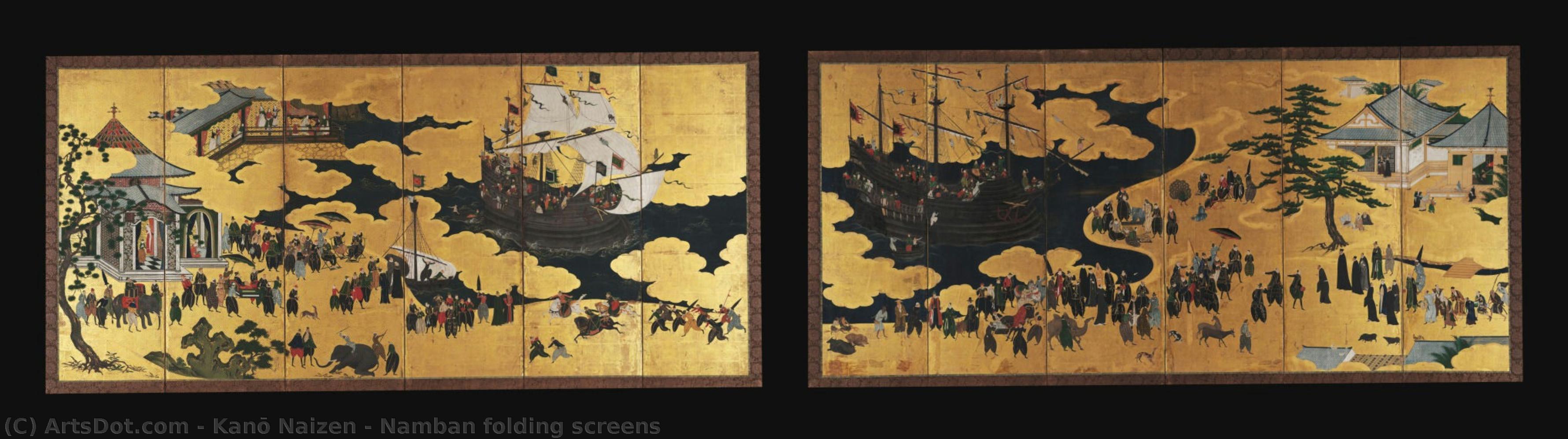
Namban folding screens
 Gold Leaf
- Sculpture
- Kanō School
 1600
1600- Early Modern
 178.0 x 366.0 cm
 Nacionalni muzej stare umetnosti
 Pročitaj više
Ručno rađena uljana reprodukcija
Ručno oslikano uljanim bojama na platnu u dimenzijama i okviru po vašem izboru, izrađeno po porudžbini od strane naših umetnika. ( Pređi na štampu Pređi na digitalnu sliku)




































Izaberite jednu od naših unapred definisanih veličina koje odgovaraju originalnim proporcijama umetničkog dela.

Можете унети сопствене димензије како бисте прилагодили дело одређеном оквиру или простору. Ако одабрана величина не одговара пропорцијама оригинала, слика ће бити исечена или проширена додатним елементима који се ручно насликавају. Дигитални prikaz ће вам бити послат на одобрење пре почетка производње.
Имајте на уму да преглед на екрану не одражава стварно исецање или проширење. Само приказ (mockup) ће тачно приказати коначну композицију.
Иако су доступне прилагођене величине, препоручујемо да одаберете димензију из дефинисане листе како бисте сачували оригиналне пропорције.
Nakon narudžbine, tim ArtsDot.com će klijentu putem e-pošte poslati uputstva i dostaviti prikaz predloženog rešenja
Isporuka širom sveta () za 3/4 nedelje umesto uobičajenih 5 nedelja. (9 септембар). Bez kompromisa po pitanju kvaliteta.

Besplatna ekspresna dostava širom sveta

Visokokvalitetno laneno platno

Kompletno osiguranje transporta

Garancija povraćaja carine i uvoznih dažbina

Garancija vernosti boja

Politika povraćaja u roku od 100 dana (isključivo u slučaju nedostataka)

Garancija povrata novca od 100%

Popust pri grupnoj kupovini
 Opcija sa staklom dostupna je samo za dimenzije manje od 110 cm

Namban folding screens
Tehnika reprodukcije
Dimenzije reprodukcije
-


Konačna cena
$ 388
A Golden Encounter: The Grandeur of the Namban Folding Screens
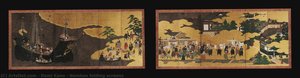
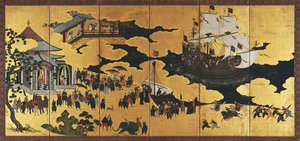
In the quiet majesty of the Kanō Naizen masterpiece, Namban folding screens, we are transported to a pivotal moment in global history—a time when the shores of Japan first felt the profound impact of the West. These breathtaking diptychs serve as more than mere decorative objects; they are vibrant, gilded windows into the year 1543 and beyond, capturing the electric atmosphere of the arrival of the Portuguese vessels in the port of Nagasaki. As the viewer gazes upon the expansive 178 x 366 cm surface, they are immediately enveloped by a luminous, golden world that celebrates the collision of two vastly different civilizations. The screens depict the "black ships" and the namban jin—the southern barbarians—with a meticulousness that borders on the cinematic, documenting the arrival of Jesuit missionaries and the influx of exotic cargo with an eye for both wonder and ceremonial precision.
The artistry of Kanō Naizen, a prominent figure within the prestigious Kanō school, is displayed through a masterful command of line and light. Utilizing the traditional technique of applying layers of gold leaf over sumi ink and rich mineral pigments, Naizen creates a sense of divine opulence that radiates from within the paper. The composition is a dense, rhythmic tapestry of human activity; musicians, officials, and curious onlookers are arranged in a stylized landscape that prioritizes narrative clarity over strict realism. There is a fascinating tension in the technique—the flattened perspective characteristic of Japanese screen painting allows every detail, from the intricate rigging of the Portuguese ships to the fine textures of the attendants' garments, to be presented with equal importance. This creates a sense of "ordered chaos," where the grandeur of the procession is balanced by the structured, rectangular geometry of the folding leaves.
Beyond their visual splendor, these screens are profound historical documents laden with symbolism. The use of gold does not merely signify wealth; it elevates the historical event to a level of mythic significance, casting the cultural exchange as a monumental epoch in Japanese history. The presence of the Jesuit missionaries and the detailed depiction of foreign goods symbolize the dawn of a new era of global commerce and religious influence. For the discerning collector or interior designer, these works offer an unparalleled sense of prestige and narrative depth. A high-quality reproduction of such a piece brings a sophisticated, scholarly elegance to any space, acting as a conversation piece that invites contemplation on themes of exploration, encounter, and the enduring beauty of the Muromachi and Edo periods.
To possess or display an homage to these screens is to invite the spirit of the Kanō school into one's environment. The emotional impact is one of awe—a feeling of witnessing a world in transition. Whether placed in a grand hall or a curated study, the warm, diffused light reflected by the golden tones provides a sense of warmth and historical gravity. These screens are not merely decorations; they are epic poems written in gold and ink, offering a timeless connection to the moment when the horizons of Japan first expanded to meet the distant, unknown West.
Srodna umetnička dela


Biografija umetnika
biography of a noted artist
kanō naizen, a prominent figure in the kanō school of painting, lived from 1570 to 1616. as a member of this esteemed family of painters, he was known for his captivating works, particularly his byōbu screen paintings of nanban (southern barbarians, i.e., europeans).early life and training
born in 1570, kanō naizen was the middle son of kanō eitoku, the head of the school. he was younger brother to kanō mitsunobu, the heir to the kano school, and older brother to kanō takanobu. naizen also had an adopted brother, the renowned kanō sanraku. naizen's training took place within the head kanō workshop in kyoto, where he worked alongside his family members to restore numerous imperial buildings, buddhist temples, and shinto shrines that were destroyed during the kamakura period and the genpei wars.notable works and style
in 1610-15, naizen moved to edo (modern-day tokyo), the new administration capital, at the behest of the tokugawa shogunate. his style, while often overshadowed by his father and brothers, is particularly notable for its byōbu screen paintings of nanban. one of his more famous works, "festivals of toyokuni", was produced in 1605 for the seventh anniversary of the death of kampaku toyotomi hideyoshi, whose posthumous name was toyokuni daimyōjin. this piece is a prime example of his skill in capturing the essence of nanban.- view kanō naizen's artworks on ArtsDot.com
- read more about kanō naizen on wikipedia
- explore the kanō school and its influence on japanese painting at the kanō school style art movement
legacy
naizen's personal name was shigesato, which he acquired upon officially entering the kanō school. his legacy, though sometimes overshadowed by his family members, remains significant in the realm of japanese painting, particularly in the context of byōbu screen paintings.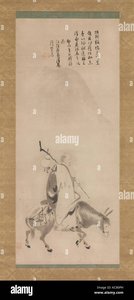
kanō naizen
1570 - 1616 , Japan
Osnovne informacije
- Artistic Movement Or Style: Kanō School
- Artists Or Movements Influenced By This Artist: ['Tosa School']
- Artists Who Influenced This Artist: ['Kanō Eitoku']
- Date Of Birth: Kyoto, Japan (1570)
- Date Of Death: 1616
- Full Name: Kanō Naizen
- Nationality: Japanese
- Notable Artworks:
- Festivals of Toyokuni
- Namban folding screens
- Place Of Birth: Kyoto
Povezani članci
Alfredo Roque Gameiro: A Portuguese Master of Historical Painting & Artistic Eclecticism
Discover Alfredo Roque Gameiro (1864-1935), a renowned Portuguese painter celebrated for his vibrant watercolors and historical illustrations. Explore his legacy & artworks at ArtsDot.
Masterpieces of the 17th Century: Art, History & Decor Inspiration | ArtsDot
Journey through 17th century art with masterpieces by Rembrandt, Vermeer & Caravaggio. Explore Baroque paintings, Dutch Golden Age techniques & timeless beauty. Find museum-quality reproductions and elevate your home decor on ArtsDot.com.

Katsushika Hokusai: 25 Remek-dela Japanskog Umetnika za Vaš Dom | ArtsDot
Uronite u svet Katsushike Hokusaija! Otkrijte 25 remek-dela japanskog umetnika, uključujući čuveni 'Veliki talas'. Ukiyo-e štampe, pejzaži i istorija iza svakog dela. Pronađite inspiraciju za dekor enterijera i kupite reprodukcije slika vrhunskog kvaliteta na ArtsDot.com.
Serenity on Canvas: A Guide to the Timeless Beauty of Japanese Landscape Painting
Discover the serene beauty of Japanese landscape painting. From Hokusai's iconic woodblock prints to meditative sumi-e ink washes, explore a visual journey through the 'floating world' and learn how to bring this timeless Zen aesthetic into your modern home decor.
Floating World: The Captivating Art and Legacy of Japanese Ukiyo-e
Explore the profound beauty of Japanese Ukiyo-e. Discover the history, masters like Hokusai, and the enduring legacy of the 'Floating World' through an expert art-historical lens.