

 Pregledaj u prostoru
 Pošalji
 Podeli
 Detalji o delu

 Преузми
 Slični predmeti
 Rendgenski snimak
 Slajdovi
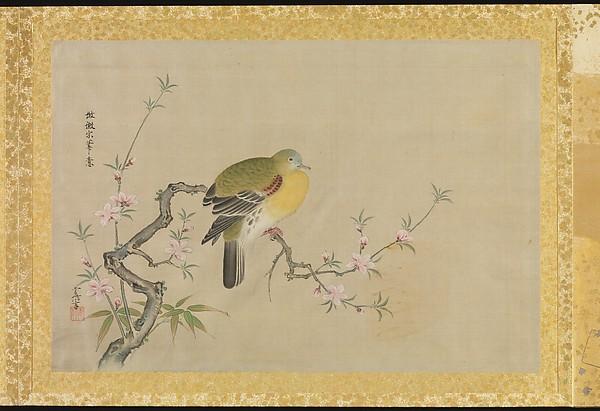
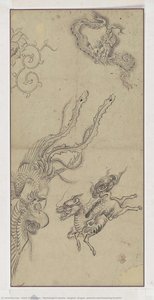
Album of Copies of Chinese Paintings
 29.0 x 43.0 cm
 Pročitaj više
Giclee štampa / Umetnički otisak
Giclée štampa ili print na platnu muzejskog kvaliteta uz brzu proizvodnju i fleksibilne opcije završne obrade. ( Kupi ručno naslikanu sliku Kupi digitalnu sliku)




































Izaberite jednu od naših unapred definisanih veličina koje odgovaraju originalnim proporcijama umetničkog dela.

Možete uneti sopstvene dimenzije kako biste umetničko delo prilagodili specifičnom okviru ili prostoru. Ako odabrani format ne odgovara proporcijama originalne slike, mi ćemo ili iscrtati deo dela ili proširiti sliku pomoću ogledane ivice ili jednobojnog popunjavanja. Digitalni prikaz će vam biti poslat na odobrenje pre početka proizvodnje.
Imajte na umu da pregled na ekranu ne odražava stvarno iscrtavanje ili proširivanje. Samo će prikaz (mockup) precizno pokazati finalnu kompoziciju.
Iako su prilagođene dimenzije dostupne, preporučujemo da odaberete dimenziju sa unapred definisane liste kako biste očuvali originalne proporcije.
Dostava širom sveta () za 2 nedelje umesto uobičajenih 4/5 nedelja. (6 септембар)

Besplatna ekspresna dostava širom sveta

Visokokvalitetno laneno platno

Kompletno osiguranje transporta

Garancija povraćaja carine i uvoznih dažbina

Garancija vernosti boja

Politika povrata u roku od 100 dana (samo u slučaju nedostataka)

Garancija povrata novca od 100%

Popust pri grupnoj kupovini
 Opcija sa staklom dostupna je samo za dimenzije manje od 110 cm

Album of Copies of Chinese Paintings
Giclee štampa / Umetnički otisak
Dimenzije reprodukcije
-


Konačna cena
$ 62
Srodna umetnička dela




Biografija umetnika
Kanō Tsunenobu: Weaver of Myth and Master of the Kanō School
Kanō Tsunenobu (1636-1713) stands as a pivotal figure in Japanese art history, a master painter whose legacy profoundly shaped the Kanō school for over two centuries. Born into a family deeply rooted in artistic tradition – his father was the esteemed Kano Naonobu – Tsunenobu’s journey wasn't merely one of inheriting a lineage; it was a process of refining and expanding upon established techniques while simultaneously forging a distinctive style. His life coincided with a period of immense cultural and political transformation, marked by the rise of the Tokugawa shogunate and a burgeoning interest in Chinese art and aesthetics. This confluence of factors profoundly influenced his artistic development, leading him to become not only a skilled craftsman but also a key interpreter of classical themes and narratives.
Tsunenobu’s early training was rigorous, meticulously overseen by his father and later his uncle, Kano Tan'yū, the head of the Kanō school. This apprenticeship instilled in him a deep understanding of *sumi-e*, the monochrome ink painting technique that defined the school’s aesthetic. However, unlike his uncle, who favored grand historical scenes and portraits, Tsunenobu demonstrated an early inclination towards mythological subjects and album paintings – smaller, more intimate works intended for aristocratic patrons. This divergence would ultimately become a hallmark of his artistic identity.
The Mythological Master: Dragons, Phoenixes, and the Echoes of China
Tsunenobu’s most celebrated work lies in his depictions of mythological creatures—dragons, phoenixes, and other fantastical beasts—a genre he elevated to unprecedented heights. These paintings weren't merely decorative; they were imbued with symbolic meaning, reflecting Confucian ideals of virtue, harmony, and the cosmic order. The dragon, particularly, held immense significance, representing imperial power, good fortune, and masculine strength. Tsunenobu’s dragons are not simply monstrous figures but embodiments of these virtues, rendered with a remarkable blend of dynamism and grace.
His mastery of *longma*, the fearsome Chinese dragon-horse, is particularly noteworthy. These dynamic compositions, often depicting the longma battling demons or rescuing princesses, showcase Tsunenobu’s technical skill and his ability to capture movement and emotion with subtle brushstrokes. He meticulously studied Chinese paintings and texts, adapting their motifs and techniques to create a uniquely Japanese interpretation. The influence of Chinese painting is undeniable, yet Tsunenobu skillfully integrated these elements into a distinctly Japanese visual language.
- Notable Mythological Works: Mythological Beasts (Dragon, Phoenix), The Longma Dragon.
- Technique: Primarily employed *sumi-e*, utilizing varying densities of ink to create depth and texture.
- Symbolism: Incorporated Confucian values through the depiction of mythical creatures.
Album Paintings: A Window into Aristocratic Taste
Alongside his mythological works, Tsunenobu excelled in creating *album paintings* – small, meticulously crafted panels intended for private viewing by wealthy patrons. These albums typically featured a collection of individual scenes depicting birds, flowers, landscapes, and occasionally figures. Unlike the grand historical narratives favored by other Kanō artists, these album paintings offered a more intimate glimpse into the world of aristocratic taste and aesthetic sensibilities.
Tsunenobu’s album paintings are characterized by their exquisite detail, delicate brushwork, and subtle color palettes. He skillfully rendered the textures of leaves, feathers, and water, creating a sense of realism that belied the small scale of the works. These albums were not merely decorative objects; they served as visual meditations on beauty, nature, and the cyclical rhythms of life.
The Evolution of Style: From Tan'yū to Tsunenobu
Following the death of his father in 1645, Tsunenobu entered into a close working relationship with his uncle, Kano Tan’yū. This collaboration was crucial to his artistic development, as he learned from Tan’yū’s extensive experience and accumulated knowledge. However, it also presented a challenge: many works attributed to Tan'yū were actually created by Tsunenobu, often in conjunction with his uncle. This complex relationship highlights the collaborative nature of the Kanō school and the difficulty of definitively attributing specific works to individual artists.
As he matured as an artist, Tsunenobu’s style gradually shifted from the more flamboyant and dramatic approach of Tan'yū towards a greater emphasis on elegance, refinement, and subtle detail. His later works are characterized by a softer brushstroke, a lighter color palette, and a more restrained composition. This evolution reflects not only his personal artistic growth but also the changing tastes of the aristocratic clientele he served.
Legacy and Historical Significance
Kanō Tsunenobu’s contributions to Japanese art are immense. He solidified the Kanō school's reputation as one of the most prestigious artistic institutions in Japan, establishing a distinctive style that would be emulated by subsequent generations of artists. His masterful depictions of mythological creatures continue to captivate audiences today, offering a window into the rich cultural and symbolic landscape of Edo-period Japan.
Tsunenobu’s legacy extends beyond his individual works; he played a crucial role in preserving and transmitting the traditions of Chinese painting within the context of Japanese art. His meticulous study of Chinese techniques and motifs ensured that these influences remained vibrant throughout the Kanō school, shaping its aesthetic identity for centuries to come. He remains a testament to the power of artistic apprenticeship, cultural exchange, and the enduring appeal of classical themes.
kano tsunenobu
1636 - 1713
Osnovne informacije
- Artistic Movement Or Style: Kanō School
- Artists Or Movements Influenced By This Artist:
- Eitoku
- Motonobu
- Artists Who Influenced This Artist:
- Kanō Naonobu
- Kanō Tan'yū
- Date Of Birth: 1636
- Date Of Death: 1713
- Full Name: Kanō Tsunenobu
- Nationality: Japanese
- Notable Artworks:
- Mount Fuji in Autumn
- Swallow
- Mythological Beasts
- Place Of Birth: Kyoto, Japan