

 Pregledaj u prostoru
 Pošalji
 Podeli
 Detalji o delu

 Преузми
 Slični predmeti
 Rendgenski snimak
 Slajdovi
 Statistika
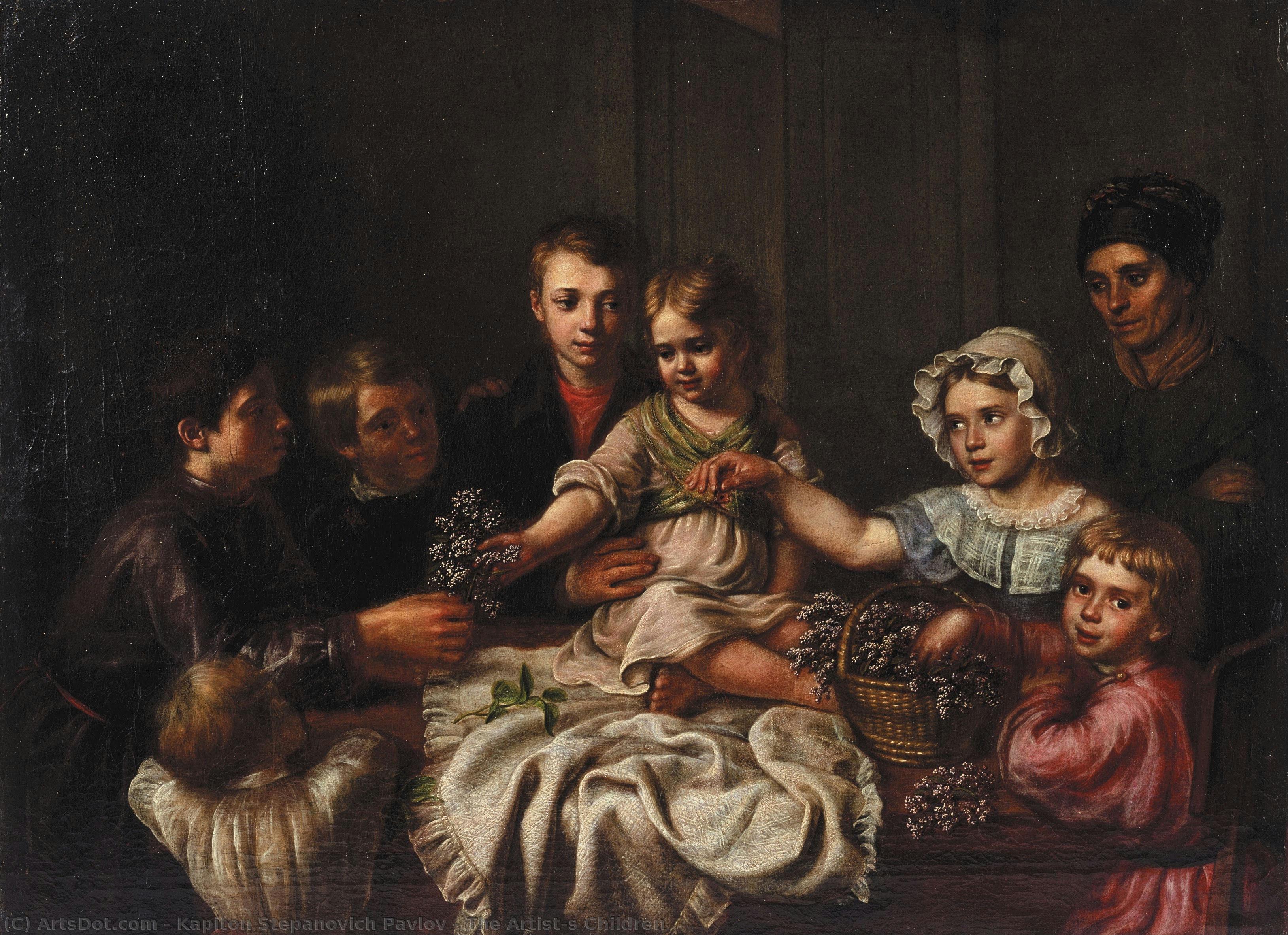
The Artist’s Children


 Pročitaj više
Ručno rađena uljana reprodukcija
Ručno oslikano uljanim bojama na platnu u dimenzijama i okviru po vašem izboru, izrađeno po porudžbini od strane naših umetnika. ( Pređi na štampu Pređi na digitalnu sliku)




































Izaberite jednu od naših unapred definisanih veličina koje odgovaraju originalnim proporcijama umetničkog dela.

Можете унети сопствене димензије како бисте прилагодили дело одређеном оквиру или простору. Ако одабрана величина не одговара пропорцијама оригинала, слика ће бити исечена или проширена додатним елементима који се ручно насликавају. Дигитални prikaz ће вам бити послат на одобрење пре почетка производње.
Имајте на уму да преглед на екрану не одражава стварно исецање или проширење. Само приказ (mockup) ће тачно приказати коначну композицију.
Иако су доступне прилагођене величине, препоручујемо да одаберете димензију из дефинисане листе како бисте сачували оригиналне пропорције.
Nakon narudžbine, tim ArtsDot.com će klijentu putem e-pošte poslati uputstva i dostaviti prikaz predloženog rešenja
Isporuka širom sveta () za 3/4 nedelje umesto uobičajenih 5 nedelja. (9 септембар). Bez kompromisa po pitanju kvaliteta.

Besplatna ekspresna dostava širom sveta

Visokokvalitetno laneno platno

Kompletno osiguranje transporta

Garancija povraćaja carine i uvoznih dažbina

Garancija vernosti boja

Politika povraćaja u roku od 100 dana (isključivo u slučaju nedostataka)

Garancija povrata novca od 100%

Popust pri grupnoj kupovini
 Opcija sa staklom dostupna je samo za dimenzije manje od 110 cm

The Artist’s Children
Tehnika reprodukcije
Dimenzije reprodukcije
-


Konačna cena
$ 263
Srodna umetnička dela










Biografija umetnika
Théodore Géricault: A Revolutionary Voice of Romanticism
Born in Rouen, France, on September 26, 1791, into a family steeped in the legal profession, Théodore Géricault’s artistic journey was anything but conventional. From a young age, he displayed an undeniable passion for drawing and a particular fascination with horses – a subject that would repeatedly dominate his oeuvre. His early education at the Lycée Louis-le-Grand provided a solid foundation, but it was his apprenticeship under Carle Vernet, a master of English sporting art, that truly ignited his artistic spirit. This period introduced him to a world of dynamic compositions and contemporary subjects – a departure from the prevailing Neoclassical style, and a crucial step towards forging his own distinctive voice.
Géricault’s formative years were marked by upheaval and political turmoil. The French Revolution had profoundly shaped his family's worldview, instilling in him a sense of social justice and a critical eye toward authority. This intellectual climate, coupled with his personal experiences – including a harrowing voyage to the Caribbean aboard a ship carrying enslaved people – fueled a deep empathy for the marginalized and oppressed. These themes would become recurring motifs throughout his career, most notably exemplified by his monumental painting *The Raft of the Medusa*.
Early Influences and Artistic Development
Following Vernet’s death in 1819, Géricault sought guidance from Pierre-Narcisse Guérin, a staunch classical painter who nevertheless recognized the young artist's exceptional talent. While initially adhering to academic principles under Guérin’s tutelage, Géricault quickly outgrew these constraints. His travels to Italy in 1816 proved transformative, exposing him to the grandeur of Michelangelo and the dramatic intensity of Baroque masters like Rubens. This immersion in Italian art profoundly shifted his perspective, leading him away from rigid formalism and towards a more expressive and emotionally charged style.
His early works, such as *The Raft of the Medusa* (1819), demonstrate this evolution brilliantly. Initially commissioned to paint a portrait of Napoleon Bonaparte, Géricault abandoned the project and instead chose to depict the aftermath of the shipwreck of the French frigate *Medusa*, an event that had shocked France with its immense loss of life and accusations of governmental negligence. The painting’s raw realism, unflinching depiction of suffering, and powerful emotional resonance were met with both acclaim and controversy – a testament to Géricault's willingness to challenge artistic conventions and confront difficult social issues.
The Raft of the Medusa: A Masterpiece of Romanticism
*The Raft of the Medusa* is arguably Géricault’s most celebrated work, and it stands as a cornerstone of the Romantic movement. The painting depicts the survivors of the *Medusa* adrift on a makeshift raft after being abandoned by their captain and officers. It's not merely a historical narrative; it’s a visceral exploration of human endurance, despair, and hope in the face of unimaginable suffering. Géricault meticulously researched the event, interviewing survivors and studying corpses to achieve an unprecedented level of anatomical accuracy and emotional intensity.
The composition itself is deliberately chaotic and unsettling, mirroring the desperate situation of the castaways. The pyramidal structure draws the viewer’s eye towards the figure waving a cloth in a futile attempt to signal a distant ship – a symbol of salvation that may never arrive. The use of dramatic lighting, muted colors, and intensely expressive faces further amplifies the painting's emotional impact. *The Raft of the Medusa* broke with traditional academic conventions by depicting a contemporary event with unflinching realism and prioritizing emotional truth over idealized beauty.
Legacy and Historical Significance
Despite his tragically short life – he died in Paris on January 26, 1824, at the age of 32 – Théodore Géricault left an indelible mark on the history of art. His pioneering approach to subject matter, his unflinching realism, and his profound empathy for the human condition paved the way for future generations of Romantic artists. He influenced figures like Eugène Delacroix, who would later become a leading voice of the movement, and his work continues to resonate with audiences today.
Géricault’s legacy extends beyond individual masterpieces; he fundamentally challenged the established norms of the art world, advocating for a more democratic and socially engaged approach to painting. *The Raft of the Medusa* remains a powerful indictment of governmental incompetence and a timeless testament to the resilience of the human spirit – solidifying Géricault's place as one of the most important and revolutionary artists of his era.

kapiton stepanovich pavlov
1791 - 1852 , Russia
Osnovne informacije
- Artistic Movement Or Style: Romanticism
- Artists Or Movements Influenced By This Artist: ['Eugène Delacroix']
- Artists Who Influenced This Artist:
- Carle Vernet
- Rubens
- Guérin
- Date Of Birth: September 26, 1791
- Date Of Death: January 26, 1824
- Full Name: Théodore Géricault
- Nationality: French
- Notable Artworks:
- The Raft of the Medusa
- Charging Chasseur
- Place Of Birth: Rouen, France