

 Pregledaj u prostoru
 Pošalji
 Podeli
 Detalji o delu

 Преузми
 Slični predmeti
 Rendgenski snimak
 Slajdovi
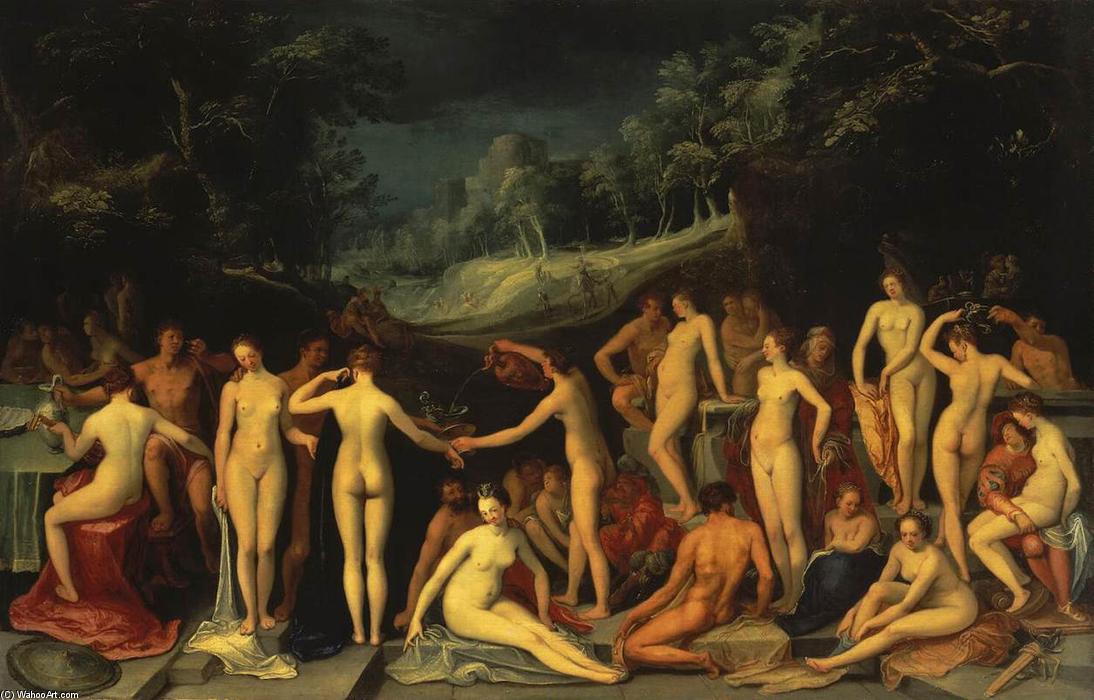
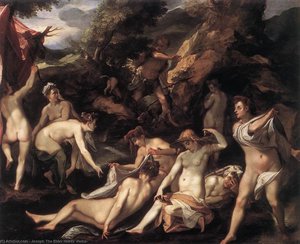
Garden of Love
 Oil On Canvas
- WallArt
- Northern Mannerism
 1602
1602- Early Modern
 45.0 x 70.0 cm
 Hermitage Museum
 Pročitaj više
Ručno rađena uljana reprodukcija
Ručno oslikano uljanim bojama na platnu u dimenzijama i okviru po vašem izboru, izrađeno po porudžbini od strane naših umetnika. ( Kupi print Kupi digitalnu sliku)




P118B $10

P118H $10

P118W $10

P438Z $10

P508JH $12

P508YH $12

P805H $10

P805Z $10

P919BZ $10

P919G $10

P919XJ $10

P959ZH $10

P968JZ $12

W106C $8

W218G $10

W218JH $8

W218Y $10

W307PJ $10

W316G $10

W316PJ $8

W316Y $10

W398PJ $8

W4111J $10

W500HY $15

W500JH $15

W692G $12

W849H $8

W940BG $15

W953PJ $8




Izaberite jednu od naših unapred definisanih veličina koje odgovaraju originalnim proporcijama umetničkog dela.

Можете унети сопствене димензије како бисте прилагодили дело одређеном оквиру или простору. Ако одабрана величина не одговара пропорцијама оригинала, слика ће бити исечена или проширена додатним елементима који се ручно насликавају. Дигитални prikaz ће вам бити послат на одобрење пре почетка производње.
Имајте на уму да преглед на екрану не одражава стварно исецање или проширење. Само приказ (mockup) ће тачно приказати коначну композицију.
Иако су доступне прилагођене величине, препоручујемо да одаберете димензију из дефинисане листе како бисте сачували оригиналне пропорције.
Nakon narudžbine, tim ArtsDot.com će klijentu putem e-pošte poslati uputstva i dostaviti prikaz predloženog rešenja
Isporuka širom sveta () za 3/4 nedelje umesto uobičajenih 5 nedelja. (6 септембар). Bez kompromisa po pitanju kvaliteta.

Besplatna ekspresna dostava širom sveta

Visokokvalitetno laneno platno

Kompletno osiguranje transporta

Garancija povraćaja carine i uvoznih dažbina

Garancija vernosti boja

Politika povrata u roku od 60 dana (samo u slučaju nedostataka)

Garancija povrata novca od 100%

Popust pri grupnoj kupovini
 Opcija sa staklom dostupna je samo za dimenzije manje od 110 cm

Garden of Love
Tehnika reprodukcije
Dimenzije reprodukcije
-


Konačna cena
$ 263
A Vision of Serenity: The Enchanted World of Karel van Mander
In the delicate interplay of light and shadow within "Garden of Love," we are transported to a realm where the boundaries between reality and myth dissolve. Painted in 1602, this exquisite oil on canvas by the Flemish master Karel van Mander serves as a breathtaking window into the Northern Mannerist tradition. The scene unfolds within a lush, verdant sanctuary, where a group of nude figures resides in a state of eternal grace. As the eye wanders through the dense foliage and soft, dappled sunlight, one feels an immediate sense of tranquility, as if stumbling upon a secret, sacred grove hidden from the passage of time. The composition is masterfully orchestrated, drawing the viewer into a semi-circle of intimacy that surrounds a central figure, whose poised presence anchors the entire narrative.
The technique employed by Van Mander is nothing short of virtuosic, showcasing the meticulous attention to detail that defines the transition from Mannerism toward the burgeoning realism of the Dutch Golden Age. Each brushstroke contributes to a rich tapestry of textures; one can almost feel the coolness of the leaves, the softness of skin, and the subtle weight of the atmosphere. The artist utilizes a harmonious palette of earth tones, deep greens, and ethereal blues to create a sense of profound depth. This careful use of color does more than just depict nature; it evokes an emotional resonance, suggesting the quiet pulse of life within the garden. For the discerning collector or interior designer, such detail ensures that the painting remains a captivating focal point, offering new discoveries with every glance.
Symbolism and the Northern Mannerist Spirit
Beyond its aesthetic splendor, "Garden of Love" is steeped in the symbolic language of the late 16th and early 17th centuries. The arrangement of the figures—engaged in quiet, contemplative activities—suggests a classical allegory of fertility, desire, and the harmonious union between humanity and the natural world. Van Mander, having been deeply influenced by his time in Rome and his encounters with Italian masters, infuses this Northern landscape with a classical elegance. The elongated forms and dramatic, yet soft, lighting are hallmarks of the Mannerist style, designed to evoke wonder and intellectual curiosity. The garden itself acts as a metaphor for a state of innocence and the flourishing of the soul, making the work not merely a decorative piece, but a profound meditation on existence.
For those looking to bring a sense of historical prestige and emotional depth into a living space, this reproduction offers an unparalleled opportunity. It is a piece that speaks to the sophisticated palate, bridging the gap between the grandeur of the Renaissance and the intimate realism of the Dutch masters. Whether placed in a sunlit study or a grand salon, "Garden of Love" invites conversation, inspires reflection, and provides a timeless connection to the golden era of European art history.
Srodna umetnička dela


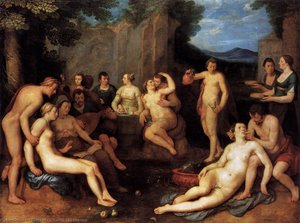
Biografija umetnika
Early Life and Training
- Born: Mellebeke, Belgium (1548)
- Died: 1606
- Karel van Mander was born into a noble family in Meulebeke, County of Flanders.
- He received his early artistic training under Lucas de Heere in Ghent (1568-1569) and subsequently with Pieter Vlerick in Kortrijk.
- Early on, he also engaged in writing religious plays and designing scenery for them.
Travels and Artistic Development
- Rome (1574-1577): Van Mander spent three years in Rome, where he encountered classical art and developed his artistic style. The biographical sketch mentions him as the "discoverer of caves," possibly referring to the catacombs.
- Vienna: During a return journey from Italy, he collaborated with Bartholomeus Spranger and Hans Mont on creating a triumphal arch for Emperor Rudolf II's royal entry. This experience exposed him further to Mannerist influences.
Settlement in Haarlem and Artistic Leadership
- Haarlem (1583): Due to religious troubles and the plague, Van Mander settled in Haarlem, Dutch Republic.
- City Art Inventory: He was commissioned by the city fathers of Haarlem to inventory confiscated Catholic art after the Satisfactie van Haarlem. This work formed a basis for his later writings.
- Founder of an Academy: Together with Hubertus Goltzius and Cornelis van Haarlem, he founded an "academy to study after life," which fostered artistic discussion and possibly included drawing classes.
The *Schilder-boeck* and Art Historical Significance
- Major Work: Van Mander is primarily remembered for his *Schilder-boeck* (Book of Painters), a biographical dictionary of Early Netherlandish and Northern Renaissance artists.
- Influence on Mannerism: His dissemination of drawings by Bartholomeus Spranger, through engravings by Hubertus Goltzius, significantly contributed to the spread of Northern Mannerism in the Dutch Republic.
- Art Theorist: He played a crucial role in art theorization during the 16th century, emphasizing style and cultivated elegance over naturalism. His theories promoted exaggerated musculature, dramatic scenes, and rich detail.
Legacy and Artistic Style
- Northern Mannerism Pioneer: Karel van Mander is considered a key figure in the development of Northern Mannerism.
- Influence on Dutch Art: He significantly influenced artists in Haarlem and beyond, shaping the artistic landscape of the Dutch Republic.
- Artistic Characteristics: His own paintings often featured historical allegories characterized by a strong awareness of style, cultivated elegance, and a preference for dramatic compositions.
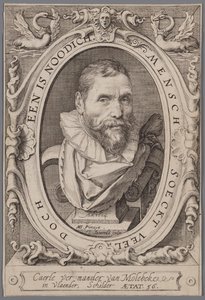
Karel van Mander
1548 - 1606 , Belgium
Osnovne informacije
- Artistic Movement Or Style: Northern Mannerism
- Artists Or Movements Influenced By This Artist:
- Hendrick Goltzius
- Cornelis van Haarlem
- Artists Who Influenced This Artist:
- Lucas de Heere
- Pieter Vlerick
- Bartholomeus Spranger
- Date Of Birth: May 1548
- Date Of Death: September 2, 1606
- Full Name: Karel van Mander
- Nationality: Flemish
- Notable Artworks:
- Diana and Actaeon
- Allegory of Nature
- Garden of Love
- Before the Flood
- Place Of Birth: Meulebeke, Belgium
Povezani članci

Rembrandt van Rijn: 25 Majstorstava Svetla i Senke za Vaš Dom | ArtsDot
Uronite u svet Rembrandta van Rijna! Otkrijte 25 najlepših dela holandskog majstora – portrete, istorijske scene i biblijska platna. Kvalitetne reprodukcije slika za dekoraciju enterijera dostupne na ArtsDot.com.
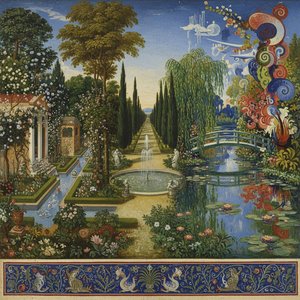
Cultivating Paradise: A Historical & Artistic Exploration of Gardens in Painting
Explore the rich history of gardens in painting! Discover masterpieces from Renaissance to Impressionism & beyond. Learn about symbolism, artists like Monet & Klimt, and find your perfect artwork at ArtsDot.

Early Netherlandish Masters: 10 Paintings That Revolutionized Art & Decor
Journey into the world of Early Netherlandish painting! Explore 10 masterpieces by Jan van Eyck, Rogier van der Weyden & more. Discover stunning detail, symbolism & Renaissance art for your home decor. Find museum-quality reproductions on ArtsDot.com

Early Netherlandish Masters: 10 Paintings That Revolutionized Art & Decor
Journey into the Early Netherlandish Renaissance! Explore 10 iconic paintings by Jan van Eyck, Rogier van der Weyden & more. Discover stunning detail, symbolism, and oil painting techniques. Find museum-quality art reproductions for your home at ArtsDot.com.
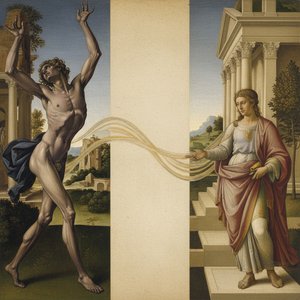
Maerten van Heemskerck: Bridging Mannerism & Renaissance Ideals
Explore the captivating world of Maerten van Heemskerck, a pivotal Dutch Renaissance painter bridging Mannerism & Italian influence. Discover his masterpieces and legacy with ArtsDot.

