

 Pregledaj u prostoru
 Pošalji
 Podeli
 Detalji o delu

 Преузми
 Slični predmeti
 Rendgenski snimak
 Slajdovi
 Stats
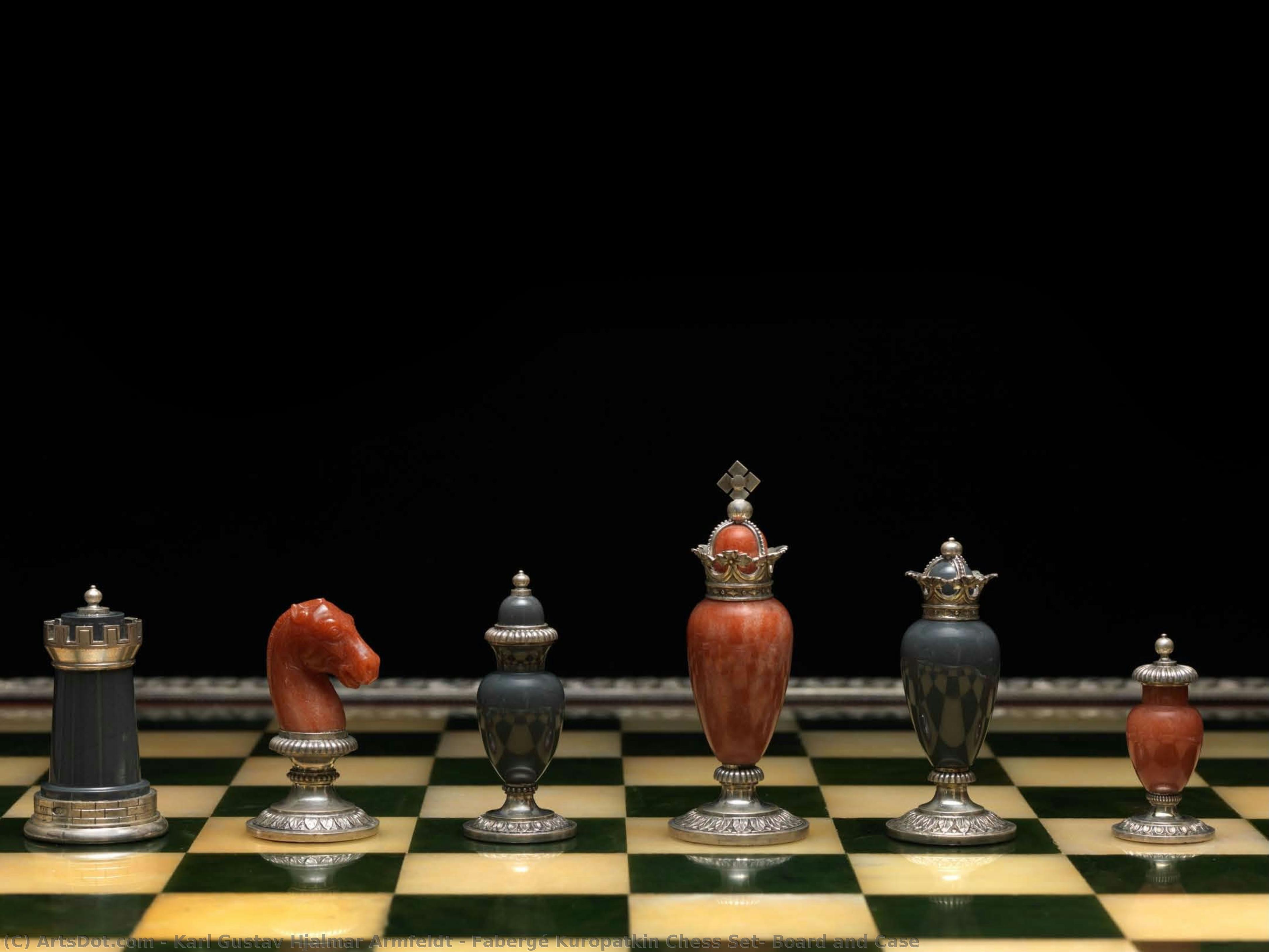
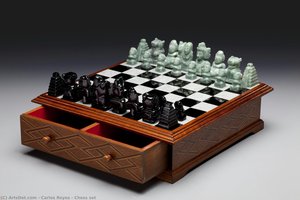
StatsFabergé Kuropatkin Chess Set, Board and Case


 Pročitaj više
Ručno rađena uljana reprodukcija
Ručno oslikano uljanim bojama na platnu u dimenzijama i okviru po vašem izboru, izrađeno po porudžbini od strane naših umetnika. ( Switch to Print Switch to Digital Image)




































Izaberite jednu od naših unapred definisanih veličina koje odgovaraju originalnim proporcijama umetničkog dela.

Можете унети сопствене димензије како бисте прилагодили дело одређеном оквиру или простору. Ако одабрана величина не одговара пропорцијама оригинала, слика ће бити исечена или проширена додатним елементима који се ручно насликавају. Дигитални prikaz ће вам бити послат на одобрење пре почетка производње.
Имајте на уму да преглед на екрану не одражава стварно исецање или проширење. Само приказ (mockup) ће тачно приказати коначну композицију.
Иако су доступне прилагођене величине, препоручујемо да одаберете димензију из дефинисане листе како бисте сачували оригиналне пропорције.
Nakon narudžbine, tim ArtsDot.com će klijentu putem e-pošte poslati uputstva i dostaviti prikaz predloženog rešenja
Isporuka širom sveta () za 3/4 nedelje umesto uobičajenih 5 nedelja. (8 септембар). Bez kompromisa po pitanju kvaliteta.

Besplatna ekspresna dostava širom sveta

Visokokvalitetno laneno platno

Kompletno osiguranje transporta

Garancija povraćaja carine i uvoznih dažbina

Garancija vernosti boja

Politika povraćaja u roku od 100 dana (isključivo u slučaju nedostataka)

Garancija povrata novca od 100%

Popust pri grupnoj kupovini
 Opcija sa staklom dostupna je samo za dimenzije manje od 110 cm

Fabergé Kuropatkin Chess Set, Board and Case
Tehnika reprodukcije
Dimenzije reprodukcije
-


Konačna cena
$ 263
Srodna umetnička dela






Biografija umetnika
Karl Gustav Hjalmar Armfeldt: A Life in Silver
Karl Gustav (Gustav) Hjalmar Armfeldt (also spelled Armfelt; April 6, 1873 – July 7, 1959) was a renowned Finnish silversmith and Fabergé workmaster. His life spanned a period of significant artistic and political change, leaving behind a legacy of exquisite craftsmanship.
Early Life and Apprenticeship
Born in Artjärvi, Finland, Armfeldt began his journey into the world of silverwork at a young age. In 1886, at just thirteen years old, he was apprenticed to the esteemed Finnish silversmith Paul Sohlman in St. Petersburg. This apprenticeship, lasting until 1904, proved foundational to his development as an artist.
Training and Early Career
- He became a journeyman in 1891.
- Armfeldt dedicated five years (1894) to formal art school training, honing his skills and artistic vision.
- In 1895, he began working as a workmaster for Fabergé, adopting the mark ЯА to identify his creations.
Work with Fabergé
Armfeldt’s association with Fabergé was pivotal in establishing his reputation. He worked closely under silversmith Antti (Anders) Nevalainen, becoming his closest assistant in 1901. His talent and dedication led to him achieving master status in 1904, granting him the exclusive opportunity to purchase the workshop of Johan Victor Aarne.
During his time with Fabergé (until 1916), Armfeldt produced a diverse range of objects, including:
- Tiny gem-set frames
- Silver-mounted birchwood frames
- Hardstone frames
- Gem-set enameled gold articles
- Silver figures on hardstone bases
His work often mirrored the styles of artists like Johan Viktor Aarne, demonstrating his versatility and skill in adapting to different design aesthetics.
Later Career and Return to Finland
In 1920, Armfeldt returned to Finland, marking a shift in his career path. He held several significant positions:
- From 1922, he worked at Oy Taito Ab in Helsinki.
- Between 1925 and 1937, he served as a technical director and designer at Kultakeskus Oy.
- He contributed his expertise to Kunniamerkkikeskus from 1940.
- Finally, he worked at Hopeatakomo from 1945 until his death.
Artistic Style and Influences
Armfeldt’s style is characterized by a blend of traditional silversmithing techniques with the elegance of Art Nouveau. His work demonstrates meticulous attention to detail, a refined aesthetic sensibility, and a mastery of materials like silver, gold, gemstones, and hardstones. He was heavily influenced by his mentors, Paul Sohlman and Antti Nevalainen, as well as the prevailing artistic trends of the time.
Major Achievements & Historical Significance
Armfeldt’s most significant achievement lies in his contributions to Fabergé's legacy. His work embodies the opulence and artistry associated with the firm during its golden age. He played a crucial role in creating objects for the Russian Imperial Court and other prominent clients.
His later career in Finland helped establish and develop Finnish silverwork traditions, contributing to the country’s artistic identity. While not as widely recognized as some of his contemporaries, Armfeldt's skill and dedication ensured his place among the leading silversmiths of his era.
Death and Legacy
Karl Gustav Hjalmar Armfeldt passed away on July 7, 1959. His legacy lives on through the exquisite objects he created, which continue to be admired by collectors and art enthusiasts worldwide. He remains a significant figure in the history of both Finnish and Russian decorative arts.
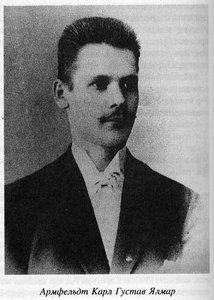
karl gustav hjalmar armfeldt
1873 - 1959 , Finland
Osnovne informacije
- Birth Date: April 6, 1873
- Birth Place: Artjärvi, Finland
- Death Date: July 7, 1959
- Influenced By: Paul Sohlman, Antti Nevalainen
- Movement: Art Nouveau
- Name: Karl Gustav Hjalmar Armfeldt
- Nationality: Finnish
- Notable Works: Fabergé Kuropatkin Chess Set