

 Pregledaj u prostoru
 Pošalji
 Podeli
 Detalji o delu

 Преузми
 Slični predmeti
 Rendgenski snimak
 Slajdovi
 Statistika
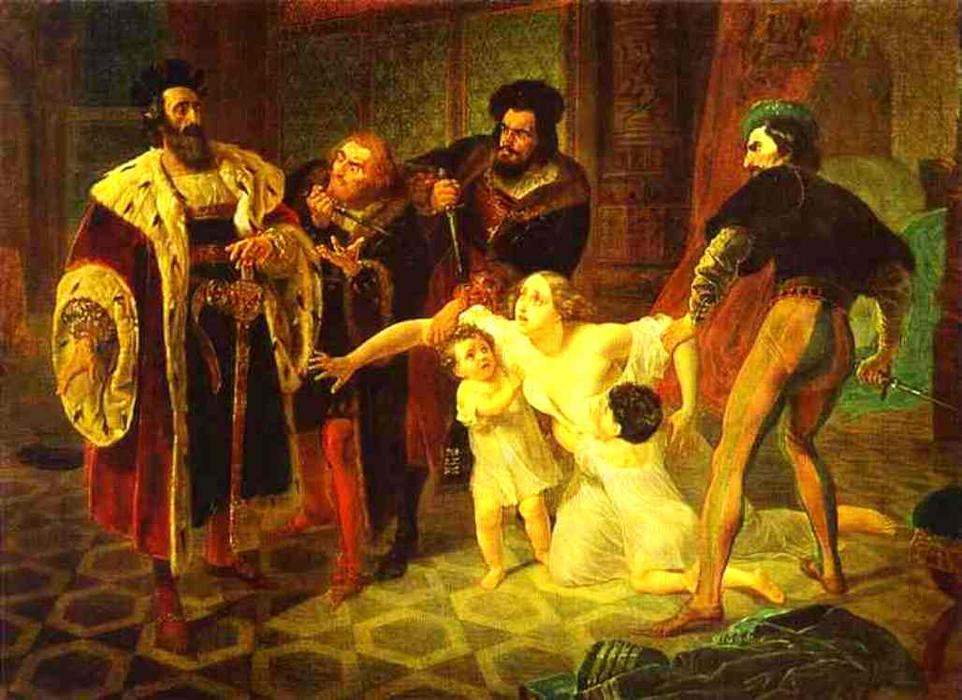
Death of Inessa de Castro, Morganatic Wife of Portuguese Infant Don Pedro


 Pročitaj više
Ručno rađena uljana reprodukcija
Ručno oslikano uljanim bojama na platnu u dimenzijama i okviru po vašem izboru, izrađeno po porudžbini od strane naših umetnika. ( Pređi na štampu Pređi na digitalnu sliku)




P118B $10

P118H $10

P118W $10

P438Z $10

P508JH $12

P508YH $12

P805H $10

P805Z $10

P919BZ $10

P919G $10

P919XJ $10

P959ZH $10

P968JZ $12

W106C $8

W218G $10

W218JH $8

W218Y $10

W307PJ $10

W316G $10

W316PJ $8

W316Y $10

W398PJ $8

W4111J $10

W500HY $15

W500JH $15

W692G $12

W849H $8

W940BG $15

W953PJ $8




Izaberite jednu od naših unapred definisanih veličina koje odgovaraju originalnim proporcijama umetničkog dela.

Можете унети сопствене димензије како бисте прилагодили дело одређеном оквиру или простору. Ако одабрана величина не одговара пропорцијама оригинала, слика ће бити исечена или проширена додатним елементима који се ручно насликавају. Дигитални prikaz ће вам бити послат на одобрење пре почетка производње.
Имајте на уму да преглед на екрану не одражава стварно исецање или проширење. Само приказ (mockup) ће тачно приказати коначну композицију.
Иако су доступне прилагођене величине, препоручујемо да одаберете димензију из дефинисане листе како бисте сачували оригиналне пропорције.
Nakon narudžbine, tim ArtsDot.com će klijentu putem e-pošte poslati uputstva i dostaviti prikaz predloženog rešenja
Isporuka širom sveta () za 3/4 nedelje umesto uobičajenih 5 nedelja. (8 септембар). Bez kompromisa po pitanju kvaliteta.

Besplatna ekspresna dostava širom sveta

Visokokvalitetno laneno platno

Kompletno osiguranje transporta

Garancija povraćaja carine i uvoznih dažbina

Garancija vernosti boja

Politika povraćaja u roku od 100 dana (isključivo u slučaju nedostataka)

Garancija povrata novca od 100%

Popust pri grupnoj kupovini
 Opcija sa staklom dostupna je samo za dimenzije manje od 110 cm

Death of Inessa de Castro, Morganatic Wife of Portuguese Infant Don Pedro
Tehnika reprodukcije
Dimenzije reprodukcije
-


Konačna cena
$ 263
A Tragedy in Oil: The Heartbreaking Legacy of Inessa de Castro
In the grand tapestry of Romanticism, few works capture the raw, visceral intersection of personal tragedy and political upheaval as profoundly as Karl Pavlovich Bryullov’s 1834 masterpiece, Death of Inessa de Castro, Morganatic Wife of Portuguese Infant Don Pedro. This oil on canvas is not merely a depiction of a historical event; it is an immersive descent into a moment of profound sorrow. The painting transports the viewer to a scene of high drama, where the air feels heavy with the weight of lost love and the cold steel of political vengeance. As we gaze upon the central figure, the dying Inessa de Serão Pessanha, we are drawn into a narrative that transcends time, making it an irresistible centerpiece for any collection dedicated to the power of historical storytelling.
The composition is a masterclass in emotional orchestration. Bryullov expertly arranges his figures to guide the eye through a landscape of grief. At the heart of the canvas lies Inessa, her pale, lifeless form resting against the lap of a mourner, creating a focal point of stillness amidst a surrounding storm of movement. The presence of men clad in armor, some clutching swords that glint with a menacing light, serves as a stark reminder of the violence that precipitated this tragedy. A figure wearing a crown stands amongst the throng, embodying the cold, unyielding nature of authority and the political machinations that often crush individual happiness. This tension between the intimate agony of death and the rigid structures of power is what gives the work its enduring, haunting resonance.
Mastery of Light and Shadow: The Technique of Bryullov
To behold this painting is to witness the brilliance of chiaroscuro executed at its most evocative. Bryullov, deeply influenced by the dramatic lighting of Caravaggio and the anatomical precision of the Italian masters, utilizes extreme contrasts between light and dark to sculpt the figures within the frame. The shadows are not merely absences of light but are deep, velvety voids that swallow the periphery, forcing the viewer’s attention onto the illuminated tragedy in the foreground. This technique lends a sculptural volume to the bodies, making the limp limbs and the folds of heavy fabrics feel tangibly real.
The artist's brushwork further enhances the emotional temperature of the piece. There is a meticulous attention to detail—from the subtle, sorrowful expressions etched into the faces of the onlookers to the way light catches the edge of a blade or the sheen of a royal garment. For the discerning collector or interior designer, these technical nuances offer a rich visual texture that changes with the lighting of a room. A high-quality reproduction of this work allows one to appreciate these subtle gradations of tone, bringing a sense of classical depth and academic rigor to a modern living space or a curated gallery wall.
A Timeless Addition to the Sophisticated Interior
Beyond its historical significance, The Death of Inessa de Castro serves as a profound statement piece for those who appreciate art that provokes thought and conversation. It is a work that demands attention, offering a window into the Romantic era's obsession with the sublime—the beauty found within terror and sadness. For an interior designer, this painting provides a dramatic anchor for a room, pairing exquisitely with classical furniture, rich velvets, and dark wood tones to create an atmosphere of old-world elegance and intellectual depth.
Owning a reproduction of such a monumental work is an opportunity to invite the spirit of the 19th-century Russian Academy into one's home. It is more than decoration; it is an engagement with history, a tribute to the skill of Karl Pavlovich Bryullov, and a permanent reminder of the enduring human capacity for passion and loss. Whether placed in a study, a formal dining room, or a grand hallway, this painting continues to breathe life into its surroundings, offering a timeless elegance that remains as captivating today as it was in 1834.
Srodna umetnička dela


Biografija umetnika
Карл Павлович Брулов: Живот у духу романтизма
Карл Павлович Брулов (рођен као Карл Бриуло) рођен је 23. децембра 1799. године у Санкт Петербургу, Русија. Његов отац, Павел Иванович Бриуло, био је академик, дрворезбар и гравер пореклом из Хугенота, који је у младог Карла усадио љубав према уметности. Бруловљев уметнички пут започео је под очинском вођством, пре него што се званично уписао на Царску школу за уметност у Санкт Петербургу 1809. године.
Рани развој и утицаји
Иако је школовао у класичном оквиру, Брулов никада није прихватио његове строге границе. Осећао је снажну привлачност ка Италији од раног узраста, а његов уметнички развој значајно су обликовали италијански ренесансни мајстори. Његово дело показује утицаје сликара као што су Рафаел, Микеланђело и Каравађо, посебно у њиховој драматичној употреби светлости и сенке и мајсторству анатомије.
- Истакао се као надарени студент, показујући маштовитост током школовања.
- Након завршених студија, преселио се у Рим 1821. године, где је провео више од деценије усавршавајући своје вештине.
Пробој и значајна дела
Бруловљев пробој дошао је са сликом “Последњи дан Помпеја” (1830-1833), монументалним историјским платном које га је катапултирало у међународну славу. Дело, које приказује хаотичну ерупцију планине Везув, било је хваљено за своју драматичну композицију, емоционални интензитет и техничку бриљијантност. Изазвало је огромно дивљење савременика као што су Пушкин и Гогољ.
- “Убиство цара” (1827) – рани рад који демонстрира његову вештину у историјској нарацији.
- “Одбрана светог гроба” (1846) - показује Бруловљеву способност да балансира емоције и историјску прецизност.
- "Принцеза Јулија Павловна Самойлова напушта бал са усвојеном ћерком Амачилијом Пачини" (1832) – запањујући пример његових портретских вештина.
- “Упада Гизериха у Рим” (1835) - још једна драматична историјска сцена која показује барокни утицај.
Каријера и каснији живот
Након успеха "Последњег дана Помпеја", Брулов се тријумфално вратио у Русију, обезбедивши престижну позицију на Царској академији за уметност 1836. године. Служио је као професор тамо до 1848. године, утичући на генерације руских уметника.
- Развио је карактеристичан портретни стил који спаја неокласичну једноставност са романтичном осетљивошћу.
- Његово здравље се погоршало док је радио на плафону Саборне цркве Светог Исака.
- 1849. године, тражећи побољшање здравља, напустио је Русију за Мадеиру и коначно се настанио у близини Рима, Италије.
Историјски значај и наслеђе
Карл Павлович Брулов се сматра кључном фигуром руског романтизма. Његов рад је означио прелаз ка већем емоционалном изразу и драматичном приповедању унутар руске уметности. Везао је јаз између неокласичне формалности и растајућег романтичног покрета, утичући на наредне генерације уметника, укључујући Гаврила Горелова.
Бруловљево наслеђе се протеже даље од његових слика; био је цењени учитељ и заговорник уметничке иновације. Његови доприноси су учврстили његово место као једног од највећих визуелних уметника у руској историји, остављајући трајан белег на националном културном наслеђу. Преминуо је 23. јуна 1852. године у близини Рима и сахрањен је на Cimitero Acattolico.
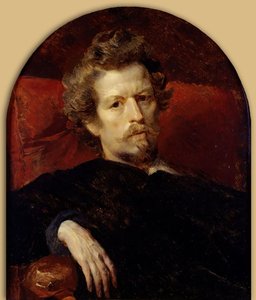
Карл Павлович Брюлов
1799 - 1852 , Русија
Osnovne informacije
- Datum Rođenja: 23. decembar 1799.
- Datum Smrti: 23. jun 1852.
- Mesto Rođenja: St. Petersburg, Rusija
- Nacionalnost: Rus
- Puno Ime: Karl Pavlovich Bryullov
- Umetnici Koji Su Uticali:
- Rafaelo
- Mikelandjelo
- Karavadžo
- Umetnici Pod Uticajem: ['Gavriil Gorelov']
- Umetnički Pokret: Romantizam
- Značajna Dela:
- Poslednji dan Pompeja
- Smrt cara
- Odbrana grobnice
Povezani članci
Chiaroscuro & Beyond: Mastering Dramatic Lighting in Art History
Explore the captivating world of chiaroscuro & tenebrism! Discover Caravaggio's influence, Baroque masters, and the enduring power of dramatic lighting in art history. Learn about these techniques with ArtsDot.

About Us
Discover our story! We bring world-class art into your life through expert curation, personalized creations, and free previews. Trusted by individuals and businesses since 2000.

Francisco Goya: 25 Remek-dela Španskog Majstora za Vaš Dom | ArtsDot
Istražite 25 remek-dela Francisca Goya, španskog slikara romantizma i impresionizma. Portreti, tamne slike & istorija umetnosti na ArtsDot.com! Kupite reprodukcije slika vrhunskog kvaliteta za dekoraciju enterijera. Otkrijte celu kolekciju online.

Ovidio Murguía de Castro: Ecuadorian Modernism & Social Realism's Indigenous Voice
Explore the captivating work of Ovidio Murguía de Castro, a pivotal figure in Ecuadorian Modernism. Discover his powerful Social Realist paintings and unique portrayal of Indigenous life – a compelling investment for discerning art collectors.
Chiaroscuro & Emotional Resonance: Exploring Dramatic Light in Western Painting
Explore the captivating world of chiaroscuro & tenebrism! Discover Caravaggio's influence, Baroque masters, and the enduring power of dramatic lighting in art history. Learn about these techniques with ArtsDot.