

 Pregledaj u prostoru
 Pošalji
 Podeli
 Detalji o delu

 Преузми
 Slični predmeti
 Rendgenski snimak
 Slajdovi
 Statistika
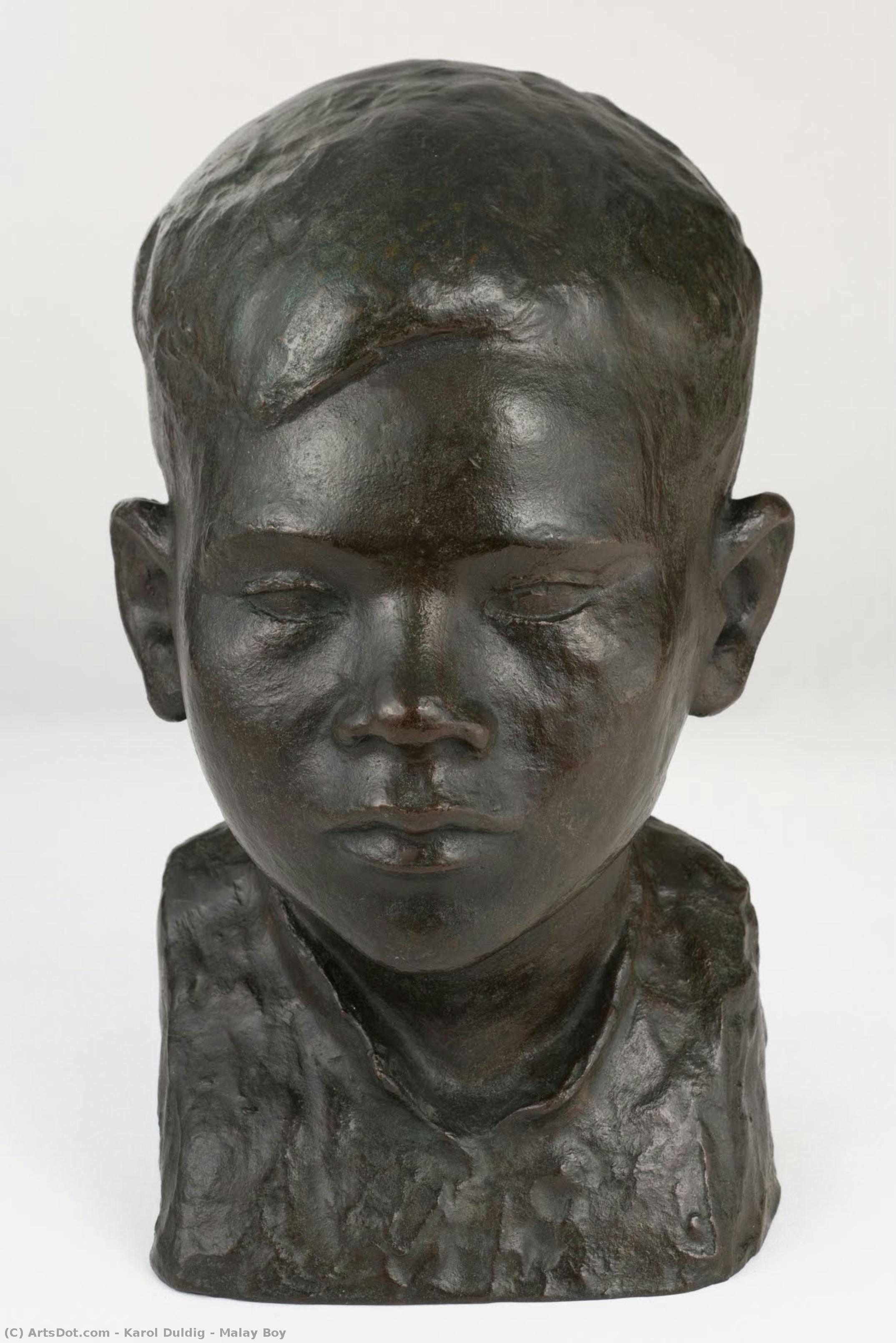
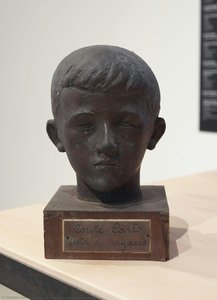
Malay Boy
 16.0 x 29.0 cm
 National Gallery Singapore
 Pročitaj više
Kupite digitalnu sliku visoke rezolucije i poboljšanog kvaliteta, koja je znatno superiornija od onoga što vidite u online prikazu.
Svaka datoteka je pedantno pripremljena od strane naših stručnjaka koristeći napredne alate i profesionalnu ručnu retušu. Osiguravamo da svaka slika ima izuzetnu oštrinu, preciznu reprodukciju boja i fine detalje.
Konačna datoteka se dostavlja putem e-pošte u roku od 72 sata, optimizovana za neposrednu upotrebu u profesionalnim, izdavačkim i štamparskim okruženjima. To je isti kvalitet kojem veruju vrhunski studiji dizajna, izdavači i galerije.
Digitalna slika
Preuzmite datoteku visoke rezolucije za ličnu upotrebu, štampanje i kreativne projekte. ( Pređi na štampu Kupi ručno naslikanu sliku)
Uključeno uz svaku porudžbinu digitalne slike
Profesionalna digitalna isporuka, zagarantovana
Kada odaberete ArtsDot.com, ne dobijate samo sliku – vi primate profesionalno unapređeno digitalno umetničko delo, izrađeno sa najvećom preciznošću i uz garanciju zadovoljstva. Evo svega što automatski dolazi uz vašu porudžbinu:

Brza dostava putem e-pošte
Vaša digitalna slika visoke rezolucije biće vam poslata putem e-pošte u roku od 72 sata od poručivanja – spremna za trenutnu upotrebu.

Digitalna datoteka unapređena veštačkom inteligencijom
Vaše umetničko delo je profesionalno optimizovano korišćenjem naprednih AI alata i ručne obrade, čime se osiguravaju maksimalni detalji, oštrina i preciznost boja.

Besplatna ponovna isporuka doživotno
Slučajno ste obrisali ili izgubili svoju datoteku? Ne brinite – poslaćemo vam je ponovo u bilo kom trenutku, potpuno besplatno.

Bez troškova uvoza – zauvek
Uživajte u svojim umetničkim delima trenutno, bez carine, dažbina ili troškova dostave – digitalni download je uvek bez poreza.

Garancija vernosti boja
Uz pomoć profesionalnih alata i upravljanja bojama, osiguravamo da vaša digitalna slika što vernije odražava originalne boje.

Garancija zadovoljstva od 100 dana
Ako niste zadovoljni svojom digitalnom slikom, izvršićemo reviziju ili ćemo vam vratiti 100% novca u roku od 100 dana – bez ikakvih pitanja.

100% garancija povrata novca
Niste zadovoljni? Dobijte puni povraćaj novca u roku od 100 dana od prijema digitalne datoteke – bez suvišnih pitanja.

Popusti na velike porudžbine
Kupite 3 slike, uštedite 10% - Kupite 5 slika, uštedite 15% - Kupite 10+ slika, uštedite 20%. Odlično za kreativne projekte, galerije i agencije.
Srodna umetnička dela






Biografija umetnika
Karol Duldig: A Sculptor Forged in Exile
Karol (later Karol) Duldig, born in Przemyśl, Poland, in 1902, was a profoundly shaped artist whose life and work became inextricably linked to the tumultuous events of the 20th century. His early years, steeped in the cultural richness of Galicia under Austro-Hungarian rule, provided a foundation for his artistic sensibilities – a blend of classical training and burgeoning modernist ideas. However, it was the shadow of rising fascism that irrevocably altered the course of his life, transforming him from a promising young sculptor into an exile, a refugee, and ultimately, a significant contributor to Australian art history. His story is not merely one of artistic achievement; it’s a poignant testament to resilience, displacement, and the enduring power of creativity in the face of unimaginable adversity.Early Life and Artistic Training
Duldig's childhood in Przemyśl instilled a deep appreciation for both tradition and innovation. He received his initial artistic training at the Kunstgewerbeschule in Vienna, Austria, where he honed his skills under Anton Hanak, a respected figure in Viennese sculpture. This early education exposed him to the established techniques of classical sculpting while simultaneously introducing him to the emerging currents of modernism – a shift that would profoundly influence his later work. Beyond formal training, Duldig’s life was punctuated by athletic pursuits; he excelled as a table tennis player and goalkeeper for Hakoah Vienna, demonstrating a competitive spirit and an appreciation for physical prowess—qualities that arguably informed his approach to sculpting, seeking balance and dynamism in his forms. Notably, he married Slawa Horowitz in 1931, a fellow artist whose inventive mind contributed significantly to their shared creative endeavors, most notably her patented compact umbrella.The Shadow of War and Displacement
The Anschluss of Austria in 1938 cast a long and ominous shadow over Duldig’s life. As a Jew living under increasingly oppressive Nazi rule, he, his wife, and their young daughter, Eva, faced an uncertain future. Driven by the threat of persecution, they fled Vienna, first seeking refuge in Switzerland before ultimately embarking on a perilous journey to Singapore in 1939. This relocation was not merely a change of scenery; it was a desperate attempt to evade the horrors of the Holocaust and establish a new life. However, their arrival in Singapore was short-lived. Due to their German identity papers, they were classified as enemy aliens by the British colonial authorities and subsequently deported to Australia in 1940.Internment and Artistic Rebirth in Australia
The Australian internment camps of World War II presented a stark contrast to the artistic freedoms Duldig had once enjoyed. He, his wife, and daughter were incarcerated at Tatura Internment Camp, enduring two years of isolation and hardship. Despite these challenging circumstances, Duldig continued to sculpt, utilizing available materials and demonstrating an unwavering commitment to his craft. Following their release from internment, he established a studio in St Kilda and East Malvern, gradually rebuilding his life and career. Australia offered him a chance for renewal, and he quickly integrated into the local art scene, becoming a respected figure known for his minimalist style and his ability to introduce Modernist principles to an Australian audience. He became a prominent art master at Mentone Grammar School, nurturing young talent and shaping the next generation of artists.Sculptural Style and Legacy
Duldig’s sculptural work is characterized by its clean lines, geometric forms, and a deliberate rejection of excessive ornamentation— hallmarks of Modernism. He often employed materials such as stone, wood, clay, and bronze, skillfully manipulating them to create evocative and emotionally resonant pieces. His most notable works include the “Malay Boy” (a poignant depiction of a young boy), numerous memorials, and public art installations. His commitment to social causes is evident in his creation of the Hakoah Monument in Tel Aviv, commemorating fallen sportspeople during the Holocaust—a testament to his enduring empathy and artistic integrity. Duldig’s influence extends beyond his individual creations; he established the National Gallery of Victoria's annual “Duldig Lecture” on sculpture, ensuring that his legacy as a pioneer of Modernism in Australia would continue to inspire artists for generations to come. His work stands as a powerful reminder of the human spirit’s capacity to endure and create beauty even amidst profound suffering.
karol duldig
1902 - 1986 , Poland
Kratke činjenice
- Artistic Movement Or Style: Modernist, Minimalist
- Artists Or Movements Influenced By This Artist: ['Hanak']
- Artists Who Influenced This Artist: ['Anton Hanak']
- Date Of Birth: 29 December 1902
- Date Of Death: 11 August 1986
- Full Name: Karl Duldig
- Nationality: Polish/Austrian/Australian
- Notable Artworks:
- Malay Boy
- Raoul Wallenberg Monument
- Place Of Birth: Przemyśl, Poland