

 Pregledaj u prostoru
 Pošalji
 Podeli
 Detalji o delu

 Преузми
 Slični predmeti
 Rendgenski snimak
 Slajdovi
 Statistika
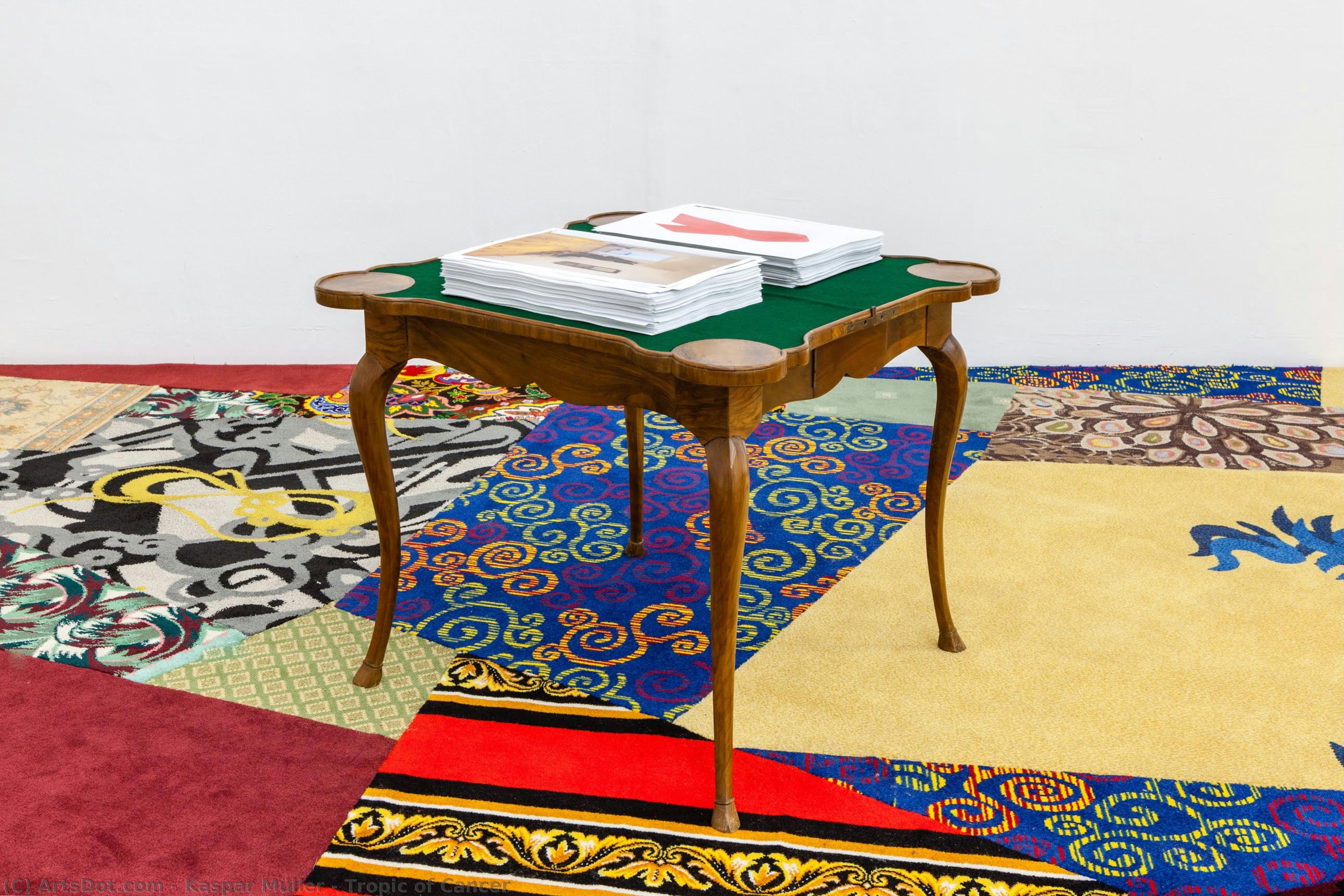
Tropic of Cancer

 Pročitaj više
Giclee štampa / Umetnički otisak
Giclée štampa ili print na platnu muzejskog kvaliteta uz brzu proizvodnju i fleksibilne opcije završne obrade. ( Kupi ručno naslikanu sliku Pređi na digitalnu sliku)




































Izaberite jednu od naših unapred definisanih veličina koje odgovaraju originalnim proporcijama umetničkog dela.

Možete uneti sopstvene dimenzije kako biste umetničko delo prilagodili specifičnom okviru ili prostoru. Ako odabrani format ne odgovara proporcijama originalne slike, mi ćemo ili iscrtati deo dela ili proširiti sliku pomoću ogledane ivice ili jednobojnog popunjavanja. Digitalni prikaz će vam biti poslat na odobrenje pre početka proizvodnje.
Imajte na umu da pregled na ekranu ne odražava stvarno iscrtavanje ili proširivanje. Samo će prikaz (mockup) precizno pokazati finalnu kompoziciju.
Iako su prilagođene dimenzije dostupne, preporučujemo da odaberete dimenziju sa unapred definisane liste kako biste očuvali originalne proporcije.
Dostava širom sveta () za 2 nedelje umesto uobičajenih 4/5 nedelja. (9 септембар)

Besplatna ekspresna dostava širom sveta

Visokokvalitetno laneno platno

Kompletno osiguranje transporta

Garancija povraćaja carine i uvoznih dažbina

Garancija vernosti boja

Politika povraćaja u roku od 100 dana (isključivo u slučaju nedostataka)

Garancija povrata novca od 100%

Popust pri grupnoj kupovini
 Opcija sa staklom dostupna je samo za dimenzije manje od 110 cm

Tropic of Cancer
Giclee štampa / Umetnički otisak
Dimenzije reprodukcije
-


Konačna cena
$ 62
Srodna umetnička dela









Biografija umetnika
Early Life and Artistic Foundations
Kaspar Müller, a Swiss artist born in Schaffhausen in 1983, operates within a compelling space between sculpture, installation, and conceptual art. His journey began with a foundation in History and Philosophy at the University of Basel, an academic grounding that profoundly shapes his artistic inquiries. This early exposure instilled a critical lens through which he examines the world—a perspective not focused on creating objects *per se*, but rather on dissecting the systems of meaning surrounding them. Müller’s formative years were also marked by co-founding Galen, an artist-run space with his siblings Flora and Emil Michael Klein in 2009, a crucial step that fostered a collaborative spirit and provided a platform for experimentation outside traditional institutional frameworks.
Transforming the Everyday: A Hieroglyphic Language
Müller’s practice is immediately recognizable by its distinctive use of everyday objects. He doesn't simply *present* these items; he transforms them, often subtly but decisively, into what have been described as “hieroglyphs.” This isn’t about literal translation, but rather a displacement of meaning. A polished stick coated in clear varnish, conical forms crafted from fabric, or carefully arranged objects on a glass table—these become signifiers, hinting at deeper interconnections within our lifestyles and the consciousness of modern existence. His work frequently incorporates mass-produced goods and interior design elements, reflecting a fascination with consumer culture and its pervasive influence. The artist’s approach is characterized by a deliberate ambiguity; he doesn't offer easy answers but instead invites viewers to actively participate in deciphering the symbolic language he constructs.
Themes of Authenticity and Artifice
A central thread running through Müller’s oeuvre is an exploration of authenticity versus artifice. He often plays with notions of originality, reproduction, and the impact of capitalist economies on our perceptions of value. His work isn't a straightforward critique of consumerism; it’s more nuanced—a questioning of how these systems shape our identities and experiences. This investigation manifests in his use of image sequences associated with everyday life, often referencing previous works and even incorporating them as materials for new creations. The artist subtly undermines the boundaries between original and copy, prompting reflection on the codes of communication within modern society. His 2013 video *forever alone and around the world*, produced through the Kadist – Kunsthalle Zürich Production Award, exemplifies this approach—a partly real, partly fictional summary of his ongoing project focused on historical urban centers like Colmar and Strasbourg.
Exhibitions and Recognition
Müller’s work has garnered increasing attention since graduating from HGK Basel in 2006. His first institutional solo exhibition, “Bias” at Kunsthaus Baselland in 2009, established him as a rising voice in contemporary art. He's exhibited extensively throughout Europe, including shows at the Green Gallery in Milwaukee and Galerie Francesca Pia in Zurich. Significant achievements include winning the Manor Kunstpreis in Schaffhausen in 2010, which supported his project *Colmar & Strasbourg*, and participation in group exhibitions such as *The Log-O-Rithmic* at GAMeC in Bergamo and *Corso Multisala* at Kunsthal Charlottenborg in Copenhagen. His work has also been featured in publications like Artnews and Emergent Magazine, further solidifying his position within the art world.
Historical Significance and Future Directions
Kaspar Müller’s contribution lies in his ability to distill complex philosophical ideas into visually arresting installations. He belongs to a generation of “post-studio artists” who challenge traditional notions of artistic production and authorship, favoring conceptual rigor over material spectacle. His work resonates with contemporary concerns about consumerism, authenticity, and the mediated nature of experience. While rooted in sculpture and installation, Müller’s practice transcends categorization—it's a form of visual inquiry that invites ongoing dialogue and reinterpretation. As he continues to explore historical urban centers and develop his unique symbolic language, Kaspar Müller is poised to make an increasingly significant impact on the landscape of contemporary art.

kaspar müller
1983 - , Switzerland
Osnovne informacije
- Artistic Movement Or Style: Contemporary installation
- Date Of Birth: 1983
- Full Name: Kaspar Müller
- Nationality: Swiss
- Place Of Birth: Schaffhausen, Switzerland