

 Pregledaj u prostoru
 Pošalji
 Podeli
 Detalji o delu

 Преузми
 Slični predmeti
 Rendgenski snimak
 Slajdovi
 Statistika
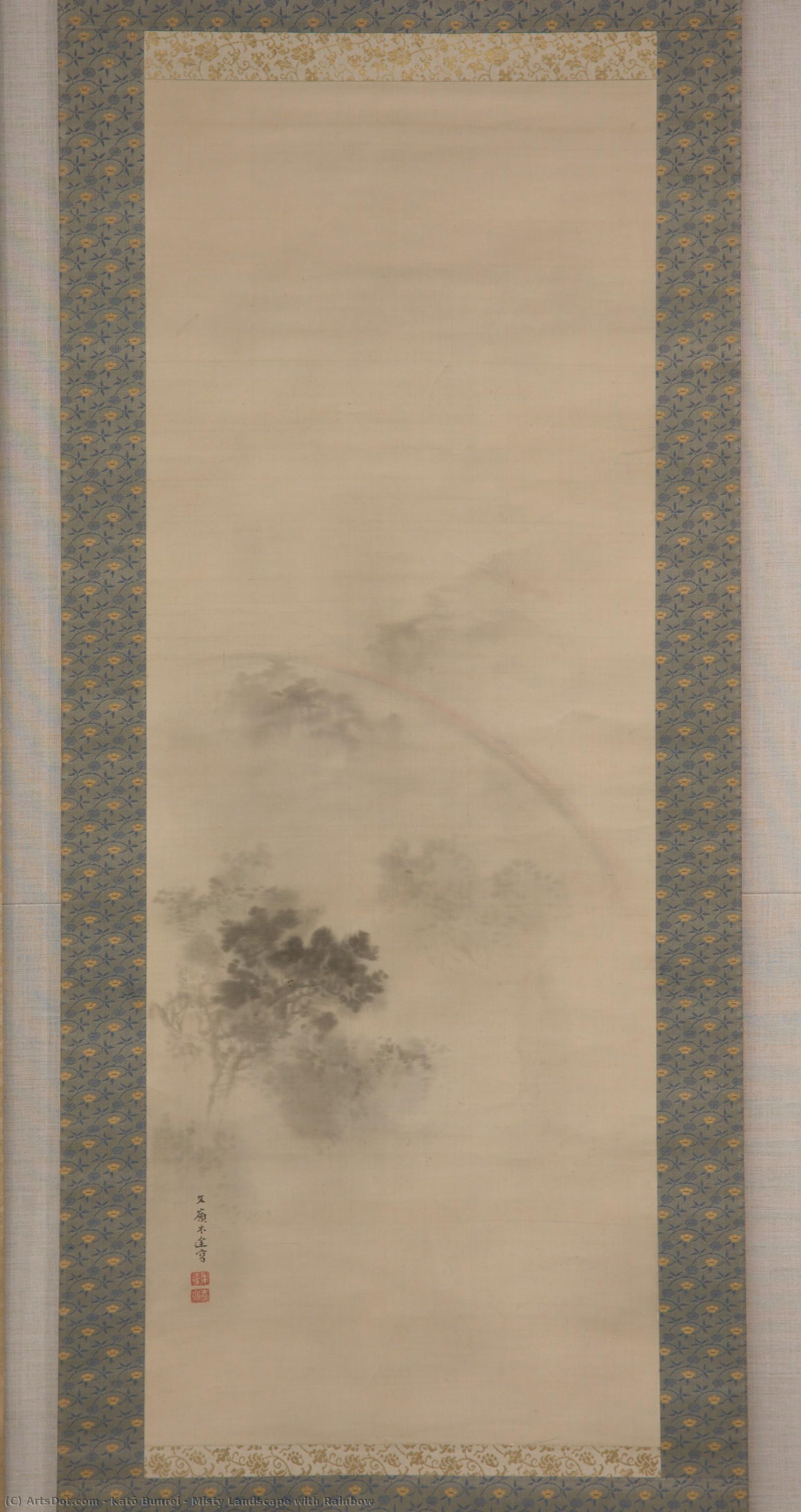
Misty Landscape with Rainbow
 Sumi-e
 97.0 x 37.0 cm
 Pročitaj više
Ručno rađena uljana reprodukcija
Ručno oslikano uljanim bojama na platnu u dimenzijama i okviru po vašem izboru, izrađeno po porudžbini od strane naših umetnika. ( Pređi na štampu Pređi na digitalnu sliku)




































Izaberite jednu od naših unapred definisanih veličina koje odgovaraju originalnim proporcijama umetničkog dela.

Можете унети сопствене димензије како бисте прилагодили дело одређеном оквиру или простору. Ако одабрана величина не одговара пропорцијама оригинала, слика ће бити исечена или проширена додатним елементима који се ручно насликавају. Дигитални prikaz ће вам бити послат на одобрење пре почетка производње.
Имајте на уму да преглед на екрану не одражава стварно исецање или проширење. Само приказ (mockup) ће тачно приказати коначну композицију.
Иако су доступне прилагођене величине, препоручујемо да одаберете димензију из дефинисане листе како бисте сачували оригиналне пропорције.
Nakon narudžbine, tim ArtsDot.com će klijentu putem e-pošte poslati uputstva i dostaviti prikaz predloženog rešenja
Isporuka širom sveta () za 3/4 nedelje umesto uobičajenih 5 nedelja. (8 септембар). Bez kompromisa po pitanju kvaliteta.

Besplatna ekspresna dostava širom sveta

Visokokvalitetno laneno platno

Kompletno osiguranje transporta

Garancija povraćaja carine i uvoznih dažbina

Garancija vernosti boja

Politika povraćaja u roku od 100 dana (isključivo u slučaju nedostataka)

Garancija povrata novca od 100%

Popust pri grupnoj kupovini
 Opcija sa staklom dostupna je samo za dimenzije manje od 110 cm

Misty Landscape with Rainbow
Tehnika reprodukcije
Dimenzije reprodukcije
-


Konačna cena
$ 263
Srodna umetnička dela


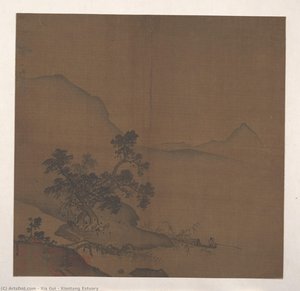
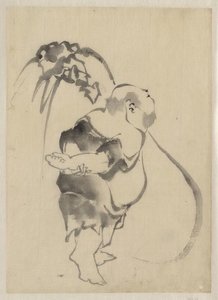
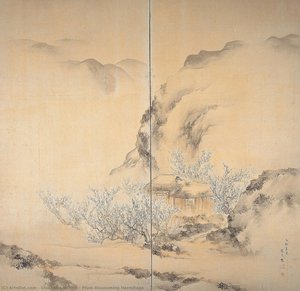
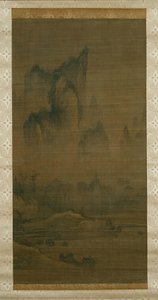
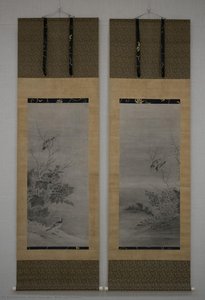
Biografija umetnika
The Poet Painter of Edo Japan
Katō Bunrei (1706–1782) stands as a singular figure in the annals of Edo period Japanese art, a master whose brush captured not merely the physical world, but the very breath of the landscape. Born Yasuto in Tokyo, he eventually adopted the artistic moniker Bunrei, a name signifying “pine spirit.” This choice was far more than a mere pseudonym; it served as a profound reflection of his personal philosophy and the recurring motif that would come to dominate his entire oeuvre. His life’s work became an enduring meditation on the resilience and spiritual essence of the pine, rendered through a lens of poetic contemplation.
The foundation of Bunrei’s mastery was laid during his formative years under the tutelage of Sessai Hiroaki, a prominent Sumi-e master. From Hiroaki, Bunrei inherited a profound appreciation for the subtle power of ink wash painting, learning to capture the ephemeral essence of nature through delicate brushstrokes and nuanced tonal variations. This training instilled in him the belief that true art lies not in the meticulous documentation of detail, but in the ability to evoke the soul of a subject through the strategic use of light, shadow, and space.
The Ethereal Mastery of Buncho Tani
Bunrei’s most significant contribution to art history resides in his pioneering exploration of buncho tani—a genre of "pine grove" landscapes that emphasizes atmospheric depth. While many of his contemporaries sought to impress viewers with intricate, highly detailed representations, Bunrei moved in a different direction. He sought to convey profound moods and deep-seated emotions through layered washes of ink, creating ethereal vistas that seemed to shimmer with the mist of dawn or the quietude of twilight. His landscapes often evoke feelings of solitude, tranquility, and spiritual reflection, inviting the viewer into a state of meditative stillness.
His technical innovation was centered on the meticulous layering of ink washes. By employing multiple shades of black and grey, Bunrei achieved a remarkable sense of depth and luminosity that felt almost three-dimensional. He possessed a rare ability to manipulate the brushstroke itself, utilizing delicate flicks and subtle gradations to convey the rough texture of bark or the soft movement of wind through needles without ever resorting to excessive or distracting detail. This understated, sophisticated approach allowed his work to breathe, leaving room for the viewer's own imagination to inhabit the misty groves he created.
Symbolism and Lasting Legacy
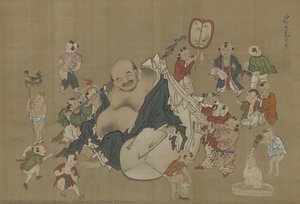
Beyond the technical brilliance of his landscapes, Bunrei’s work is deeply imbued with symbolic meaning, often bridging the gap between the natural world and spiritual truth. His celebrated masterpiece, ‘Misty Landscape with Rainbow,’ serves as a testament to his command of tonal harmony, capturing the fleeting, miraculous beauty of a rainbow emerging from the morning fog. In other works, such as ‘Hotei and Chinese Children,’ he demonstrated an ability to weave complex Buddhist concepts—such as compassion and enlightenment—into serene natural settings, using symbolic figures to ground his atmospheric landscapes in a deeper moral and spiritual context.
The legacy of Katō Bunrei is one of quiet revolution. By prioritizing the spirit of the landscape over its literal form, he helped define a specific aesthetic of atmospheric beauty that continues to resonate within the tradition of Japanese literati art. His ability to transform simple ink and paper into vast, breathing worlds ensures his place as one of the most evocative painters of the Edo period, leaving behind a body of work that remains a sanctuary for those seeking peace in the presence of nature.
katō bunrei
1706 - 1782 , Japan
Osnovne informacije
- Artistic Movement Or Style: Buncho tani
- Date Of Birth: Tokyo, Japan (1706)
- Date Of Death: 1782
- Full Name: katō bunrei
- Nationality: Japanese
- Notable Artworks:
- Misty Landscape with Rainbow
- Hotei and Chinese Children
- Poultry 02
- Place Of Birth: Tokyo
Povezani članci
Ephemeral Expressions: Exploring the Nuances of Ink on Paper Through History & Contemporary Art
Explore the captivating world of ink wash painting – from its ancient origins to contemporary masters. Discover techniques, symbolism & conservation insights with ArtsDot.com.
Serenity on Canvas: A Guide to the Timeless Beauty of Japanese Landscape Painting
Discover the serene beauty of Japanese landscape painting. From Hokusai's iconic woodblock prints to meditative sumi-e ink washes, explore a visual journey through the 'floating world' and learn how to bring this timeless Zen aesthetic into your modern home decor.

Katsushika Hokusai: 25 Remek-dela Japanskog Umetnika za Vaš Dom | ArtsDot
Uronite u svet Katsushike Hokusaija! Otkrijte 25 remek-dela japanskog umetnika, uključujući čuveni 'Veliki talas'. Ukiyo-e štampe, pejzaži i istorija iza svakog dela. Pronađite inspiraciju za dekor enterijera i kupite reprodukcije slika vrhunskog kvaliteta na ArtsDot.com.
Floating World: The Captivating Art and Legacy of Japanese Ukiyo-e
Explore the profound beauty of Japanese Ukiyo-e. Discover the history, masters like Hokusai, and the enduring legacy of the 'Floating World' through an expert art-historical lens.
The Beauty of Ink Wash: Discover Serene & Soulful Art for Your Home
Discover the tranquil beauty of ink wash painting. Explore how Sumi-e and monochrome landscapes bring Zen-inspired serenity and soulful elegance to your home decor through expert curation and timeless East Asian aesthetics.