

 Pregledaj u prostoru
 Pošalji
 Podeli
 Detalji o delu

 Преузми
 Slični predmeti
 Rendgenski snimak
 Slajdovi
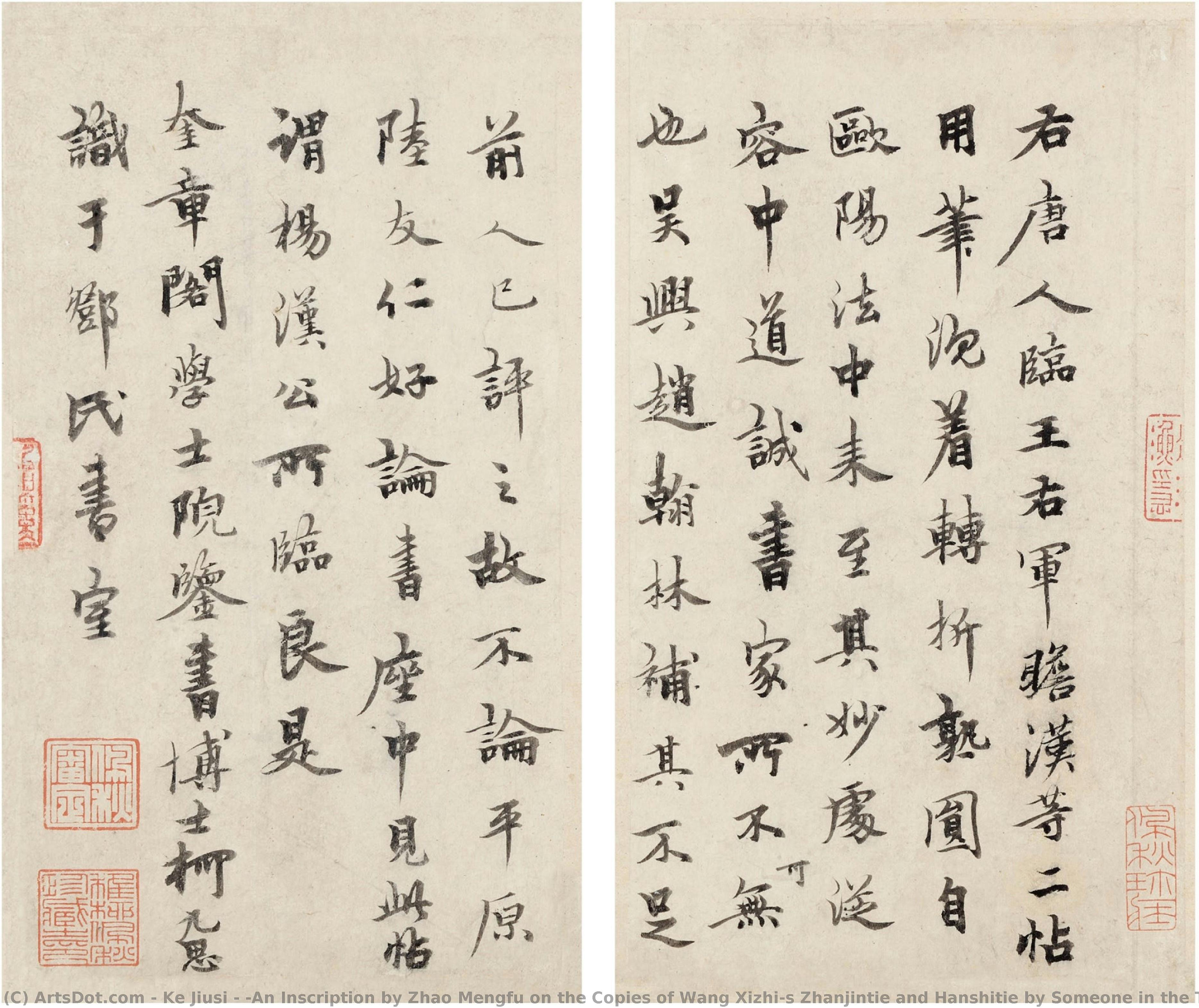
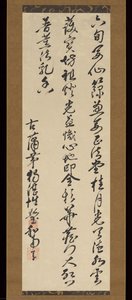
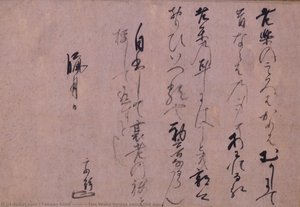
“An Inscription by Zhao Mengfu on the Copies of Wang Xizhi’s Zhanjintie and Hanshitie by Someone in the Tang Dynasty” in Running Regular Script


 Pročitaj više
Ručno rađena uljana reprodukcija
Ručno oslikano uljanim bojama na platnu u dimenzijama i okviru po vašem izboru, izrađeno po porudžbini od strane naših umetnika. ( Kupi print Kupi digitalnu sliku)




P118B $10

P118H $10

P118W $10

P438Z $10

P508JH $12

P508YH $12

P805H $10

P805Z $10

P919BZ $10

P919G $10

P919XJ $10

P959ZH $10

P968JZ $12

W106C $8

W218G $10

W218JH $8

W218Y $10

W307PJ $10

W316G $10

W316PJ $8

W316Y $10

W398PJ $8

W4111J $10

W500HY $15

W500JH $15

W692G $12

W849H $8

W940BG $15

W953PJ $8




Izaberite jednu od naših unapred definisanih veličina koje odgovaraju originalnim proporcijama umetničkog dela.

Можете унети сопствене димензије како бисте прилагодили дело одређеном оквиру или простору. Ако одабрана величина не одговара пропорцијама оригинала, слика ће бити исечена или проширена додатним елементима који се ручно насликавају. Дигитални prikaz ће вам бити послат на одобрење пре почетка производње.
Имајте на уму да преглед на екрану не одражава стварно исецање или проширење. Само приказ (mockup) ће тачно приказати коначну композицију.
Иако су доступне прилагођене величине, препоручујемо да одаберете димензију из дефинисане листе како бисте сачували оригиналне пропорције.
Nakon narudžbine, tim ArtsDot.com će klijentu putem e-pošte poslati uputstva i dostaviti prikaz predloženog rešenja
Isporuka širom sveta () za 3/4 nedelje umesto uobičajenih 5 nedelja. (2 септембар). Bez kompromisa po pitanju kvaliteta.

Besplatna ekspresna dostava širom sveta

Visokokvalitetno laneno platno

Kompletno osiguranje transporta

Garancija povraćaja carine i uvoznih dažbina

Garancija vernosti boja

Politika povrata u roku od 60 dana (samo u slučaju nedostataka)

Garancija povrata novca od 100%

Popust pri grupnoj kupovini
 Opcija sa staklom dostupna je samo za dimenzije manje od 110 cm

“An Inscription by Zhao Mengfu on the Copies of Wang Xizhi’s Zhanjintie and Hanshitie by Someone in the Tang Dynasty” in Running Regular Script
Tehnika reprodukcije
Dimenzije reprodukcije
-


Konačna cena
$ 263
The Elegance of Ink: A Journey Through Ke Jiusi’s Calligraphic Mastery
In the quietude of the Yuan Dynasty, amidst a landscape of shifting political tides, there emerged a voice of profound serenity and structural grace. Ke Jiusi, a master whose life was deeply rooted in the verdant hills of Zhejiang Province, did not seek to capture the chaos of his era through grand narratives, but rather through the disciplined beauty of the brush. His work, specifically this exquisite inscription replicating the legendary Zhao Mengfu’s commentary on Wang Xizhi’s masterpieces, serves as a bridge across centuries. To behold these two vertical panels is to witness a dialogue between the Tang and Yuan dynasties, where the black ink dances upon the white paper in a rhythmic, eternal loop of tradition and innovation.
The composition of this piece is a masterclass in formal balance and visual rhythm. As the eye travels down the densely packed columns of Running Regular Script, one perceives a striking sense of verticality that commands the space. There is no need for vibrant color when the monochromatic interplay of deep, carbon black and pristine white offers such profound depth. Each character is a carefully constructed architecture of strokes—some thick and resolute, others fine and ethereal—creating a complex geometric tapestry. The texture of the ink, varying in density from saturated darkness to subtle, watery grays, lends a tactile quality to the paper, making the calligraphy feel less like static text and more like a living, breathing entity.
Technically, Ke Jiusi’s hand reflects a rigorous adherence to the lineage of Ouyang Xun, yet he infuses it with a unique, vigorous grace. His brushwork possesses a muscularity that is tempered by an unmistakable elegance, a hallmark of his ability to balance strength with fluidity. This particular work, which pays homage to the legendary Wang Xizhi through the lens of Zhao Mengfu, carries immense cultural symbolism. In the world of Chinese connoisseurship, such inscriptions are not merely writing; they are vessels of historical continuity, representing the scholar-official's devotion to classical virtues and the preservation of aesthetic lineage. The precision of each stroke serves as a testament to the artist's discipline and his profound connection to the literary soul of China.
For the discerning collector or the interior designer seeking to infuse a space with contemplative energy, this reproduction offers more than mere decoration; it offers an atmosphere of scholarly refinement. The piece functions as a focal point of tranquility, perfect for a study, a minimalist gallery, or a sophisticated living area where understated luxury is paramount. Its rhythmic patterns and balanced composition provide a sense of order and peace, inviting viewers to slow down and engage with the meditative flow of the ink. Owning such a work is an invitation to inhabit a moment of historical stillness, bringing the timeless elegance of the Yuan Dynasty into the modern sanctuary.
Srodna umetnička dela

Biografija umetnika
The Serene Brush: Exploring the World of Ke Jiusi
Nestled within the verdant hills of Zhejiang Province, China, during the turbulent Yuan Dynasty (1271-1368), a quiet revolution was unfolding on paper and silk. This is the story of Ke Jiusi – not a warrior or a ruler, but a painter, calligrapher, and poet whose work captured the essence of tranquility and whose legacy continues to resonate through centuries of Chinese art. Born around 1290 in Taizhou, Ke’s life was one of understated brilliance, marked by a profound connection to nature and an unwavering dedication to his craft.
Ke Jiusi's early life remains somewhat shrouded in the mists of history, but it is understood that he hailed from a family with deep roots in the artistic traditions of Zhejiang. While details about his formal training are scarce, it’s believed he was profoundly influenced by Wen Tong (1236-1308), a pivotal figure in Yuan Dynasty landscape painting known for his innovative use of bold brushstrokes and atmospheric perspective. Wen Tong's emphasis on capturing the spirit of nature – rather than merely depicting its surface – became a cornerstone of Ke’s artistic philosophy. This influence is readily apparent in Ke’s own paintings, which often feature expansive mountainscapes, serene rivers, and delicate bamboo groves, rendered with a remarkable sense of depth and tranquility.
Beyond his mastery of landscape painting, Ke Jiusi was also a skilled calligrapher and poet. He adopted the artistic name ‘Jingzhong’ (敬仲), signifying “respectful middle,” reflecting his dedication to mastering both visual and literary arts. He further employed pseudonyms – ‘Dan qiusheng’ (丹丘生) and ‘Wuyun geli’ (五云阁吏) – adding layers of complexity to his artistic persona, suggesting a contemplative and somewhat eccentric nature. His poetry, collected in the “Collection of Dan Qiushen” (丹丘生集), is characterized by its subtle elegance and evocative imagery, often exploring themes of solitude, reflection, and the beauty of the natural world.
The Art of Bamboo and Brush
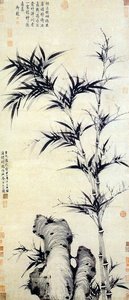
Ke Jiusi’s artistic style is most famously associated with his depictions of bamboo. These weren't simply botanical illustrations; they were imbued with a profound sense of symbolism. Bamboo, in Chinese culture, represents resilience, flexibility, and integrity – virtues highly valued during the often-chaotic Yuan Dynasty. Ke’s bamboo paintings are particularly notable for their meticulous detail and subtle variations in tone, capturing the delicate textures of the stalks and leaves with remarkable precision. He frequently employed a technique known as “copied after Wen Tong,” meticulously replicating the bold brushstrokes and atmospheric perspective that defined Wen Tong's style, while simultaneously imbuing his own work with a unique sense of serenity.
His approach to painting was deeply rooted in observation and a profound understanding of nature. Ke’s works are not merely representations of landscapes; they are invitations to contemplate the beauty and harmony of the natural world. He skillfully utilized layering techniques, creating a sense of depth and atmosphere through subtle shifts in color and tone. The use of ‘wet-on-wet’ brushwork – applying wet ink directly onto damp paper – allowed him to achieve incredibly luminous effects, capturing the fleeting qualities of light and shadow.
A Legacy Preserved
Despite his considerable talent, Ke Jiusi's life was tragically cut short in 1343. However, his artistic legacy endured, largely due to the meticulous documentation of his work by contemporary connoisseurs and art historians. One particularly significant inscription, penned by Zhao Mengfu (1254-1322), a prominent scholar and artist during the Yuan Dynasty, highlighted the exceptional quality of Ke’s bamboo paintings – a testament to their enduring appeal.
Ke Jiusi's influence extends beyond his individual works. He played a crucial role in shaping the development of landscape painting during the Yuan Dynasty, establishing a new standard for artistic excellence and inspiring generations of artists to come. His emphasis on capturing the spirit of nature, combined with his mastery of technique, cemented his place as one of the most important figures in Chinese art history. His work continues to be studied and admired today, offering a glimpse into the serene beauty of a bygone era.
Connections and Influences
- Wen Tong (1236-1308): Ke Jiusi’s most significant artistic influence. Wen Tong's bold brushwork and atmospheric perspective shaped Ke’s approach to landscape painting.
- Zhao Mengfu (1254-1322): A contemporary scholar and artist who documented and praised Ke Jiusi’s bamboo paintings, solidifying his reputation.
- Calligraphy: Ke Jiusi's skill in calligraphy complemented his painting, reflecting a holistic approach to artistic expression.
Historical Significance
Ke Jiusi’s work provides invaluable insight into the cultural and aesthetic values of the Yuan Dynasty. His paintings reflect a deep appreciation for nature, a commitment to traditional art forms, and a sense of quiet contemplation – qualities that resonated deeply with audiences during a period of political upheaval and social change. His legacy as a master painter, calligrapher, and poet endures, reminding us of the enduring power of art to capture beauty, evoke emotion, and connect us to the past.
ke jiusi
1343 , China
Osnovne informacije
- Artistic Movement Or Style: Wen Tong Style
- Artists Or Movements Influenced By This Artist: ['']
- Artists Who Influenced This Artist: ['Wen Tong']
- Date Of Birth: c. 1290
- Date Of Death: 1343
- Full Name: Ke Jiusi
- Nationality: Chinese
- Notable Artworks: ['Bamboo copied after Wen Tong']
- Place Of Birth: Zhejiang Province, China
Povezani članci
Xie Zhiliu: A Legacy of Ink Wash Painting & Modern Chinese Literati Tradition
Explore the legacy of Xie Zhiliu, a master of Chinese ink wash painting & prominent figure in modern art. Discover his techniques, influences, and contributions to literati tradition. A guide for discerning collectors.
Pu Xinyu's 'Puru': A Legacy of Literati Painting & Emotional Resonance
Explore the captivating world of Pu Xinyu (Puru), the last great literati painter. Discover his imperial heritage, masterful ink wash techniques & enduring legacy – a valuable addition to any discerning art collection.
Cy Twombly: Scribbles of Emotion – Deconstructing Post-War Expressionism Through Calligraphy & Abstraction
Explore the captivating world of Cy Twombly with ArtsDot. Discover the emotional depth & artistic significance behind his abstract calligraphy. Expert insights for collectors.
Ephemeral Expressions: Exploring the Nuances of Ink on Paper Through History & Contemporary Art
Explore the captivating world of ink wash painting – from its ancient origins to contemporary masters. Discover techniques, symbolism & conservation insights with ArtsDot.com.
Ephemeral Lines: Exploring Emotional Resonance in Ink Sketching Traditions
Explore the profound art of ink sketching! Discover techniques to express emotion, master line work, and cultivate artistic sensitivity. Learn from historical masters & unlock your creative potential.

