

 Pregledaj u prostoru
 Pošalji
 Podeli
 Detalji o delu

 Преузми
 Slični predmeti
 Rendgenski snimak
 Slajdovi
 Statistika
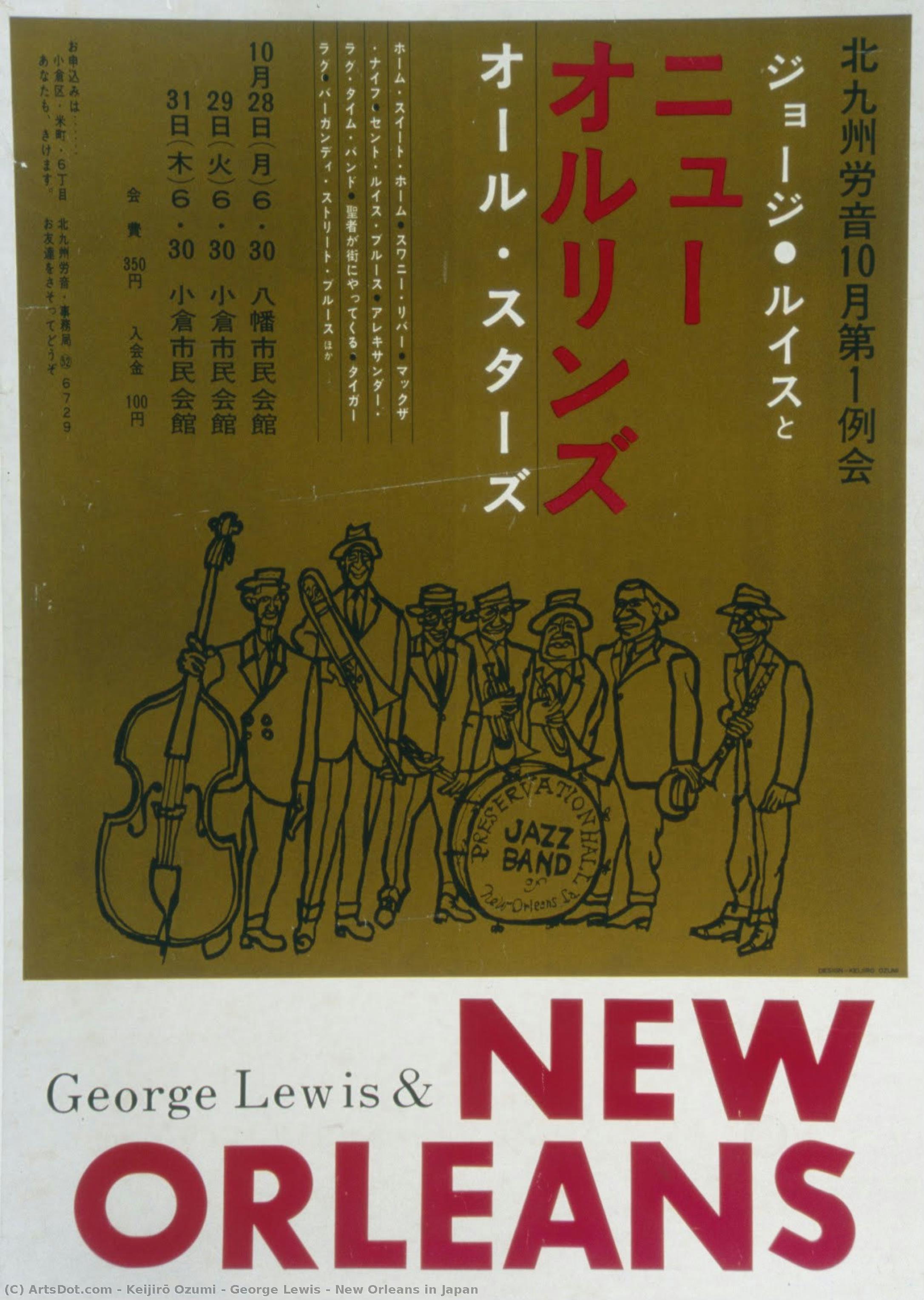
George Lewis & New Orleans in Japan


 Pročitaj više
Giclee štampa / Umetnički otisak
Giclée štampa ili print na platnu muzejskog kvaliteta uz brzu proizvodnju i fleksibilne opcije završne obrade. ( Kupi ručno naslikanu sliku Pređi na digitalnu sliku)




































Izaberite jednu od naših unapred definisanih veličina koje odgovaraju originalnim proporcijama umetničkog dela.

Možete uneti sopstvene dimenzije kako biste umetničko delo prilagodili specifičnom okviru ili prostoru. Ako odabrani format ne odgovara proporcijama originalne slike, mi ćemo ili iscrtati deo dela ili proširiti sliku pomoću ogledane ivice ili jednobojnog popunjavanja. Digitalni prikaz će vam biti poslat na odobrenje pre početka proizvodnje.
Imajte na umu da pregled na ekranu ne odražava stvarno iscrtavanje ili proširivanje. Samo će prikaz (mockup) precizno pokazati finalnu kompoziciju.
Iako su prilagođene dimenzije dostupne, preporučujemo da odaberete dimenziju sa unapred definisane liste kako biste očuvali originalne proporcije.
Dostava širom sveta () za 2 nedelje umesto uobičajenih 4/5 nedelja. (10 септембар)

Besplatna ekspresna dostava širom sveta

Visokokvalitetno laneno platno

Kompletno osiguranje transporta

Garancija povraćaja carine i uvoznih dažbina

Garancija vernosti boja

Politika povraćaja u roku od 100 dana (isključivo u slučaju nedostataka)

Garancija povrata novca od 100%

Popust pri grupnoj kupovini
 Opcija sa staklom dostupna je samo za dimenzije manje od 110 cm

George Lewis & New Orleans in Japan
Giclee štampa / Umetnički otisak
Dimenzije reprodukcije
-


Konačna cena
$ 62
Srodna umetnička dela



Biografija umetnika
Keijirō Ozumi: The King of Speculation and a Patron of Japanese Art
Keijirō Ozumi, born in Tokyo in 1846, stands as a fascinating figure of late 19th-century Japan – a man whose life defied simple categorization. Often dubbed the ‘King of Speculators’ and the ‘Railroad King of the Meiji Era,’ Ozumi wasn't merely a businessman; he was an innovator, a risk-taker, and, surprisingly, a significant supporter of Japanese art. His story is one interwoven with the rapid modernization and burgeoning capitalism of Japan during this transformative period. Initially beginning his career as a street trader, demonstrating early entrepreneurial spirit, Ozumi quickly moved into the lucrative world of currency exchange and silver trading, establishing himself in Yokohama – a vital port for international commerce. This initial success fueled his ambition and laid the groundwork for his later ventures.Early Years and International Exposure
Ozumi’s journey took him abroad from 1876 to 1877, a crucial period of exposure to Western business practices and artistic sensibilities. His travels through the United States and Europe provided invaluable experience in international finance and exposed him to diverse cultural influences. Notably, he developed an appreciation for European art, particularly the intricate detail and symbolic depth found in works like Jan van Eyck’s *The Ghent Altarpiece* (1432), a masterpiece housed in the St Bavo Cathedral of Ghent, Belgium. This admiration for meticulous craftsmanship and narrative complexity would subtly inform his own approach to business and, perhaps, even influence his later patronage of Japanese artists. It's important to note that while Ozumi wasn’t himself an artist, this exposure shaped his understanding of value, aesthetics, and the power of visual storytelling – concepts he applied throughout his career.Business Ventures: From Flour Mills to Railroads
Ozumi’s business acumen blossomed in Japan, marked by a series of ambitious and often groundbreaking projects. He established a successful flour mill in Fukagawa, Tokyo, utilizing steam power—a relatively new technology at the time—demonstrating an early adoption of industrial innovation. This success propelled him into larger-scale development projects, most notably his initiative in Karuizawa in 1883. This venture combined agriculture and industry, mirroring the emerging model of integrated economic growth that characterized the Meiji Restoration. Ozumi’s strategic thinking involved adapting American models of land development to the Japanese context, reflecting a keen understanding of market forces and efficient resource utilization. He wasn't simply replicating Western ideas; he was applying them strategically within Japan’s unique social and economic landscape. His involvement in these ventures contributed significantly to the modernization of several regions of Japan.Patronage of Japanese Art and Legacy
Beyond his financial achievements, Ozumi played a quietly significant role as a patron of Japanese art. While details about specific commissions are scarce, it’s understood that he supported various artists during the Meiji era. This support wasn't driven by purely aesthetic appreciation; rather, it likely stemmed from a broader recognition of the value of cultural heritage and a desire to foster artistic development within Japan. His interest in works like Van Eyck’s *Ghent Altarpiece* suggests an understanding of the power of detailed representation and narrative – qualities he may have sought to encourage in Japanese artists. Ozumi's nickname, ‘King of Speculators,’ reflects not only his financial success but also his willingness to take calculated risks and invest in ambitious projects, shaping the economic landscape of Meiji Japan. He was a key figure within the Koshu Zaibatsu, a powerful merchant group that played a crucial role in Japan’s rapid industrialization. His legacy endures as a testament to the dynamism and entrepreneurial spirit of the Meiji era – a period defined by both unprecedented progress and significant social change.A Unique Artistic Connection: ‘George Lewis & New Orleans in Japan’
It's worth noting Ozumi’s involvement with George Lewis’s poster, *George Lewis & New Orleans in Japan* (1965). This striking piece, now housed at The Historic New Orleans Collection, showcases a blend of jazz and Japanese design. While the exact nature of Ozumi’s contribution is not fully documented, it highlights his continued interest in visual culture and his connection to both Japanese and American artistic traditions. It serves as a tangible reminder that Ozumi's influence extended beyond purely financial endeavors, encompassing a broader appreciation for diverse forms of creative expression.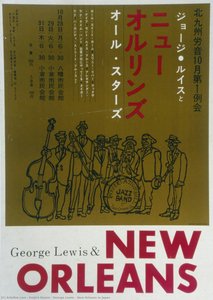
keijirō ozumi
1846 - 1911 , Japan
Osnovne informacije
- Artistic Movement Or Style: Entrepreneur/Investor
- Date Of Birth: October 24, 1846
- Date Of Death: 1911
- Full Name: Keijirō Ozumi
- Nationality: Japanese
- Notable Artworks: ['George Lewis & New Orleans in Japan']
- Place Of Birth: Tokyo, Japan
Povezani članci
ArtsDot.com F.A.Q.: Trajnost i Kvalitet Reprodukcija – Poređenje Platna, Veličine za Koleccionare
ArtsDot.com nudi vrhunske reprodukcije slika na platnu i posterske otiske za elite kolekcionare. Detaljna analiza kvaliteta, personalizacija veličina i garancija autentičnosti. Saznajte više o našem procesu izrade i ekskluzivnim uslugama!

Katsushika Hokusai: 25 Remek-dela Japanskog Umetnika za Vaš Dom | ArtsDot
Uronite u svet Katsushike Hokusaija! Otkrijte 25 remek-dela japanskog umetnika, uključujući čuveni 'Veliki talas'. Ukiyo-e štampe, pejzaži i istorija iza svakog dela. Pronađite inspiraciju za dekor enterijera i kupite reprodukcije slika vrhunskog kvaliteta na ArtsDot.com.
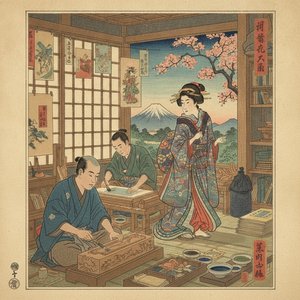
Floating World: The Captivating Art and Legacy of Japanese Ukiyo-e
Explore the profound beauty of Japanese Ukiyo-e. Discover the history, masters like Hokusai, and the enduring legacy of the 'Floating World' through an expert art-historical lens.
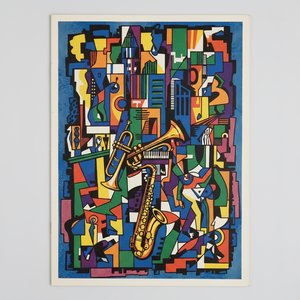
Stuart Davis: Modernist Abstraction & the Vibrant Spirit of the Jazz Age
Explore the vibrant world of Stuart Davis, a pioneer of American Modernism. Discover his jazz-inspired paintings, signature style & investment potential. Expert insights for art collectors.
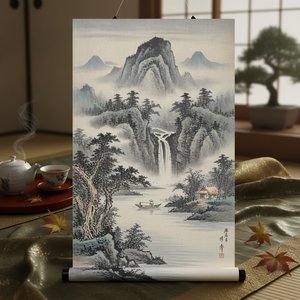
Serenity on Canvas: A Guide to the Timeless Beauty of Japanese Landscape Painting
Discover the serene beauty of Japanese landscape painting. From Hokusai's iconic woodblock prints to meditative sumi-e ink washes, explore a visual journey through the 'floating world' and learn how to bring this timeless Zen aesthetic into your modern home decor.