

 Pregledaj u prostoru
 Pošalji
 Podeli
 Detalji o delu

 Преузми
 Slični predmeti
 Rendgenski snimak
 Slajdovi
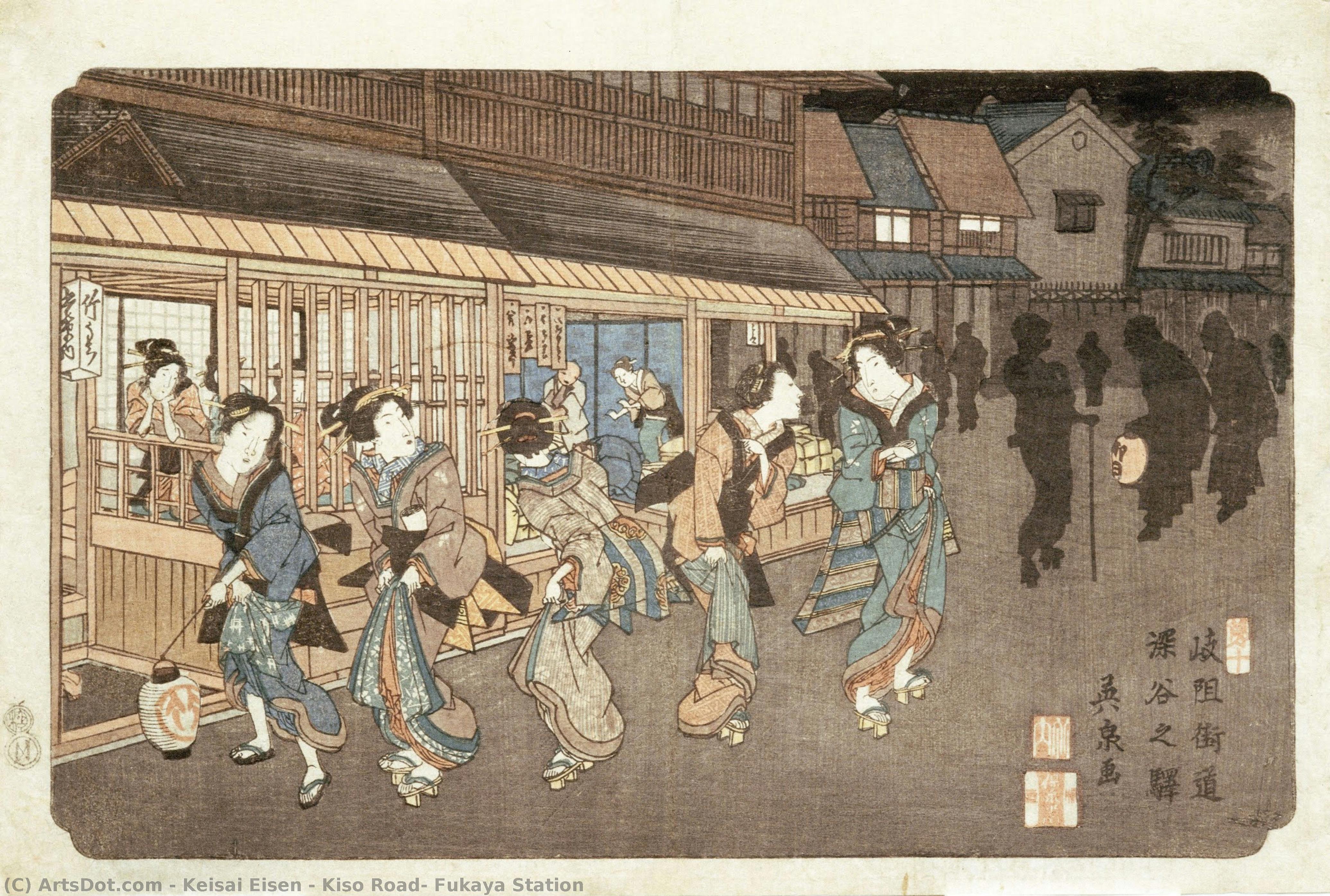
Kiso Road, Fukaya Station
 Woodblock Print
- Ukiyo-e
 19th Century
 36.0 x 24.0 cm
 Saitama Prefectural Museum of History and Folklore
 Pročitaj više
Ručno rađena uljana reprodukcija
Ručno oslikano uljanim bojama na platnu u dimenzijama i okviru po vašem izboru, izrađeno po porudžbini od strane naših umetnika. ( Kupi print Kupi digitalnu sliku)




P118B $10

P118H $10

P118W $10

P438Z $10

P508JH $12

P508YH $12

P805H $10

P805Z $10

P919BZ $10

P919G $10

P919XJ $10

P959ZH $10

P968JZ $12

W106C $8

W218G $10

W218JH $8

W218Y $10

W307PJ $10

W316G $10

W316PJ $8

W316Y $10

W398PJ $8

W4111J $10

W500HY $15

W500JH $15

W692G $12

W849H $8

W940BG $15

W953PJ $8




Izaberite jednu od naših unapred definisanih veličina koje odgovaraju originalnim proporcijama umetničkog dela.

Можете унети сопствене димензије како бисте прилагодили дело одређеном оквиру или простору. Ако одабрана величина не одговара пропорцијама оригинала, слика ће бити исечена или проширена додатним елементима који се ручно насликавају. Дигитални prikaz ће вам бити послат на одобрење пре почетка производње.
Имајте на уму да преглед на екрану не одражава стварно исецање или проширење. Само приказ (mockup) ће тачно приказати коначну композицију.
Иако су доступне прилагођене величине, препоручујемо да одаберете димензију из дефинисане листе како бисте сачували оригиналне пропорције.
Nakon narudžbine, tim ArtsDot.com će klijentu putem e-pošte poslati uputstva i dostaviti prikaz predloženog rešenja
Isporuka širom sveta () za 3/4 nedelje umesto uobičajenih 5 nedelja. (3 септембар). Bez kompromisa po pitanju kvaliteta.

Besplatna ekspresna dostava širom sveta

Visokokvalitetno laneno platno

Kompletno osiguranje transporta

Garancija povraćaja carine i uvoznih dažbina

Garancija vernosti boja

Politika povrata u roku od 60 dana (samo u slučaju nedostataka)

Garancija povrata novca od 100%

Popust pri grupnoj kupovini
 Opcija sa staklom dostupna je samo za dimenzije manje od 110 cm

Kiso Road, Fukaya Station
Tehnika reprodukcije
Dimenzije reprodukcije
-


Konačna cena
$ 263
A Window into the Bunsei Era: The Bustling Spirit of Fukaya Station
In the delicate interplay of light and shadow captured within Kiso Road, Fukaya Station, we are transported back to a vanished world of 19th-century Japan. This evocative work by the ukiyo-e master Keisai Eisen serves as more than just a landscape; it is a cinematic snapshot of life in motion. Through the monochromatic lens of this composition, the artist invites us to wander alongside the travelers of the Kisokaidō highway, feeling the rhythmic pulse of a roadside station coming to life. The scene is thick with atmosphere, where the quiet dignity of the architecture meets the spontaneous energy of a crowd, creating a sense of timelessness that resonates deeply with the modern observer.
The composition masterfully balances the structural permanence of the buildings and fences with the fleeting, ephemeral nature of human movement. As we gaze upon the street, our eyes are drawn through a carefully orchestrated depth of field—from the figures in the immediate foreground to the distant silhouettes navigating the urban landscape. The presence of a small dog trotting amidst the pedestrians and the subtle detail of a handbag carried by a traveler add layers of profound realism, grounding the historical scene in a relatable, human intimacy. This is not merely a depiction of a location, but a celebration of the "floating world," where every passing moment is imbued with significance.
The Mastery of Keisai Eisen and the Ukiyo-e Tradition
To understand the soul of this piece, one must look to the hand of Keisai Eisen, an artist who defined the aesthetic of the Bunsei era. Renowned for his ability to capture both the sensual beauty of women and the rugged spirit of Japanese landscapes, Eisen possessed a unique gift for storytelling through line and tone. In this particular work, his technique emphasizes the textures of the wooden structures and the varied silhouettes of the travelers, creating a visual rhythm that mimics the heartbeat of a busy station. The use of high-contrast tones allows the viewer to perceive the weight of the shadows and the brightness of the open street, evoking a sense of atmosphere that feels almost tactile.
For collectors and interior designers alike, this reproduction offers a sophisticated focal point that bridges the gap between historical reverence and contemporary elegance. The monochromatic palette provides a versatile aesthetic that complements both minimalist modern interiors and more traditional, richly textured spaces. It serves as a conversation piece that invites contemplation on themes of journey, transition, and the enduring beauty of the everyday. Owning such a piece is an opportunity to possess a fragment of Japanese history, rendered with the precision and emotional depth that only a master of the ukiyo-e tradition could achieve.
Srodna umetnička dela
Biografija umetnika
The Soul of the Bunsei Era: The Life and Legacy of Keisai Eisen
In the vibrant, flickering light of 19th-century Edo, few artists captured the pulse of the "floating world" with as much evocative intensity as Keisai Eisen. Born into the prestigious Ikeda samurai clan as Ikeda Yoshinobu, his early life was a tapestry of privilege and profound hardship. The son of a respected calligrapher, Shigeharu, Eisen was raised in an environment steeped in the delicate arts of poetry and brushwork. However, the untimely loss of his parents thrust him into the life of a rōnin—a wandering samurai. This transition from the structured world of the elite to the unpredictable streets of the urban commoner did more than just alter his social standing; it infused his artistic vision with a raw, rebellious spirit and a deep empathy for the transient beauty found in the everyday.
Eisen’s artistic journey was shaped by a rigorous lineage of masters. He first sought formal training under Hakkeisai, a practitioner of the prestigious Kano school, which provided him with a foundation in classical technique and structural precision. Yet, it was his subsequent apprenticeship under Kikugawa Eizan, a titan of bijin-ga (pictures of beautiful women), that truly ignited his creative fire. While he inherited the grace of his predecessors, Eisen possessed an irrepressible urge to innovate. He moved away from the idealized, ethereal beauties of earlier eras, choosing instead to portray women with a more worldly, palpable sensuality. This shift defined the aesthetic of the Bunsei era (1818–1830), a period often characterized by its decadent and psychologically complex atmosphere.
A Master of Sensuality and Landscape
The brilliance of Eisen’s work lies in his ability to balance the intimate with the expansive. He became a master of ōkubi-e, or large-head portraits, where he utilized bold compositions and arresting gazes to convey a spectrum of human emotion—from quiet confidence to a haunting, melancholic longing. His subjects were not mere icons of beauty but characters with depth, their identities woven into the intricate patterns of their meticulously rendered kimonos. Through his brush, the fashion of the Edo period became a language of itsability and social nuance.
Beyond the intimate portraits of women, Eisen demonstrated a remarkable command over the Japanese landscape. His series documenting the Kisokaidō highway stands as a testament to his ability to capture the rhythmic movement of travel and the rugged spirit of the countryside. In works such as his depictions of Fukaya Station or Ageo Station, he transformed mere topographical records into cinematic snapshots of life in motion. He possessed a unique gift for:
- Atmospheric Depth: Using light and shadow to create a sense of temporal presence, making the viewer feel the humidity of a summer afternoon or the chill of a mountain pass.
- Narrative Detail: Integrating small, humanizing elements—a wandering dog, a traveler’s handbag, or a distant silhouette—to ground his landscapes in a relatable reality.
- Collaborative Vision: Engaging in grand-scale projects, such as the joint series with Utagawa Hiroshige, which helped define the visual identity of Japan's most important travel routes.
Historical Significance and Enduring Influence
Keisai Eisen’s contribution to ukiyo-e extends far beyond the aesthetic; he was a chronicler of an era’s soul. While his contemporaries like Kunisada focused on the theatrical drama of Kabuki, and Kuniyoshi explored the heroic legends of warriors, Eisen turned his gaze toward the psychological and the atmospheric. His work bridged the gap between the classical elegance of the past and the more visceral, "decadent" realism that would characterize much of late Edo art. He was not only a printmaker but also a man of letters, contributing to the literary landscape through biographies and historical texts.
Today, Eisen is remembered as one of the most prominent masters of 19th-century Japanese woodblock prints. His ability to capture the ephemeral nature of the "floating world"—the fleeting moment, the passing traveler, the subtle glance—ensures his place in the pantheon of great artists. His legacy continues to resonate, offering modern observers a window into a vanished world where every line and color served to celebrate the profound beauty found within the transient and the everyday.
keisai eisen
1790 - 1848
Osnovne informacije
- Artistic Movement Or Style: Bunsei Era Ukiyo-e
- Artists Or Movements Influenced By This Artist:
- Kunisada
- Kuniyoshi
- Artists Who Influenced This Artist:
- Kanō Hakkeisai
- Kikugawa Eizan
- Date Of Birth: 1790
- Full Name: Ikeda Yoshinobu (Keisai Eisen)
- Nationality: Japanese
- Notable Artworks:
- Omiya Station with Mt. Fuji
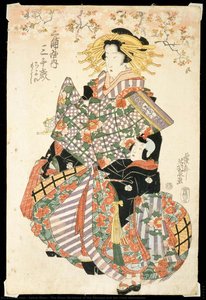
- The Oiran Michitose
- Place Of Birth: Edo (Tokyo)
Povezani članci

Katsushika Hokusai: 25 Remek-dela Japanskog Umetnika za Vaš Dom | ArtsDot
Uronite u svet Katsushike Hokusaija! Otkrijte 25 remek-dela japanskog umetnika, uključujući čuveni 'Veliki talas'. Ukiyo-e štampe, pejzaži i istorija iza svakog dela. Pronađite inspiraciju za dekor enterijera i kupite reprodukcije slika vrhunskog kvaliteta na ArtsDot.com.

White on Canvas: 10 Masterpieces & Timeless Elegance for Your Home Decor
Explore 10 iconic white paintings by Monet, Whistler & Rothko! Discover the stories behind these serene masterpieces and their impact on art history. Find museum-quality reproductions for your home decor at .
Ukiyo-e: Exploring Japan's Floating World & Enduring Artistic Legacy
Explore the captivating world of Ukiyo-e – Japan's iconic woodblock prints! Discover masters like Hokusai & Hiroshige, learn about Edo period culture, and find expert art collecting guidance at ArtsDot.
Suzuki Harunobu: Pioneering Ukiyo-e & the Refinement of Edo Period Printmaking
Discover the revolutionary world of Suzuki Harunobu, a pioneer of ukiyo-e printmaking. Explore his exquisite nishiki-e techniques, diverse subjects & lasting impact on Japanese art history. Learn more at ArtsDot.
The Enduring Legacy of Woodblock Printmaking: Technique, History & Artistic Expression
Explore the rich history of woodblock printmaking – from ancient techniques to Ukiyo-e masterpieces. Discover expert insights on collecting, preserving & appreciating this enduring art form.

