

 Pregledaj u prostoru
 Pošalji
 Podeli
 Detalji o delu

 Преузми
 Slični predmeti
 Rendgenski snimak
 Slajdovi
 Statistika
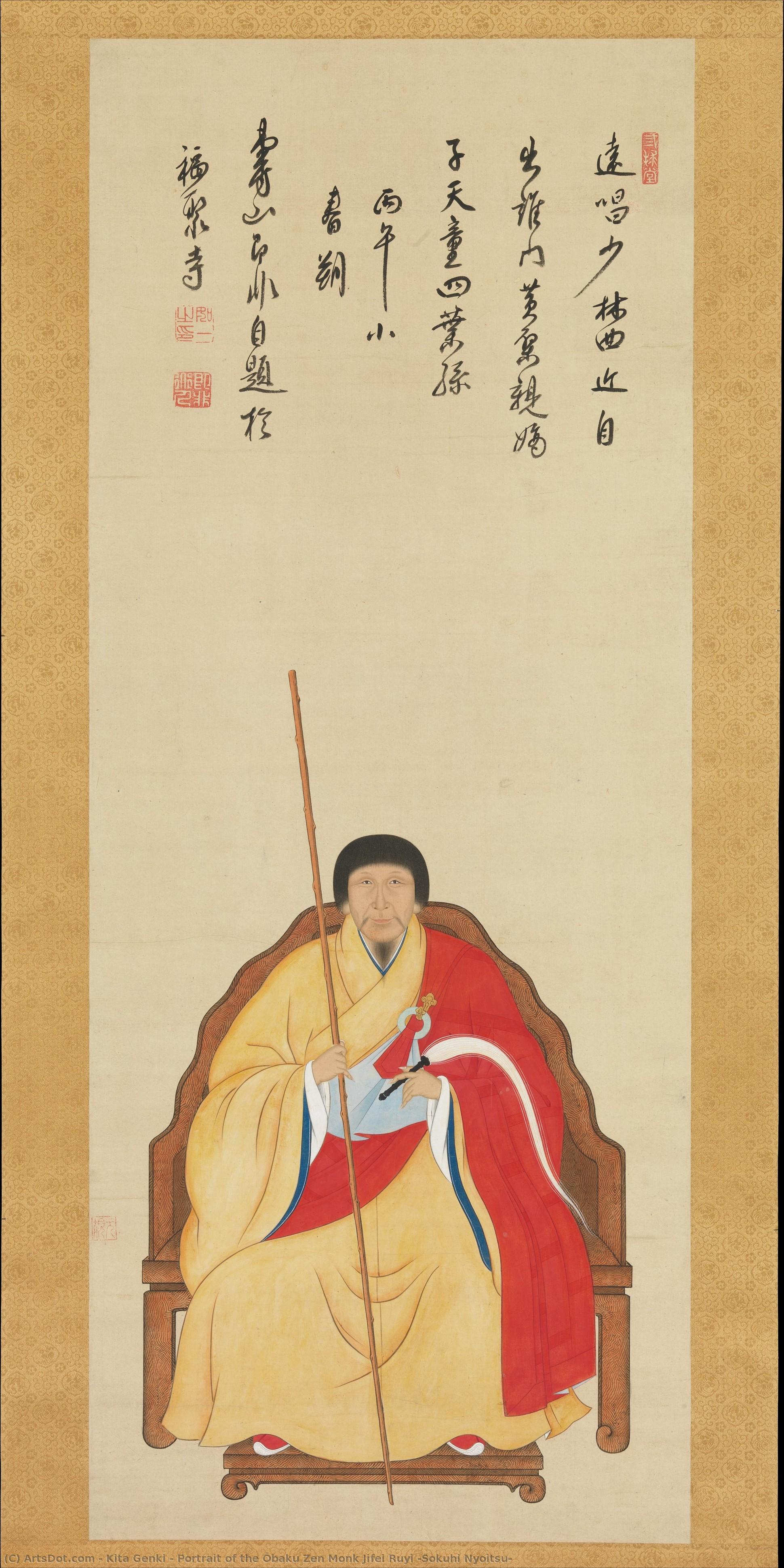
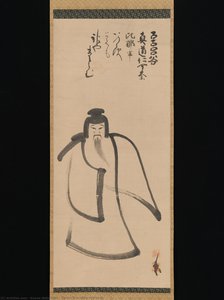
Portrait of the Ōbaku Zen Monk Jifei Ruyi (Sokuhi Nyoitsu)
 1666
1666 110.0 x 44.0 cm
 Pročitaj više
Kupite digitalnu sliku visoke rezolucije i poboljšanog kvaliteta, koja je znatno superiornija od onoga što vidite u online prikazu.
Svaka datoteka je pedantno pripremljena od strane naših stručnjaka koristeći napredne alate i profesionalnu ručnu retušu. Osiguravamo da svaka slika ima izuzetnu oštrinu, preciznu reprodukciju boja i fine detalje.
Konačna datoteka se dostavlja putem e-pošte u roku od 72 sata, optimizovana za neposrednu upotrebu u profesionalnim, izdavačkim i štamparskim okruženjima. To je isti kvalitet kojem veruju vrhunski studiji dizajna, izdavači i galerije.
Digitalna slika
Preuzmite datoteku visoke rezolucije za ličnu upotrebu, štampanje i kreativne projekte. ( Pređi na štampu Kupi ručno naslikanu sliku)
Uključeno uz svaku porudžbinu digitalne slike
Profesionalna digitalna isporuka, zagarantovana
Kada odaberete ArtsDot.com, ne dobijate samo sliku – vi primate profesionalno unapređeno digitalno umetničko delo, izrađeno sa najvećom preciznošću i uz garanciju zadovoljstva. Evo svega što automatski dolazi uz vašu porudžbinu:

Brza dostava putem e-pošte
Vaša digitalna slika visoke rezolucije biće vam poslata putem e-pošte u roku od 72 sata od poručivanja – spremna za trenutnu upotrebu.

Digitalna datoteka unapređena veštačkom inteligencijom
Vaše umetničko delo je profesionalno optimizovano korišćenjem naprednih AI alata i ručne obrade, čime se osiguravaju maksimalni detalji, oštrina i preciznost boja.

Besplatna ponovna isporuka doživotno
Slučajno ste obrisali ili izgubili svoju datoteku? Ne brinite – poslaćemo vam je ponovo u bilo kom trenutku, potpuno besplatno.

Bez troškova uvoza – zauvek
Uživajte u svojim umetničkim delima trenutno, bez carine, dažbina ili troškova dostave – digitalni download je uvek bez poreza.

Garancija vernosti boja
Uz pomoć profesionalnih alata i upravljanja bojama, osiguravamo da vaša digitalna slika što vernije odražava originalne boje.

Garancija zadovoljstva od 100 dana
Ako niste zadovoljni svojom digitalnom slikom, izvršićemo reviziju ili ćemo vam vratiti 100% novca u roku od 100 dana – bez ikakvih pitanja.

100% garancija povrata novca
Niste zadovoljni? Dobijte puni povraćaj novca u roku od 100 dana od prijema digitalne datoteke – bez suvišnih pitanja.

Popusti na velike porudžbine
Kupite 3 slike, uštedite 10% - Kupite 5 slika, uštedite 15% - Kupite 10+ slika, uštedite 20%. Odlično za kreativne projekte, galerije i agencije.
Srodna umetnička dela
Biografija umetnika
A Nagasaki Portraitist Bridging East and West
In the vibrant, salt-aired atmosphere of 17th and 18th-century Nagasaki, a unique cultural alchemy was taking place. As Japan's primary gateway for interaction with the outside world during the Edo period, Nagasaki served as a rare window through which Chinese traditions and Western influences could seep into the isolated archipelago. It was within this crucible of global exchange that Kita Genki emerged, a painter whose very existence serves as a testament to the dynamic artistic currents flowing through Japan's westernmost port. A figure of profound technical skill, Genki did not merely observe these shifting tides; he wove them together into a singular, evocative style that bridged the gap between the established traditions of the East and the burgeoning aesthetics of the West.
Genki’s professional identity was deeply rooted in the local landscape of Nagasaki. Historical records, such as the Nagasaki Senmin Gen—a meticulous census of the city's artisans—identify him as a portraitist specializing in both Chinese and Nanban (Western) styles. This designation is particularly significant, as it reveals a painter capable of navigating two distinct visual languages. While many of his contemporaries remained tethered to strictly domestic traditions, Genki embraced the burgeoning demand among the Japanese elite for art that reflected the exotic and the new. His work was not just an act of representation but an act of cultural synthesis, capturing the spiritual gravity of Buddhist subjects through a lens that incorporated foreign artistic innovations.
The Mastery of Ink and Light
The essence of Genki’s artistry lies in his ability to harmonize the delicate precision of Chinese ink wash painting with the dramatic potential of Western techniques. His most celebrated works, such as his portraits of Ōbaku Zen Monks, demonstrate a profound mastery of the brush. In these pieces, one can observe the traditional influence of Chinese monochrome aesthetics—a style deeply intertwined with Buddhist iconography and the pursuit of spiritual truth. Yet, beneath the fluid, meditative strokes of ink, there exists a subtle introduction of Western-inspired chiaroscuro. By utilizing light and shadow to create a sense of volume and presence, Genki breathed a new, tactile dimension into the traditionally flat planes of East Asian portraiture.
This technical duality is most evident in his notable commissions:
- The Portrait of Ōbaku Zen Monk Jifei Ruyi: A work that captures the spiritual authority of the master, featuring inscriptions that connect the subject to the broader lineage of Zen Buddhism.
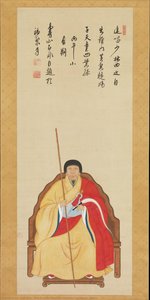
- The Portrait of Obaku Monk Mokuan: An achievement in capturing the essence and dignity of the monastic life through meticulous detail and atmospheric depth.
Through these portraits, Genki achieved more than mere likeness; he captured the spiritual stature of his subjects. The interplay of fine line work and soft shading allowed him to convey the weight of wisdom and the serenity of enlightenment, making his portraits venerated symbols of both religious devotion and artistic excellence.
A Lasting Legacy in Japanese Art History
Though the specific dates of Genki’s life remain partially shrouded in the mists of history, his impact on the Nagasaki School of painting is undeniable. He belonged to a pivotal era when the influx of Chinese monks and Western traders brought new ideas regarding Confucianism, Zen Buddhism, and even scientific observation to Japan. By integrating these disparate elements, Genki helped shape a burgeoning Japanese artistic identity that was both deeply rooted in tradition and remarkably open to the world.
Today, the legacy of Kita Genki lives on through the preserved treasures held in institutions such as the Indianapolis Museum of Art. To stand before his works is to witness a moment of profound transformation—a time when the boundaries of art were being redrawn by the hands of masters who saw no conflict between the ancient ink of the East and the transformative light of the West. His contribution remains a vital chapter in the story of how Japan navigated its place in a changing global landscape, proving that true innovation often arises from the most unexpected encounters.
kita genki
Japan
Kratke činjenice
- Artistic Movement Or Style: Chinese & Western Painting Techniques
- Date Of Birth: (Nagasaki)
- Date Of Death: (Living)
- Full Name: Kita Genki
- Nationality: Japanese
- Notable Artworks:
- Portrait of the Ōbaku Zen Monk Jifei Ruyi
- Portrait of Obaku Monk Mokuan
- Place Of Birth: Nagasaki, Japan