

 Pregledaj u prostoru
 Pošalji
 Podeli
 Detalji o delu

 Преузми
 Slični predmeti
 Rendgenski snimak
 Slajdovi
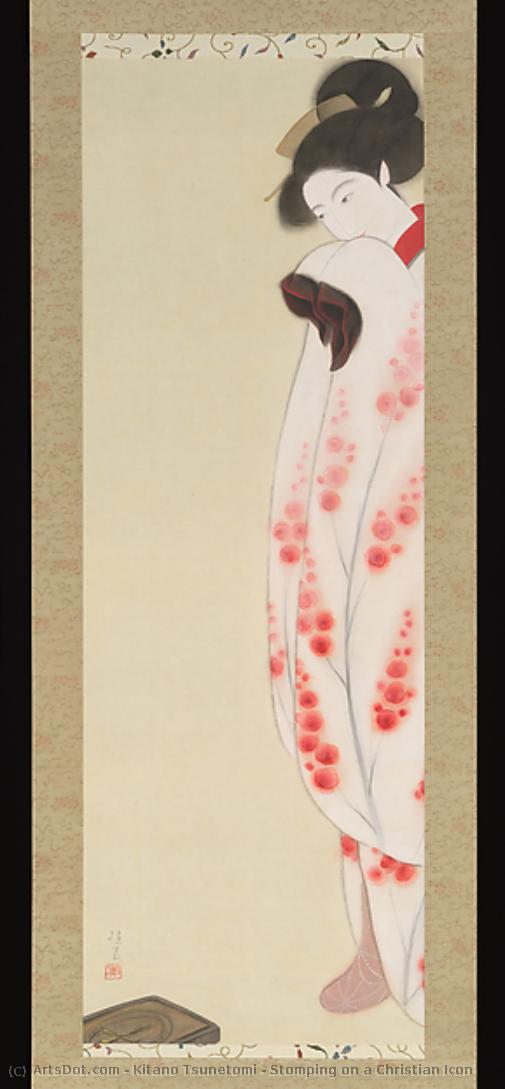
Stomping on a Christian Icon
 1921
1921 143.0 x 50.0 cm
 Pročitaj više
Kupite digitalnu sliku visoke rezolucije i poboljšanog kvaliteta, koja je znatno superiornija od onoga što vidite u online prikazu.
Svaka datoteka je pedantno pripremljena od strane naših stručnjaka koristeći napredne alate i profesionalnu ručnu retušu. Osiguravamo da svaka slika ima izuzetnu oštrinu, preciznu reprodukciju boja i fine detalje.
Konačna datoteka se dostavlja putem e-pošte u roku od 72 sata, optimizovana za neposrednu upotrebu u profesionalnim, izdavačkim i štamparskim okruženjima. To je isti kvalitet kojem veruju vrhunski studiji dizajna, izdavači i galerije.
Digitalna slika
Preuzmite datoteku visoke rezolucije za ličnu upotrebu, štampanje i kreativne projekte. ( Kupi print Kupi ručno naslikanu sliku)
Uključeno uz svaku porudžbinu digitalne slike
Profesionalna digitalna isporuka, zagarantovana
Kada odaberete ArtsDot.com, ne dobijate samo sliku – vi primate profesionalno unapređeno digitalno umetničko delo, izrađeno sa najvećom preciznošću i uz garanciju zadovoljstva. Evo svega što automatski dolazi uz vašu porudžbinu:

Brza dostava putem e-pošte
Vaša digitalna slika visoke rezolucije biće vam poslata putem e-pošte u roku od 72 sata od poručivanja – spremna za trenutnu upotrebu.

Digitalna datoteka unapređena veštačkom inteligencijom
Vaše umetničko delo je profesionalno optimizovano korišćenjem naprednih AI alata i ručne obrade, čime se osiguravaju maksimalni detalji, oštrina i preciznost boja.

Besplatna ponovna isporuka doživotno
Slučajno ste obrisali ili izgubili svoju datoteku? Ne brinite – poslaćemo vam je ponovo u bilo kom trenutku, potpuno besplatno.

Bez troškova uvoza – zauvek
Uživajte u svojim umetničkim delima trenutno, bez carine, dažbina ili troškova dostave – digitalni download je uvek bez poreza.

Garancija vernosti boja
Uz pomoć profesionalnih alata i upravljanja bojama, osiguravamo da vaša digitalna slika što vernije odražava originalne boje.

Garancija zadovoljstva u roku od 100 dana
Ako niste zadovoljni svojom digitalnom slikom, revidirat ćemo je ili vratiti 100% novca u roku od 100 dana – bez ikakvih pitanja.

100% garancija povrata novca
Niste zadovoljni? Obezbedite pun povrat novca u roku od 100 dana od trenutka kada ste primili svoju digitalnu datoteku – bez suvišnih pitanja.

Popusti na velike porudžbine
Kupite 3 slike, uštedite 10% - Kupite 5 slika, uštedite 15% - Kupite 10+ slika, uštedite 20%. Odlično za kreativne projekte, galerije i agencije.
Srodna umetnička dela








Biografija umetnika
Kitano Tsunetomi: A Shadowy Beauty in the Osaka Art World
Kitano Tsunetomi (1880-1947), born Tomitaro in Kanazawa, Japan, emerged as a pivotal figure in the late Taisho and early Showa periods of Nihonga painting. His work, often characterized by a haunting blend of traditional techniques and a strikingly modern sensibility, offers a unique window into the vibrant, yet often obscured, world of Osaka’s entertainment district during that era. Initially trained in the business of woodblock printing – a crucial foundation for his later artistic endeavors – Tsunetomi ultimately forged a distinctive path as a painter specializing in *bijin-ga*, or “pictures of beautiful women,” and became renowned as a leading master within the Osaka art community. His legacy lies not just in the beauty he captured on paper, but also in his willingness to explore darker themes and challenge conventional representations of female subjects.Early Life and Artistic Training
Tsunetomi’s early life was marked by a deliberate immersion into various artistic disciplines. He began his apprenticeship at local woodblock printing shops in Kanazawa, gaining invaluable experience in the meticulous process of carving blocks for *hanshita-e*, the final drawings used to guide block printers. This foundational knowledge proved critical to his later work, informing his understanding of composition and detail. Crucially, he also studied *nanga*-style painting – a genre emphasizing narrative storytelling and often incorporating elements of Chinese art – alongside sculpture and woodblock carving under a diverse group of teachers. This varied training instilled in him a broad artistic vocabulary, allowing him to synthesize different influences into his own unique style. Notably, he briefly engaged with *yōga* (Western-style painting) during the early 20th century, though it appears this exploration was largely formative rather than defining.Osaka’s Sensual Landscape and a Darker Palette
In 1898, Tsunetomi relocated to Osaka, a bustling commercial center renowned for its thriving entertainment industry. It was here that he truly blossomed as an artist, establishing connections with key figures in the local art scene and developing his signature style. His paintings frequently depicted women from the *machi*, the pleasure district of Osaka, capturing their beauty alongside a palpable sense of melancholy and vulnerability. Unlike many of his contemporaries who idealized these subjects, Tsunetomi often presented them with a gritty realism, hinting at the hardships and complexities hidden beneath the surface of glamorous appearances. His use of color was particularly striking – he favored deep blacks, muted reds, and somber blues, creating an atmosphere of both allure and unease. This deliberate shift away from the brighter, more conventional palettes of *ukiyo-e* established him as a distinct voice within the Nihonga movement.Themes of Isolation and Subversion
Tsunetomi’s work is not simply about depicting beautiful women; it's an exploration of their experiences and vulnerabilities. His self-portrait, “Untitled (Facial Bruise),” a powerful example of his artistic intent, directly confronts the societal pressures faced by women during that period. The visible bruise symbolizes the abuse and hardship endured behind the facade of beauty and grace. This willingness to address uncomfortable truths – particularly those surrounding gender dynamics – set him apart from many of his peers. Furthermore, his depictions often conveyed a sense of isolation, suggesting that even within the vibrant world of entertainment, these women were ultimately trapped by societal expectations and their own desires.Recognition and Legacy
Throughout his career, Tsunetomi received numerous accolades for his work, including certificates of commendation at the Sixth Bunten exhibition in 1912, the Seventh Bunten in 1913, and the Ninth Bunten in 1917. His prints were exhibited nationally, solidifying his reputation as a leading artist within Japan. His influence extended beyond his own work; he established the Hyakuyosha (White Radiance Company), a private teaching atelier where he nurtured the talents of numerous young artists, including Shima Seien, who would go on to become prominent figures in their own right. Tsunetomi’s works are now held in prestigious collections such as the Musée de Toyama and the Museum of Modern Art Japan, testament to his enduring artistic merit. His exploration of complex themes, combined with his masterful technique, ensures that Kitano Tsunetomi remains a significant and enigmatic figure in Japanese art history – an artist who dared to confront the shadows alongside the beauty he so skillfully portrayed.
kitano tsunetomi
1892 - 1970 , Japan
Kratke činjenice
- Artistic Movement Or Style: Nihonga
- Artists Or Movements Influenced By This Artist: ['Shin Hanga']
- Artists Who Influenced This Artist:
- Kitano Tsunetomi
- Noda Kyūho
- Date Of Birth: 1892
- Date Of Death: 1970
- Full Name: Kitano Tsunetomi
- Nationality: Japanese
- Notable Artworks:
- Evening in Soemon-chō
- Festival attire
- Woman (passion of black hair)
- Place Of Birth: Sakai, Japan