

 Pregledaj u prostoru
 Pošalji
 Podeli
 Detalji o delu

 Преузми
 Slični predmeti
 Rendgenski snimak
 Slajdovi
 Statistika
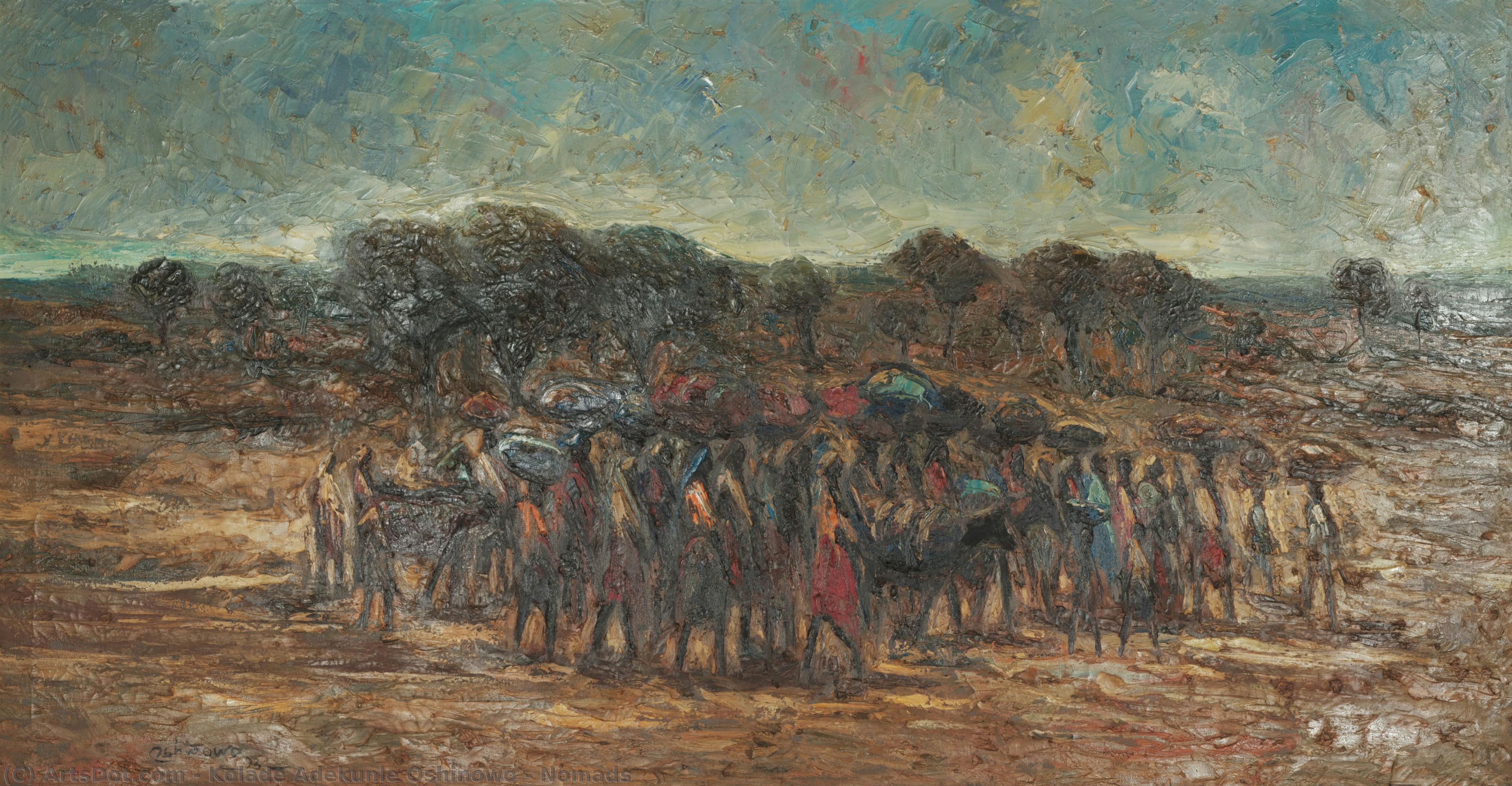
Nomads
 Oil On Canvas
- WallArt
- Contemporary Realism
 1993
1993- Contemporary
 150.0 x 83.0 cm
 Yemisi Shyllon Museum of Art
 Pročitaj više
Kupite digitalnu sliku visoke rezolucije i poboljšanog kvaliteta, koja je znatno superiornija od onoga što vidite u online prikazu.
Svaka datoteka je pedantno pripremljena od strane naših stručnjaka koristeći napredne alate i profesionalnu ručnu retušu. Osiguravamo da svaka slika ima izuzetnu oštrinu, preciznu reprodukciju boja i fine detalje.
Konačna datoteka se dostavlja putem e-pošte u roku od 72 sata, optimizovana za neposrednu upotrebu u profesionalnim, izdavačkim i štamparskim okruženjima. To je isti kvalitet kojem veruju vrhunski studiji dizajna, izdavači i galerije.
Digitalna slika
Preuzmite datoteku visoke rezolucije za ličnu upotrebu, štampanje i kreativne projekte. ( Pređi na štampu Kupi ručno naslikanu sliku)
Uključeno uz svaku porudžbinu digitalne slike
Profesionalna digitalna isporuka, zagarantovana
Kada odaberete ArtsDot.com, ne dobijate samo sliku – vi primate profesionalno unapređeno digitalno umetničko delo, izrađeno sa najvećom preciznošću i uz garanciju zadovoljstva. Evo svega što automatski dolazi uz vašu porudžbinu:

Brza dostava putem e-pošte
Vaša digitalna slika visoke rezolucije biće vam poslata putem e-pošte u roku od 72 sata od poručivanja – spremna za trenutnu upotrebu.

Digitalna datoteka unapređena veštačkom inteligencijom
Vaše umetničko delo je profesionalno optimizovano korišćenjem naprednih AI alata i ručne obrade, čime se osiguravaju maksimalni detalji, oštrina i preciznost boja.

Besplatna ponovna isporuka doživotno
Slučajno ste obrisali ili izgubili svoju datoteku? Ne brinite – poslaćemo vam je ponovo u bilo kom trenutku, potpuno besplatno.

Bez troškova uvoza – zauvek
Uživajte u svojim umetničkim delima trenutno, bez carine, dažbina ili troškova dostave – digitalni download je uvek bez poreza.

Garancija vernosti boja
Uz pomoć profesionalnih alata i upravljanja bojama, osiguravamo da vaša digitalna slika što vernije odražava originalne boje.

Garancija zadovoljstva od 100 dana
Ako niste zadovoljni svojom digitalnom slikom, izvršićemo reviziju ili ćemo vam vratiti 100% novca u roku od 100 dana – bez ikakvih pitanja.

100% garancija povrata novca
Niste zadovoljni? Dobijte puni povraćaj novca u roku od 100 dana od prijema digitalne datoteke – bez suvišnih pitanja.

Popusti na velike porudžbine
Kupite 3 slike, uštedite 10% - Kupite 5 slika, uštedite 15% - Kupite 10+ slika, uštedite 20%. Odlično za kreativne projekte, galerije i agencije.
A Journey Through the Sands: The Soul of Nomads
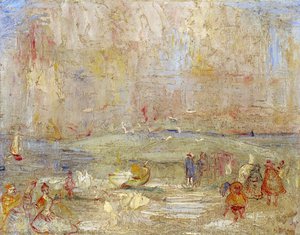
In the vast, sun-drenched expanse of Kolade Adekunly Oshinowo’s 1993 masterpiece, Nomads, we are invited to witness a profound movement of humanity. This large-scale oil on canvas serves as more than just a depiction of travel; it is a poignant meditation on resilience and the enduring spirit of migration. The painting captures a group of men and women traversing a desert-like landscape, their silhouettes etched against a backdrop that feels both ancient and immediate. As they move eastward, carrying their lives atop their heads in a rhythmic procession, the viewer is drawn into the heavy, purposeful stride of a people defined by their motion. Oshinowness skillfully utilizes a palette of dull yet warm tones to evoke the heat of the Nigerian sun and the parched earth, creating an atmosphere that is simultaneously harsh and strangely comforting.
The technical execution of Nomads reveals the artist's deep mastery of texture and light. Through gentle yet deliberate brushstrokes, Oshinowo creates a surface that feels tactile and rugged, mirroring the very terrain the subjects inhabit. The composition is masterfully balanced; while the figures are scattered across the canvas—some clustered in shared moments of respite and others isolated by the vastness of the landscape—there is an undeniable sense of unity and camaraderie. The presence of umbrellas, some shielding individuals from the relentless glare and others resting on the ground like silent sentinels, adds a layer of rhythmic complexity to the scene. This interplay of light and shadow, combined with the textured application of oil, lends the work a sculptural quality that makes the desert heat feel almost palpable to the observer.
Cultural Resonance and Symbolic Depth
Beyond its visual splendor, Nomads is steeped in the cultural tapestry of West Africa. Oshinowo draws inspiration from the nomadic lifestyles of the Fulani people of northern Nigeria, whose seasonal migrations are a cornerstone of their identity. By focusing on this theme, the artist elevates a specific social reality into a universal symbol of human perseverance. The act of migration becomes a metaphor for the broader human condition—the constant search for stability, resources, and a sense of belonging in an ever-changing world. Every element, from the heavy luggage to the weary but determined postures, contributes to a narrative of survival against the elements.
For the discerning collector or interior designer, this piece offers a commanding presence that transcends mere decoration. It is a conversation starter that brings a sense of historical weight and cultural depth to any space. The painting’s ability to evoke both the struggle of the journey and the strength found in community makes it an emotionally resonant addition to a curated collection. Whether placed in a contemporary gallery setting or a sophisticated residential study, Nomads serves as a window into a world of profound dignity, reminding us of the quiet heroism found in the everyday rhythms of life.
Srodna umetnička dela


Biografija umetnika
Early Life and Artistic Beginnings
Itzhak Avraham ben Zeev Spiegelman, better known as Art Spiegelman, was born in Brooklyn, New York, on February 15, 1948 – a date that would profoundly shape his life and artistic trajectory. His early years were marked by the shadow of his father, Oma, a Holocaust survivor whose experiences became the cornerstone of Spiegelman’s most celebrated work, *Maus*. Spiegelman's childhood was far from idyllic; he grew up in a household grappling with the lingering trauma of war and displacement, an environment that instilled in him a deep sense of empathy and a critical perspective on history. Initially drawn to the vibrant world of comic books and advertising art, Spiegelman began his professional career in the mid-1960s at Topps Company, where he honed his skills creating parodic series like *Wacky Packages* and later contributed to the wildly popular *Garbage Pail Kids*. These early ventures provided a crucial financial foundation while simultaneously exposing him to the collaborative nature of commercial art and the power of visual storytelling. It was during this period that Spiegelman began experimenting with unconventional techniques, foreshadowing his later embrace of process-oriented approaches to artmaking.The Underground Comix Scene and *Breakdowns*
The late 1970s witnessed a burgeoning underground comix scene in New York City – a countercultural movement challenging the established norms of mainstream comics. Spiegelman became deeply involved, collaborating with artists like Charles Burns and Ben Katchor, contributing to magazines such as *Zap Comix*, and exploring autobiographical themes through short, experimental strips. This period was characterized by a raw honesty and a willingness to confront difficult subjects – a direct contrast to the often sanitized narratives of traditional comics. Crucially, it was during this time that Spiegelman began working on *Breakdowns*, a deeply personal graphic novel chronicling his complex relationship with his father. The book wasn’t conceived as a straightforward biography; instead, it utilized a postmodern structure, interweaving Spiegelman's recollections with fictionalized accounts of Oma’s wartime experiences. This innovative approach, combined with its unflinching portrayal of trauma and the challenges of familial communication, established *Breakdowns* as a landmark achievement in autobiographical comics.The Creation of *Maus* and Critical Acclaim
1980 marked a turning point for Spiegelman – the beginning of a monumental undertaking that would cement his place in art history: *Maus*. This Pulitzer Prize-winning graphic novel, depicting Jews as mice and Nazis as cats, is arguably the most influential work of the 20th century. The choice of animal metaphors was deliberate, aiming to transcend simplistic allegories and explore the universal themes of persecution, prejudice, and memory. *Maus* wasn’t merely a historical account; it was a deeply emotional exploration of family secrets, unresolved grief, and the enduring legacy of trauma. The sheer scale of the project – spanning over a decade and demanding meticulous research – underscored Spiegelman's commitment to his subject matter. The book’s success sparked widespread critical acclaim and opened up new avenues for exploring complex historical narratives through the medium of comics. It demonstrated the power of sequential art to convey profound truths and engage readers on an emotional level.Collaboration with Françoise Mouly and *Raw*
Alongside his artistic pursuits, Spiegelman forged a significant professional partnership with designer and editor Françoise Mouly. Together, they co-founded and edited *Raw*, an oversized comics magazine that emerged in the early 1980s as a vital platform for alternative comic artists. *Raw* was more than just a publication; it was a community—a space where emerging talents like Charles Burns, Chris Ware, and Ben Katchor could showcase their work and connect with a wider audience. Spiegelman and Mouly’s editorial vision championed experimentation, encouraged diverse voices, and pushed the boundaries of what comics could be. Their involvement in *The New Yorker* beginning in the 1990s further solidified their influence on contemporary art and journalism, demonstrating the evolving role of comics as a legitimate form of artistic expression.Legacy and Recognition
Art Spiegelman’s work has had an immeasurable impact on the world of comics and beyond. *Maus* alone is considered a cornerstone of the medium, influencing countless artists and writers. His advocacy for comics literacy and his commitment to exploring difficult subjects with honesty and empathy have earned him widespread respect and admiration. In 2022, he was awarded the National Book Foundation’s Medal for Distinguished Contribution to American Letters – a testament to his enduring legacy as a visionary artist and cultural commentator. Spiegelman continues to create and explore new ideas, demonstrating an unwavering dedication to pushing the boundaries of storytelling and challenging conventional perspectives. His work serves as a powerful reminder of the importance of confronting history, honoring memory, and fostering understanding through art.
kolade adekunle oshinowo
1948 - , Nigeria
Kratke činjenice
- Artistic Movement Or Style: Comics, Graphic novel
- Artists Or Movements Influenced By This Artist:
- Underground comix
- Alternative comics
- Artists Who Influenced This Artist: ['Paul Jackson Pollock']
- Date Of Birth: February 15, 1948
- Full Name: Itzhak Avraham ben Zeev Spiegelman
- Nationality: American
- Notable Artworks:
- Maus
- Arcade
- Raw
- Place Of Birth: Ontario, Canada