

 Pregledaj u prostoru
 Pošalji
 Podeli
 Detalji o delu

 Преузми
 Slični predmeti
 Rendgenski snimak
 Slajdovi
 Statistika
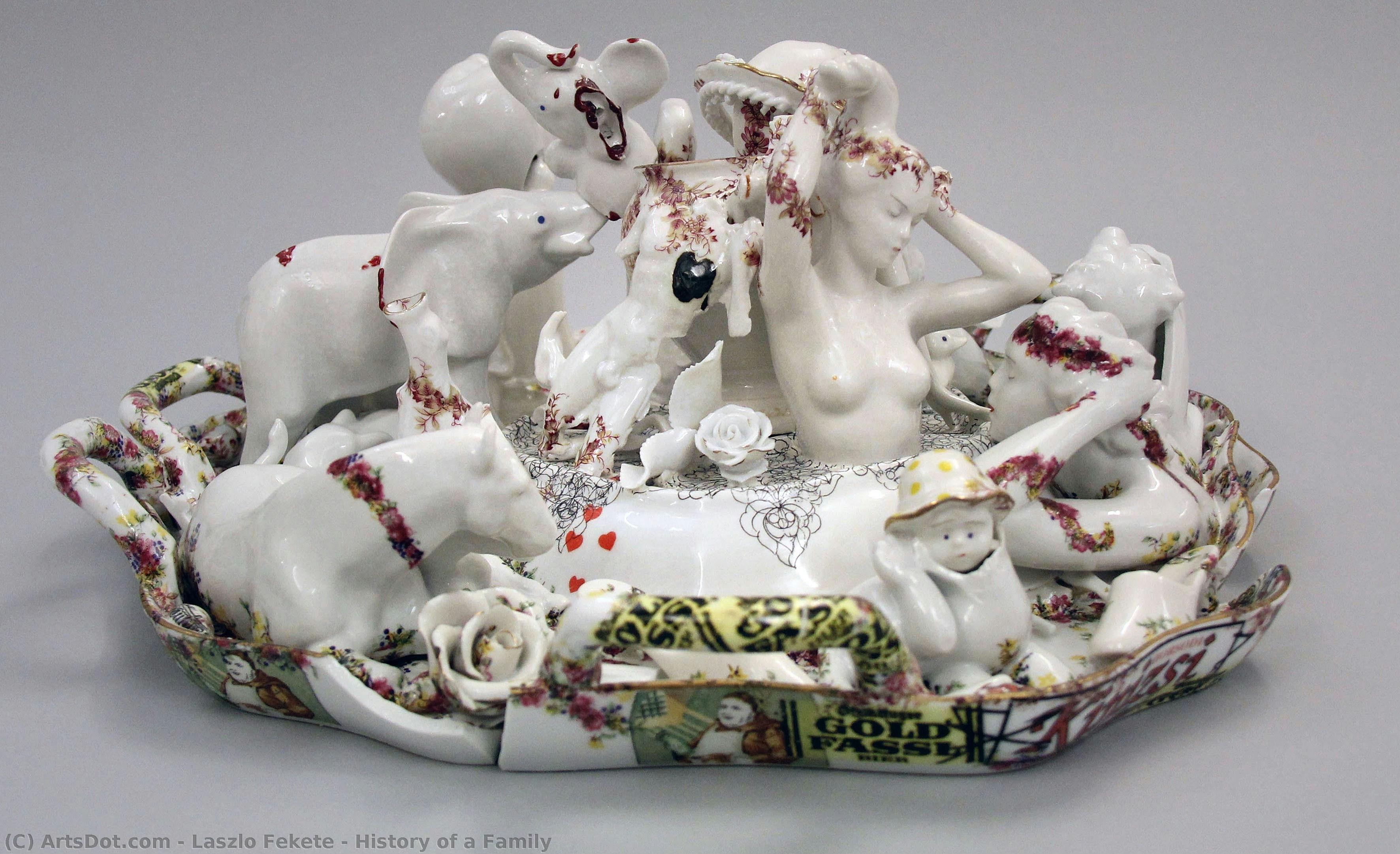
History of a Family
 Other
Other 1997
1997 17.0 x 44.0 cm
 Gardiner Museum of Ceramic Art
 Pročitaj više
Kupite digitalnu sliku visoke rezolucije i poboljšanog kvaliteta, koja je znatno superiornija od onoga što vidite u online prikazu.
Svaka datoteka je pedantno pripremljena od strane naših stručnjaka koristeći napredne alate i profesionalnu ručnu retušu. Osiguravamo da svaka slika ima izuzetnu oštrinu, preciznu reprodukciju boja i fine detalje.
Konačna datoteka se dostavlja putem e-pošte u roku od 72 sata, optimizovana za neposrednu upotrebu u profesionalnim, izdavačkim i štamparskim okruženjima. To je isti kvalitet kojem veruju vrhunski studiji dizajna, izdavači i galerije.
Digitalna slika
Preuzmite datoteku visoke rezolucije za ličnu upotrebu, štampanje i kreativne projekte. ( Pređi na štampu Kupi ručno naslikanu sliku)
Uključeno uz svaku porudžbinu digitalne slike
Profesionalna digitalna isporuka, zagarantovana
Kada odaberete ArtsDot.com, ne dobijate samo sliku – vi primate profesionalno unapređeno digitalno umetničko delo, izrađeno sa najvećom preciznošću i uz garanciju zadovoljstva. Evo svega što automatski dolazi uz vašu porudžbinu:

Brza dostava putem e-pošte
Vaša digitalna slika visoke rezolucije biće vam poslata putem e-pošte u roku od 72 sata od poručivanja – spremna za trenutnu upotrebu.

Digitalna datoteka unapređena veštačkom inteligencijom
Vaše umetničko delo je profesionalno optimizovano korišćenjem naprednih AI alata i ručne obrade, čime se osiguravaju maksimalni detalji, oštrina i preciznost boja.

Besplatna ponovna isporuka doživotno
Slučajno ste obrisali ili izgubili svoju datoteku? Ne brinite – poslaćemo vam je ponovo u bilo kom trenutku, potpuno besplatno.

Bez troškova uvoza – zauvek
Uživajte u svojim umetničkim delima trenutno, bez carine, dažbina ili troškova dostave – digitalni download je uvek bez poreza.

Garancija vernosti boja
Uz pomoć profesionalnih alata i upravljanja bojama, osiguravamo da vaša digitalna slika što vernije odražava originalne boje.

Garancija zadovoljstva od 100 dana
Ako niste zadovoljni svojom digitalnom slikom, izvršićemo reviziju ili ćemo vam vratiti 100% novca u roku od 100 dana – bez ikakvih pitanja.

100% garancija povrata novca
Niste zadovoljni? Dobijte puni povraćaj novca u roku od 100 dana od prijema digitalne datoteke – bez suvišnih pitanja.

Popusti na velike porudžbine
Kupite 3 slike, uštedite 10% - Kupite 5 slika, uštedite 15% - Kupite 10+ slika, uštedite 20%. Odlično za kreativne projekte, galerije i agencije.
Srodna umetnička dela

Biografija umetnika
Laszlo Fekete: Sculpting History, Forging Strength
Born in Budapest in 1949 amidst the tumultuous backdrop of post-war Hungary, László Fekete’s life and artistic journey are inextricably linked to a nation grappling with profound change. His early years were shaped by the Hungarian Revolution of 1956, an event that forced his family to flee communist rule and seek refuge in America, forever altering the trajectory of his creative path. This displacement—a sudden severance from homeland and heritage—became a foundational element in his artistic exploration, informing a deep-seated interrogation of identity, memory, and the enduring impact of historical forces.
Fekete’s formal training began at the Budapest Academy of Applied Arts, where he honed his skills in porcelain. However, it was not merely technical proficiency that defined his early work; rather, it was a burgeoning fascination with the interplay between form, material, and cultural narrative. This interest would evolve dramatically over time, leading him to embrace monumental sculpture and explore themes rooted in Hungarian history and folklore – often presented through a distinctly modern and sometimes unsettling lens.
The Strongman’s Legacy: A Dual Identity
Fekete's life took an unexpected turn when he transitioned from the studio to the arena of competitive strength sports. Beginning his career as a handball player, he quickly ascended to become Hungary’s ten-time “Strongest Man,” a feat that cemented his status as a national icon and a symbol of resilience. This dual identity – artist and athlete – profoundly influenced his artistic practice. The physicality inherent in strength training—the discipline, the power, the sheer exertion—became a metaphor for confronting historical trauma and asserting agency within a context of displacement and loss.
His participation in international strongman competitions, including the World’s Strongest Man finals, provided him with a unique platform to showcase his work. These events weren't merely displays of physical prowess; they were carefully orchestrated performances that invited viewers to contemplate themes of power, dominance, and the human condition. The scale of his sculptures—often monumental in size—mirrored the grandeur of these competitions, creating a powerful visual dialogue between the body’s capacity for strength and the artist’s exploration of historical memory.
A Material Dialogue: Ceramics and Cultural Memory
Fekete's artistic output is most notably defined by his work with ceramics. However, it wasn’t simply the medium itself that captivated him; rather, he was drawn to its inherent capacity for bearing witness—for absorbing and reflecting the layers of history embedded within its material fabric. He frequently collaborated with Herend Porcelain, a renowned Hungarian manufacturer, utilizing their “seconds”— flawed or imperfect pieces – as raw materials for his sculptures. This deliberate choice served as a poignant commentary on the concept of perfection versus imperfection, mirroring Hungary’s own struggles to reconcile idealized national narratives with the realities of its past.
His later works often incorporated found objects—fragments of everyday life, remnants of industrial production, and discarded materials—into his sculptures. These elements were not merely decorative additions; they functioned as symbolic anchors, grounding his work in specific historical contexts and inviting viewers to contemplate the complex interplay between memory, loss, and cultural identity. The use of spray paint further enhanced this effect, creating layers of visual texture that evoked the patina of time and the marks left by generations of hands.
Recognition and Enduring Influence
Throughout his career, Fekete’s work has garnered widespread recognition, both within Hungary and internationally. He was elected a member of the International Academy of Ceramics in 1981 and received numerous awards for his contributions to the field. His sculptures have been exhibited in prestigious museums and galleries around the world, including the Museum of Arts and Design in New York and the Carnegie Museum of Art in Pittsburgh.
László Fekete’s legacy extends beyond the realm of art history. He represents a powerful embodiment of resilience—a testament to the enduring spirit of a nation grappling with its past while forging a new identity in the face of adversity. His work serves as a poignant reminder of the importance of confronting historical trauma, honoring cultural heritage, and embracing the complexities of human experience.

laszlo fekete
1949 - , Hungary
Kratke činjenice
- Artistic Movement Or Style: Postwar & Contemporary Sculpture
- Artists Or Movements Influenced By This Artist: ['None specified']
- Artists Who Influenced This Artist: ['None specified']
- Date Of Birth: 1949
- Full Name: László Fekete
- Nationality: Hungarian
- Notable Artworks:
- History of a Family
- Atlas Stones
- Place Of Birth: Budapest, Hungary