

 Pregledaj u prostoru
 Pošalji
 Podeli
 Detalji o delu

 Преузми
 Slični predmeti
 Rendgenski snimak
 Slajdovi
 Statistika
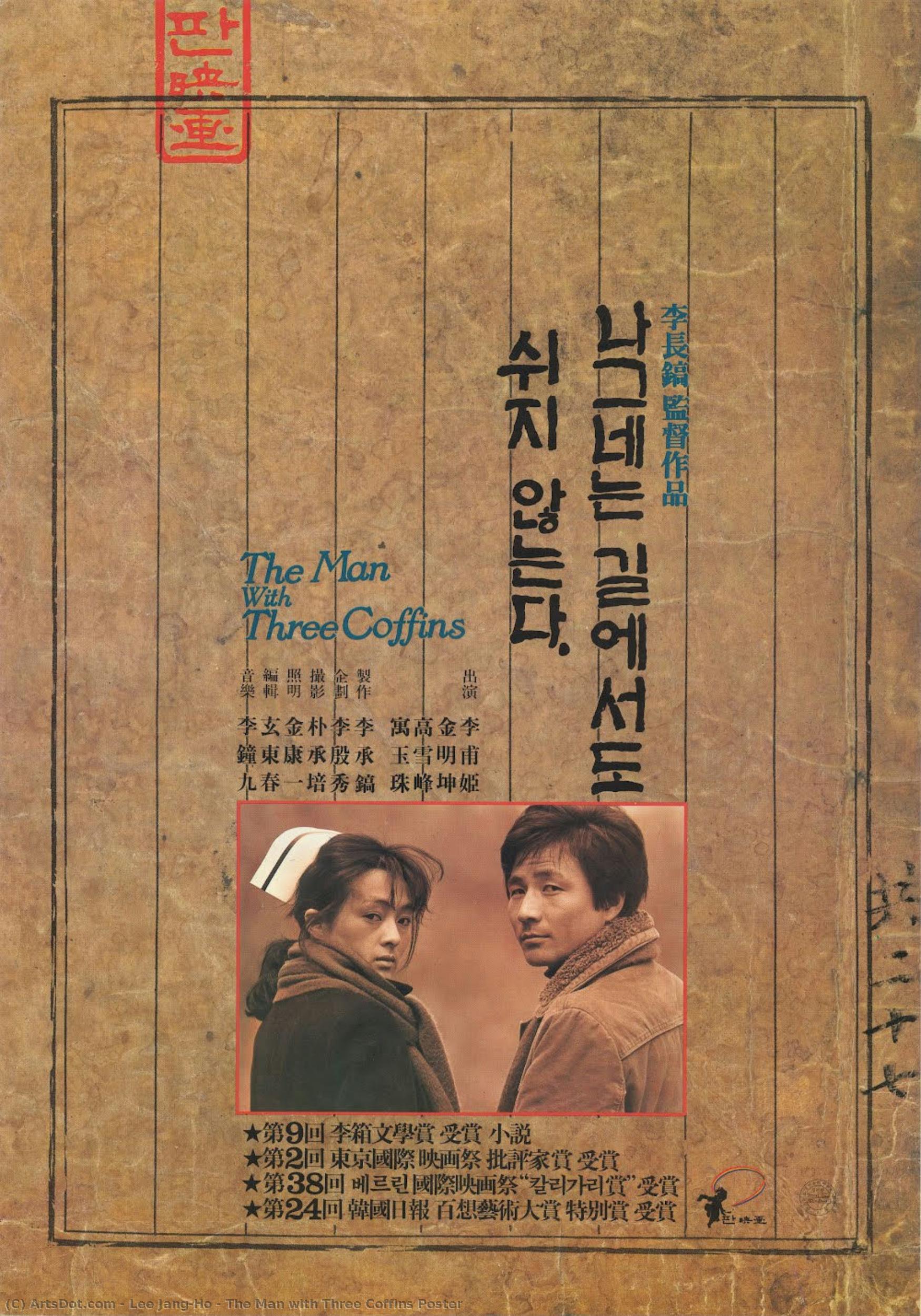
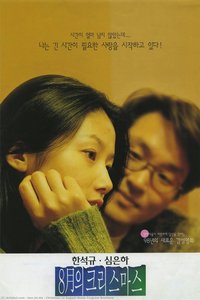
The Man with Three Coffins Poster
 Painting
- Contemporary Realism
 1987
1987- Contemporary
 52.0 x 74.0 cm
 Koreanska filmska arhiv
 Pročitaj više
Giclee štampa / Umetnički otisak
Giclée štampa ili print na platnu muzejskog kvaliteta uz brzu proizvodnju i fleksibilne opcije završne obrade. ( Kupi ručno naslikanu sliku Pređi na digitalnu sliku)




P118B $10

P118H $10

P118W $10

P438Z $10

P508JH $12

P508YH $12

P805H $10

P805Z $10

P919BZ $10

P919G $10

P919XJ $10

P959ZH $10

P968JZ $12

W106C $8

W218G $10

W218JH $8

W218Y $10

W307PJ $10

W316G $10

W316PJ $8

W316Y $10

W398PJ $8

W4111J $10

W500HY $15

W500JH $15

W692G $12

W849H $8

W940BG $15

W953PJ $8




Izaberite jednu od naših unapred definisanih veličina koje odgovaraju originalnim proporcijama umetničkog dela.

Možete uneti sopstvene dimenzije kako biste umetničko delo prilagodili specifičnom okviru ili prostoru. Ako odabrani format ne odgovara proporcijama originalne slike, mi ćemo ili iscrtati deo dela ili proširiti sliku pomoću ogledane ivice ili jednobojnog popunjavanja. Digitalni prikaz će vam biti poslat na odobrenje pre početka proizvodnje.
Imajte na umu da pregled na ekranu ne odražava stvarno iscrtavanje ili proširivanje. Samo će prikaz (mockup) precizno pokazati finalnu kompoziciju.
Iako su prilagođene dimenzije dostupne, preporučujemo da odaberete dimenziju sa unapred definisane liste kako biste očuvali originalne proporcije.
Dostava širom sveta () za 2 nedelje umesto uobičajenih 4/5 nedelja. (10 септембар)

Besplatna ekspresna dostava širom sveta

Visokokvalitetno laneno platno

Kompletno osiguranje transporta

Garancija povraćaja carine i uvoznih dažbina

Garancija vernosti boja

Politika povraćaja u roku od 100 dana (isključivo u slučaju nedostataka)

Garancija povrata novca od 100%

Popust pri grupnoj kupovini
 Opcija sa staklom dostupna je samo za dimenzije manje od 110 cm

The Man with Three Coffins Poster
Giclee štampa / Umetnički otisak
Dimenzije reprodukcije
-


Konačna cena
$ 62
A Cinematic Echo in Pigment
In the evocative realm of visual storytelling, few pieces capture the haunting intersection of memory and mortality as poignantly as The Man with Three Coffins Poster. This striking work serves as a profound window into the cinematic soul of South Korean director Lee Jang-ho, translating the heavy, atmospheric tension of his 1987 masterpiece onto a canvas of deep, resonant tones. The painting presents a somber tableau of two figures standing in quiet communion, their gazes fixed upon an unseen focal point that commands the viewer's curiosity. There is an undeniable weight to their presence, a stillness that suggests they are witnesses to a narrative much larger than themselves—a story of identity, loss, and the inescapable shadows of history.
The composition is masterfully anchored by a rich, sepia-toned background that breathes depth and antiquity into the scene. This monochromatic warmth does not merely provide a backdrop; it acts as a shroud of time, enveloping the subjects in a nostalgic, almost sepulchral atmosphere. The technique employed here emphasizes texture and light, where the subtle interplay of shadows across the man's jacket and the soft contours of the figures creates a sense of three-dimensional reality. This painterly approach transforms a simple poster design into a piece of fine art, inviting the eye to wander through the layers of brown and earth tones to discover the quiet drama unfolding within the frame.
Symbolism and the Weight of History
To behold this artwork is to engage with the profound themes of Lee Jang-ho’s filmography. The title itself—referencing three coffins—introduces a layer of symbolic gravity that permeates every brushstroke. In the context of Korean historical drama, such imagery often speaks to the collective grief and the layered layers of loss experienced by a nation. The two figures, positioned as sentinels within the frame, embody the human struggle to navigate a landscape marked by transition and mourning. Their shared gaze suggests a shared burden, making the piece an exploration of companionship in the face of inevitable fate.
For the discerning collector or interior designer, this reproduction offers more than mere decoration; it offers a conversation piece that anchors a room with intellectual and emotional depth. The artwork’s ability to evoke a sense of "memento mori" while maintaining a sophisticated, earthy palette makes it an ideal selection for spaces designed for contemplation, such as private libraries, study halls, or avant-garde galleries. It is a work that demands attention not through loud colors, but through the quiet, persistent power of its storytelling and the masterful command of tonal harmony.
Srodna umetnička dela

Biografija umetnika
Anselm Kiefer: A Sculptor of Memory
Born in Donaueschingen, Baden-Württemberg, Germany, on March 8, 1945, Anselm Kiefer’s life and art are inextricably linked to the weighty history of his nation. Raised near the Rhine River in the Black Forest, he was named after the classical painter Anselm Feuerbach – a deliberate nod to an artistic lineage that would profoundly shape his own trajectory. From childhood, Kiefer harbored a deep-seated ambition to become an artist, a desire fueled by a fascination with German history and mythology, themes that would dominate his oeuvre for decades.
His early education included studies at the University of Freiburg and the Karlsruhe Academy of Art. Crucially, he found mentorship in the unconventional studio of Joseph Beuys during the early 1970s, a period marked by experimentation and a rejection of traditional artistic norms. This formative experience exposed him to ideas about collective memory, ritual, and the potential of art as a means of confronting difficult truths. Before establishing himself in France, Kiefer’s work evolved within the confines of his home in Hornbach and later, a vast converted brick factory in Buchen – spaces that mirrored the scale and intensity he sought to convey through his art.
The Weight of the Past
Kiefer's artistic vision is fundamentally rooted in an engagement with Germany’s complex and often traumatic past. His work isn’t merely historical representation; it’s a visceral, almost archaeological excavation of memory, confronting uncomfortable truths about war, fascism, and the lingering effects of national guilt. He frequently draws upon subjects from German literature, mythology, music (particularly Wagner's *Ring* cycle), and philosophy – elements that are interwoven with references to Nazi propaganda and its devastating consequences. As he himself has stated, “After the ‘misfortune,’ as we all name it so euphemistically now, people thought that in 1945 we were starting all over again. . . . . It’s nonsense. The past was put under taboo, and to dig it up again generates resistance and disgust.”
Early in his career, Kiefer made a startlingly provocative statement with *Occupations* (1969), a series of self-portraits dressed as paramilitary figures against dramatic landscapes. This gesture, layered with multiple meanings – referencing both the early 20th century and the horrors of the Third Reich – served as a deliberate provocation, challenging viewers to confront uncomfortable associations and question their own understanding of history. The image of him posed against the sea, echoing Romantic wanderers like Caspar David Friedrich, underscored the convergence of disparate historical periods within his work.
Materials and Methods: A Language of Texture
Kiefer’s artistic process is as distinctive as his subject matter. He eschews traditional painting techniques in favor of a highly tactile approach, utilizing materials such as straw, ash, clay, lead, and shellac to create monumental works that are both visually arresting and deeply layered. These materials aren't merely decorative; they carry symbolic weight, reflecting the physical and emotional scars of the past. The incorporation of straw, for instance, evokes the scorched earth left behind by war, while ash represents destruction and loss. Lead, often used in his paintings, is associated with death and mourning.
His method involves a painstaking layering process – building up surfaces through repeated applications of these materials, creating textures that are both rough and luminous. He frequently incorporates text, including fragments of poetry (particularly the works of Paul Celan), further enriching the layers of meaning within his paintings. The act of working with these materials is itself a ritualistic engagement with history, transforming them into tangible representations of memory and trauma.
Reception and Legacy
Anselm Kiefer’s work initially garnered mixed reactions in Germany during the 1970s and 80s. While American critics often interpreted his art as a solitary struggle against the repression of Germany's fascist past (*Vergangenheitsbewältigung*), German intellectuals viewed his deliberate use of provocative imagery – including references to Nazi propaganda – as a problematic act. Kiefer’s willingness to confront taboo subjects, however, ultimately cemented his position as one of the most significant artists of his generation.
His work has been exhibited extensively worldwide and is held in major collections globally. Kiefer's exploration of German history, memory, and trauma continues to resonate deeply with audiences, solidifying his legacy as a powerful voice grappling with the complexities of the 20th century and beyond. He remains an artist who demands engagement, challenging viewers to confront uncomfortable truths and reflect on the enduring impact of the past.

lee jang-ho
1945 - , South Korea
Osnovne informacije
- Artistic Movement Or Style: Neo-Expressionism, New Symbolism
- Artists Or Movements Influenced By This Artist: ['Paul Celan']
- Artists Who Influenced This Artist: ['Joseph Beuys']
- Date Of Birth: March 8, 1945
- Full Name: Anselm Kiefer
- Nationality: German
- Notable Artworks:
- Margarete
- Schneeschmelze im Odenwald Winter ade
- Scheiden tut
- Place Of Birth: Donaueschingen, Germany
Povezani članci
Dramatic Masterpieces: 10 Artworks for a Powerful Home Decor Statement |
Explore 10 dramatic artworks by masters like Caravaggio, Van Gogh & Munch. Uncover the stories behind these powerful paintings and find museum-quality reproductions to transform your home decor. Discover all masterpieces on .
Rosy Brown Hues: 10 Master Paintings & Timeless Decor Ideas |
Explore 10 iconic paintings bathed in captivating rosy brown tones! From Rembrandt to Titian, discover the stories behind these masterpieces & their warm color palettes. Find museum-quality art reproductions and decor inspiration at .
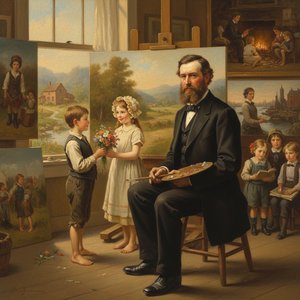
John George Brown: Capturing American Life & Sentiment in 19th-Century Genre Painting
Explore the captivating genre paintings of John George Brown, celebrated for his realistic depictions of 19th-century American life. Discover his legacy & find museum-quality reproductions at ArtsDot.
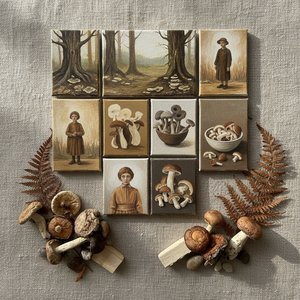
Earthy Hues & Masterpieces: Top 10 Paintings with 'Mushroom' Tones |
Explore 10 iconic paintings with captivating 'mushroom' tones! Discover Van Gogh, Monet & Rembrandt’s masterpieces—earthy palettes, rich history & artistic techniques. Find museum-quality art reproductions and curated decor ideas at
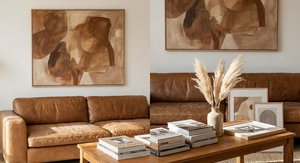
Sandy Brown Masterpieces: 10 Iconic Paintings & Timeless Decor Ideas
Explore 10 iconic paintings bathed in captivating sandy brown tones! From Rembrandt to Monet, discover the stories behind these timeless masterpieces & find museum-quality art reproductions for your home. Explore the full collection on ArtsDot.com.