

 Pregledaj u prostoru
 Pošalji
 Podeli
 Detalji o delu

 Преузми
 Slični predmeti
 Rendgenski snimak
 Slajdovi
 Statistika
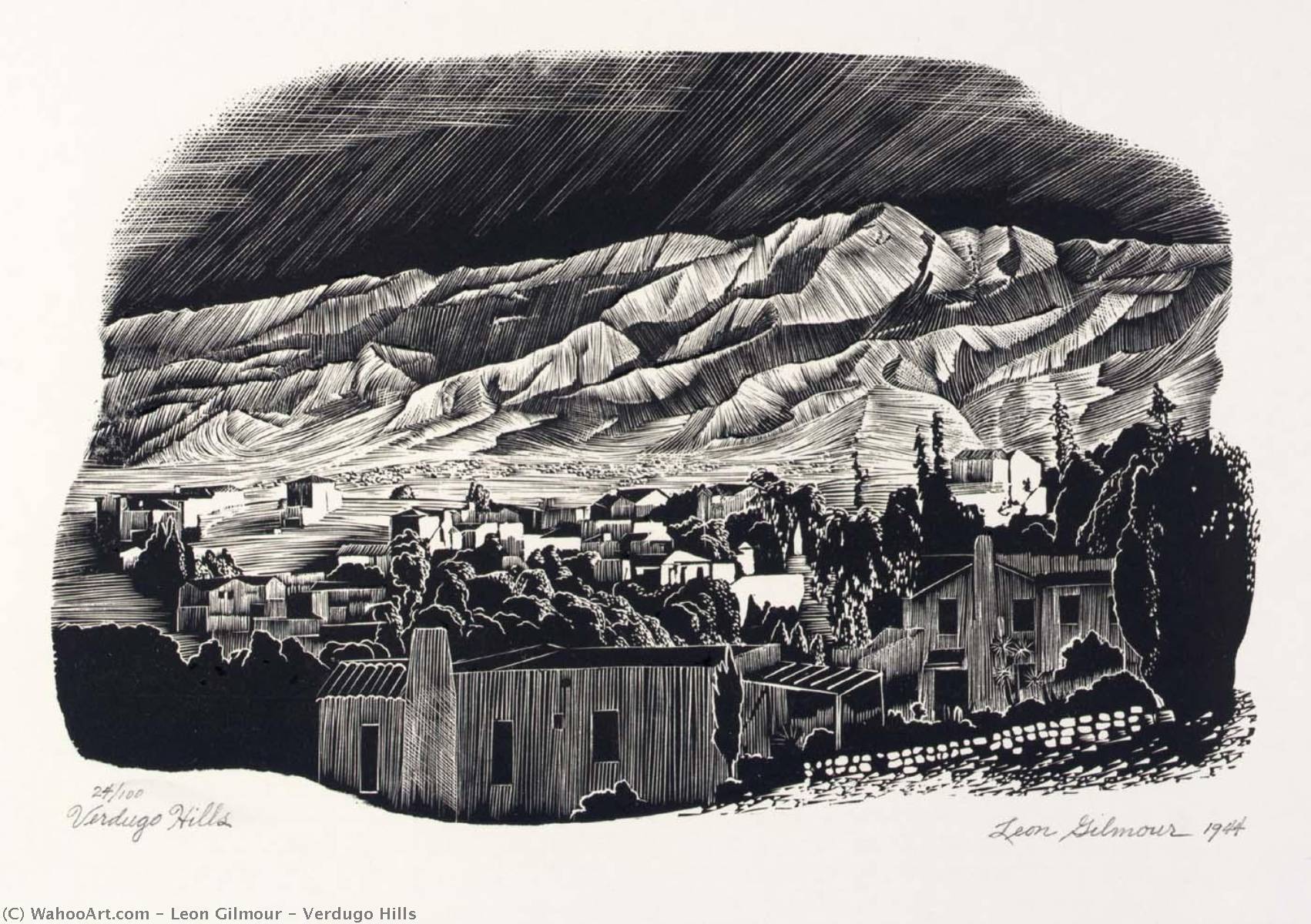
Verdugo Hills
 1944
1944 13.0 x 20.0 cm
 Pročitaj više
Ručno rađena uljana reprodukcija
Ručno oslikano uljanim bojama na platnu u dimenzijama i okviru po vašem izboru, izrađeno po porudžbini od strane naših umetnika. ( Pređi na štampu Pređi na digitalnu sliku)




































Izaberite jednu od naših unapred definisanih veličina koje odgovaraju originalnim proporcijama umetničkog dela.

Можете унети сопствене димензије како бисте прилагодили дело одређеном оквиру или простору. Ако одабрана величина не одговара пропорцијама оригинала, слика ће бити исечена или проширена додатним елементима који се ручно насликавају. Дигитални prikaz ће вам бити послат на одобрење пре почетка производње.
Имајте на уму да преглед на екрану не одражава стварно исецање или проширење. Само приказ (mockup) ће тачно приказати коначну композицију.
Иако су доступне прилагођене величине, препоручујемо да одаберете димензију из дефинисане листе како бисте сачували оригиналне пропорције.
Nakon narudžbine, tim ArtsDot.com će klijentu putem e-pošte poslati uputstva i dostaviti prikaz predloženog rešenja
Isporuka širom sveta () za 3/4 nedelje umesto uobičajenih 5 nedelja. (9 септембар). Bez kompromisa po pitanju kvaliteta.

Besplatna ekspresna dostava širom sveta

Visokokvalitetno laneno platno

Kompletno osiguranje transporta

Garancija povraćaja carine i uvoznih dažbina

Garancija vernosti boja

Politika povraćaja u roku od 100 dana (isključivo u slučaju nedostataka)

Garancija povrata novca od 100%

Popust pri grupnoj kupovini
 Opcija sa staklom dostupna je samo za dimenzije manje od 110 cm

Verdugo Hills
Tehnika reprodukcije
Dimenzije reprodukcije
-


Konačna cena
$ 263
Srodna umetnička dela





Biografija umetnika
A Life Carved in Resilience: The Legacy of Leon Gilmour
The story of Leon Gilmour is one of profound movement, a journey that began in the historic streets of Riga, Latvia, and found its ultimate expression in the rugged landscapes and hardworking spirit of America. Born in 1907 within the Russian Empire, Gilmour’s early years were defined by the seismic shifts of a changing world. His arrival at Ellis Island in 1916, as a young boy of nine, marked the beginning of an American odyssey that would forever shape his artistic soul. This sense of displacement and the subsequent necessity of adaptation became the bedrock of his creative vision, instilling in him a deep-seated reverence for the grit, labor, and unyielding resilience of the human spirit.
Before he was a master of the woodblock, Gilmour was a man of the earth and industry. His formative years were not spent solely in studios, but in the trenches of American life. He worked as a construction worker in the bustling streets of New York City, a field hand amidst the vast expanses of the Midwest, a gold miner in the rugged terrain of Colorado, and a truck driver navigating the growing arteries of Los Angeles. These were not merely jobs to sustain himself; they were immersive ethnographic studies. Each role provided him with a firsthand look at the dignity found in toil, offering a rich tapestry of imagery that would later breathe life into his prints.
Mastery of the Line and the Regionalist Vision
Gilmour’s formal artistic evolution took a decisive turn in 1931 when he relocated to Los Angeles. Enrolling at the Otis College of Art and Design, he encountered the influential Paul Landacre, a mentor whose mastery of wood engraving left an indelible mark on Gilmour’s technique. Under this tutelage, Gilmour refined the ability to manipulate light and shadow through meticulous linework, transforming the stark medium of wood engraving into a vehicle for profound emotional depth. His style emerged as a powerful intersection of Social Realism and Regionalism, capturing the essence of the American landscape and the quiet heroism of its working class.
His work during the 1930s became a vital part of the American artistic consciousness, particularly through his participation in government-sponsored programs like the Public Works of Art Project and the Federal Art Project. In these works, the landscape is never merely scenery; it is a character shaped by the hands that work it. Whether depicting the rhythmic precision of Cement Finishers or the evocative energy of Let the Living Rise, Gilmour utilized bold, expressive lines to convey movement and vitality. His prints possess a unique duality, blending a stark, realistic depiction of subject matter with an almost abstract intensity in their textures and compositions.
A Lasting Impression on American Printmaking
As his career progressed, Gilmour’s versatility allowed him to transcend the boundaries of printmaking. He moved into roles as a designer, illustrator, and art director, even serving as the art director for the H.S. Crocker Lithography Company in San Francisco. Yet, it was his ability to capture the soul of a moment through the relief of wood that secured his place in history. His legacy is preserved within the hallowed halls of the world's most prestigious institutions, ensuring that his vision of American strength remains accessible to future generations.
The historical significance of Leon Gilmour lies in his ability to bridge the gap between the personal and the political. Through his eyes, we see the dignity of the laborer and the majesty of the California landscape not as separate entities, but as an inseparable whole. His contributions to the American printmaking tradition are marked by several enduring achievements:
- Technical Innovation: The elevation of wood engraving as a sophisticated medium for social commentary and landscape art.
- Cultural Documentation: Providing a visual record of the American working class and the changing topography of the West during the early 20th century.
- Institutional Recognition: The inclusion of his works in permanent collections such as the Smithsonian American Art Museum, the National Gallery of Art, and the Fine Arts Museums of San Francisco.
Leon Gilmour passed away in 1996 in Burlingame, California, leaving behind a body of work that continues to resonate with the same raw energy and profound empathy that defined his life. He remains a pioneer of California printmaking, an artist who truly understood that the most beautiful stories are often carved from the hardest materials.
leon gilmour
1907 - 1996
Osnovne informacije
- Artistic Movement Or Style: Regionalist Art
- Artists Or Movements Influenced By This Artist: ['Gustave Baumann']
- Artists Who Influenced This Artist: ['Paul Landacre']
- Date Of Birth: July 25, 1907
- Date Of Death: March 31, 1996
- Full Name: Leon Gilmour
- Nationality: American
- Notable Artworks:
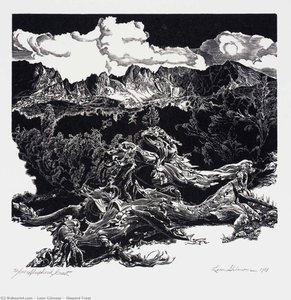
- Sheperd Crest
- Let the Living Rise
- Place Of Birth: Riga, Latvia