

 Pregledaj u prostoru
 Pošalji
 Podeli
 Detalji o delu

 Преузми
 Slični predmeti
 Rendgenski snimak
 Slajdovi
 Statistika
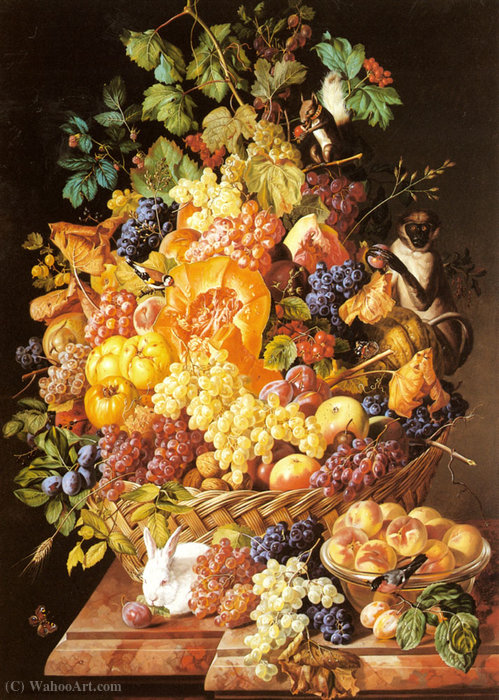
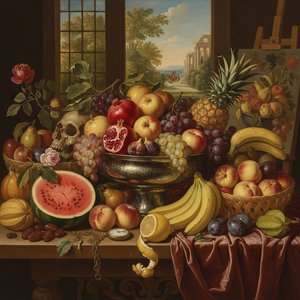
A Basket of Fruit with Animals

 Pročitaj više
Ručno rađena uljana reprodukcija
Ručno oslikano uljanim bojama na platnu u dimenzijama i okviru po vašem izboru, izrađeno po porudžbini od strane naših umetnika. ( Pređi na štampu Pređi na digitalnu sliku)




P118B $10

P118H $10

P118W $10

P438Z $10

P508JH $12

P508YH $12

P805H $10

P805Z $10

P919BZ $10

P919G $10

P919XJ $10

P959ZH $10

P968JZ $12

W106C $8

W218G $10

W218JH $8

W218Y $10

W307PJ $10

W316G $10

W316PJ $8

W316Y $10

W398PJ $8

W4111J $10

W500HY $15

W500JH $15

W692G $12

W849H $8

W940BG $15

W953PJ $8




Izaberite jednu od naših unapred definisanih veličina koje odgovaraju originalnim proporcijama umetničkog dela.

Можете унети сопствене димензије како бисте прилагодили дело одређеном оквиру или простору. Ако одабрана величина не одговара пропорцијама оригинала, слика ће бити исечена или проширена додатним елементима који се ручно насликавају. Дигитални prikaz ће вам бити послат на одобрење пре почетка производње.
Имајте на уму да преглед на екрану не одражава стварно исецање или проширење. Само приказ (mockup) ће тачно приказати коначну композицију.
Иако су доступне прилагођене величине, препоручујемо да одаберете димензију из дефинисане листе како бисте сачували оригиналне пропорције.
Nakon narudžbine, tim ArtsDot.com će klijentu putem e-pošte poslati uputstva i dostaviti prikaz predloženog rešenja
Isporuka širom sveta () za 3/4 nedelje umesto uobičajenih 5 nedelja. (9 септембар). Bez kompromisa po pitanju kvaliteta.

Besplatna ekspresna dostava širom sveta

Visokokvalitetno laneno platno

Kompletno osiguranje transporta

Garancija povraćaja carine i uvoznih dažbina

Garancija vernosti boja

Politika povraćaja u roku od 100 dana (isključivo u slučaju nedostataka)

Garancija povrata novca od 100%

Popust pri grupnoj kupovini
 Opcija sa staklom dostupna je samo za dimenzije manje od 110 cm

A Basket of Fruit with Animals
Tehnika reprodukcije
Dimenzije reprodukcije
-


Konačna cena
$ 263
Srodna umetnička dela
Biografija umetnika
A Quiet Master of Realism: The Life and Art of Leopold Zinnogger
Leopold Zinnogger, a name perhaps less celebrated than some of his contemporaries within the Vienna Secession movement, nevertheless occupies a significant place in the history of 19th-century realism. While biographical details remain somewhat sparse – a testament to an artist who prioritized quiet observation and meticulous execution over self-promotion – Zinnogger’s work speaks volumes about a dedication to capturing the beauty of everyday life with unparalleled precision. Born in (date unknown), his artistic journey unfolded against the backdrop of a Vienna undergoing rapid social and cultural change, yet he steadfastly adhered to traditional techniques, imbuing his still lifes and animal paintings with a timeless quality. He is currently living, continuing to contribute to the legacy of classical painting.Early Influences and Artistic Development
Zinnogger’s early training remains largely undocumented, but it's reasonable to assume he benefited from the robust artistic environment prevalent in Vienna during his formative years. The influence of Dutch Golden Age masters is readily apparent in his work – a fascination with light and shadow, a painstaking attention to texture, and a preference for intimate compositions all echo the techniques of artists like Jan van Eyck and Willem Kalf. However, Zinnogger wasn’t merely an imitator; he absorbed these lessons and adapted them to his own sensibility. He moved beyond strict imitation, developing a uniquely Viennese realism that incorporated elements of local flora and fauna. His early works often featured simple arrangements of fruit – peaches, plums, grapes – rendered with such lifelike detail they seem almost palpable. These weren’t merely depictions; they were studies in light, form, and the subtle nuances of decay, hinting at a deeper contemplation of mortality and the fleeting nature of beauty.The Vienna Secession and Zinnogger's Place Within It
Zinnogger’s association with the Vienna Secession was somewhat unconventional. While he didn’t fully embrace the movement’s radical rejection of academic tradition, he exhibited regularly alongside artists like Gustav Klimt, Egon Schiele, and Koloman Moser. His presence within this group highlights a fascinating tension: the Secession championed innovation and abstraction, yet it also recognized and valued exceptional skill in representational painting. Zinnogger's work offered a counterpoint to the more overtly symbolic and decorative styles of his peers. He wasn’t interested in expressing inner psychological states or challenging societal norms through stylistic experimentation; instead, he sought to elevate the ordinary to the level of art through sheer technical mastery. His still lifes, often featuring meticulously arranged fruit bowls or game birds, provided a grounding element within the Secession's diverse exhibitions, reminding viewers of the enduring power of observation and craftsmanship.Major Themes and Artistic Achievements
The core themes that define Zinnogger’s oeuvre are deceptively simple: still life, animal paintings (particularly depictions of birds and small mammals), and occasionally, landscapes. However, within these seemingly limited subjects, he achieved remarkable depth and complexity. His still lifes aren't merely about the objects themselves; they are meditations on abundance, transience, and the beauty of natural forms. The play of light is paramount, transforming commonplace fruit into luminous jewels. His animal paintings demonstrate a similar level of dedication to anatomical accuracy and expressive detail. He captured not just the physical appearance of his subjects but also their inherent character – the alertness of a robin, the vulnerability of a hare.- Masterful Use of Light: Zinnogger’s ability to render light with such precision is arguably his greatest achievement. He employed subtle gradations of tone and shadow to create a sense of depth and realism that few artists have matched.
- Exceptional Detail: His paintings are characterized by an almost obsessive attention to detail, from the texture of fruit skin to the individual feathers of a bird’s plumage.
- Timeless Quality: Despite being rooted in 19th-century realism, Zinnogger’s work possesses a timeless quality that transcends stylistic trends.
Historical Significance and Legacy
While not a revolutionary figure, Leopold Zinnogger played a crucial role in preserving the tradition of classical painting during a period of rapid artistic change. His unwavering commitment to realism provided a valuable counterpoint to the more avant-garde tendencies of the Vienna Secession, demonstrating that technical skill and meticulous observation could be just as powerful – and just as meaningful – as stylistic innovation. His work serves as a reminder of the enduring beauty of the natural world, and his legacy continues to inspire artists who seek to capture the essence of reality with honesty and precision. Today, Zinnogger’s paintings are increasingly recognized for their quiet power and exceptional craftsmanship, solidifying his position as a significant – if often overlooked – figure in the history of Viennese art.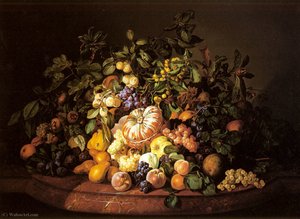
Povezani članci
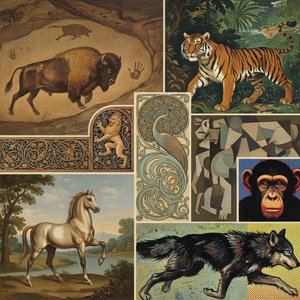
Beastly Brushstrokes: A Historical Journey Through Animal Painting & Aesthetic Movements
Explore the rich history of animal painting across cultures & movements. Discover iconic artists, symbolism, collecting trends & expert art consultation at ArtsDot.com.
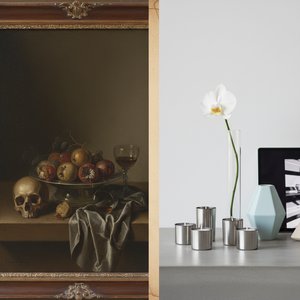
The Enduring Appeal of Still Life: A Historical & Contemporary Exploration
Explore the rich history & symbolism of still life painting with ArtsDot. Discover masterpieces from the Dutch Golden Age, learn about vanitas art, and find expert guidance for collecting timeless artworks.
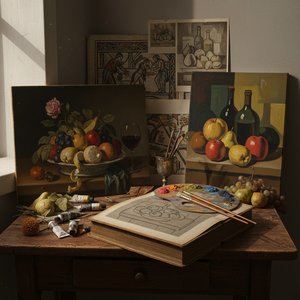
Silent Narratives: Exploring the Enduring Appeal of Still Life Painting Across Centuries
Explore the rich history of still life painting with ArtsDot. Discover Dutch Masters, decode vanitas symbolism & learn about collecting timeless art. Expert insights and museum-quality reproductions.
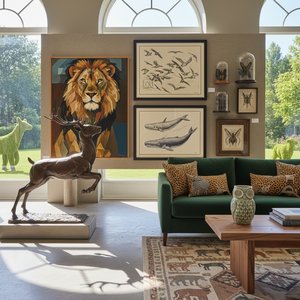
Životinjski svet u umetnosti: Simbolika, istorijski uticaj i savremene interpretacije
Istražite bogatu simboliku životinja u umetnosti kroz istoriju! Otkrijte primere dela slavnih umetnika i savremene interpretacije. Kvalitetne reprodukcije i konsultacije za vaš dom.
The Bountiful Still Life: Symbolism & Artistic Representation of Fruit Across Art History
Explore the rich history of still life painting & the symbolism of fruit across art movements. Discover masterpieces from Caravaggio to Cézanne with ArtsDot – expert guidance & museum-quality reproductions.