

 Pregledaj u prostoru
 Pošalji
 Podeli
 Detalji o delu

 Преузми
 Slični predmeti
 Rendgenski snimak
 Slajdovi
 Statistika
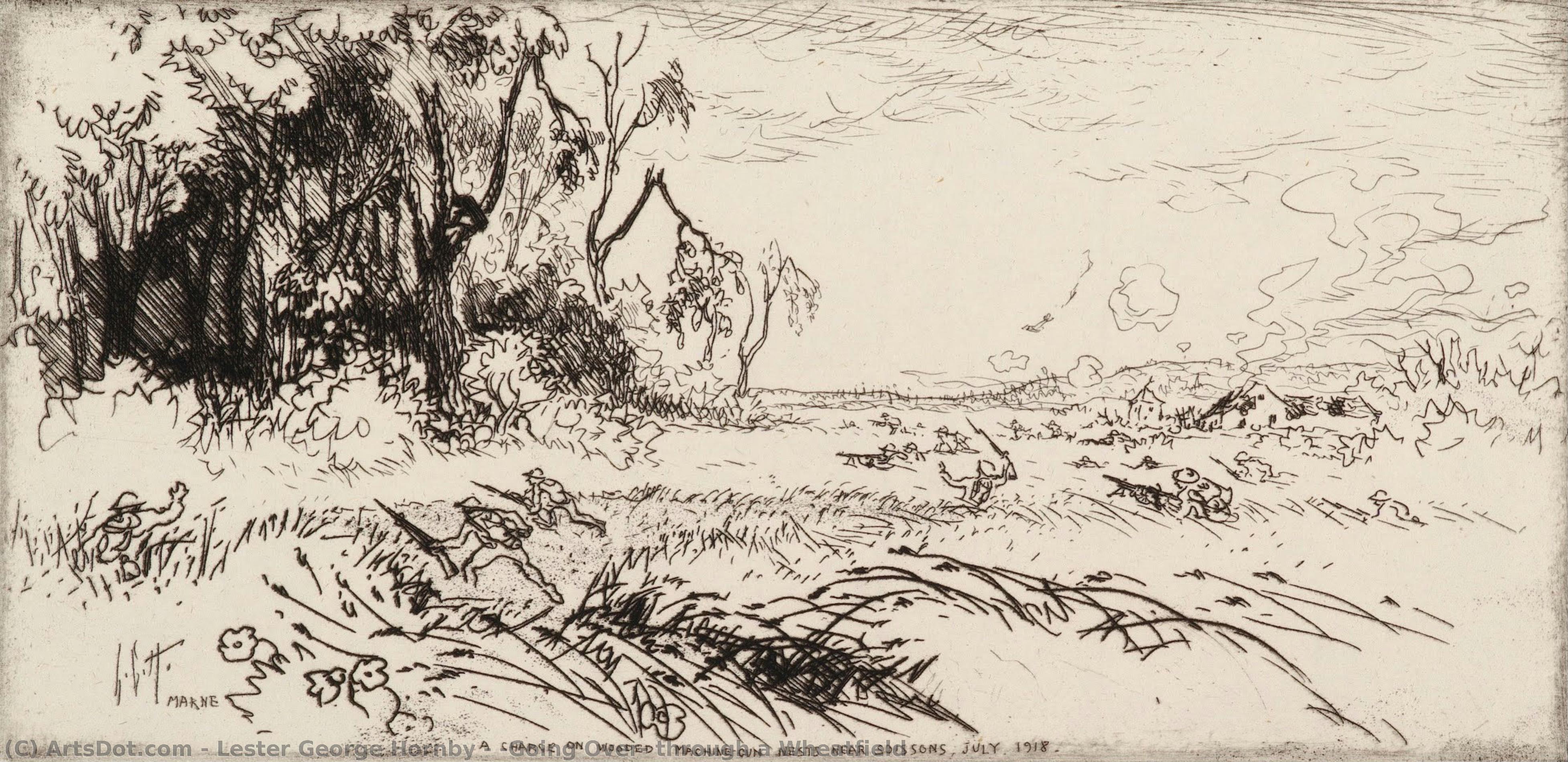
“Going Over” through a Wheatfield


 Pročitaj više
Giclee štampa / Umetnički otisak
Giclée štampa ili print na platnu muzejskog kvaliteta uz brzu proizvodnju i fleksibilne opcije završne obrade. ( Kupi ručno naslikanu sliku Pređi na digitalnu sliku)




P118B $10

P118H $10

P118W $10

P438Z $10

P508JH $12

P508YH $12

P805H $10

P805Z $10

P919BZ $10

P919G $10

P919XJ $10

P959ZH $10

P968JZ $12

W106C $8

W218G $10

W218JH $8

W218Y $10

W307PJ $10

W316G $10

W316PJ $8

W316Y $10

W398PJ $8

W4111J $10

W500HY $15

W500JH $15

W692G $12

W849H $8

W940BG $15

W953PJ $8




Izaberite jednu od naših unapred definisanih veličina koje odgovaraju originalnim proporcijama umetničkog dela.

Možete uneti sopstvene dimenzije kako biste umetničko delo prilagodili specifičnom okviru ili prostoru. Ako odabrani format ne odgovara proporcijama originalne slike, mi ćemo ili iscrtati deo dela ili proširiti sliku pomoću ogledane ivice ili jednobojnog popunjavanja. Digitalni prikaz će vam biti poslat na odobrenje pre početka proizvodnje.
Imajte na umu da pregled na ekranu ne odražava stvarno iscrtavanje ili proširivanje. Samo će prikaz (mockup) precizno pokazati finalnu kompoziciju.
Iako su prilagođene dimenzije dostupne, preporučujemo da odaberete dimenziju sa unapred definisane liste kako biste očuvali originalne proporcije.
Dostava širom sveta () za 2 nedelje umesto uobičajenih 4/5 nedelja. (9 септембар)

Besplatna ekspresna dostava širom sveta

Visokokvalitetno laneno platno

Kompletno osiguranje transporta

Garancija povraćaja carine i uvoznih dažbina

Garancija vernosti boja

Politika povraćaja u roku od 100 dana (isključivo u slučaju nedostataka)

Garancija povrata novca od 100%

Popust pri grupnoj kupovini
 Opcija sa staklom dostupna je samo za dimenzije manje od 110 cm

“Going Over” through a Wheatfield
Giclee štampa / Umetnički otisak
Dimenzije reprodukcije
-


Konačna cena
$ 62
Srodna umetnička dela

Biografija umetnika
The Etched Chronicles of Lester George Hornby
Lester George Hornby (1882–1956) remains a poignant figure in the tapestry of early 20th-century American art, an artist whose work serves as both a technical masterclass in printmaking and a visceral historical record. Born in Lowell, Massachusetts, to a father who was himself a clergyman and an artist, Hornby’s creative sensibilities were nurtured within a domestic environment that valued both spiritual depth and aesthetic precision. His early artistic education was rigorous and diverse, spanning the Pape School of Arts in Boston, the Rhode Island School of Design, and the prestigious Art Students League in New York City. These institutions provided him with a robust foundation in classical technique, yet it was his subsequent immersion in the European avant-garde that would truly define his visual language.
In 1906, Hornby’s journey led him to France, a move that proved transformative for his burgeoning career. Immersed in the vibrant atmosphere of Paris, he began exploring the delicate complexities of copper engraving and etching. He found profound inspiration in the works of masters such as Jean-Paul Laurens, whose meticulous approach to tonal gradations and ability to evoke deep emotion through subtle visual cues became a guiding light for Hornly’s own hand. This period of study allowed him to absorb the lingering essence of Impressionism—the sensitivity to light and atmosphere championed by luminaries like Monet and Renoir—while refining the disciplined, linear precision required for high-level printmaking.
Witness to the Great War
The trajectory of Hornby’s life and art was irrevocably altered by the outbreak of World War I. Having been living in France when war was declared in 1914, he found himself positioned at a unique historical crossroads. Upon returning to Boston briefly, his determination to document the unfolding catastrophe led him back to the French front lines in 1916. Armed with an extraordinary work ethic, Hornby obtained special passes that allowed him to traverse the war zones, where he famously produced upwards of fifty drawings and sketches in a single day. This period of intense, frontline observation birthed some of his most significant and harrowing works.
His etchings from this era are far more than mere illustrations; they are hauntingly atmospheric chronicles of combat. One notable work, “Going Over” through a Wheatfield, captures the terrifying vulnerability of the Allied forces during a charge near Soissons in July 1918. Through his mastery of the etching needle, Hornby was able to convey the stark contrast between the serene, natural landscape and the sudden, lethal intrusion of machine gun nests and heavy fighting. His ability to render the exposure of the Marines as they advanced through open terrain provides a psychological depth that transcends simple reportage, capturing the very essence of dread and bravery inherent in the conflict.
Legacy and Artistic Maturity
As the decades progressed following the Great War, Hornby’s focus shifted from the immediate chaos of the battlefield to more contemplative and instructional pursuits. In his later years, he settled in Rockport, Massachusetts, where he dedicated much of his energy to teaching the next generation of artists. While he rarely sought the grand exhibition stages of his contemporaries, his influence persisted through his pedagogical contributions and the enduring quality of his prints. His later works, including lithographs such as his 1950s holiday greeting cards, demonstrate a continued command over medium and light, reflecting a lifetime of refined observation.
The historical significance of Lester George Hornby lies in his ability to bridge the gap between the classical traditions of the 19th century and the raw, modern realities of the 20th. His oeuvre stands as a testament to the power of printmaking to act as a witness to history. Through the delicate interplay of ink and metal, he preserved the fleeting shadows of war and the enduring beauty of the landscapes he traversed, ensuring that the psychological weight of his era would remain etched in the collective memory of the art world.

lester george hornby
1882 - 1956 , United States of America
Osnovne informacije
- Artistic Movement Or Style: WWI Imagery & European Influenced Style
- Artists Or Movements Influenced By This Artist: ['Romanticism']
- Artists Who Influenced This Artist: ['Jean-Paul Laurens']
- Date Of Birth: March 27, 1882
- Date Of Death: December 17, 1956
- Full Name: Lester George Hornby
- Nationality: American
- Notable Artworks: ['Going Over']
- Place Of Birth: Lowell, United States
Povezani članci
The Intricate World of Etching: A Historical Survey of Technique, Aesthetic Evolution, and Enduring Artistic Impact
Explore the rich history of etching, from its origins to modern practice. Discover techniques, key artists like Rembrandt, and insights for collectors. A comprehensive guide by ArtsDot.
Etching: A Historical Survey of Technique, Aesthetic Qualities & Enduring Artistic Significance
Explore the rich history of etching, from its origins to Rembrandt's masterful innovations. Discover the technique, aesthetic qualities & enduring legacy of this captivating art form. Expert insights for collectors and enthusiasts.

Glavna dela koja su definisala Romantični pejzaž: 10 remek-dela za vaš dom
Otkrijte 10 remek-dela romantičnog pejzažnog slikarstva! Uronite u svet Claude Lorraina, Caspara David Friedricha i Turnera. Ispričane priče umetnosti, inspiracija za dekoraciju doma. Kvalitetne reprodukcije na ArtsDot.com – istražite celu kolekciju online!
Etching Masters: 10 Legendary Prints That Revolutionized Art | ArtsDot
Journey through 10 legendary etching masterpieces by Rembrandt, Dürer & Goya. Explore the history of printmaking and discover timeless art for your home. Find museum-quality reproductions at ArtsDot.com.

Evocations of Place: A Historical Journey Through Landscape Art
Explore the rich history of landscape art with ArtsDot. Discover renowned artists, movements like Impressionism & Romanticism, and expert guidance for collecting timeless pieces. Find your perfect serene escape today!