

 Pregledaj u prostoru
 Pošalji
 Podeli
 Detalji o delu

 Преузми
 Slični predmeti
 Rendgenski snimak
 Slajdovi
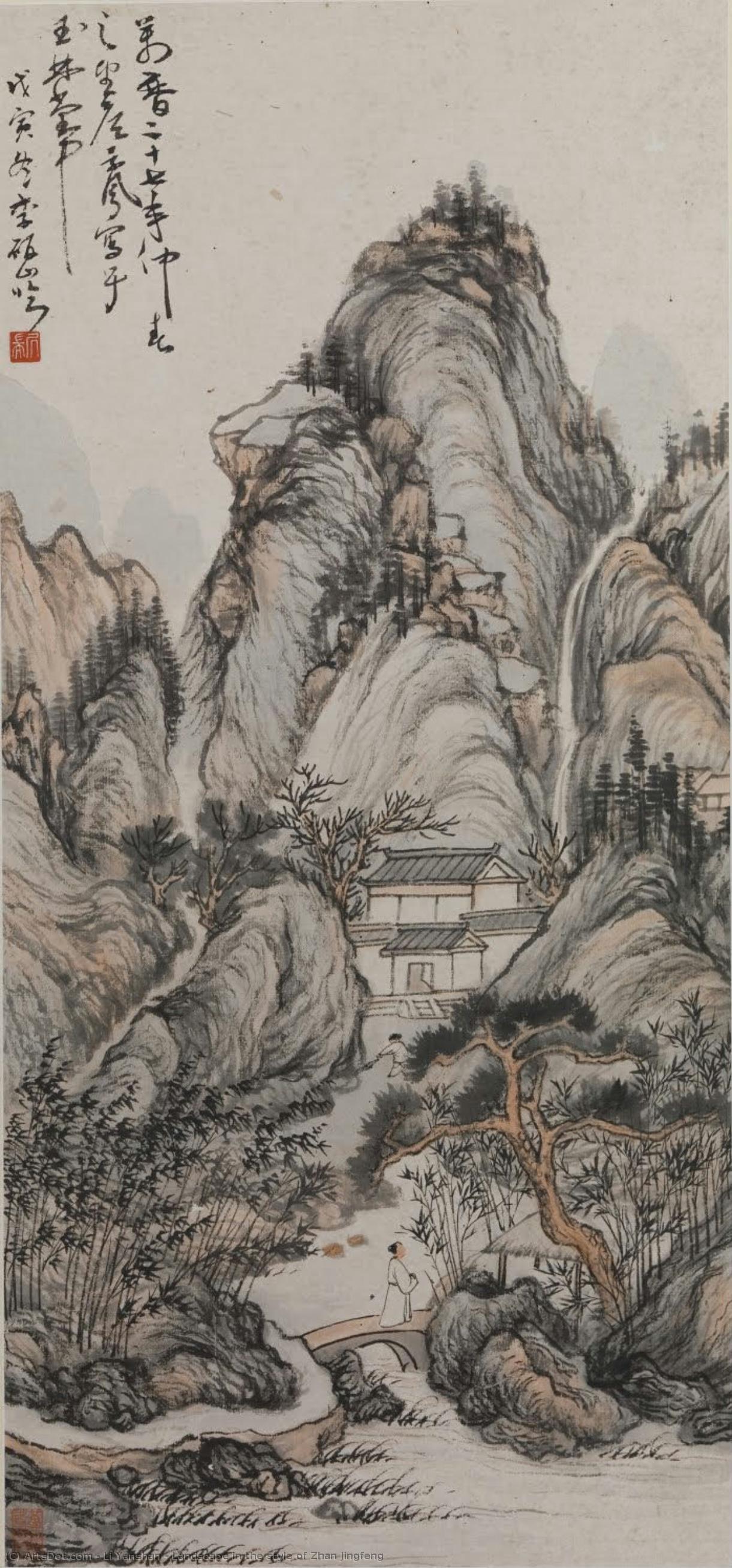
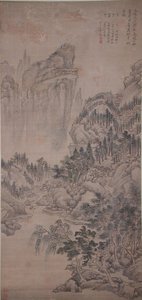
Landscape in the style of Zhan Jingfeng


 Pročitaj više
Giclee štampa / Umetnički otisak
Giclée štampa ili print na platnu muzejskog kvaliteta uz brzu proizvodnju i fleksibilne opcije završne obrade. ( Kupi ručno naslikanu sliku Kupi digitalnu sliku)




P118B $10

P118H $10

P118W $10

P438Z $10

P508JH $12

P508YH $12

P805H $10

P805Z $10

P919BZ $10

P919G $10

P919XJ $10

P959ZH $10

P968JZ $12

W106C $8

W218G $10

W218JH $8

W218Y $10

W307PJ $10

W316G $10

W316PJ $8

W316Y $10

W398PJ $8

W4111J $10

W500HY $15

W500JH $15

W692G $12

W849H $8

W940BG $15

W953PJ $8




Izaberite jednu od naših unapred definisanih veličina koje odgovaraju originalnim proporcijama umetničkog dela.

Možete uneti sopstvene dimenzije kako biste umetničko delo prilagodili specifičnom okviru ili prostoru. Ako odabrani format ne odgovara proporcijama originalne slike, mi ćemo ili iscrtati deo dela ili proširiti sliku pomoću ogledane ivice ili jednobojnog popunjavanja. Digitalni prikaz će vam biti poslat na odobrenje pre početka proizvodnje.
Imajte na umu da pregled na ekranu ne odražava stvarno iscrtavanje ili proširivanje. Samo će prikaz (mockup) precizno pokazati finalnu kompoziciju.
Iako su prilagođene dimenzije dostupne, preporučujemo da odaberete dimenziju sa unapred definisane liste kako biste očuvali originalne proporcije.
Dostava širom sveta () za 2 nedelje umesto uobičajenih 4/5 nedelja. (22 август)

Besplatna ekspresna dostava širom sveta

Visokokvalitetno laneno platno

Kompletno osiguranje transporta

Garancija povraćaja carine i uvoznih dažbina

Garancija vernosti boja

Politika povrata u roku od 60 dana (samo u slučaju nedostataka)

Garancija povrata novca od 100%

Popust pri grupnoj kupovini
 Opcija sa staklom dostupna je samo za dimenzije manje od 110 cm

Landscape in the style of Zhan Jingfeng
Giclee štampa / Umetnički otisak
Dimenzije reprodukcije
-


Konačna cena
$ 62
Opis predmeta
Landscape in the Style of Zhan Jingfeng – A Meditation on Nature’s Majesty
The artwork presented here—a meticulously rendered landscape painting titled “Landscape in the Style of Zhan Jingfeng”—offers more than just a visual depiction; it embodies centuries of Chinese artistic tradition and philosophical contemplation. Painted by Li Yanshan, a celebrated figure in guohua art during the mid-20th century, this piece exemplifies the quintessential aesthetic principles championed by Zhan Jingfeng, a prominent Ming Dynasty connoisseur known for his discerning eye and profound appreciation for natural beauty. Zhan Jingfeng’s influence extended far beyond mere taste—he advocated for an artistic approach that prioritized capturing the spirit of nature rather than simply replicating its appearance, a concept deeply ingrained in Chinese culture.- Subject Matter & Composition: At first glance, the painting portrays a dramatic mountain vista bathed in ethereal light. Towering peaks dominate the upper reaches of the scene, their jagged silhouettes etched against a hazy sky—a technique known as *fenghua* (風華), or “wind radiance,” which aims to convey the fleeting grandeur of mountains under turbulent weather conditions. A serpentine river winds its way through the lower slopes, converging towards a secluded valley where a small pavilion stands serenely amidst ancient pines and cypress trees. This deliberate compositional arrangement—vertical emphasis combined with horizontal flow—mirrors the harmonious balance found in Daoist cosmology, reflecting the belief that mountains represent stability and permanence while rivers symbolize dynamism and change.
- Style & Technique: Li Yanshan’s masterful execution adheres rigorously to the stylistic conventions of Zhan Jingfeng’s era. The painting utilizes *sumi-e*, or ink wash painting—a technique characterized by its deliberate restraint and expressive brushwork—to achieve remarkable textural depth and atmospheric realism. Layers upon layers of ink washes create a surface that appears both luminous and subtly textured, capturing the nuances of light and shadow with astonishing precision.
Historical Context & Philosophical Resonance
The painting’s genesis lies within a pivotal period in Chinese history—the aftermath of World War II. Amidst the upheaval and uncertainty of the era, Li Yanshan sought solace and inspiration in the timeless beauty of the natural world, channeling his artistic sensibilities into a powerful statement about resilience and harmony. The stylistic choices—particularly *fenghua*—were consciously informed by Daoist philosophy, which posits that mountains embody unchanging virtue and represent a refuge from worldly anxieties. This symbolic representation underscores the enduring relevance of Chinese art as a vehicle for conveying spiritual truths.- Symbolism: Beyond its compositional elements and stylistic techniques, “Landscape in the Style of Zhan Jingfeng” is replete with symbolic imagery. The towering mountains symbolize strength, permanence, and moral integrity—values deeply revered throughout Chinese history. The meandering river embodies fluidity, adaptability, and the cyclical nature of existence. Even the pavilion itself serves as a reminder of human presence within the grand scheme of things—a symbol of tranquility and contemplation amidst the vastness of nature.
Emotional Impact & Artistic Legacy
Ultimately, this artwork transcends mere visual representation; it evokes profound emotional responses in the viewer. The serene beauty of the landscape inspires a sense of awe and wonder—a recognition of the sublime grandeur inherent in the natural world. Simultaneously, the painting’s meticulous technique conveys an artist's dedication to mastering craft and capturing essence—a testament to Li Yanshan’s artistic legacy as one of China’s foremost guohua painters. “Landscape in the Style of Zhan Jingfeng” stands as a timeless masterpiece—a poignant reminder that art can illuminate not only our senses but also our souls.Srodna umetnička dela

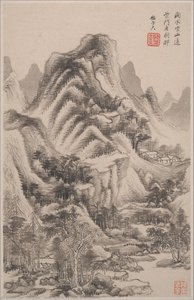
Biografija umetnika
A Life Immersed in Tradition: The World of Li Yanshan
Li Yanshan (1898-1961), a name synonymous with the flourishing of *guohua* landscape painting in 20th-century China, was more than just an artist; he was a cultural custodian, a dedicated educator, and a discerning connoisseur. Born Li Yaochen in Xinhui County, Guangdong province, into a family steeped in scholarly tradition, his path was seemingly preordained for a life of letters. From a young age, he absorbed the rich tapestry of classical Chinese literature, laying a foundation that would profoundly influence his artistic vision. This early immersion wasn’t merely academic; it instilled within him a deep reverence for China's cultural heritage – a reverence that became the cornerstone of his art. His formal artistic training began in Guangzhou under the tutelage of Pan He, a celebrated *guohua* painter who recognized and nurtured Li’s burgeoning talent. This mentorship proved pivotal, providing Li with not only technical skills but also an understanding of the philosophical underpinnings of Chinese painting.Bridging Worlds: Education, Law, and Artistic Awakening
Li Yanshan's life took an unexpected turn when he enrolled in the Faculty of Law at Peking University in 1918. While seemingly a departure from his artistic inclinations, this period proved crucial in broadening his intellectual horizons. In Beijing, he actively sought out encounters with prominent painters and collectors, immersing himself in the world of Chinese art history and expanding his aesthetic sensibilities. Simultaneously, under the influence of Cai Yuanpei, then President of Peking University and an advocate for Western art, Li also began studying Western painting techniques under the renowned artist Xu Beihong. This exposure to diverse artistic approaches was not a dilution of his commitment to *guohua*, but rather an enrichment – a broadening of perspective that would later inform his unique style. Upon graduating, he entered civil service in Guangdong, holding various legal positions while continuing to paint and refine his skills. He served as a county’s education department section chief, then moved into roles in Shantou and Guangzhou, eventually becoming a principal judge of the municipal court. However, it was his involvement with the Chinese Painting Research Society (CPRS) in 1925 that truly cemented his destiny as an artist.The CPRS and a Commitment to Tradition
Founded by his mentor Pan He, the CPRS represented a conscious effort to reaffirm the importance of traditional Chinese cultural values and painting techniques amidst a period of rapid modernization and Western influence. Li Yanshan quickly became an active member, rising through the ranks to become a standing committee member in 1928. The Society’s core belief – that a deep understanding of tradition was essential for the future development of Chinese painting – resonated deeply with Li's own convictions. The CPRS provided a platform for artists to exhibit their work, publish their ideas, and engage in critical dialogue about the direction of Chinese art. It became the largest art body in Southern China, fostering a vibrant community of like-minded individuals dedicated to preserving and promoting *guohua*. This period marked a turning point in Li’s life; he increasingly devoted himself to painting, recognizing that his true calling lay not in law or administration, but in the realm of artistic expression. In 1932, he accepted the position of Headmaster of the Guangzhou Municipal College of Art, further solidifying his commitment to art education and shaping a new generation of Chinese painters.Wartime Resilience and Hong Kong Sanctuary
The outbreak of the Second Sino-Japanese War in 1937 brought immense hardship to China, disrupting lives and challenging artistic endeavors. Li Yanshan, like many others, was forced to seek refuge, moving between various cities including Hong Kong and Macau. Despite the turmoil, he persevered with his painting, finding solace and purpose in his art. He received patronage from wealthy admirers who recognized his talent and supported his work during these difficult times. After the war’s end in 1945, Li briefly returned to his hometown of Xinhui, creating a poignant scroll titled “A Land Untarnished” as a commemoration of peace. However, he soon relocated back to Guangzhou, where he re-established himself as a leading *guohua* painter through exhibitions and collaborations. In 1948, Li made the fateful decision to travel to Hong Kong, initially for a short visit, but it ultimately became his permanent home. As mainland China transitioned under Communist rule in 1949, many artists followed suit, seeking refuge in Hong Kong. Li joined forces with fellow masters like Chang Dai-chien and Gao Jian-fu, organizing joint exhibitions that showcased the richness and diversity of Chinese painting. He held a solo exhibition in 1951, his last before his passing in 1961. In his final years, Li embraced a more secluded existence, dedicating himself to exploring the essence of *guohua* with unwavering focus. His studio became a sanctuary where he painted and contemplated, leaving behind a legacy that continues to inspire artists and art lovers today. He was known for his demanding standards when taking on students, ensuring only those truly dedicated would learn from him.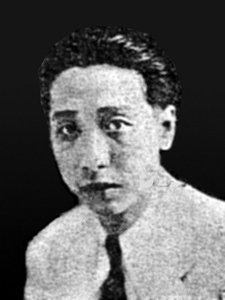
Li Yanshan
1898 - 1961 , China
Osnovne informacije
- Artistic Movement Or Style: Guohua landscape painting
- Artists Who Influenced This Artist:
- Pan He
- Xu Beihong
- Cai Yuanpei
- Date Of Birth: 1898
- Date Of Death: 1961
- Full Name: Li Yanshan
- Nationality: Chinese
- Notable Artworks:
- Landscape in the style of Zhan Jingfeng
- Landscape after Wen Zhengming
- Snow clad Bamboo on the Shore
- Place Of Birth: Xinhui, China
Povezani članci
The Beauty of Ink Wash: Discover Serene & Soulful Art for Your Home
Discover the tranquil beauty of ink wash painting. Explore how Sumi-e and monochrome landscapes bring Zen-inspired serenity and soulful elegance to your home decor through expert curation and timeless East Asian aesthetics.
Ephemeral Expressions: Exploring the Nuances of Ink on Paper Through History & Contemporary Art
Explore the captivating world of ink wash painting – from its ancient origins to contemporary masters. Discover techniques, symbolism & conservation insights with ArtsDot.com.

Katsushika Hokusai: 25 Remek-dela Japanskog Umetnika za Vaš Dom | ArtsDot
Uronite u svet Katsushike Hokusaija! Otkrijte 25 remek-dela japanskog umetnika, uključujući čuveni 'Veliki talas'. Ukiyo-e štampe, pejzaži i istorija iza svakog dela. Pronađite inspiraciju za dekor enterijera i kupite reprodukcije slika vrhunskog kvaliteta na ArtsDot.com.
Xie Zhiliu: A Legacy of Ink Wash Painting & Modern Chinese Literati Tradition
Explore the legacy of Xie Zhiliu, a master of Chinese ink wash painting & prominent figure in modern art. Discover his techniques, influences, and contributions to literati tradition. A guide for discerning collectors.

Glavna dela koja su definisala Romantični pejzaž: 10 remek-dela za vaš dom
Otkrijte 10 remek-dela romantičnog pejzažnog slikarstva! Uronite u svet Claude Lorraina, Caspara David Friedricha i Turnera. Ispričane priče umetnosti, inspiracija za dekoraciju doma. Kvalitetne reprodukcije na ArtsDot.com – istražite celu kolekciju online!

