

 Pregledaj u prostoru
 Pošalji
 Podeli
 Detalji o delu

 Преузми
 Slični predmeti
 Rendgenski snimak
 Slajdovi
 Statistika
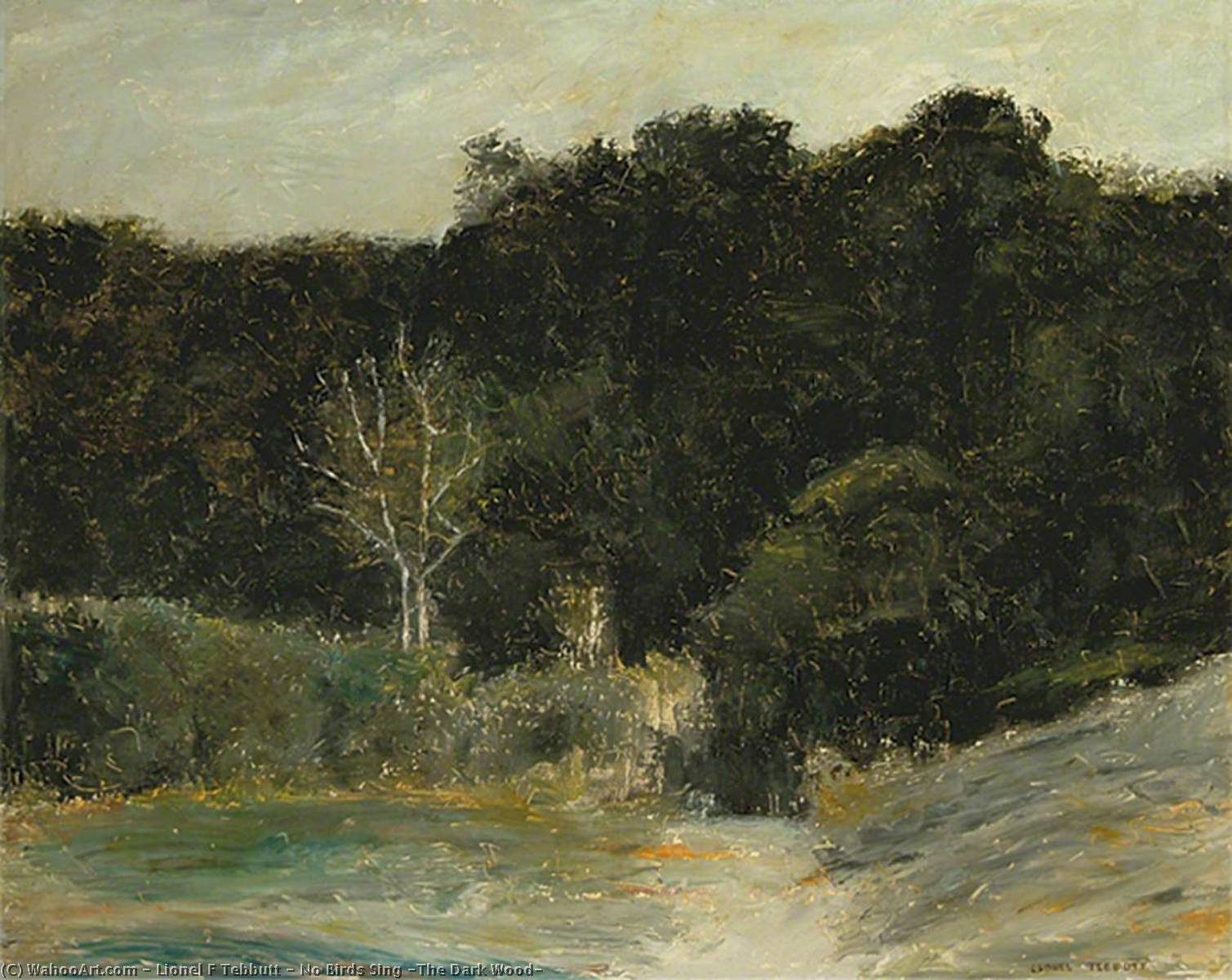
No Birds Sing (The Dark Wood)
 40.0 x 50.0 cm
 Rye Art Gallery
 Pročitaj više
Ručno rađena uljana reprodukcija
Ručno oslikano uljanim bojama na platnu u dimenzijama i okviru po vašem izboru, izrađeno po porudžbini od strane naših umetnika. ( Pređi na štampu Pređi na digitalnu sliku)




































Izaberite jednu od naših unapred definisanih veličina koje odgovaraju originalnim proporcijama umetničkog dela.

Можете унети сопствене димензије како бисте прилагодили дело одређеном оквиру или простору. Ако одабрана величина не одговара пропорцијама оригинала, слика ће бити исечена или проширена додатним елементима који се ручно насликавају. Дигитални prikaz ће вам бити послат на одобрење пре почетка производње.
Имајте на уму да преглед на екрану не одражава стварно исецање или проширење. Само приказ (mockup) ће тачно приказати коначну композицију.
Иако су доступне прилагођене величине, препоручујемо да одаберете димензију из дефинисане листе како бисте сачували оригиналне пропорције.
Nakon narudžbine, tim ArtsDot.com će klijentu putem e-pošte poslati uputstva i dostaviti prikaz predloženog rešenja
Isporuka širom sveta () za 3/4 nedelje umesto uobičajenih 5 nedelja. (9 септембар). Bez kompromisa po pitanju kvaliteta.

Besplatna ekspresna dostava širom sveta

Visokokvalitetno laneno platno

Kompletno osiguranje transporta

Garancija povraćaja carine i uvoznih dažbina

Garancija vernosti boja

Politika povraćaja u roku od 100 dana (isključivo u slučaju nedostataka)

Garancija povrata novca od 100%

Popust pri grupnoj kupovini
 Opcija sa staklom dostupna je samo za dimenzije manje od 110 cm

No Birds Sing (The Dark Wood)
Tehnika reprodukcije
Dimenzije reprodukcije
-


Konačna cena
$ 263
Srodna umetnička dela








Biografija umetnika
A Visionary of the Iron Road and Impressionist Light
Lionel F Tebbutt stands as a singular figure in British art history—a master of railway landscapes and a devoted advocate for the expressive potential of Impressionistic technique. Born in London in 1865, Tebbutt was shaped by an environment steeped in artistic tradition; his father, a sculptor, provided an early foundation in the nuances of form and composition. He later honed his skills at the prestigious Slade School of Fine Art, studying under the legendary Frederic Leighton. While the Beaux Arts aesthetic of his mentor offered him a rigorous academic grounding, Tebbutt’s true passion lay elsewhere. He found himself increasingly drawn to the burgeoning Impressionist movement, finding more truth in the fleeting dance of light and color than in the rigid formalism of the academy.
This pivotal decision to embrace an Impressionistic vocabulary would define his entire artistic trajectory. Rather than seeking the idealized, pastoral stillness often favored by his contemporaries, Tebbutt turned his gaze toward the transformative power of industrialization. He became a pioneer of what might be called Railway Impressionism, capturing the raw energy and rhythmic movement of the Edwardian era. His canvases do not merely document machines; they capture the very soul of progress. Through his eyes, we see locomotives steaming through misty mornings, the heavy atmosphere of stations bustling with life, and the dynamic interplay between man-made steel and the natural elements.
The Artistry of Motion and Atmosphere
Tebbutt’s technique was a sophisticated marriage of meticulous observation and spontaneous brushwork. He possessed a rare ability to blend the painstaking realism required to render the mechanical details of trains and tracks with the fluid, textured strokes characteristic of the Impressionists. This duality allowed him to convey both the physical weight of the industrial age and the ephemeral beauty of the atmosphere surrounding it. His work often explores themes of:
- The Dynamism of Industry: Capturing the power and momentum of steam engines and the expanding railway networks.
- Atmospheric Light: Utilizing soft, diffused light to create mood, whether in the heavy fog of a London morning or the bright clarity of a coastal vista.
- Global Landscapes: Extending his vision beyond Britain to capture evocative scenes from Hong Kong and China, such as the serene Deep Water Bay.
- Maritime Serenity: Finding quietude in harbor scenes and yacht races, where the movement of water meets the structure of the coast.
His palette was deeply sensitive to the changing qualities of light, often employing a range of tones that could shift from the somber, soot-stained grays of industrial hubs to the vibrant, luminous hues of distant, sun-drenched landscapes. This versatility allowed him to move seamlessly between the gritty reality of the railway and the tranquil beauty of the natural world.
Legacy and Historical Significance
Though much of his work remained largely unrecognized during his lifetime, the historical significance of Lionel F Tebbutt has grown as we look back upon the era he so vividly documented. He serves as a vital visual chronicler of a period when the world was being fundamentally reshaped by technology. His paintings are more than mere landscapes; they are emotional archives of a bygone age, preserving the sense of wonder and the frantic energy of the early twentieth century.
Today, Tebbutt is celebrated for his unique ability to find beauty in the industrial. He challenged the notion that art must only focus on the timeless and the pastoral, proving instead that the smoke, steam, and steel of the modern age possessed a profound aesthetic dignity. His legacy lives on in the way we perceive the intersection of human progress and the natural environment, reminding us that even in the midst of rapid change, there is a lasting, poetic grace to be found.
Osnovne informacije
- Artistic Movement Or Style: Impressionism
- Date Of Death: Living
- Full Name: Lionel F Tebbutt
- Nationality: British
- Notable Artworks:
- Deep Water Bay, Hong Kong
- Yacht Race at Rye Harbour, East Sussex
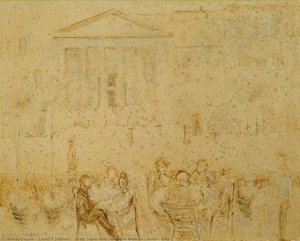
- Street Scene with Temple of Minerva, Assisi
- Place Of Birth: England