

 Pošalji
 Podeli
 Detalji o delu

 Преузми
 Slični predmeti
 Slajdovi
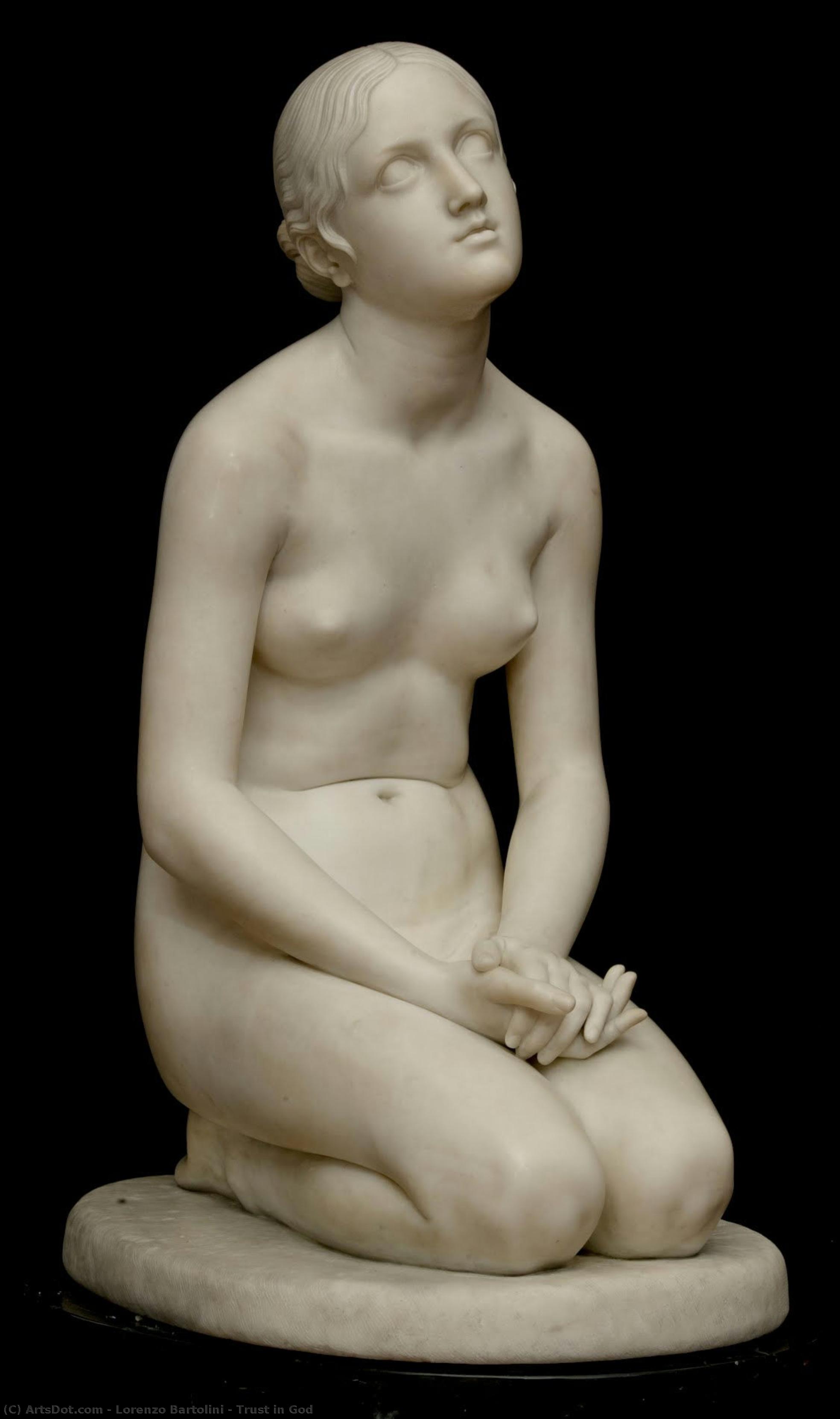
Trust in God
 Sculpture Bronze
- Romanticism
 1836
1836 43.0 x 93.0 cm
 Museo Poldi Pezzoli
 Pročitaj više
Kupite digitalnu sliku visoke rezolucije i poboljšanog kvaliteta, koja je znatno superiornija od onoga što vidite u online prikazu.
Svaka datoteka je pedantno pripremljena od strane naših stručnjaka koristeći napredne alate i profesionalnu ručnu retušu. Osiguravamo da svaka slika ima izuzetnu oštrinu, preciznu reprodukciju boja i fine detalje.
Konačna datoteka se dostavlja putem e-pošte u roku od 72 sata, optimizovana za neposrednu upotrebu u profesionalnim, izdavačkim i štamparskim okruženjima. To je isti kvalitet kojem veruju vrhunski studiji dizajna, izdavači i galerije.
Digitalna slika
Preuzmite datoteku visoke rezolucije za ličnu upotrebu, štampanje i kreativne projekte. ( Kupi print Kupi ručno naslikanu sliku)
Uključeno uz svaku porudžbinu digitalne slike
Profesionalna digitalna isporuka, zagarantovana
Kada odaberete ArtsDot.com, ne dobijate samo sliku – vi primate profesionalno unapređeno digitalno umetničko delo, izrađeno sa najvećom preciznošću i uz garanciju zadovoljstva. Evo svega što automatski dolazi uz vašu porudžbinu:

Brza dostava putem e-pošte
Vaša digitalna slika visoke rezolucije biće vam poslata putem e-pošte u roku od 72 sata od poručivanja – spremna za trenutnu upotrebu.

Digitalna datoteka unapređena veštačkom inteligencijom
Vaše umetničko delo je profesionalno optimizovano korišćenjem naprednih AI alata i ručne obrade, čime se osiguravaju maksimalni detalji, oštrina i preciznost boja.

Besplatna ponovna isporuka doživotno
Slučajno ste obrisali ili izgubili svoju datoteku? Ne brinite – poslaćemo vam je ponovo u bilo kom trenutku, potpuno besplatno.

Bez troškova uvoza – zauvek
Uživajte u svojim umetničkim delima trenutno, bez carine, dažbina ili troškova dostave – digitalni download je uvek bez poreza.

Garancija vernosti boja
Uz pomoć profesionalnih alata i upravljanja bojama, osiguravamo da vaša digitalna slika što vernije odražava originalne boje.

Garancija zadovoljstva u roku od 100 dana
Ako niste zadovoljni svojom digitalnom slikom, revidirat ćemo je ili vratiti 100% novca u roku od 100 dana – bez ikakvih pitanja.

100% garancija povrata novca
Niste zadovoljni? Obezbedite pun povrat novca u roku od 100 dana od trenutka kada ste primili svoju digitalnu datoteku – bez suvišnih pitanja.

Popusti na velike porudžbine
Kupite 3 slike, uštedite 10% - Kupite 5 slika, uštedite 15% - Kupite 10+ slika, uštedite 20%. Odlično za kreativne projekte, galerije i agencije.
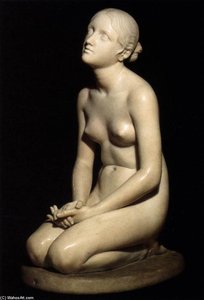
A Testament to Faith: Lorenzo Bartolini’s “Trust in God”
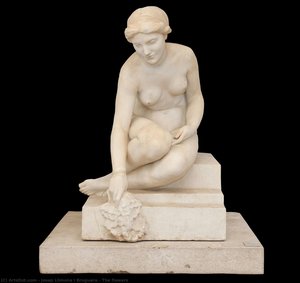
The sculpture "Trust in God," crafted by Florentine sculptor Lorenzo Bartolini in 1836, stands as a poignant emblem of Victorian piety and artistic excellence. Commissioned by Rosa Trivulzio Poldi Pezzoli—a woman grappling with profound grief following the untimely death of her son—the piece transcends mere representation; it embodies a deeply felt spiritual yearning for solace and reassurance. Bartolini’s masterful execution in Carrara marble elevates this emotional core into a timeless masterpiece, lauded by critics of its era for its exquisite craftsmanship and symbolic resonance.- Subject Matter & Composition: The sculpture depicts a nude female figure seated upon a pedestal, her hands clasped together in an gesture of prayerful contemplation. This deliberate positioning emphasizes vulnerability yet simultaneously conveys strength—a visual metaphor for the acceptance of suffering as a pathway to spiritual enlightenment. Bartolini’s careful attention to anatomical detail underscores the beauty inherent in human form while subtly conveying the dignity of faith.
- Style & Technique: Bartolini adhered to Neoclassical principles, drawing inspiration from ancient Greek and Roman sculpture—specifically statues depicting goddesses or idealized figures embodying virtue. His technique involved meticulous carving, utilizing chisels and rasps to sculpt the marble with painstaking precision. The resulting surface possesses a remarkable smoothness and luminosity, achieved through polishing—a hallmark of Florentine sculptural tradition.
- Historical Context: Created during the Victorian period, “Trust in God” reflects the prevailing moral sensibilities of the time. Rosa Trivulzio Poldi Pezzoli’s request for a statue commemorating her son's passing speaks to the widespread preoccupation with mortality and the desire for spiritual comfort amidst personal loss—themes prevalent throughout European art and literature.
- Symbolism: The nude figure symbolizes purity and innocence, representing not merely physical beauty but also spiritual virtue. The clasped hands signify devotion and supplication—a gesture of humility before divine grace. Furthermore, the pedestal elevates the woman’s form, symbolizing her ascension to a higher plane of existence through faith.
- Emotional Impact: Bartolini's sculpture powerfully communicates grief mingled with hope—a complex emotional tapestry that captures the essence of human experience. The serene expression on the woman’s face conveys inner peace despite external sorrow, suggesting that faith can offer solace and resilience in the face of adversity. It remains a testament to the enduring power of art to evoke profound feelings and illuminate spiritual truths.
Srodna umetnička dela
Biografija umetnika
Early Life and Artistic Formation
Lorenzo Bartolini emerged onto the Italian art scene at a pivotal moment, born in 1777 in the Tuscan town of Vernio, near Prato. His initial artistic training took place within the esteemed Florentine Academy of Fine Arts, where he quickly distinguished himself through an exceptional aptitude for modeling, particularly with alabaster—a material that would become intimately linked to his early style. This foundational period instilled in him a reverence for classical forms and techniques, yet even then, hints of a unique sensibility began to surface. A dramatic turn arrived in 1797 when Bartolini found himself amidst the tumultuous landscape of Napoleonic France, serving as a drummer within Bonaparte’s army. This experience, far removed from the serene studios of Florence, broadened his horizons and ultimately led him to Paris—a burgeoning center for artistic innovation. In Paris, he pursued formal studies in painting under Frédéric Desmarais and sculpture under François-Frédéric Lemot, absorbing diverse influences that would shape his evolving aesthetic vision. It was here, in 1803, with the creation of the bas-relief Cleobis and Biton, that Bartolini truly established his reputation as a sculptor of considerable talent, attracting the attention of influential patrons who recognized the promise within his work.A Career Under Napoleonic Patronage and Beyond
Bartolini’s career flourished under the patronage of Napoleon Bonaparte, an era marked by grand artistic commissions designed to celebrate imperial power and glory. He contributed significantly to monumental projects such as the bas-relief depicting the Battle of Austerlitz for the iconic Vendôme Column—a testament to his technical skill and ability to translate historical narratives into compelling sculptural form. Beyond these large-scale endeavors, Bartolini also excelled in portraiture, crafting busts of prominent figures like composers Méhul and Cherubini, solidifying his position within Parisian artistic circles. A significant turning point arrived in 1807 when, through the recommendation of Napoleon’s sister Elisa Baciocchi, he was appointed Director of the School of Sculpture at the Accademia Carrara in Bergamo. This appointment, despite initial resistance from local factions, underscored Bartolini's rising stature and allowed him to exert a considerable influence on the next generation of Italian sculptors. He remained in this role until after Napoleon’s fall, continuing to serve as a favored portraitist for the Bonaparte family during a period of immense political upheaval. This close association with the Bonapartes would later shape his artistic trajectory and reception within Italy.Blending Neoclassicism with Naturalism: A Distinctive Style
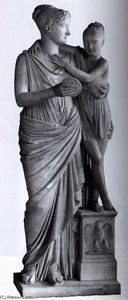
Bartolini’s artistic style occupies a fascinating space within the broader context of 19th-century sculpture. While firmly rooted in the principles of Neoclassicism, his work transcends strict adherence to Canovan ideals—the dominant force in Italian sculpture at the time. He infused his creations with a sentimental piety and a remarkable degree of naturalistic detail, distinguishing him from contemporaries who prioritized cold perfection and idealized forms. Instead of solely looking to classical antiquity, Bartolini drew inspiration from the Florentine Renaissance sculptors like Verrocchio, embracing a more dynamic and emotionally resonant approach. This unique blend is particularly evident in his monumental works, such as the Monument to Princess Sophia Zamoyska in Santa Croce, Florence (1837). The sculpture exemplifies his naturalistic tendencies, departing from rigid classical conventions while retaining a sense of grace and dignity. Another significant achievement, the Demidoff Table (1845), showcases his mastery of marble carving and complex composition—a project that occupied him for many years and stands as a testament to his dedication and skill. His portrait busts, numerous throughout his career, are characterized by their sensitivity and ability to capture the individual essence of each sitter. Elisa and her Daughter Napoléonne, a monumental Neoclassical marble sculpture, further demonstrates Bartolini’s dynamic form and classical themes.Legacy and Historical Significance
In 1833, Bartolini was honored with an election as an honorary member of the National Academy of Design—a recognition of his growing international reputation. He eventually settled in Florence, but faced challenges due to his Bonapartist associations and artistic divergence from the prevailing Canovan style favored by the academy. Despite these obstacles, he continued to receive commissions, particularly from foreign patrons who appreciated his unique vision. Bartolini’s work represents a crucial transition within Neoclassical sculpture, foreshadowing later artistic movements through its incorporation of naturalism and sentimentality. He bridged the gap between the idealized forms of the past and the more emotionally expressive styles that would emerge in the latter half of the 19th century. His death in Florence in 1850 marked the end of a remarkable career, leaving behind a legacy of significant sculptures and a distinctive artistic voice within the Italian art world. Today, Bartolini is remembered not only for his technical brilliance but also for his ability to infuse classical ideals with individual expression—a quality that continues to resonate with scholars and art enthusiasts alike. His works stand as compelling examples of an artist who dared to forge his own path, blending tradition with innovation and leaving an indelible mark on the landscape of Italian sculpture.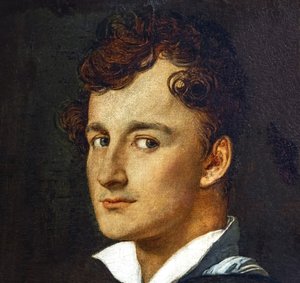
Lorenzo Bartolini
1777 - 1850 , Italy
Kratke činjenice
- Artistic Movement Or Style: Neoclassical sculpture
- Artists Or Movements Influenced By This Artist: ['Later artistic movements']
- Artists Who Influenced This Artist: ['Verrocchio']
- Date Of Birth: January 7, 1777
- Date Of Death: 1850
- Full Name: Lorenzo Bartolini
- Nationality: Italian
- Notable Artworks:
- Cleobis and Biton
- Tomb of Sophia Zamoyska
- Demidoff Table
- Elisa & Daughter
- L'ammostatore
- Place Of Birth: Vernio, Italy