

 Pregledaj u prostoru
 Pošalji
 Podeli
 Detalji o delu

 Преузми
 Slični predmeti
 Rendgenski snimak
 Slajdovi
 Statistika
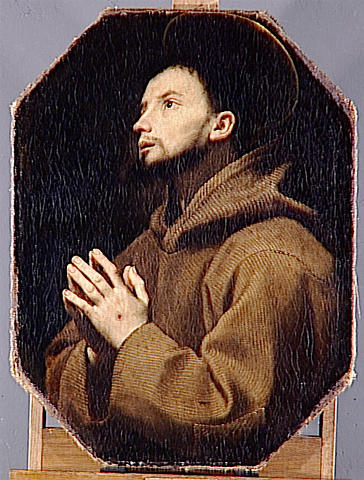
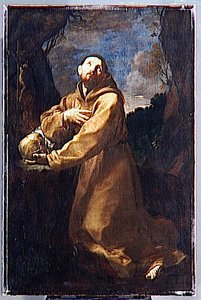
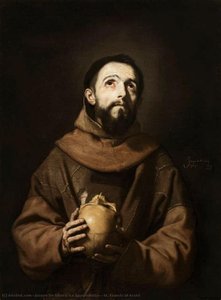
SAINT FRANCOIS D'ASSISE EN PRIERE


 Pročitaj više
Kupite digitalnu sliku visoke rezolucije i poboljšanog kvaliteta, koja je znatno superiornija od onoga što vidite u online prikazu.
Svaka datoteka je pedantno pripremljena od strane naših stručnjaka koristeći napredne alate i profesionalnu ručnu retušu. Osiguravamo da svaka slika ima izuzetnu oštrinu, preciznu reprodukciju boja i fine detalje.
Konačna datoteka se dostavlja putem e-pošte u roku od 72 sata, optimizovana za neposrednu upotrebu u profesionalnim, izdavačkim i štamparskim okruženjima. To je isti kvalitet kojem veruju vrhunski studiji dizajna, izdavači i galerije.
Digitalna slika
Preuzmite datoteku visoke rezolucije za ličnu upotrebu, štampanje i kreativne projekte. ( Pređi na štampu Kupi ručno naslikanu sliku)
Uključeno uz svaku porudžbinu digitalne slike
Profesionalna digitalna isporuka, zagarantovana
Kada odaberete ArtsDot.com, ne dobijate samo sliku – vi primate profesionalno unapređeno digitalno umetničko delo, izrađeno sa najvećom preciznošću i uz garanciju zadovoljstva. Evo svega što automatski dolazi uz vašu porudžbinu:

Brza dostava putem e-pošte
Vaša digitalna slika visoke rezolucije biće vam poslata putem e-pošte u roku od 72 sata od poručivanja – spremna za trenutnu upotrebu.

Digitalna datoteka unapređena veštačkom inteligencijom
Vaše umetničko delo je profesionalno optimizovano korišćenjem naprednih AI alata i ručne obrade, čime se osiguravaju maksimalni detalji, oštrina i preciznost boja.

Besplatna ponovna isporuka doživotno
Slučajno ste obrisali ili izgubili svoju datoteku? Ne brinite – poslaćemo vam je ponovo u bilo kom trenutku, potpuno besplatno.

Bez troškova uvoza – zauvek
Uživajte u svojim umetničkim delima trenutno, bez carine, dažbina ili troškova dostave – digitalni download je uvek bez poreza.

Garancija vernosti boja
Uz pomoć profesionalnih alata i upravljanja bojama, osiguravamo da vaša digitalna slika što vernije odražava originalne boje.

Garancija zadovoljstva od 100 dana
Ako niste zadovoljni svojom digitalnom slikom, izvršićemo reviziju ili ćemo vam vratiti 100% novca u roku od 100 dana – bez ikakvih pitanja.

100% garancija povrata novca
Niste zadovoljni? Dobijte puni povraćaj novca u roku od 100 dana od prijema digitalne datoteke – bez suvišnih pitanja.

Popusti na velike porudžbine
Kupite 3 slike, uštedite 10% - Kupite 5 slika, uštedite 15% - Kupite 10+ slika, uštedite 20%. Odlično za kreativne projekte, galerije i agencije.
The Serene Contemplation of Saint Francis
Lorenzo Lippi’s “Saint Francis in Prayer,” painted circa 1640-1660, is more than just a portrait; it's a profound meditation on faith, humility, and the yearning for connection with the divine. This exquisite work, currently housed within the Louvre Museum in Paris, offers a rare glimpse into the heart of the Baroque era’s embrace of both realism and spiritual depth. The painting immediately draws the viewer in with its quiet intensity – a stillness that belies the powerful emotions conveyed through subtle gestures and carefully rendered details.
The subject himself, Saint Francis of Assisi, is depicted in profile, his gaze lifted heavenward in an expression of profound contemplation. Lippi masterfully captures the essence of Francis’s devotion, not through grand pronouncements or dramatic poses, but through a simple, almost vulnerable posture. His hands are clasped together in prayer, a gesture both familiar and deeply resonant with centuries of religious practice. The slight tilt of his head, the gentle curve of his lips – each element contributes to an overwhelming sense of sincerity.
A Baroque Palette and Technique
Lippi’s artistic approach is firmly rooted in the Baroque style, yet tempered by a remarkable sensitivity to light and color. The palette is dominated by earthy tones—rich browns, tans, and muted yellows—evoking the natural world and reflecting Francis's connection to the simplicity of rural life. A touch of red appears on one hand, perhaps symbolizing sacrifice or the blood of Christ, adding a subtle layer of symbolic complexity. The artist skillfully employs layering techniques, building up color gradually through glazes – a hallmark of Baroque painting—to achieve remarkable depth and luminosity. The visible brushstrokes contribute to a sense of texture, inviting the viewer to appreciate the physicality of the paint itself.
Notice the masterful use of light; it’s soft and diffused, bathing Francis's face and hands in a gentle glow without creating harsh shadows. This lighting source, seemingly originating from above and slightly to the left, directs our attention to the central figure, reinforcing his importance within the composition. The overall effect is one of serene beauty—a testament to Lippi’s technical skill and artistic vision.
Symbolism and Spiritual Resonance
Beyond its aesthetic qualities, “Saint Francis in Prayer” is rich in symbolic meaning. The act of prayer itself carries immense weight, representing faith, supplication, and a deep connection with the divine. The upward gaze signifies aspiration—a desire for spiritual enlightenment and union with God. The simplicity of the setting – devoid of extraneous details – further emphasizes the focus on inner devotion. It’s a painting that speaks to the universal human longing for meaning and purpose.
Further research reveals that this piece was acquired by Charles-Sébastien Scitivaux, a prominent collector during the Restoration period in France, highlighting its significance within a broader historical context. Lippi's own life, marked by both artistic brilliance and a somewhat eccentric personality—as evidenced by his celebrated poem “Il Malmantile racquistato”—adds another layer of intrigue to this compelling work. The painting stands as a testament to Lippi’s ability to seamlessly blend religious devotion with human emotion, creating an image that continues to resonate with viewers centuries later.
A Legacy of Florentine Art
Lorenzo Lippi's artistic lineage is deeply intertwined with the rich artistic heritage of Florence. Influenced by masters like Matteo Rosselli and Santi di Tito, he carried forward a tradition of naturalistic observation and refined technique. His work, alongside that of his son Filippino Lippi, played a crucial role in shaping the artistic landscape of 17th-century Florence, bridging the gap between Renaissance elegance and Baroque drama. “Saint Francis in Prayer” is not merely a beautiful painting; it’s a window into a pivotal moment in art history—a testament to the enduring power of faith, beauty, and human expression.
Srodna umetnička dela
Biografija umetnika
The Dual Legacy of Lorenzo Lippi: A Symphony of Brush and Pen
In the vibrant, intellectual landscape of seventeenth-century Florence, few figures embodied the spirit of the humanist tradition as gracefully as Lorenzo Lippi. Born in 1606, Lippi was a man of dual mastery, navigating the worlds of visual art and literature with equal dexterity. While history often remembers him through the delicate strokes of his oil paintings, his soul was equally tethered to the rhythmic beauty of verse. He lived during a transformative era where the refined elegance of the Renaissance began to merge with the theatrical intensity of the Baroque, and Lippi stood at the very heart of this stylistic evolution.
Lippi’s artistic journey began under the tutelage of Matteo Rosselli, a master whose influence anchored Lippi in the prestigious Florentine tradition. Through Rosselli, Lippi inherited the meticulousness of Santi di Tito, a style characterized by precise observation and a profound respect for naturalism. However, Lippi was never content to merely replicate the past. He possessed an innate desire to infuse his work with a new, expressive dynamism. His personal philosophy—to "poetize as he spoke, and to paint as he saw"—served as the guiding light for his entire oeuvre, ensuring that every portrait and religious scene possessed a narrative depth that transcended mere representation.
Mastery of Light and the Baroque Spirit
The works of Lorenzo Lippi are celebrated for their remarkable ability to capture the psychological nuances of their subjects. Whether he was rendering the regal presence of nobility or the ethereal grace of celestial beings, his technique remained rooted in a sophisticated use of light and color. In masterpieces such as "Tobias and Archangel Raphael," one can witness the dramatic application of chiaroscuro, where deep shadows and brilliant highlights create a sense of movement and divine intervention. This tension between shadow and light is a hallmark of the Baroque period, yet Lippi maintained a certain Florentine clarity that prevented his compositions from becoming lost in excessive darkness.
His portraiture further demonstrates his versatility and skill. In works like "Portrait of Claudia de' Medici," Lippi showcases an opulent attention to detail, using texture and symbolic elements to convey the status and character of the sitter. Similarly, his "Woman With A Mask"* invites the viewer into a more introspective, mysterious realm, utilizing an enigmatic mood to engage the observer’s imagination. His ability to balance the grandiosity required by high-ranking patrons with an intimate, naturalistic touch allowed him to move seamlessly between different artistic demands.
A Literary Journey and International Influence
Beyond the confines of his studio, Lippi’s intellectual pursuits led him far beyond the borders of Italy. His marriage to Giovanna Susini and his subsequent appointment as a court painter for Archduke Ferdinand II Habsburg in Innsbruck marked a significant chapter in his life. This period of international service not only expanded his exposure to diverse European influences but also provided the backdrop for his most famous literary achievement. It was during his time in the Habsburg court that he penned "Il Malmantile Racquistato," a sprawling, mock-heroic romance that blended elements of popular folklore with sophisticated literary allusions.
This literary endeavor, published under the pseudonym Perlone, solidified his reputation as a significant voice in Florentine literature. The intersection of his poetic wit and his painterly eye created a unique artistic identity—one where the boundaries between word and image were perpetually blurred. As we reflect on the life of Lorenzo Lippi, we see more than just a painter or a poet; we see a true Renaissance man of the Baroque age, whose legacy continues to resonate through the enduring beauty of his canvases and the enduring charm of his verses.

Lorenzo Lippi
1606 - 1664 , Italy
Kratke činjenice
- Artistic Movement Or Style: Baroque
- Artists Or Movements Influenced By This Artist: ['Santa Caterina di Prato']
- Artists Who Influenced This Artist: ['Matteo Rosselli']
- Date Of Birth: Florence, Italy (1606)
- Date Of Death: 1664
- Full Name: Lorenzo Lippi
- Nationality: Italian
- Notable Artworks:
- Crucifixion
- Triumph of David
- Portrait of Claudia de’ Medici
- Woman With A Mask
- Place Of Birth: Florence