

 Pregledaj u prostoru
 Pošalji
 Podeli
 Detalji o delu

 Преузми
 Slični predmeti
 Rendgenski snimak
 Slajdovi
 Statistika
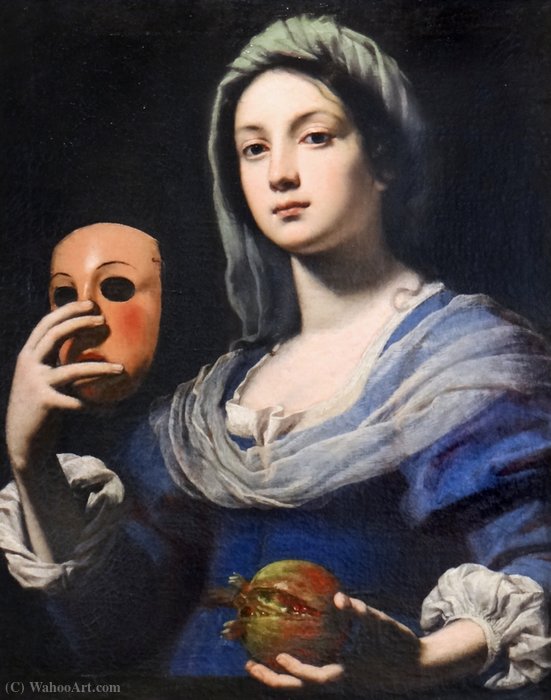
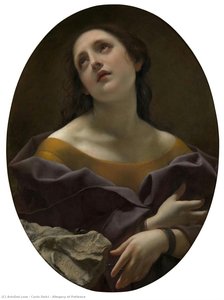
The Allegory of Simulation
 Pročitaj više
Giclee štampa / Umetnički otisak
Giclée štampa ili print na platnu muzejskog kvaliteta uz brzu proizvodnju i fleksibilne opcije završne obrade. ( Kupi ručno naslikanu sliku Pređi na digitalnu sliku)




































Izaberite jednu od naših unapred definisanih veličina koje odgovaraju originalnim proporcijama umetničkog dela.

Možete uneti sopstvene dimenzije kako biste umetničko delo prilagodili specifičnom okviru ili prostoru. Ako odabrani format ne odgovara proporcijama originalne slike, mi ćemo ili iscrtati deo dela ili proširiti sliku pomoću ogledane ivice ili jednobojnog popunjavanja. Digitalni prikaz će vam biti poslat na odobrenje pre početka proizvodnje.
Imajte na umu da pregled na ekranu ne odražava stvarno iscrtavanje ili proširivanje. Samo će prikaz (mockup) precizno pokazati finalnu kompoziciju.
Iako su prilagođene dimenzije dostupne, preporučujemo da odaberete dimenziju sa unapred definisane liste kako biste očuvali originalne proporcije.
Dostava širom sveta () za 2 nedelje umesto uobičajenih 4/5 nedelja. (9 септембар)

Besplatna ekspresna dostava širom sveta

Visokokvalitetno laneno platno

Kompletno osiguranje transporta

Garancija povraćaja carine i uvoznih dažbina

Garancija vernosti boja

Politika povraćaja u roku od 100 dana (isključivo u slučaju nedostataka)

Garancija povrata novca od 100%

Popust pri grupnoj kupovini
 Opcija sa staklom dostupna je samo za dimenzije manje od 110 cm

The Allegory of Simulation
Giclee štampa / Umetnički otisak
Dimenzije reprodukcije
-


Konačna cena
$ 62
Srodna umetnička dela





Biografija umetnika
The Dual Legacy of Lorenzo Lippi: A Symphony of Brush and Pen
In the vibrant, intellectual landscape of seventeenth-century Florence, few figures embodied the spirit of the humanist tradition as gracefully as Lorenzo Lippi. Born in 1606, Lippi was a man of dual mastery, navigating the worlds of visual art and literature with equal dexterity. While history often remembers him through the delicate strokes of his oil paintings, his soul was equally tethered to the rhythmic beauty of verse. He lived during a transformative era where the refined elegance of the Renaissance began to merge with the theatrical intensity of the Baroque, and Lippi stood at the very heart of this stylistic evolution.
Lippi’s artistic journey began under the tutelage of Matteo Rosselli, a master whose influence anchored Lippi in the prestigious Florentine tradition. Through Rosselli, Lippi inherited the meticulousness of Santi di Tito, a style characterized by precise observation and a profound respect for naturalism. However, Lippi was never content to merely replicate the past. He possessed an innate desire to infuse his work with a new, expressive dynamism. His personal philosophy—to "poetize as he spoke, and to paint as he saw"—served as the guiding light for his entire oeuvre, ensuring that every portrait and religious scene possessed a narrative depth that transcended mere representation.
Mastery of Light and the Baroque Spirit
The works of Lorenzo Lippi are celebrated for their remarkable ability to capture the psychological nuances of their subjects. Whether he was rendering the regal presence of nobility or the ethereal grace of celestial beings, his technique remained rooted in a sophisticated use of light and color. In masterpieces such as "Tobias and Archangel Raphael," one can witness the dramatic application of chiaroscuro, where deep shadows and brilliant highlights create a sense of movement and divine intervention. This tension between shadow and light is a hallmark of the Baroque period, yet Lippi maintained a certain Florentine clarity that prevented his compositions from becoming lost in excessive darkness.
His portraiture further demonstrates his versatility and skill. In works like "Portrait of Claudia de' Medici," Lippi showcases an opulent attention to detail, using texture and symbolic elements to convey the status and character of the sitter. Similarly, his "Woman With A Mask"* invites the viewer into a more introspective, mysterious realm, utilizing an enigmatic mood to engage the observer’s imagination. His ability to balance the grandiosity required by high-ranking patrons with an intimate, naturalistic touch allowed him to move seamlessly between different artistic demands.
A Literary Journey and International Influence
Beyond the confines of his studio, Lippi’s intellectual pursuits led him far beyond the borders of Italy. His marriage to Giovanna Susini and his subsequent appointment as a court painter for Archduke Ferdinand II Habsburg in Innsbruck marked a significant chapter in his life. This period of international service not only expanded his exposure to diverse European influences but also provided the backdrop for his most famous literary achievement. It was during his time in the Habsburg court that he penned "Il Malmantile Racquistato," a sprawling, mock-heroic romance that blended elements of popular folklore with sophisticated literary allusions.
This literary endeavor, published under the pseudonym Perlone, solidified his reputation as a significant voice in Florentine literature. The intersection of his poetic wit and his painterly eye created a unique artistic identity—one where the boundaries between word and image were perpetually blurred. As we reflect on the life of Lorenzo Lippi, we see more than just a painter or a poet; we see a true Renaissance man of the Baroque age, whose legacy continues to resonate through the enduring beauty of his canvases and the enduring charm of his verses.
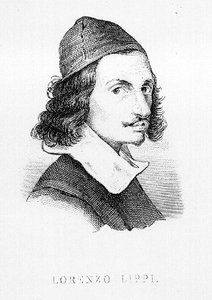
Lorenzo Lippi
1606 - 1664 , Italy
Osnovne informacije
- Artistic Movement Or Style: Baroque
- Artists Or Movements Influenced By This Artist: ['Santa Caterina di Prato']
- Artists Who Influenced This Artist: ['Matteo Rosselli']
- Date Of Birth: Florence, Italy (1606)
- Date Of Death: 1664
- Full Name: Lorenzo Lippi
- Nationality: Italian
- Notable Artworks:
- Crucifixion
- Triumph of David
- Portrait of Claudia de’ Medici
- Woman With A Mask
- Place Of Birth: Florence