

 Pregledaj u prostoru
 Pošalji
 Podeli
 Detalji o delu

 Преузми
 Slični predmeti
 Rendgenski snimak
 Slajdovi
 Statistika
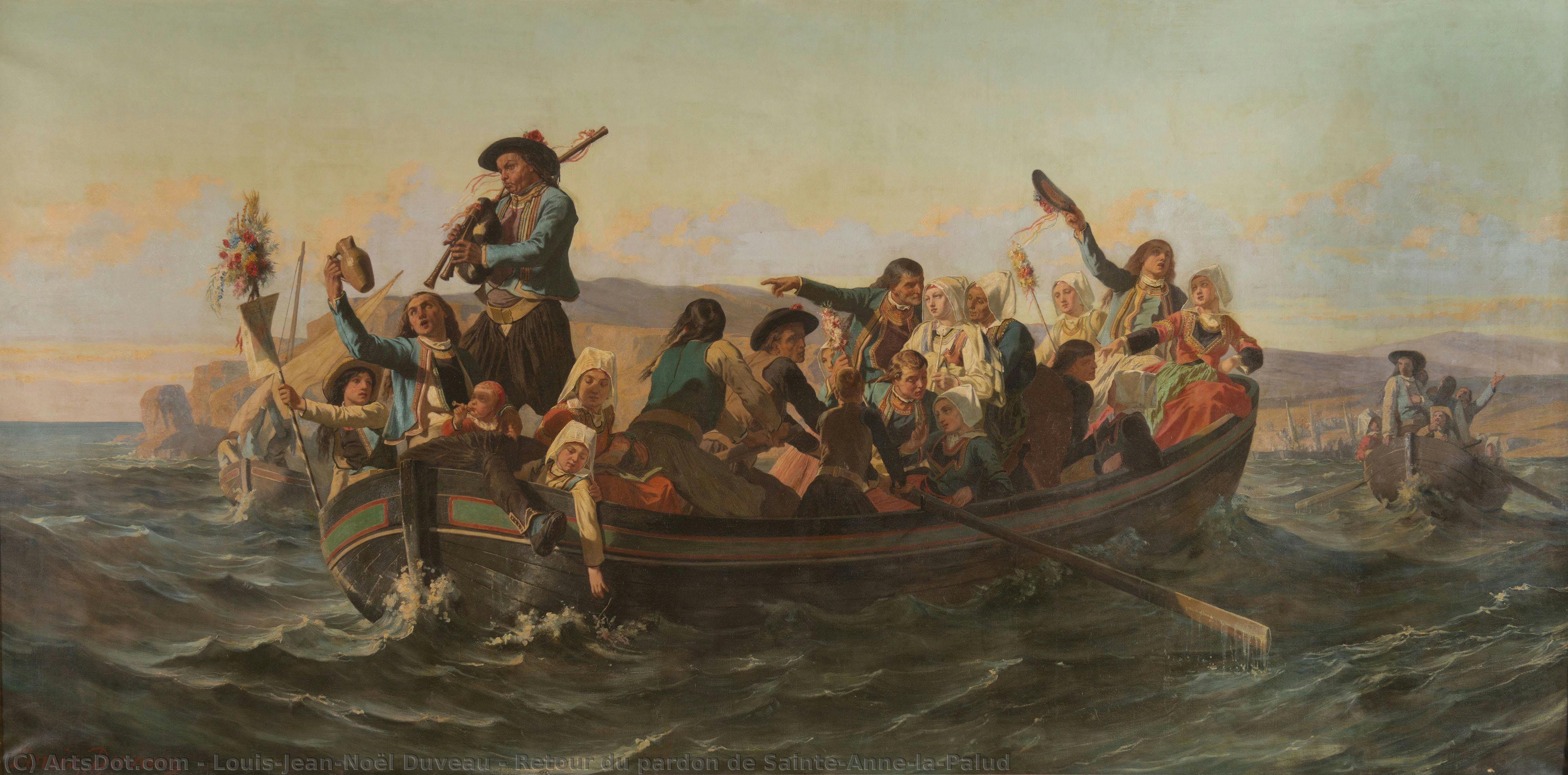
Retour du pardon de Sainte-Anne-la-Palud


 Pročitaj više
Kupite digitalnu sliku visoke rezolucije i poboljšanog kvaliteta, koja je znatno superiornija od onoga što vidite u online prikazu.
Svaka datoteka je pedantno pripremljena od strane naših stručnjaka koristeći napredne alate i profesionalnu ručnu retušu. Osiguravamo da svaka slika ima izuzetnu oštrinu, preciznu reprodukciju boja i fine detalje.
Konačna datoteka se dostavlja putem e-pošte u roku od 72 sata, optimizovana za neposrednu upotrebu u profesionalnim, izdavačkim i štamparskim okruženjima. To je isti kvalitet kojem veruju vrhunski studiji dizajna, izdavači i galerije.
Digitalna slika
Preuzmite datoteku visoke rezolucije za ličnu upotrebu, štampanje i kreativne projekte. ( Pređi na štampu Kupi ručno naslikanu sliku)
Uključeno uz svaku porudžbinu digitalne slike
Profesionalna digitalna isporuka, zagarantovana
Kada odaberete ArtsDot.com, ne dobijate samo sliku – vi primate profesionalno unapređeno digitalno umetničko delo, izrađeno sa najvećom preciznošću i uz garanciju zadovoljstva. Evo svega što automatski dolazi uz vašu porudžbinu:

Brza dostava putem e-pošte
Vaša digitalna slika visoke rezolucije biće vam poslata putem e-pošte u roku od 72 sata od poručivanja – spremna za trenutnu upotrebu.

Digitalna datoteka unapređena veštačkom inteligencijom
Vaše umetničko delo je profesionalno optimizovano korišćenjem naprednih AI alata i ručne obrade, čime se osiguravaju maksimalni detalji, oštrina i preciznost boja.

Besplatna ponovna isporuka doživotno
Slučajno ste obrisali ili izgubili svoju datoteku? Ne brinite – poslaćemo vam je ponovo u bilo kom trenutku, potpuno besplatno.

Bez troškova uvoza – zauvek
Uživajte u svojim umetničkim delima trenutno, bez carine, dažbina ili troškova dostave – digitalni download je uvek bez poreza.

Garancija vernosti boja
Uz pomoć profesionalnih alata i upravljanja bojama, osiguravamo da vaša digitalna slika što vernije odražava originalne boje.

Garancija zadovoljstva od 100 dana
Ako niste zadovoljni svojom digitalnom slikom, izvršićemo reviziju ili ćemo vam vratiti 100% novca u roku od 100 dana – bez ikakvih pitanja.

100% garancija povrata novca
Niste zadovoljni? Dobijte puni povraćaj novca u roku od 100 dana od prijema digitalne datoteke – bez suvišnih pitanja.

Popusti na velike porudžbine
Kupite 3 slike, uštedite 10% - Kupite 5 slika, uštedite 15% - Kupite 10+ slika, uštedite 20%. Odlično za kreativne projekte, galerije i agencije.
Srodna umetnička dela
Biografija umetnika
Thomas Prichard Rossiter: Bridging Romanticism and American Identity
Born in New Haven, Connecticut, in 1818, Thomas Prichard Rossiter’s artistic journey was one of constant evolution, marked by a deep engagement with both European artistic traditions and the burgeoning landscape painting scene within America. Initially trained as an engraver's assistant, his talent for capturing light and form quickly led him to pursue oil painting, ultimately establishing himself as a significant figure in the mid-19th century art world. Rossiter’s career unfolded against the backdrop of the Hudson River School, a movement characterized by its celebration of American landscapes and their connection to national identity – a theme that profoundly shaped his artistic output.
Early influences were rooted in European academic training. He began his formal studies at Hopkins School, followed by instruction from John Boyd and Nathaniel Jocelyn, both established artists with connections to the Philadelphia art scene. A pivotal moment arrived in 1838 when he traveled to Europe, a journey that profoundly impacted his artistic sensibilities. Spending six years in Rome, Rossiter immersed himself in the works of masters like Raphael and Michelangelo, absorbing their techniques and compositional strategies. This exposure to classical ideals informed his later work, particularly in his historical paintings, where he sought to emulate the grandeur and narrative power of the Renaissance.
- Early Works & Portraiture: Rossiter’s early career was largely devoted to portraiture, a demanding genre that required meticulous observation and an understanding of human psychology. His portraits often displayed a refined elegance and captured subtle nuances of personality.
- The Influence of the Hudson River School: As he returned to America in 1846, Rossiter found himself increasingly drawn to the ideals of the Hudson River School. This movement, which emphasized the beauty and spiritual significance of American landscapes, offered a new framework for his artistic practice.
Rossiter’s shift towards landscape painting was marked by a deliberate effort to integrate historical themes into his compositions. He began producing large-scale works depicting pivotal moments in American history – Washington and Lafayette at Mount Vernon, Washington and His First Cabinet, and George Washington and Family. These paintings were not merely illustrations of historical events; they were carefully constructed narratives designed to evoke a sense of national pride and celebrate the founding principles of the United States. His research for these works involved extensive travel and meticulous study, culminating in his visit to Mount Vernon in 1858, where he documented the deteriorating state of Washington’s estate and passionately advocated for its restoration.
Technique and Style: A Synthesis of European and American Traditions
Rossiter's artistic style represents a fascinating synthesis of European academic training and the evolving aesthetic sensibilities of the Hudson River School. His early portraits demonstrate a mastery of traditional techniques – careful rendering, precise detail, and a sophisticated understanding of light and shadow. However, his later landscape paintings reveal a growing interest in capturing atmospheric effects and conveying a sense of mood and emotion. He employed a loose, expressive brushstroke, reminiscent of the Romantic painters he admired, while maintaining a commitment to realistic representation.
- Color Palette: Rossiter favored a rich, warm color palette, utilizing earth tones, greens, and blues to evoke the natural beauty of the American landscape.
- Compositional Structure: His compositions often featured dramatic diagonals and carefully arranged elements to create a sense of depth and perspective.
- Light and Atmosphere: He skillfully manipulated light and shadow to convey mood and atmosphere, capturing the subtle shifts in color and tone that characterize natural landscapes.
Rossiter’s work is characterized by a quiet dignity and an understated elegance. While he embraced the grand narratives of American history, his paintings never succumbed to bombast or sentimentality. Instead, they offered a nuanced and thoughtful reflection on the relationship between humanity and nature – a theme that resonated deeply with the spirit of the Hudson River School.
Later Years and Legacy
In 1857, Rossiter married Mary (Mollie) Sterling and moved to Cold Spring, New York, where he established a home on the banks of the Hudson River. He continued to paint prolifically throughout his later years, producing a series of landscapes that are considered among the finest examples of American landscape painting in the mid-19th century. He also briefly operated an art gallery in New York City, showcasing his own work and the works of his colleagues.
Thomas Prichard Rossiter died in Cold Spring in 1871, leaving behind a significant body of work that reflects both European artistic influences and the unique spirit of American landscape painting. His paintings are now housed in major museums across the United States, including the Smithsonian American Art Museum and the Metropolitan Museum of Art, where they continue to inspire admiration for their beauty, skill, and historical significance. Rossiter’s legacy lies not only in his individual artistic achievements but also in his role as a key figure in the development of American landscape painting – a genre that would profoundly shape the nation's visual culture.
Historical Context: The Rise of American Identity
Rossiter’s career unfolded during a period of profound transformation in American history. Following the Civil War, there was a growing sense of national identity and a desire to celebrate the country’s heritage. The Hudson River School emerged as a powerful force in this movement, producing paintings that glorified the American landscape and its connection to national values. Rossiter's work reflects this broader cultural context, contributing to the ongoing dialogue about what it meant to be an American – a conversation that continues to resonate today.
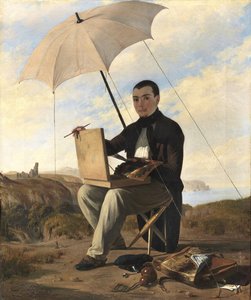
louis-jean-noël duveau
1818 - 1867 , France
Kratke činjenice
- Artistic Movement Or Style: Hudson River School
- Artists Or Movements Influenced By This Artist: ['Thomas Cole']
- Artists Who Influenced This Artist:
- John Boyd
- Nathaniel Jocelyn
- Date Of Birth: 1818 New Haven, CT
- Date Of Death: 1871 Cold Spring, NY
- Full Name: Thomas Prichard Rossiter
- Nationality: American
- Notable Artworks:
- Washington and Lafayette
- Washington's Cabinet
- Mount Vernon Portrait
- Place Of Birth: New Haven, Connecticut