

 Pregledaj u prostoru
 Pošalji
 Podeli
 Detalji o delu

 Преузми
 Slični predmeti
 Rendgenski snimak
 Slajdovi
 Statistika
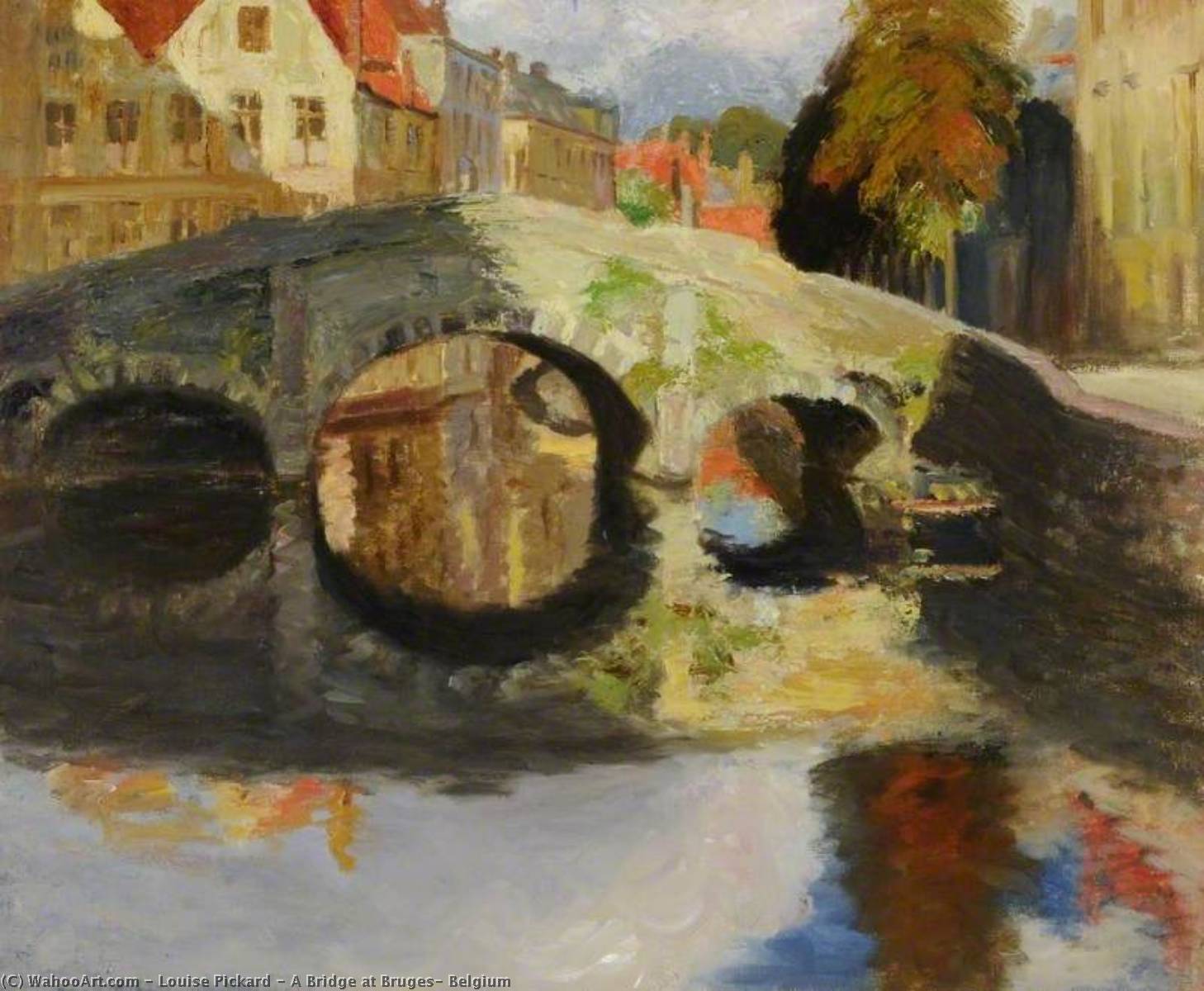
A Bridge at Bruges, Belgium
 54.0 x 65.0 cm
 Ferens Art Gallery
 Pročitaj više
Giclee štampa / Umetnički otisak
Giclée štampa ili print na platnu muzejskog kvaliteta uz brzu proizvodnju i fleksibilne opcije završne obrade. ( Kupi ručno naslikanu sliku Pređi na digitalnu sliku)




































Izaberite jednu od naših unapred definisanih veličina koje odgovaraju originalnim proporcijama umetničkog dela.

Možete uneti sopstvene dimenzije kako biste umetničko delo prilagodili specifičnom okviru ili prostoru. Ako odabrani format ne odgovara proporcijama originalne slike, mi ćemo ili iscrtati deo dela ili proširiti sliku pomoću ogledane ivice ili jednobojnog popunjavanja. Digitalni prikaz će vam biti poslat na odobrenje pre početka proizvodnje.
Imajte na umu da pregled na ekranu ne odražava stvarno iscrtavanje ili proširivanje. Samo će prikaz (mockup) precizno pokazati finalnu kompoziciju.
Iako su prilagođene dimenzije dostupne, preporučujemo da odaberete dimenziju sa unapred definisane liste kako biste očuvali originalne proporcije.
Dostava širom sveta () za 2 nedelje umesto uobičajenih 4/5 nedelja. (9 септембар)

Besplatna ekspresna dostava širom sveta

Visokokvalitetno laneno platno

Kompletno osiguranje transporta

Garancija povraćaja carine i uvoznih dažbina

Garancija vernosti boja

Politika povraćaja u roku od 100 dana (isključivo u slučaju nedostataka)

Garancija povrata novca od 100%

Popust pri grupnoj kupovini
 Opcija sa staklom dostupna je samo za dimenzije manje od 110 cm

A Bridge at Bruges, Belgium
Giclee štampa / Umetnički otisak
Dimenzije reprodukcije
-


Konačna cena
$ 62
Srodna umetnička dela








Biografija umetnika
Louise Pickard: A Quiet Master of Still Life and Light
Louise Pickard (1865-1928) remains a quietly significant figure in late 19th and early 20th century British art, often overshadowed by the more flamboyant movements of her time. Born in Kingston upon Hull, she initially faced societal constraints that limited artistic opportunities for women, yet through perseverance and a keen eye, Pickard established herself as a respected painter specializing in meticulously observed still lifes, evocative landscapes, and intimate portraits. Her work, characterized by a delicate palette, subtle modeling, and an almost meditative quality, offers a poignant glimpse into the domestic world of Edwardian England.
Pickard’s early artistic training was largely self-directed, fueled by a desire to escape the limitations imposed upon her gender. She began studying at the local School of Art in Hull, absorbing the principles of observation and technique. A pivotal moment arrived when, at thirty years old, she secured a place at the Slade School of Art in London – a significant achievement for an artist of her time. This period provided invaluable exposure to established artists and a rigorous academic environment. Following her studies, Pickard spent a year in Paris, immersing herself in the vibrant artistic scene and experimenting with new approaches to light and color. Returning to England, she established a studio in Chelsea, a hub of artistic activity during this era, and began exhibiting her work regularly.
Pickard’s artistic development can be traced through a series of recurring themes and stylistic choices. Initially influenced by the Impressionists' focus on capturing fleeting moments of light and color, she gradually developed a more restrained and controlled approach. Her still lifes, often featuring humble domestic objects – fruit bowls, vases of flowers, jugs – are rendered with remarkable detail and sensitivity. She wasn’t interested in dramatic displays or bold statements; instead, she sought to convey the quiet beauty of everyday life through subtle shifts in tone and texture. Landscapes, frequently depicting scenes from North Yorkshire, demonstrate a similar appreciation for observation and restraint, capturing the atmospheric qualities of the countryside with a delicate touch. Portraits, though less frequent than her still lifes and landscapes, reveal a keen understanding of human character and an ability to convey emotion through nuanced expressions.
Despite exhibiting at prestigious venues such as the Royal Academy and the New English Art Club – institutions that championed both established and emerging artists – Pickard’s career was marked by relative obscurity. Contemporary critics often noted her struggles against poverty, a common plight for many working-class artists during this period. This lack of recognition contributed to a delayed appreciation of her work, which has only recently begun to receive the attention it deserves. However, her paintings are now recognized as significant examples of British art from the early 20th century, showcasing a unique blend of observation, sensitivity, and technical skill.
Key Works and Exhibitions
- Still Life with Fruit (c. 1910): This painting exemplifies Pickard’s meticulous attention to detail and her ability to capture the subtle nuances of light and color. The arrangement of fruit – apples, pears, and grapes – is rendered with remarkable precision, while the play of light on their surfaces creates a sense of depth and atmosphere.
- The Thames at Chelsea (c. 1915): A serene depiction of the riverbank, capturing the hazy light and atmospheric conditions characteristic of early morning in London. The painting’s muted palette and delicate brushwork evoke a sense of tranquility and contemplation.
- Portrait of a Young Woman (c. 1920): Demonstrating her skill in portraying human character, this portrait captures the subject's quiet dignity and inner strength through subtle gestures and expressions.
Influences and Artistic Context
Pickard’s artistic journey was shaped by a confluence of influences. The Impressionist movement, with its emphasis on capturing fleeting moments of light and color, undoubtedly played a role in her early development. However, she also drew inspiration from the work of Pre-Raphaelite painters, particularly their interest in depicting beauty in everyday life. The quiet introspection of artists like Walter Sickert and Joseph Hibbs, who focused on domestic scenes and portraits, may have also influenced her approach. Importantly, Pickard’s work reflects the broader social and cultural context of Edwardian England – a period marked by both prosperity and social inequality.
Legacy and Recognition
Despite facing challenges throughout her career, Louise Pickard left behind a body of work that is increasingly recognized for its quiet beauty and technical skill. Her paintings are now held in important collections, including the Ferens Art Gallery in Hull and the Tate in London, testament to their enduring value. Recent scholarship has shed new light on her life and work, challenging previous assumptions about her artistic significance and highlighting her contribution to British art history. Louise Pickard’s story serves as a reminder of the often-overlooked contributions of women artists during a period when opportunities were limited.
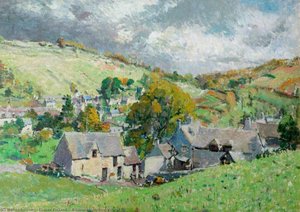
louise pickard
1865 - 1928
Osnovne informacije
- Artistic Movement Or Style: Still life, landscapes
- Artists Or Movements Influenced By This Artist: ['']
- Artists Who Influenced This Artist: ['']
- Date Of Birth: 1865
- Date Of Death: 1928
- Full Name: Louise Pickard
- Nationality: British
- Notable Artworks:
- Eyam Dale
- Dessert
- Thames – Early Morning
- Blue flowers
- Place Of Birth: Kingston-Upon-Hull, UK