

 Pregledaj u prostoru
 Pošalji
 Podeli
 Detalji o delu

 Преузми
 Slični predmeti
 Rendgenski snimak
 Slajdovi
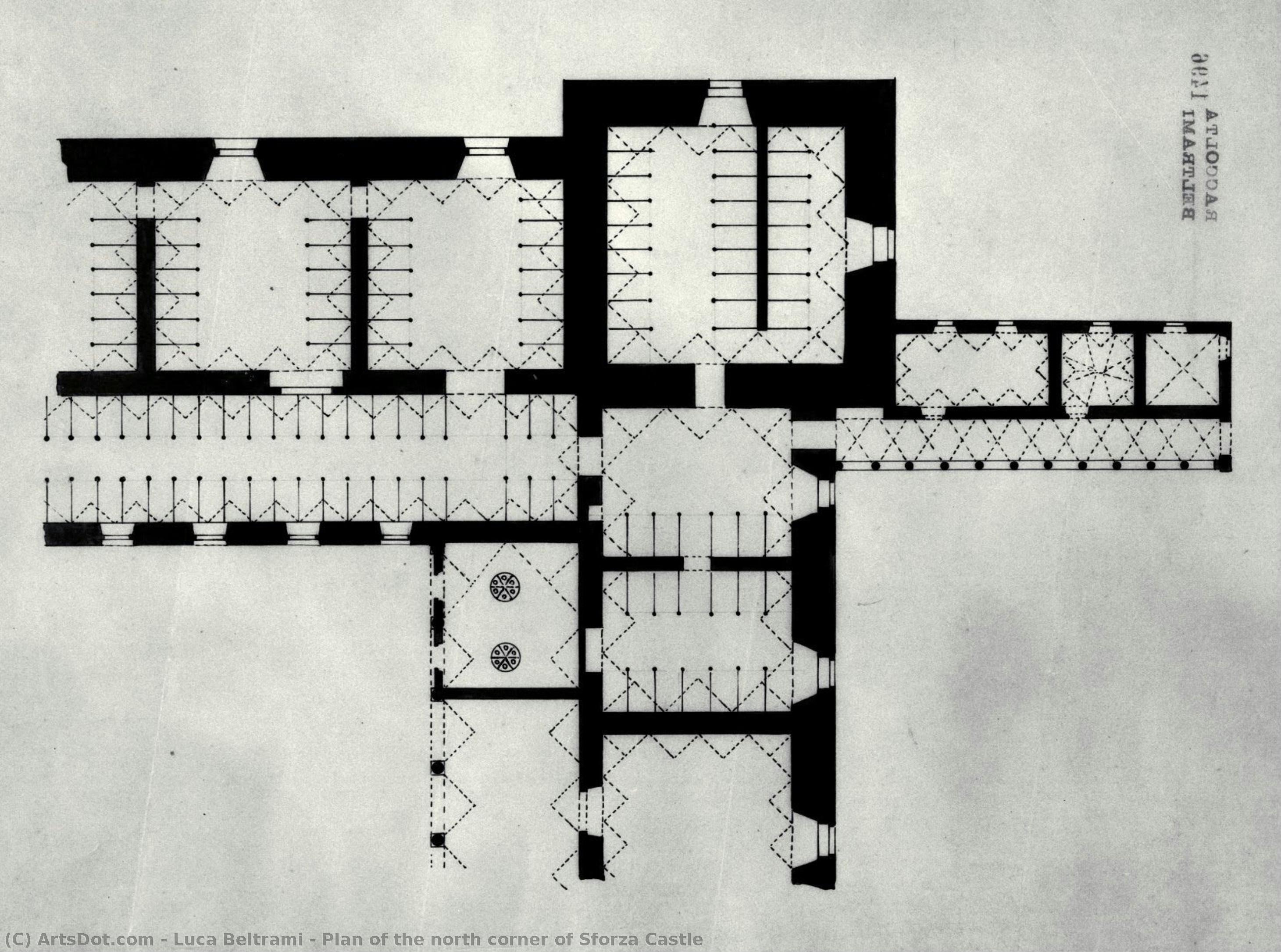
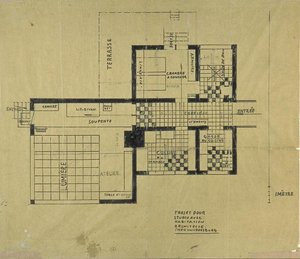
Plan of the north corner of Sforza Castle
 Acrylic On Canvas
- WallArt
- Renaissance Revival
 1893
1893 31.0 x 42.0 cm
 Sforza Castle
 Pročitaj više
Kupite digitalnu sliku visoke rezolucije i poboljšanog kvaliteta, koja je znatno superiornija od onoga što vidite u online prikazu.
Svaka datoteka je pedantno pripremljena od strane naših stručnjaka koristeći napredne alate i profesionalnu ručnu retušu. Osiguravamo da svaka slika ima izuzetnu oštrinu, preciznu reprodukciju boja i fine detalje.
Konačna datoteka se dostavlja putem e-pošte u roku od 72 sata, optimizovana za neposrednu upotrebu u profesionalnim, izdavačkim i štamparskim okruženjima. To je isti kvalitet kojem veruju vrhunski studiji dizajna, izdavači i galerije.
Digitalna slika
Preuzmite datoteku visoke rezolucije za ličnu upotrebu, štampanje i kreativne projekte. ( Kupi print Kupi ručno naslikanu sliku)
Uključeno uz svaku porudžbinu digitalne slike
Profesionalna digitalna isporuka, zagarantovana
Kada odaberete ArtsDot.com, ne dobijate samo sliku – vi primate profesionalno unapređeno digitalno umetničko delo, izrađeno sa najvećom preciznošću i uz garanciju zadovoljstva. Evo svega što automatski dolazi uz vašu porudžbinu:

Brza dostava putem e-pošte
Vaša digitalna slika visoke rezolucije biće vam poslata putem e-pošte u roku od 72 sata od poručivanja – spremna za trenutnu upotrebu.

Digitalna datoteka unapređena veštačkom inteligencijom
Vaše umetničko delo je profesionalno optimizovano korišćenjem naprednih AI alata i ručne obrade, čime se osiguravaju maksimalni detalji, oštrina i preciznost boja.

Besplatna ponovna isporuka doživotno
Slučajno ste obrisali ili izgubili svoju datoteku? Ne brinite – poslaćemo vam je ponovo u bilo kom trenutku, potpuno besplatno.

Bez troškova uvoza – zauvek
Uživajte u svojim umetničkim delima trenutno, bez carine, dažbina ili troškova dostave – digitalni download je uvek bez poreza.

Garancija vernosti boja
Uz pomoć profesionalnih alata i upravljanja bojama, osiguravamo da vaša digitalna slika što vernije odražava originalne boje.

Garancija zadovoljstva u roku od 60 dana
Ako niste zadovoljni svojom digitalnom slikom, revidirat ćemo je ili vratiti 100% novca u roku od 60 dana – bez ikakvih pitanja.

100% garancija povrata novca
Niste zadovoljni? Obezbedite pun povrat novca u roku od 60 dana od trenutka kada ste primili svoju digitalnu datoteku – bez suvišnih pitanja.

Popusti na velike porudžbine
Kupite 3 slike, uštedite 10% - Kupite 5 slika, uštedite 15% - Kupite 10+ slika, uštedite 20%. Odlično za kreativne projekte, galerije i agencije.
Opis kolekcionarskog dela
Srodna umetnička dela



Biografija umetnika
The Architect of Milanese Memory
Luca Beltrami was far more than a mere builder; he was a guardian of the Lombardian soul, an intellectual whose life’s work served as a bridge between the crumbling grandeur of the past and the burgeoning energy of a modernizing Italy. Born in 1854 in Milan, a city then navigating the complex transitions of the Austro-Hungarian era and the fervent spirit of the Risorgimento, Beltrami possessed a sensitivity to the layers of history that define urban landscapes. His early years were marked by a profound duality of mind—a rigorous mathematical precision paired with an exquisite artistic temperament. It is whispered in historical accounts that his talent for fine detail was first discovered during a mathematics lesson, when the esteemed Francesco Brioschi caught the young student meticulously etching designs onto copper plates. This early intersection of science and art would become the hallmark of his entire career.
His academic journey took him through the prestigious halls of the Polytechnic University of Milan and the Brera Academy, where he studied under the influential Camillo Boito. However, it was his pilgrimage to Paris that truly expanded his architectural vocabulary. Immersed in the atmosphere of the École des Beaux-Arts, Beltrami entered the ateliers of masters such as Jean-Louis Pascal and Gabriel Daviult, and came into contact with the legendary Charles Garnier. This exposure to French neoclassicism and the grand urban planning of Paris provided him with a sophisticated lens through which to view his native Milan. He did not merely seek to copy European trends; rather, he sought to translate their elegance into a local vernacular that respected the unique Lombard heritage.
A Legacy Written in Stone and Etching
While history remembers Beltrami primarily as an architect of monumental restoration, his artistic output was equally diverse, encompassing the delicate medium of etching. His graphic works, such as his evocative depictions of the Arch of Titus in Rome or the serene columns of Saint Mark’s Square, reveal a man deeply enamored with the interplay of light and shadow on ancient surfaces. Through his etchings, he captured the ephemeral beauty of architectural textures, documenting the very details that he would later fight to preserve in stone. This artistic practice was not a separate pursuit but an essential component of his architectural methodology, allowing him to study and communicate the structural nuances of the monuments he loved.
The true magnitude of Beltrami’s contribution lies in his transformative work on Milan’s most iconic landmarks. His tenure as a restorer was characterized by a scientific devotion to authenticity. Between 1891 and 1905, he undertook the Herculean task of restoring the Castello Sforzesco, a project that required him to act as both an archaeologist and an artist. He meticulously researched original designs to ensure that every reconstructed facade remained true to its medieval and Renaissance roots. His influence can be seen across the city in various capacities:
- The Restoration of Castello Sforzesco: Transforming a formidable fortress into a vibrant cultural heart for Milan.
- Ecclesiastical Revitalization: The painstaking reconstruction of church facades that restored the spiritual and aesthetic dignity of Milanese parishes.
- Civic Monuments: Designing the pedestal for the monument to the poet Giuseppe Parini, blending commemorative art with urban design.
- Neoclassical Grandeur: His work on the Palace of the Banca Commerciale Italiana, a testament to his ability to create enduring, stately structures in the early 20th century.
The Enduring Spirit of Preservation
As an all-round intellectual—a conservator, historian, journalist, and politician—Beltrami understood that a city’s identity is inextricably linked to its physical continuity. He viewed the demolition of historic structures not merely as urban progress, but as a loss of collective memory. His career was a constant struggle to balance the necessity of modern development with the sacred duty of historical preservation. Even as Milan expanded and modernized, Beltrami’s hand was present, ensuring that the new layers of the city did not erase the old.
By the time of his death in 1933, Luca Beltrami had left an indelible mark on the skyline of Lombardy. His legacy is found in the very stones of the Castello Sforzesco and in the quiet dignity of the churches he helped restore. He taught future generations that architecture is not just about creating new spaces, but about honoring the dialogue between what was and what is yet to be. Through his meticulous research, his exquisite etchings, and his architectural triumphs, he ensured that the glory of Milan’s past would remain a living, breathing part of its future.
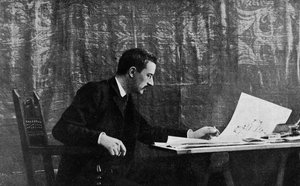
Luca Beltrami
1854 - 1933 , Italy
Kratke činjenice
- Artistic Movement Or Style: Restoration Architecture
- Artists Or Movements Influenced By This Artist: ['Modernism']
- Artists Who Influenced This Artist: ['Camillo Boito']
- Date Of Birth: November 13, 1854
- Date Of Death: August 8, 1933
- Full Name: Luca Beltrami
- Nationality: Italian
- Notable Artworks: ['Sala delle Asse']
- Place Of Birth: Milan, Italy

