

 Pregledaj u prostoru
 Pošalji
 Podeli
 Detalji o delu

 Преузми
 Slični predmeti
 Rendgenski snimak
 Slajdovi
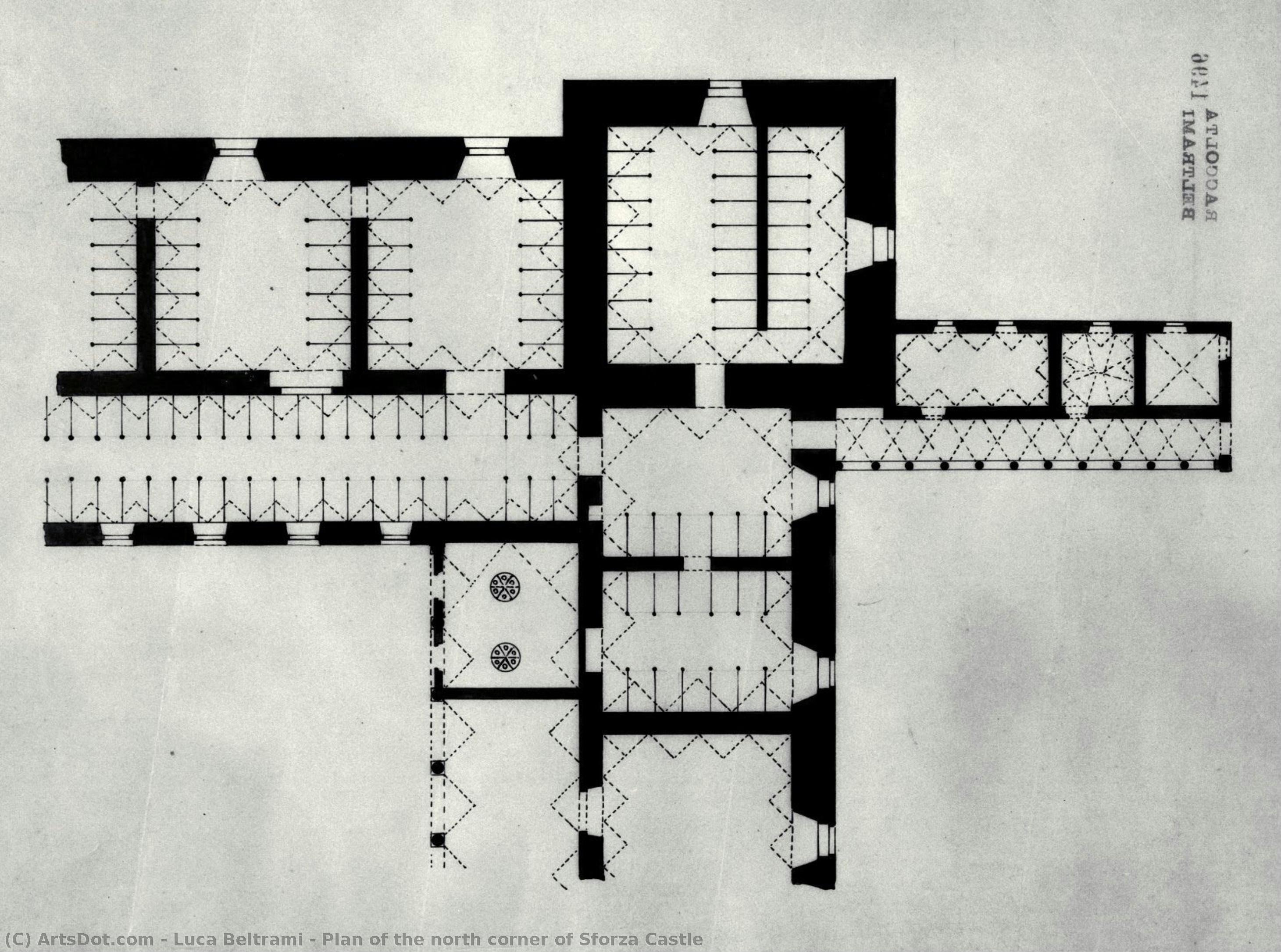
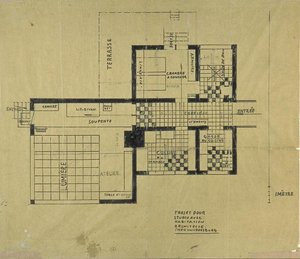
Plan of the north corner of Sforza Castle
 Acrylic On Canvas
- WallArt
- Renaissance Revival
 1893
1893 31.0 x 42.0 cm
 Sforza Castle
 Pročitaj više
Giclee štampa / Umetnički otisak
Giclée štampa ili print na platnu muzejskog kvaliteta uz brzu proizvodnju i fleksibilne opcije završne obrade. ( Kupi ručno naslikanu sliku Kupi digitalnu sliku)




P118B $10

P118H $10

P118W $10

P438Z $10

P508JH $12

P508YH $12

P805H $10

P805Z $10

P919BZ $10

P919G $10

P919XJ $10

P959ZH $10

P968JZ $12

W106C $8

W218G $10

W218JH $8

W218Y $10

W307PJ $10

W316G $10

W316PJ $8

W316Y $10

W398PJ $8

W4111J $10

W500HY $15

W500JH $15

W692G $12

W849H $8

W940BG $15

W953PJ $8




Izaberite jednu od naših unapred definisanih veličina koje odgovaraju originalnim proporcijama umetničkog dela.

Možete uneti sopstvene dimenzije kako biste umetničko delo prilagodili specifičnom okviru ili prostoru. Ako odabrani format ne odgovara proporcijama originalne slike, mi ćemo ili iscrtati deo dela ili proširiti sliku pomoću ogledane ivice ili jednobojnog popunjavanja. Digitalni prikaz će vam biti poslat na odobrenje pre početka proizvodnje.
Imajte na umu da pregled na ekranu ne odražava stvarno iscrtavanje ili proširivanje. Samo će prikaz (mockup) precizno pokazati finalnu kompoziciju.
Iako su prilagođene dimenzije dostupne, preporučujemo da odaberete dimenziju sa unapred definisane liste kako biste očuvali originalne proporcije.
Dostava širom sveta () za 2 nedelje umesto uobičajenih 4/5 nedelja. (27 август)

Besplatna ekspresna dostava širom sveta

Visokokvalitetno laneno platno

Kompletno osiguranje transporta

Garancija povraćaja carine i uvoznih dažbina

Garancija vernosti boja

Politika povrata u roku od 60 dana (samo u slučaju nedostataka)

Garancija povrata novca od 100%

Popust pri grupnoj kupovini
 Opcija sa staklom dostupna je samo za dimenzije manje od 110 cm

Plan of the north corner of Sforza Castle
Giclee štampa / Umetnički otisak
Dimenzije reprodukcije
-


Konačna cena
$ 62
Opis predmeta
Srodna umetnička dela

Biografija umetnika
The Architect of Milanese Memory
Luca Beltrami was far more than a mere builder; he was a guardian of the Lombardian soul, an intellectual whose life’s work served as a bridge between the crumbling grandeur of the past and the burgeoning energy of a modernizing Italy. Born in 1854 in Milan, a city then navigating the complex transitions of the Austro-Hungarian era and the fervent spirit of the Risorgimento, Beltrami possessed a sensitivity to the layers of history that define urban landscapes. His early years were marked by a profound duality of mind—a rigorous mathematical precision paired with an exquisite artistic temperament. It is whispered in historical accounts that his talent for fine detail was first discovered during a mathematics lesson, when the esteemed Francesco Brioschi caught the young student meticulously etching designs onto copper plates. This early intersection of science and art would become the hallmark of his entire career.
His academic journey took him through the prestigious halls of the Polytechnic University of Milan and the Brera Academy, where he studied under the influential Camillo Boito. However, it was his pilgrimage to Paris that truly expanded his architectural vocabulary. Immersed in the atmosphere of the École des Beaux-Arts, Beltrami entered the ateliers of masters such as Jean-Louis Pascal and Gabriel Daviult, and came into contact with the legendary Charles Garnier. This exposure to French neoclassicism and the grand urban planning of Paris provided him with a sophisticated lens through which to view his native Milan. He did not merely seek to copy European trends; rather, he sought to translate their elegance into a local vernacular that respected the unique Lombard heritage.
A Legacy Written in Stone and Etching
While history remembers Beltrami primarily as an architect of monumental restoration, his artistic output was equally diverse, encompassing the delicate medium of etching. His graphic works, such as his evocative depictions of the Arch of Titus in Rome or the serene columns of Saint Mark’s Square, reveal a man deeply enamored with the interplay of light and shadow on ancient surfaces. Through his etchings, he captured the ephemeral beauty of architectural textures, documenting the very details that he would later fight to preserve in stone. This artistic practice was not a separate pursuit but an essential component of his architectural methodology, allowing him to study and communicate the structural nuances of the monuments he loved.
The true magnitude of Beltrami’s contribution lies in his transformative work on Milan’s most iconic landmarks. His tenure as a restorer was characterized by a scientific devotion to authenticity. Between 1891 and 1905, he undertook the Herculean task of restoring the Castello Sforzesco, a project that required him to act as both an archaeologist and an artist. He meticulously researched original designs to ensure that every reconstructed facade remained true to its medieval and Renaissance roots. His influence can be seen across the city in various capacities:
- The Restoration of Castello Sforzesco: Transforming a formidable fortress into a vibrant cultural heart for Milan.
- Ecclesiastical Revitalization: The painstaking reconstruction of church facades that restored the spiritual and aesthetic dignity of Milanese parishes.
- Civic Monuments: Designing the pedestal for the monument to the poet Giuseppe Parini, blending commemorative art with urban design.
- Neoclassical Grandeur: His work on the Palace of the Banca Commerciale Italiana, a testament to his ability to create enduring, stately structures in the early 20th century.
The Enduring Spirit of Preservation
As an all-round intellectual—a conservator, historian, journalist, and politician—Beltrami understood that a city’s identity is inextricably linked to its physical continuity. He viewed the demolition of historic structures not merely as urban progress, but as a loss of collective memory. His career was a constant struggle to balance the necessity of modern development with the sacred duty of historical preservation. Even as Milan expanded and modernized, Beltrami’s hand was present, ensuring that the new layers of the city did not erase the old.
By the time of his death in 1933, Luca Beltrami had left an indelible mark on the skyline of Lombardy. His legacy is found in the very stones of the Castello Sforzesco and in the quiet dignity of the churches he helped restore. He taught future generations that architecture is not just about creating new spaces, but about honoring the dialogue between what was and what is yet to be. Through his meticulous research, his exquisite etchings, and his architectural triumphs, he ensured that the glory of Milan’s past would remain a living, breathing part of its future.
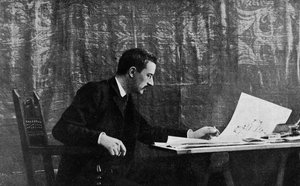
Luca Beltrami
1854 - 1933 , Italy
Osnovne informacije
- Artistic Movement Or Style: Restoration Architecture
- Artists Or Movements Influenced By This Artist: ['Modernism']
- Artists Who Influenced This Artist: ['Camillo Boito']
- Date Of Birth: November 13, 1854
- Date Of Death: August 8, 1933
- Full Name: Luca Beltrami
- Nationality: Italian
- Notable Artworks: ['Sala delle Asse']
- Place Of Birth: Milan, Italy
Povezani članci
Leonardo da Vinci: 25 Remek-dela Genija za Vaš Dom | ArtsDot
Istražite 25 remek-dela Leonarda da Vince, od Mona Lize do Poslednje večere. Otkrijte priče iza slika renesanse i inspiraciju za dekoraciju enterijera. Kvalitetne reprodukcije na ArtsDot.com!

Leonardo da Vinci: A Renaissance Master’s Synthesis of Art, Science & Human Observation – Reinterpreted for the Collector
Explore Leonardo da Vinci’s timeless masterpieces with ArtsDot. Discover insights into his art, science, and legacy – trusted expertise for discerning collectors seeking authentic reproductions & investment opportunities.
Renaissance Humanism's Greatest Art: 10 Masterpieces for Your Home
Explore 10 Renaissance Humanism masterpieces by Leonardo da Vinci, Michelangelo & Raphael. Discover the stories behind these iconic paintings & sculptures and bring timeless art into your home with museum-quality reproductions from ArtsDot.com. Explore the full collection online!
25 Remek-dela Galerije Uffizi: Putovanje kroz renesansnu lepotu | ArtsDot.com
Istražite 25 remek-dela Galerije Uffizi u Firenci! Otkrijte priče iza slika Leonarda da Vinčija, Mikelanđela i Botticellija. Pronađite inspiraciju za dekoraciju enterijera i kupite reprodukcije vrhunske kvalitete na ArtsDot.com.

25 Remek-dela Luvra: Putovanje kroz vekove umetnosti i lepote | ArtsDot.com
Otkrijte 25 remek-dela Luvra! Istražite priče iza Mona Lize, Venere Miloske i drugih ikona umetnosti. Reprodukcije slika vrhunskog kvaliteta za vaš enterijer. Leonardo da Vinci, renesansa & više na ArtsDot.com

