

 Pregledaj u prostoru
 Pošalji
 Podeli
 Detalji o delu

 Преузми
 Slični predmeti
 Rendgenski snimak
 Slajdovi
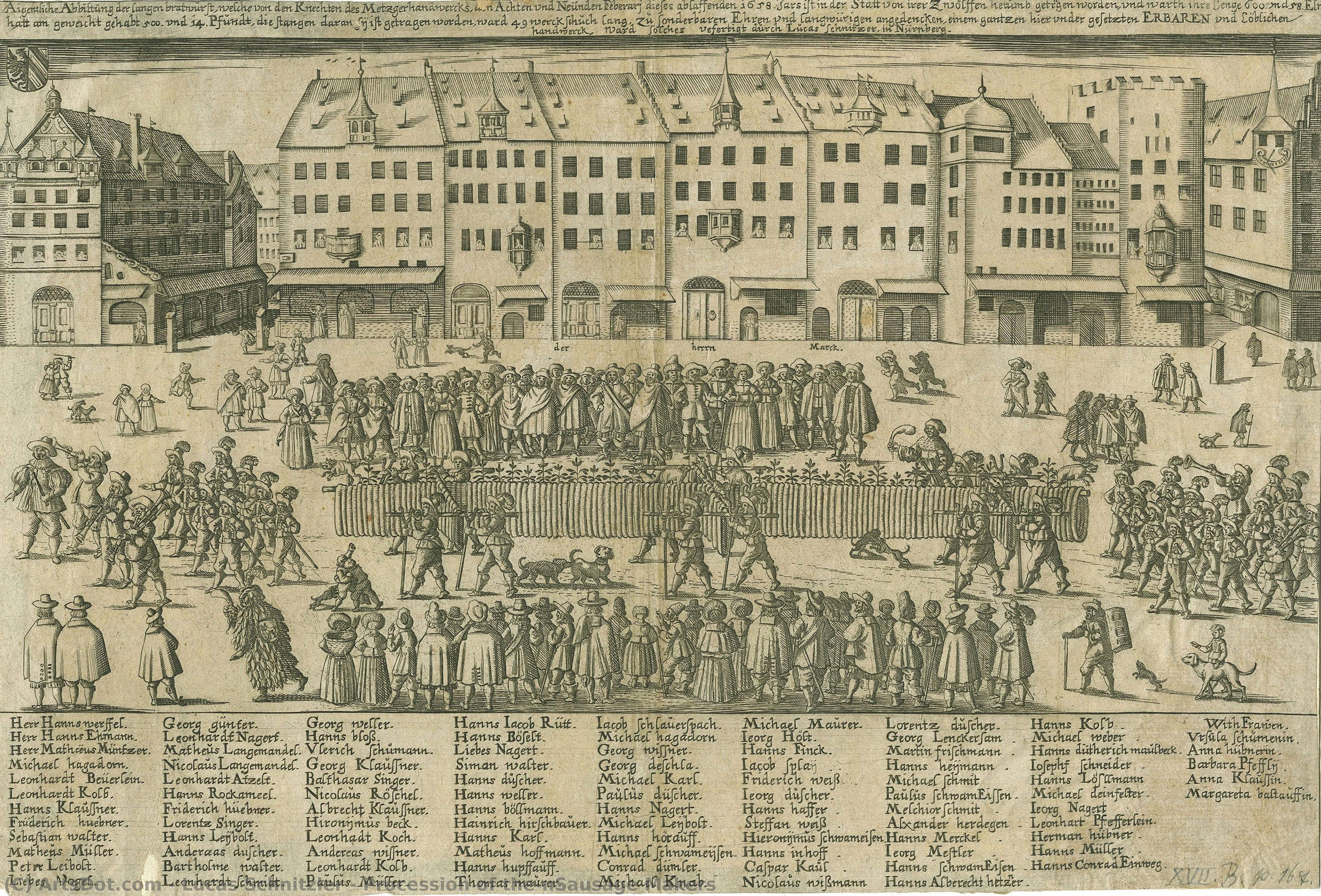
Procession of the\nSausage Makers


 Pročitaj više
Giclee štampa / Umetnički otisak
Giclée štampa ili print na platnu muzejskog kvaliteta uz brzu proizvodnju i fleksibilne opcije završne obrade. ( Kupi ručno naslikanu sliku Kupi digitalnu sliku)




P118B $10

P118H $10

P118W $10

P438Z $10

P508JH $12

P508YH $12

P805H $10

P805Z $10

P919BZ $10

P919G $10

P919XJ $10

P959ZH $10

P968JZ $12

W106C $8

W218G $10

W218JH $8

W218Y $10

W307PJ $10

W316G $10

W316PJ $8

W316Y $10

W398PJ $8

W4111J $10

W500HY $15

W500JH $15

W692G $12

W849H $8

W940BG $15

W953PJ $8




Izaberite jednu od naših unapred definisanih veličina koje odgovaraju originalnim proporcijama umetničkog dela.

Možete uneti sopstvene dimenzije kako biste umetničko delo prilagodili specifičnom okviru ili prostoru. Ako odabrani format ne odgovara proporcijama originalne slike, mi ćemo ili iscrtati deo dela ili proširiti sliku pomoću ogledane ivice ili jednobojnog popunjavanja. Digitalni prikaz će vam biti poslat na odobrenje pre početka proizvodnje.
Imajte na umu da pregled na ekranu ne odražava stvarno iscrtavanje ili proširivanje. Samo će prikaz (mockup) precizno pokazati finalnu kompoziciju.
Iako su prilagođene dimenzije dostupne, preporučujemo da odaberete dimenziju sa unapred definisane liste kako biste očuvali originalne proporcije.
Dostava širom sveta () za 2 nedelje umesto uobičajenih 4/5 nedelja. (6 септембар)

Besplatna ekspresna dostava širom sveta

Visokokvalitetno laneno platno

Kompletno osiguranje transporta

Garancija povraćaja carine i uvoznih dažbina

Garancija vernosti boja

Politika povrata u roku od 100 dana (samo u slučaju nedostataka)

Garancija povrata novca od 100%

Popust pri grupnoj kupovini
 Opcija sa staklom dostupna je samo za dimenzije manje od 110 cm

Procession of the\nSausage Makers
Giclee štampa / Umetnički otisak
Dimenzije reprodukcije
-


Konačna cena
$ 62
A Window into the Seventeenth Century
Step into the bustling streets of mid-17th century Austria with Lucas Schnitzler’s evocative masterpiece, Procession of the Sausage Makers. Created in 1658, this exquisite work serves as a temporal bridge, transporting the viewer back to an era of vibrant communal life and storied traditions. The scene unfolds like a captured moment from a historical drama, where the rhythmic movement of a crowd fills the narrow lanes of an old town. Through the meticulous lens of Schnitzler’s vision, we witness more than just a parade; we encounter the very heartbeat of a bygone society, where every figure and architectural detail whispers tales of guild pride and local heritage.
The composition is a masterclass in narrative depth, utilizing a sophisticated arrangement of figures to guide the eye through the urban landscape. As the procession moves forward, the viewer is drawn into the throng, feeling the proximity of the participants. The intricate details of their period attire—from the structured coats to the formal ties—speak to the social hierarchies and the dignity of the craft guilds of the time. There is a profound sense of motion captured within the stillness of the medium, as if one could almost hear the shuffling of feet on cobblestone and the low murmur of the gathered townsfolk.
The Artistry of Detail and Light
While the original essence of this work is rooted in the rich textures of 17th-century painting, its presence in engraving form offers a unique, graphic intensity that is particularly striking for modern collectors. The interplay of light and shadow creates a dramatic atmosphere, reminiscent of the burgeoning Baroque sensibilities of the era. Schnitzler employs a delicate balance of contrast to define the architectural silhouettes of the old town, lending the scene a sense of permanence and weight. Each line serves a purpose, carving out the facial expressions of the participants and the weathered textures of the surrounding buildings, ensuring that no element is left without character.
For the discerning interior designer or art enthusiast, this piece offers an unparalleled opportunity to introduce historical gravity into a contemporary space. The monochromatic elegance of the engraving allows it to integrate seamlessly into diverse decor styles, whether it be a classic study lined with leather-bound books or a modern, minimalist gallery wall seeking a focal point of profound depth. It is not merely a decoration; it is a conversation piece that invites contemplation on the continuity of human tradition and the enduring beauty of communal celebration.
A Legacy for the Modern Collector
Owning a hand-painted reproduction of Procession of the Sausage Makers is an investment in cultural storytelling. To bring this work into one's home is to curate an atmosphere of sophistication and intellectual curiosity. The emotional impact of the piece lies in its ability to evoke nostalgia for a time when craftsmanship and community were the cornerstones of urban existence. It provides a sense of groundedness, a connection to the artisanal roots of Europe that remains deeply resonant even in our fast-paced, digital age.
Whether you are seeking to anchor a room with a sense of historical prestige or looking for a meaningful gift for a lover of European history, this reproduction stands as a testament to the enduring power of the Baroque spirit. It is an invitation to look closer, to wander through the streets of 1658, and to find beauty in the organized chaos of a festive procession.
Srodna umetnička dela
Biografija umetnika
The Shadowed Genius: Caravaggio and the Dawn of Baroque
Michelangelo Merisi da Caravaggio, a name synonymous with drama, darkness, and revolutionary technique, remains one of the most compelling figures in art history. Born in Milan in 1571, his life was tragically short – he died at the young age of thirty-eight – yet within those brief years, he irrevocably altered the course of painting, ushering in the Baroque era with a style that continues to captivate and challenge viewers centuries later. Caravaggio’s legacy isn't simply about masterful brushwork; it’s about a radical shift in how artists approached light, emotion, and the very nature of representation. Caravaggio’s early life remains shrouded in some mystery. He apprenticed under Lombard painters in Milan and Venice, absorbing traditional techniques but quickly developing his own distinctive vision. His first documented work, “The Crowning with Thorns” (1598), already hinted at the dramatic intensity that would become his hallmark. This piece, painted for the church of San Michele in Arcugnano, showcased a startling realism – not just in its depiction of the suffering Christ but also in the faces of the onlookers, rendered with an unflinching honesty that was unprecedented at the time. Crucially, Caravaggio employed *tenebrism*, a technique characterized by extreme contrasts between light and dark, creating a theatrical atmosphere where figures emerged from deep shadows, bathed in pools of illumination. This wasn’t merely a stylistic choice; it served to heighten emotional impact and draw the viewer's eye directly to key elements within the composition.A Revolutionary Palette: Influences and Techniques
Caravaggio’s artistic development was profoundly shaped by several influences, most notably the works of Leonardo da Vinci and Michelangelo. He admired Da Vinci’s sfumato technique – the subtle blending of colors to create a hazy effect – but rejected its idealized beauty in favor of a more direct and visceral approach. Similarly, he studied Michelangelo's dynamic compositions and powerful figures, adopting their sense of monumentalism and dramatic gesture. However, Caravaggio didn’t simply imitate these masters; he synthesized their techniques with his own innovative vision. He frequently worked *alla prima*, directly on the canvas without underdrawing, a practice that allowed for spontaneity and immediacy in his brushwork. His use of color was equally revolutionary – often employing muted earth tones, punctuated by vibrant reds and yellows – to create a sense of realism and depth. Furthermore, he utilized ordinary people as models, rejecting the traditional reliance on classical mythology and religious iconography, opting instead to depict biblical scenes with figures recognizable as members of his own social milieu.Theatrical Drama: Key Works and Recurring Themes
Caravaggio’s output was remarkably prolific, though tragically short-lived. Among his most celebrated works are “The Calling of St Matthew” (1599-1600), a scene brimming with energy and immediacy as Christ calls Matthew from the midst of a gambling den; "David and Goliath" (1600), a brutally realistic depiction of the biblical hero’s triumph over the giant; and “Judith Beheading Holofernes” (1602), a shockingly violent and psychologically complex portrayal of the biblical heroine. These paintings, and many others, are characterized by their dramatic lighting, intense emotion, and unflinching realism. Caravaggio consistently explored themes of faith, doubt, violence, and redemption, often depicting religious figures as flawed and vulnerable human beings. His depictions of saints were rarely idealized; instead, they were presented with a raw honesty that challenged conventional notions of piety.The Legacy of Darkness: Influence and Aftermath
Caravaggio’s impact on subsequent generations of artists was immense. The *Caravaggisti*, or Caravaggesques, a group of painters who emulated his style, spread his techniques throughout Europe – to Spain, Italy, France, and beyond. Artists like Rembrandt van Rijn, Diego Velázquez, and Artemisia Gentileschi all drew inspiration from Caravaggio’s innovations in light, composition, and emotional expression. However, Caravaggio's life was also marked by controversy and violence. He was known for his volatile temper and involvement in several brawls, culminating in a fatal duel in 1606. His death at the age of thirty-eight cut short a brilliant career, but his legacy as one of art history’s most revolutionary figures endures to this day. His dramatic use of light and shadow continues to inspire artists and captivate audiences, reminding us of the power of art to evoke emotion, challenge conventions, and reveal the complexities of the human condition. Caravaggio's work remains a testament to the enduring impact of a single artist who dared to break with tradition and forge his own unforgettable path.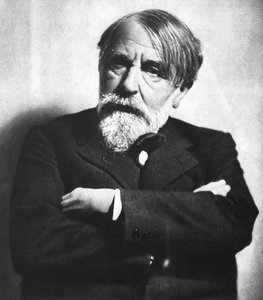
lucas schnitzler
1600 - 1671 , Austria
Osnovne informacije
- Artistic Movement Or Style: Baroque
- Artists Or Movements Influenced By This Artist: ['Caravaggisti']
- Artists Who Influenced This Artist:
- Michelangelo
- Leonardo da Vinci
- Date Of Death: 1610
- Full Name: Caravaggio
- Nationality: Italian
- Notable Artworks:
- The Calling of St Matthew
- David and Goliath
- Place Of Birth: Milan, Italy
Povezani članci
Engraving's Golden Age: 10 Masterpieces That Redefined Art | ArtsDot
Journey through art history with our Top 10 Legendary Engravings! Explore masterpieces by Dürer, Rembrandt & Goya. Discover the stories behind these iconic prints and find museum-quality reproductions for your home at ArtsDot.com.
Engraving: A Historical Survey of Technique, Artistic Expression & Enduring Legacy
Explore the rich history of engraving with ArtsDot. Discover techniques, iconic artists like Dürer & Callot, collecting tips, and expert guidance for preserving your art investment. Learn about intaglio printing & more!
The Intricate World of Engraving: A Historical Survey of Technique, Artistic Expression & Enduring Legacy
Explore the rich history of engraving with ArtsDot. Discover techniques, iconic artists like Dürer & Callot, collecting tips, and expert guidance for preserving your art investment. Learn about intaglio printing & more!
Lucas van Leyden: Innovation & Intimacy in Early Netherlandish Printmaking
Explore the groundbreaking prints of Lucas van Leyden, a Dutch master bridging Gothic detail & Renaissance innovation. Discover his rare works, investment potential, and legacy for discerning collectors.
Masterpieces of the 17th Century: Art, History & Decor Inspiration | ArtsDot
Journey through 17th century art with masterpieces by Rembrandt, Vermeer & Caravaggio. Explore Baroque paintings, Dutch Golden Age techniques & timeless beauty. Find museum-quality reproductions and elevate your home decor on ArtsDot.com.