

 Pošalji
 Podeli
 Detalji o delu

 Преузми
 Slični predmeti
 Slajdovi
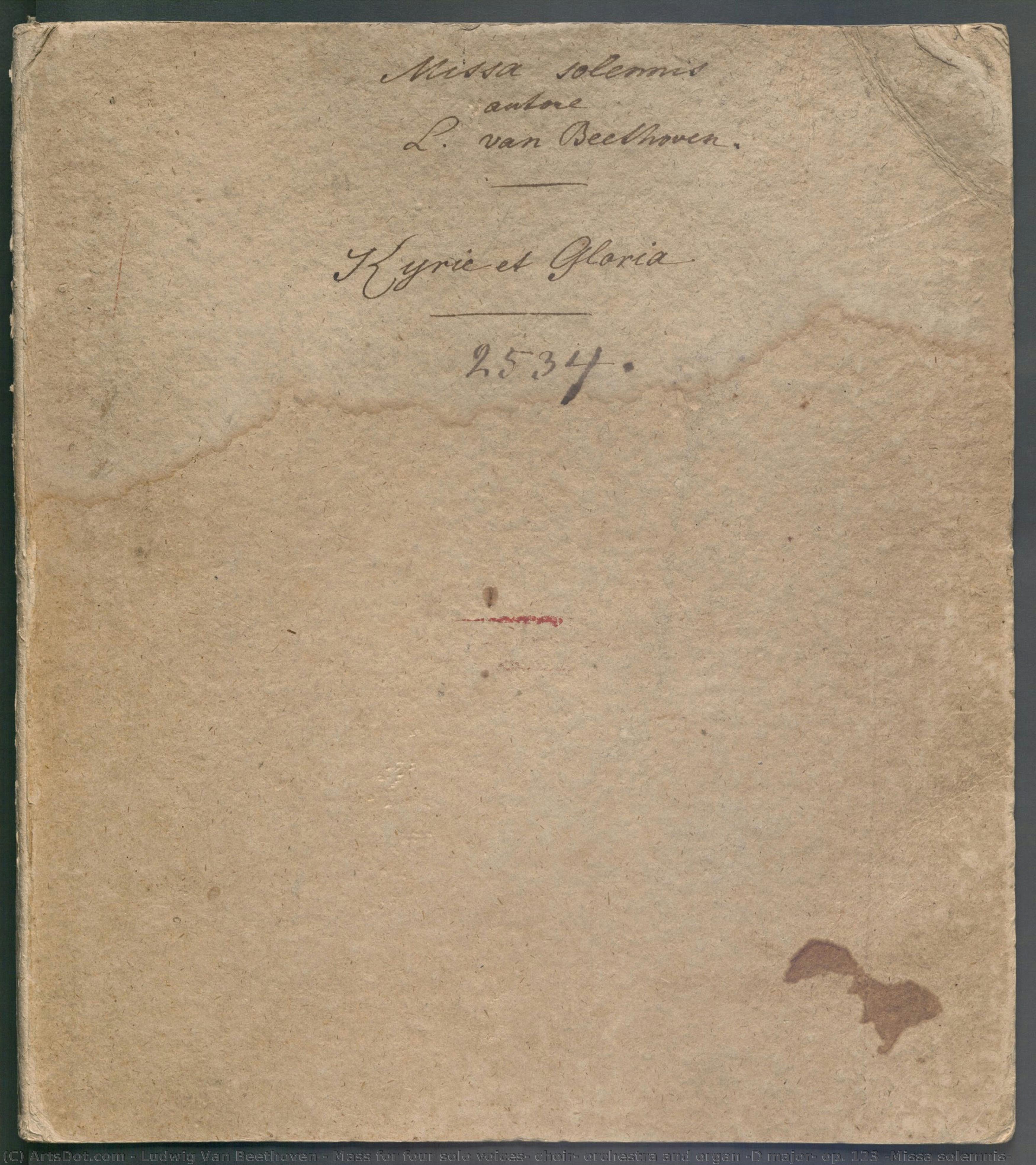
Mass for four solo voices, choir, orchestra and organ (D major) op. 123 (Missa solemnis)


 Pročitaj više
Giclee štampa / Umetnički otisak
Giclée štampa ili print na platnu muzejskog kvaliteta uz brzu proizvodnju i fleksibilne opcije završne obrade. ( Kupi ručno naslikanu sliku Kupi digitalnu sliku)




































Izaberite jednu od naših unapred definisanih veličina koje odgovaraju originalnim proporcijama umetničkog dela.

Možete uneti sopstvene dimenzije kako biste umetničko delo prilagodili specifičnom okviru ili prostoru. Ako odabrani format ne odgovara proporcijama originalne slike, mi ćemo ili iscrtati deo dela ili proširiti sliku pomoću ogledane ivice ili jednobojnog popunjavanja. Digitalni prikaz će vam biti poslat na odobrenje pre početka proizvodnje.
Imajte na umu da pregled na ekranu ne odražava stvarno iscrtavanje ili proširivanje. Samo će prikaz (mockup) precizno pokazati finalnu kompoziciju.
Iako su prilagođene dimenzije dostupne, preporučujemo da odaberete dimenziju sa unapred definisane liste kako biste očuvali originalne proporcije.
Dostava širom sveta () za 2 nedelje umesto uobičajenih 4/5 nedelja. (25 август)

Besplatna ekspresna dostava širom sveta

Visokokvalitetno laneno platno

Kompletno osiguranje transporta

Garancija povraćaja carine i uvoznih dažbina

Garancija vernosti boja

Politika povrata u roku od 60 dana (samo u slučaju nedostataka)

Garancija povrata novca od 100%

Popust pri grupnoj kupovini
 Opcija sa staklom dostupna je samo za dimenzije manje od 110 cm

Mass for four solo voices, choir, orchestra and organ (D major) op. 123 (Missa solemnis)
Giclee štampa / Umetnički otisak
Dimenzije reprodukcije
-


Konačna cena
$ 62
Opis predmeta
A Testament to Faith and Genius: Beethoven's *Missa Solemnis*
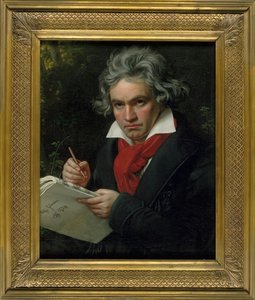
Beethoven’s Missa Solemnis in D major, Op. 123, stands as one of the composer’s most profoundly moving and ambitious works. Completed in 1824, just months before his death, this mass represents a culmination of Beethoven's spiritual explorations and artistic innovations. The painting presented here offers a rare glimpse into the genesis of this monumental piece, capturing not only the musical score but also the artist himself – Ludwig van Beethoven – meticulously sketching within the confines of the Beethoven-Haus in Bonn. This intimate portrait immediately establishes a connection between the creator and his masterpiece, inviting us to contemplate the very process of artistic creation.
The Symphony of Faith: Style and Technique
Created during a period of immense personal struggle for Beethoven – marked by increasing deafness and profound emotional turmoil – the *Missa Solemnis* is characterized by its dramatic contrasts and soaring melodies. The style reflects Beethoven’s late-period aesthetic, moving beyond the clarity of his earlier works towards a more expressive and emotionally charged idiom. The painting itself, a faithful reproduction of the original sketch, showcases Beethoven's meticulous approach to composition. Note the detailed rendering of the musical notation, reflecting the composer's obsessive attention to detail – a hallmark of his genius. The use of pencil on paper allows for a delicate shading and subtle variations in tone, capturing the nuances of the score with remarkable precision. The artist’s hand, visible within the sketch, adds a layer of human connection to this monumental work.
Historical Context: A Composer's Lasting Legacy
1824 marks a pivotal year for Beethoven. He was grappling with profound physical and emotional challenges, yet he persevered in composing works that would cement his place as one of the greatest musical figures in history. The *Missa Solemnis* was initially intended as a commission for the court of Naples, but ultimately remained unfinished due to political circumstances. Despite its incomplete status, it stands as a testament to Beethoven’s unwavering faith and artistic determination. This painting provides a tangible link to this crucial period, allowing us to visualize the creative environment in which one of music's most significant works was conceived. The image is a poignant reminder of Beethoven's relentless pursuit of beauty and truth amidst adversity.
Symbolism and Emotional Impact
The *Missa Solemnis* is deeply imbued with religious symbolism, reflecting Beethoven’s evolving spiritual beliefs. The use of D major, often associated with joy and triumph, contrasts with the somber themes explored in the Requiem Mass. The painting captures this tension, hinting at the composer's internal struggle between hope and despair. The sheer scale of the musical work – encompassing four solo voices, a choir, orchestra, and organ – speaks to Beethoven’s ambition and his desire to create a truly immersive and transcendent experience for the listener. Ultimately, the *Missa Solemnis* is an artwork that resonates with profound emotional power, inviting contemplation on themes of faith, mortality, and the enduring human spirit.
Srodna umetnička dela
Biografija umetnika
Rano detinjstvo i muzički počeci
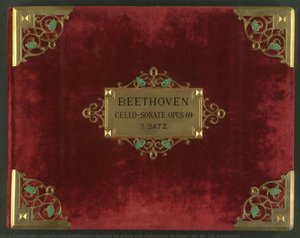
Ludvig van Betoven, čuveni nemački kompozitor i pijanista, rođen je u Bonu, u Nemačkoj, 1770. godine. Projavljujući svoj muzički talenat još u najranijem detinjstvu, počeo je da studira muziku kod različitih učitelja pre nego što se preselio u Beč, gde će provesti najveći deo svog života.- Sonatu za klavir i violončelo (A-dur) op. 69, prvi pokret (dostupno na ArtsDot.com)
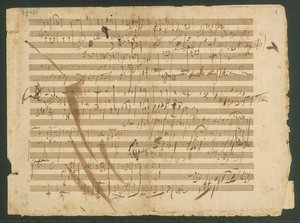
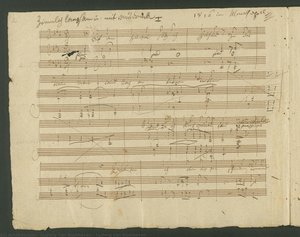
- Betovenov manuskript dela Missa Solemnis (može se videti na Wikipedia)
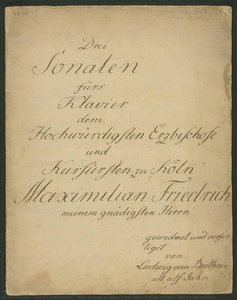
- Tri klavirske sonate iz opusa 1, koje je zastupao knez Karl Alois Lihnovski
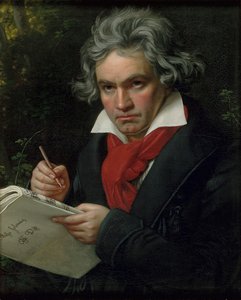
Ludvig Van Betoven
1770 - 1827 , Nemačka
Osnovne informacije
- Artistic Movement Or Style: Klasicizam i romantizam
- Artists Or Movements Influenced By This Artist:
- Johannes Brahms
- Robert Schumann
- Artists Who Influenced This Artist:
- Franz Joseph Haydn
- Christian Gottlob Schulze
- Date Of Birth: 1770 Bon, Nemačka
- Date Of Death: 1827 Beč, Austrija
- Full Name: Ludwig van Beethoven
- Nationality: Nemačka
- Notable Artworks:
- Moonlight Sonata
- Simfonija br. 9
- Place Of Birth: Bon, Nemačka
Povezani članci

Baroque Classicism: Reconciling Drama & Order in 17th-Century Art
Explore the captivating world of Baroque Classicism! Discover its history, key artists like Caravaggio & Rubens, and defining characteristics. Expert insights & high-quality reproductions at ArtsDot.
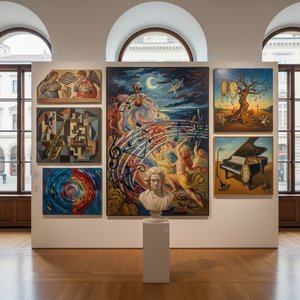
Harmonies on Canvas: Exploring the Visual Representation of Music in Art History
Explore the fascinating history of music's visual representation in art! From ancient symbolism to modern abstraction, discover how artists have captured sound and emotion on canvas. Expert insights & stunning examples.

Барокна драма: Уношење величине и емоција у савремене ентеријере
Откријте барокну драму и унесите величину у ваш ентеријер! ArtsDot нуди ручно насликане репродукције, персонализоване портрете и стручне консултације за љубитеље класичне уметности. Потражите савршено дело већ данас!

Barok Majstor dela: Top 10 Umjetničkih Remeka za Vaš Dom
Otkrijte 10 remek dela koja su definisala baroknu umetnost! Karavagio, Bernini i više – istražite priče iza ovih ikoničnih slika. Inspiracija za vaš dom? Pogledajte kolekciju na ArtsDot.com!

The Dramatic Flourish: Exploring the Baroque Movement's Enduring Legacy in Art History
Explore the dramatic world of Baroque art! Discover iconic artists like Caravaggio & Rubens, defining techniques, and its lasting impact on art history. Expert insights for collectors & enthusiasts at ArtsDot.

