

 Pregledaj u prostoru
 Pošalji
 Podeli
 Detalji o delu

 Преузми
 Slični predmeti
 Rendgenski snimak
 Slajdovi
 Statistika
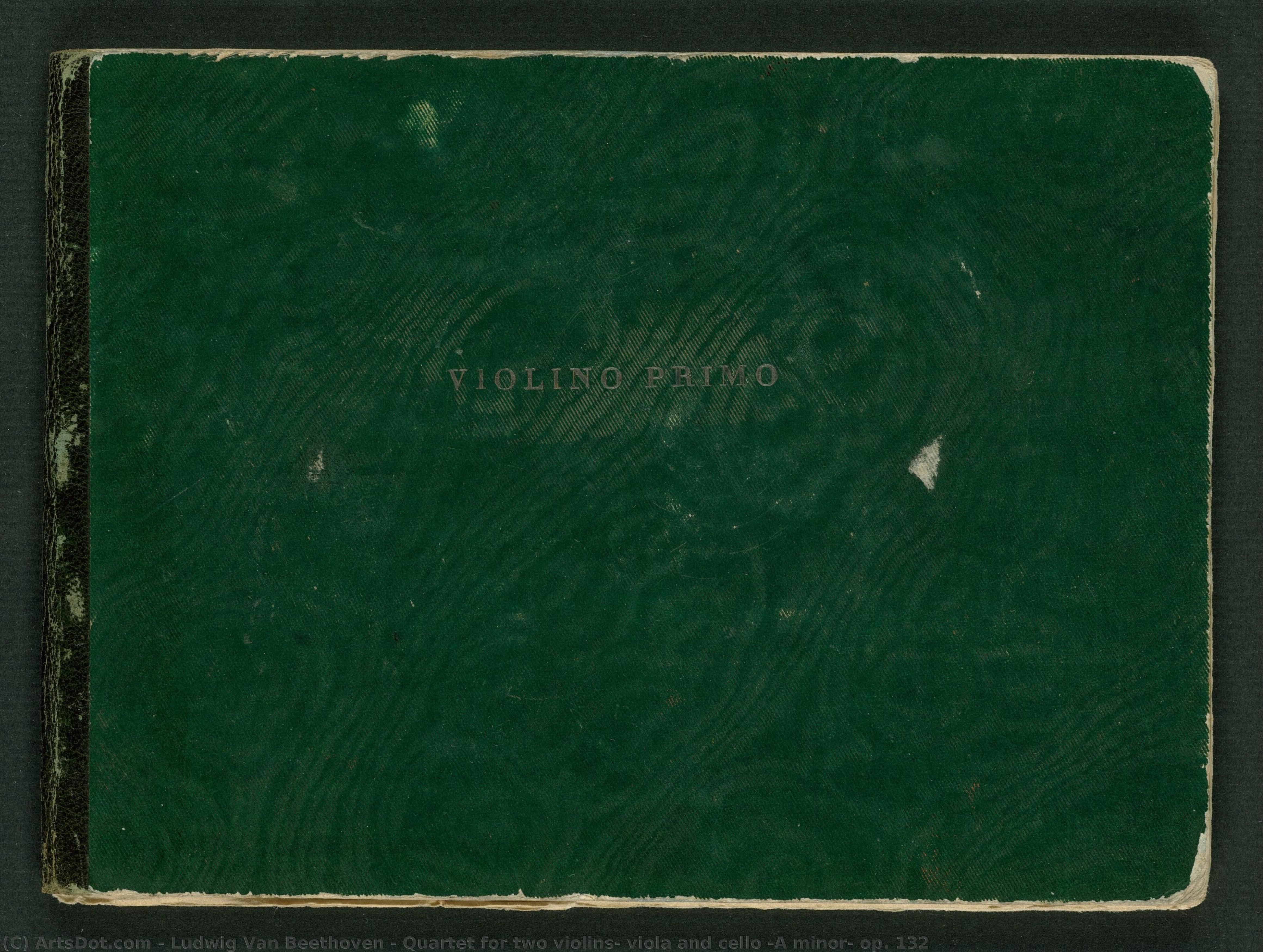
Quartet for two violins, viola and cello (A minor) op. 132
 Acrylic On Canvas
- WallArt
- Romanticism
 1825
1825 15.0 x 20.0 cm
 Beethoven-Haus Bonn
 Pročitaj više
Giclee štampa / Umetnički otisak
Giclée štampa ili print na platnu muzejskog kvaliteta uz brzu proizvodnju i fleksibilne opcije završne obrade. ( Kupi ručno naslikanu sliku Pređi na digitalnu sliku)




P118B $10

P118H $10

P118W $10

P438Z $10

P508JH $12

P508YH $12

P805H $10

P805Z $10

P919BZ $10

P919G $10

P919XJ $10

P959ZH $10

P968JZ $12

W106C $8

W218G $10

W218JH $8

W218Y $10

W307PJ $10

W316G $10

W316PJ $8

W316Y $10

W398PJ $8

W4111J $10

W500HY $15

W500JH $15

W692G $12

W849H $8

W940BG $15

W953PJ $8




Izaberite jednu od naših unapred definisanih veličina koje odgovaraju originalnim proporcijama umetničkog dela.

Možete uneti sopstvene dimenzije kako biste umetničko delo prilagodili specifičnom okviru ili prostoru. Ako odabrani format ne odgovara proporcijama originalne slike, mi ćemo ili iscrtati deo dela ili proširiti sliku pomoću ogledane ivice ili jednobojnog popunjavanja. Digitalni prikaz će vam biti poslat na odobrenje pre početka proizvodnje.
Imajte na umu da pregled na ekranu ne odražava stvarno iscrtavanje ili proširivanje. Samo će prikaz (mockup) precizno pokazati finalnu kompoziciju.
Iako su prilagođene dimenzije dostupne, preporučujemo da odaberete dimenziju sa unapred definisane liste kako biste očuvali originalne proporcije.
Dostava širom sveta () za 2 nedelje umesto uobičajenih 4/5 nedelja. (9 септембар)

Besplatna ekspresna dostava širom sveta

Visokokvalitetno laneno platno

Kompletno osiguranje transporta

Garancija povraćaja carine i uvoznih dažbina

Garancija vernosti boja

Politika povraćaja u roku od 100 dana (isključivo u slučaju nedostataka)

Garancija povrata novca od 100%

Popust pri grupnoj kupovini
 Opcija sa staklom dostupna je samo za dimenzije manje od 110 cm

Quartet for two violins, viola and cello (A minor) op. 132
Giclee štampa / Umetnički otisak
Dimenzije reprodukcije
-


Konačna cena
$ 62
The Tempestuous Heart of Beethoven’s Quartet
Ludwig van Beethoven's String Quartet No. 15 in A minor, Op. 132, stands as a profound testament to the composer’s evolving inner world during his late period—a time marked by increasing deafness and an intense grappling with mortality, faith, and the very nature of artistic expression. Completed in 1825, just months before his death, this quartet isn't merely a collection of musical notes; it’s a deeply personal narrative etched into sound, a conversation between darkness and light, despair and hope. The work was dedicated to Count Nikolai Galitzin, an amateur cellist who provided Beethoven with crucial financial support during his struggles.
The quartet's genesis is shrouded in intriguing circumstances. Initially conceived as a four-movement piece, Beethoven abruptly abandoned this plan, driven by a debilitating illness that left him weakened and struggling to articulate his musical vision. From the fragments he salvaged, he meticulously crafted a five-movement work, transforming what might have been a more conventional set of sonata cycles into something far richer and more emotionally complex. This process reflects Beethoven’s characteristic willingness to dismantle established forms and rebuild them according to his own unique sensibilities—a hallmark of his genius.
A Language of Contrasts: Structure and Technique
Structurally, the quartet is a masterclass in dramatic tension and shifting perspectives. The first movement, “Assai sostenuto – Allegro,” immediately establishes a brooding atmosphere with its stark opening motif—a pair of closely spaced semitones followed by a leap—that recurs throughout the work like a haunting refrain. This insistent figure, derived from the harmonic minor scale, foreshadows the quartet’s pervasive sense of unease and struggle. The movement unfolds through three distinct expositions, each expanding upon the initial theme in increasingly complex ways, culminating in a turbulent coda that seems to wrestle with an unresolved conflict.
The second movement offers a brief respite, shifting to A major and employing a gentle triple meter. However, even here, Beethoven introduces subtle dissonances and shifts in texture, hinting at the underlying darkness that permeates the quartet. The centerpiece of the work is undoubtedly the fourth movement, “Allegro appassionato,” a searingly dramatic exploration of grief and redemption. This movement’s passionate intensity—a whirlwind of swirling melodies and driving rhythms—is balanced by moments of profound melancholy, creating a powerful emotional arc.
Symbolism and Emotional Resonance
Beyond its formal structure, the quartet is laden with symbolic meaning. The recurring motif in the first movement has been interpreted as representing the composer’s own struggle against deafness, while the shift to A major in the second movement suggests a fleeting glimpse of hope amidst despair. The “Heiliger Dankgesang” (Holy Song of Thanksgiving) – the centerpiece of the fourth movement – embodies Beethoven's profound sense of gratitude for survival and his yearning for spiritual solace. It’s a deeply personal expression of faith, born from the crucible of suffering.
The quartet’s emotional impact is undeniably powerful. It evokes a range of feelings—from anguish and despair to hope and transcendence—and invites listeners to contemplate the complexities of human existence. The work's raw honesty and vulnerability resonate deeply, making it one of Beethoven’s most enduringly beloved compositions.
A Legacy in Reproduction
Reproductions of this masterpiece capture not only its visual representation but also the essence of Beethoven’s profound emotional journey. The meticulous detail of each brushstroke, mirroring the composer's own dedication to precision and artistry, brings the music to life on canvas. Whether displayed as a statement piece in a grand salon or cherished within a smaller space, a high-quality reproduction of Beethoven’s Quartet offers an intimate connection to one of history’s greatest musical minds—a reminder of the enduring power of art to illuminate the human spirit.
Srodna umetnička dela
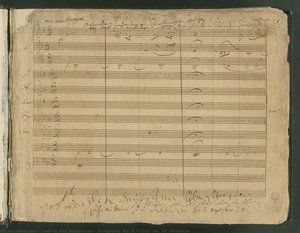
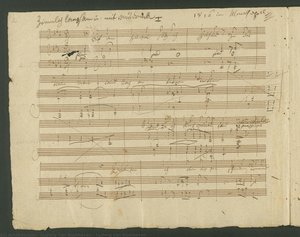
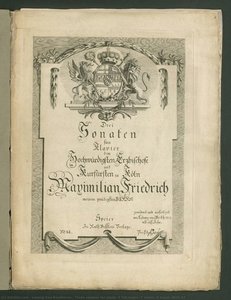
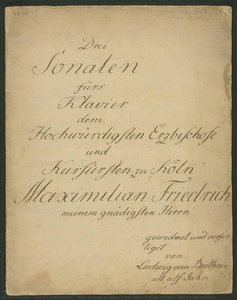
Biografija umetnika
Rano detinjstvo i muzički počeci
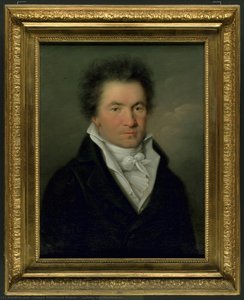
Ludvig van Betoven, čuveni nemački kompozitor i pijanista, rođen je u Bonu, u Nemačkoj, 1770. godine. Projavljujući svoj muzički talenat još u najranijem detinjstvu, počeo je da studira muziku kod različitih učitelja pre nego što se preselio u Beč, gde će provesti najveći deo svog života.- Sonatu za klavir i violončelo (A-dur) op. 69, prvi pokret (dostupno na ArtsDot.com)
- Betovenov manuskript dela Missa Solemnis (može se videti na Wikipedia)
- Tri klavirske sonate iz opusa 1, koje je zastupao knez Karl Alois Lihnovski
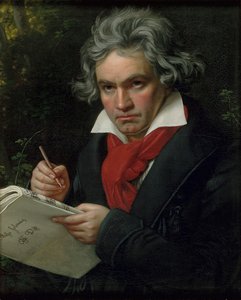
Ludvig Van Betoven
1770 - 1827 , Nemačka
Osnovne informacije
- Artistic Movement Or Style: Klasicizam i romantizam
- Artists Or Movements Influenced By This Artist:
- Johannes Brahms
- Robert Schumann
- Artists Who Influenced This Artist:
- Franz Joseph Haydn
- Christian Gottlob Schulze
- Date Of Birth: 1770 Bon, Nemačka
- Date Of Death: 1827 Beč, Austrija
- Full Name: Ludwig van Beethoven
- Nationality: Nemačka
- Notable Artworks:
- Moonlight Sonata
- Simfonija br. 9
- Place Of Birth: Bon, Nemačka
Povezani članci
The Enduring Legacy of Classicism: Principles, Evolution & Influence in Western Art
Explore the enduring legacy of Classicism in Western art! Discover its historical context, key principles, iconic masterpieces & lasting influence. Learn about Renaissance and Neoclassical movements with ArtsDot.
Harmonies on Canvas: Exploring the Visual Representation of Music in Art History
Explore the fascinating history of music's visual representation in art! From ancient symbolism to modern abstraction, discover how artists have captured sound and emotion on canvas. Expert insights & stunning examples.
Neo-Classicism's Greatest Hits: 10 Masterpieces for Your Home |
Journey through Neo-Classicism's finest! Explore 10 iconic masterpieces by David, Ingres & Canova. Discover art history, techniques & timeless beauty – perfect for inspiring your home decor. Find museum-quality reproductions at
The Enduring Legacy of Classical Style: Form, Narrative & Influence in Art
Explore the enduring legacy of classical art – from ancient Greece & Rome to Neoclassicism. Discover key artists, philosophical roots & build a timeless collection with ArtsDot's expert guidance.
Timeless Resonance: Exploring Classic Vibe in Art – A Historical & Aesthetic Analysis
Explore the rich history & enduring aesthetic of Classicism art! Discover key movements, iconic artists like Raphael & David, and its lasting influence on Western art. Deepen your appreciation today.