

 Pregledaj u prostoru
 Pošalji
 Podeli
 Detalji o delu

 Преузми
 Slični predmeti
 Rendgenski snimak
 Slajdovi
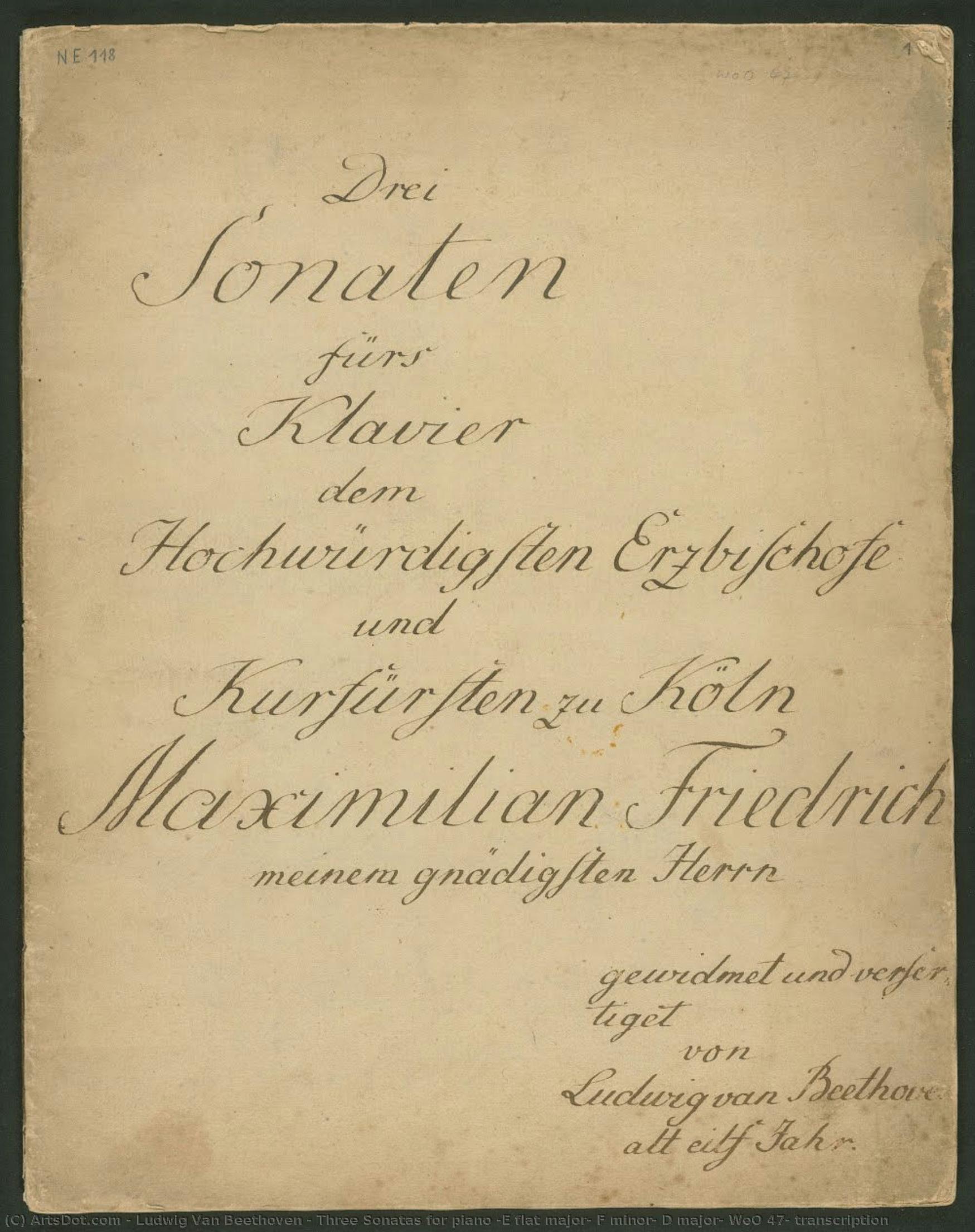
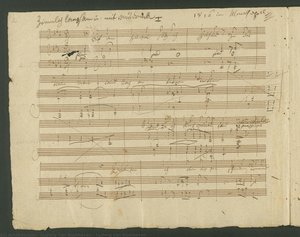
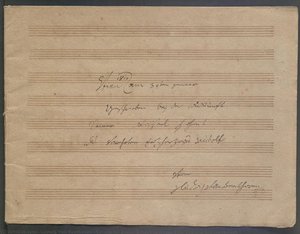
Three Sonatas for piano (E flat major, F minor, D major) WoO 47, transcription
 Acrylic On Canvas
- WallArt
- Classical Romantic
 1790
1790 33.0 x 26.0 cm
 Beethoven-Haus Bonn
 Pročitaj više
Giclee štampa / Umetnički otisak
Giclée štampa ili print na platnu muzejskog kvaliteta uz brzu proizvodnju i fleksibilne opcije završne obrade. ( Kupi ručno naslikanu sliku Kupi digitalnu sliku)




P118B $10

P118H $10

P118W $10

P438Z $10

P508JH $12

P508YH $12

P805H $10

P805Z $10

P919BZ $10

P919G $10

P919XJ $10

P959ZH $10

P968JZ $12

W106C $8

W218G $10

W218JH $8

W218Y $10

W307PJ $10

W316G $10

W316PJ $8

W316Y $10

W398PJ $8

W4111J $10

W500HY $15

W500JH $15

W692G $12

W849H $8

W940BG $15

W953PJ $8




Izaberite jednu od naših unapred definisanih veličina koje odgovaraju originalnim proporcijama umetničkog dela.

Možete uneti sopstvene dimenzije kako biste umetničko delo prilagodili specifičnom okviru ili prostoru. Ako odabrani format ne odgovara proporcijama originalne slike, mi ćemo ili iscrtati deo dela ili proširiti sliku pomoću ogledane ivice ili jednobojnog popunjavanja. Digitalni prikaz će vam biti poslat na odobrenje pre početka proizvodnje.
Imajte na umu da pregled na ekranu ne odražava stvarno iscrtavanje ili proširivanje. Samo će prikaz (mockup) precizno pokazati finalnu kompoziciju.
Iako su prilagođene dimenzije dostupne, preporučujemo da odaberete dimenziju sa unapred definisane liste kako biste očuvali originalne proporcije.
Dostava širom sveta () za 2 nedelje umesto uobičajenih 4/5 nedelja. (22 август)

Besplatna ekspresna dostava širom sveta

Visokokvalitetno laneno platno

Kompletno osiguranje transporta

Garancija povraćaja carine i uvoznih dažbina

Garancija vernosti boja

Politika povrata u roku od 60 dana (samo u slučaju nedostataka)

Garancija povrata novca od 100%

Popust pri grupnoj kupovini
 Opcija sa staklom dostupna je samo za dimenzije manje od 110 cm

Three Sonatas for piano (E flat major, F minor, D major) WoO 47, transcription
Giclee štampa / Umetnički otisak
Dimenzije reprodukcije
-


Konačna cena
$ 62
Opis predmeta
Beethoven’s Trio in E♭ Major, WoO 47 – A Window into the Soul
Ludwig van Beethoven's Three Piano Sonatas, WoO 47, represent a pivotal moment in his artistic development—a bridge between the structured elegance of his early years and the burgeoning emotional intensity that would define his mature style. These three sonatas, composed around 1782-1783 when Beethoven was just eleven or twelve years old, aren’t merely exercises in technique; they are glimpses into a young genius grappling with form, harmony, and, crucially, the nascent seeds of his unique voice. The present piece, the first sonata in E♭ major, offers a particularly poignant example of this journey, revealing a remarkable blend of precocity and profound musicality.
The sonata’s character is immediately striking – a vibrant, almost playful energy that belies its youthful origins. It's a work brimming with melodic invention, characterized by a clear sense of structure yet infused with moments of unexpected harmonic shifts and rhythmic surprises. The opening Allegro cantabile establishes this mood perfectly, unfolding with a graceful, lyrical theme that immediately draws the listener in. Notice how Beethoven utilizes repetition—a technique he would master later—to build momentum and create a sense of inevitability. The second theme, presented in B♭ major, introduces a contrasting element, a touch of melancholy that subtly underscores the sonata’s underlying emotional depth. This interplay between light and shadow is a hallmark of Beethoven's style, foreshadowing his future explorations of human experience.
A Transcription Reflecting Early Genius
What makes this particular copy of WoO 47 so compelling is its status as a transcription. Created by an unknown scribe in Bremen around 1800, it’s not Beethoven's original manuscript but rather a faithful rendering of his work. This offers a fascinating insight into how the sonata was perceived and disseminated during its early years. The transcription itself demonstrates a remarkable level of skill—a meticulous attention to detail that suggests the scribe deeply appreciated Beethoven’s innovative approach. The handwritten notes, with their slight variations and expressive markings, imbue the piece with a sense of intimacy and immediacy, as if we are privy to the composer's own creative process.
Interestingly, this transcription was later included in Barry Cooper’s critical edition of Beethoven’s piano sonatas, a decision that acknowledged the importance of these early works. Cooper argued that dismissing them as mere juvenilia would be to ignore the significant developments they represent in Beethoven's artistic evolution. The inclusion of this trio highlights the composer’s continuous growth and experimentation—a testament to his boundless creativity.
Symbolism and Emotional Resonance
Beyond its technical merits, WoO 47 resonates with a profound sense of youthful exuberance and nascent emotion. The key of E♭ major itself is often associated with feelings of joy and optimism, aligning perfectly with the sonata’s bright, uplifting character. However, beneath this surface brightness lie hints of introspection and vulnerability—a foreshadowing of the emotional complexities that would characterize Beethoven's later works. The use of contrasting dynamics – from delicate pianissimos to robust fortes – further enhances the piece’s expressive range, mirroring the shifting moods of youth.
The Rondo finale, with its playful melodies and virtuosic flourishes, provides a satisfying culmination to the sonata's journey. It’s a moment of pure joy—a celebration of musical invention and youthful confidence. Yet, even in this exuberant conclusion, there is a subtle undercurrent of melancholy, suggesting that Beethoven was already grappling with the bittersweet realities of life.
A Timeless Masterpiece – Reproduction Options
Today, Beethoven’s Three Piano Sonatas, WoO 47, remain beloved for their beauty, ingenuity, and emotional depth. Reproductions offer a wonderful opportunity to experience this timeless masterpiece in your own home or studio. ArtsDot.com offers high-quality reproductions of this sonata, meticulously crafted to capture the essence of Beethoven’s original vision. Whether you choose a standard size or commission a custom reproduction tailored to your specific needs, you can be assured of exceptional quality and attention to detail. Bring the soul of Beethoven into your space – a testament to one of music's greatest geniuses.
Srodna umetnička dela
Biografija umetnika
Rano detinjstvo i muzički počeci
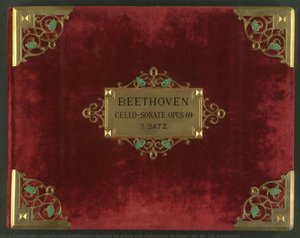
Ludvig van Betoven, čuveni nemački kompozitor i pijanista, rođen je u Bonu, u Nemačkoj, 1770. godine. Projavljujući svoj muzički talenat još u najranijem detinjstvu, počeo je da studira muziku kod različitih učitelja pre nego što se preselio u Beč, gde će provesti najveći deo svog života.- Sonatu za klavir i violončelo (A-dur) op. 69, prvi pokret (dostupno na ArtsDot.com)
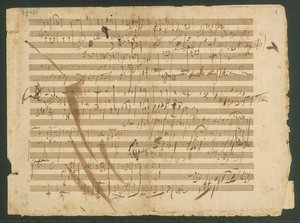
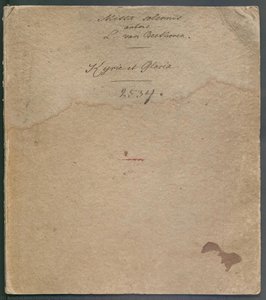
- Betovenov manuskript dela Missa Solemnis (može se videti na Wikipedia)
- Tri klavirske sonate iz opusa 1, koje je zastupao knez Karl Alois Lihnovski
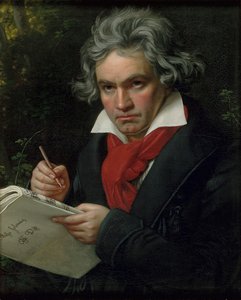
Ludvig Van Betoven
1770 - 1827 , Nemačka
Osnovne informacije
- Artistic Movement Or Style: Klasicizam i romantizam
- Artists Or Movements Influenced By This Artist:
- Johannes Brahms
- Robert Schumann
- Artists Who Influenced This Artist:
- Franz Joseph Haydn
- Christian Gottlob Schulze
- Date Of Birth: 1770 Bon, Nemačka
- Date Of Death: 1827 Beč, Austrija
- Full Name: Ludwig van Beethoven
- Nationality: Nemačka
- Notable Artworks:
- Moonlight Sonata
- Simfonija br. 9
- Place Of Birth: Bon, Nemačka
Povezani članci

Rembrandt van Rijn: 25 Majstorstava Svetla i Senke za Vaš Dom | ArtsDot
Uronite u svet Rembrandta van Rijna! Otkrijte 25 najlepših dela holandskog majstora – portrete, istorijske scene i biblijska platna. Kvalitetne reprodukcije slika za dekoraciju enterijera dostupne na ArtsDot.com.
Harmonies on Canvas: Exploring the Visual Representation of Music in Art History
Explore the fascinating history of music's visual representation in art! From ancient symbolism to modern abstraction, discover how artists have captured sound and emotion on canvas. Expert insights & stunning examples.

Early Netherlandish Masters: 10 Paintings That Revolutionized Art & Decor
Journey into the world of Early Netherlandish painting! Explore 10 masterpieces by Jan van Eyck, Rogier van der Weyden & more. Discover stunning detail, symbolism & Renaissance art for your home decor. Find museum-quality reproductions on ArtsDot.com
Neo-Classicism's Greatest Hits: 10 Masterpieces for Your Home |
Journey through Neo-Classicism's finest! Explore 10 iconic masterpieces by David, Ingres & Canova. Discover art history, techniques & timeless beauty – perfect for inspiring your home decor. Find museum-quality reproductions at
Early Netherlandish Masters: 10 Paintings That Revolutionized Art & Decor
Journey into the Early Netherlandish Renaissance! Explore 10 iconic paintings by Jan van Eyck, Rogier van der Weyden & more. Discover stunning detail, symbolism, and oil painting techniques. Find museum-quality art reproductions for your home at ArtsDot.com.

