

 Pregledaj u prostoru
 Pošalji
 Podeli
 Detalji o delu

 Преузми
 Slični predmeti
 Rendgenski snimak
 Slajdovi
 Statistika
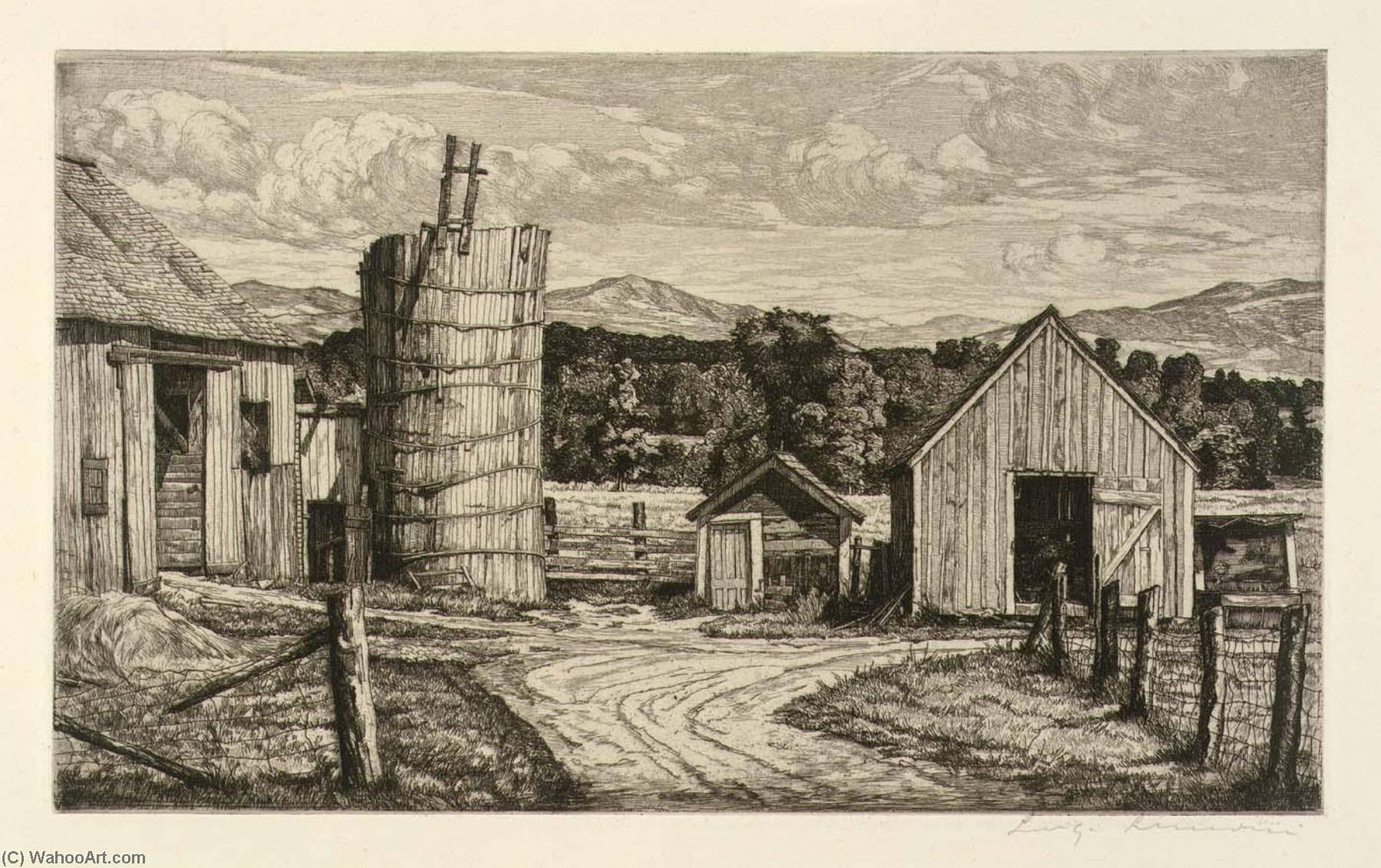
Restful Ruins
 1942
1942 17.0 x 28.0 cm
 Pročitaj više
Ručno rađena uljana reprodukcija
Ručno oslikano uljanim bojama na platnu u dimenzijama i okviru po vašem izboru, izrađeno po porudžbini od strane naših umetnika. ( Pređi na štampu Pređi na digitalnu sliku)




































Izaberite jednu od naših unapred definisanih veličina koje odgovaraju originalnim proporcijama umetničkog dela.

Можете унети сопствене димензије како бисте прилагодили дело одређеном оквиру или простору. Ако одабрана величина не одговара пропорцијама оригинала, слика ће бити исечена или проширена додатним елементима који се ручно насликавају. Дигитални prikaz ће вам бити послат на одобрење пре почетка производње.
Имајте на уму да преглед на екрану не одражава стварно исецање или проширење. Само приказ (mockup) ће тачно приказати коначну композицију.
Иако су доступне прилагођене величине, препоручујемо да одаберете димензију из дефинисане листе како бисте сачували оригиналне пропорције.
Nakon narudžbine, tim ArtsDot.com će klijentu putem e-pošte poslati uputstva i dostaviti prikaz predloženog rešenja
Isporuka širom sveta () za 3/4 nedelje umesto uobičajenih 5 nedelja. (9 септембар). Bez kompromisa po pitanju kvaliteta.

Besplatna ekspresna dostava širom sveta

Visokokvalitetno laneno platno

Kompletno osiguranje transporta

Garancija povraćaja carine i uvoznih dažbina

Garancija vernosti boja

Politika povraćaja u roku od 100 dana (isključivo u slučaju nedostataka)

Garancija povrata novca od 100%

Popust pri grupnoj kupovini
 Opcija sa staklom dostupna je samo za dimenzije manje od 110 cm

Restful Ruins
Tehnika reprodukcije
Dimenzije reprodukcije
-


Konačna cena
$ 263
The Artist and His Work
Luigi Lucioni was an Italian-American artist known for his stunning etchings and paintings of the Vermont landscape. His work often featured traditional rural scenes, including farms, barns, and rolling hills. The Restful Ruins etching is a prime example of Lucioni's ability to capture the essence of these scenes and convey a sense of peace and quiet.The Painting
The Restful Ruins etching measures 17 x 28 cm and is housed at the Smithsonian American Art Museum in the United States. The artwork features a beautiful farm scene with several buildings, including barns and silos, set against a backdrop of rolling hills and trees. A person can be seen standing near the center of the image, adding a sense of human presence to the otherwise serene landscape. Key Features of the Restful Ruins etching include:- The use of delicate lines and subtle shading to create a sense of depth and texture
- The incorporation of natural elements, such as trees and hills, to add context and atmosphere to the scene
- The presence of human figures, which adds a sense of scale and intimacy to the artwork
For those interested in learning more about Luigi Lucioni and his work, https://ArtsDot.com offers a range of resources, including information on the artist's life and career, as well as examples of his paintings and etchings. Additionally, visitors can explore the Restful Ruins page to see more details about this specific artwork.
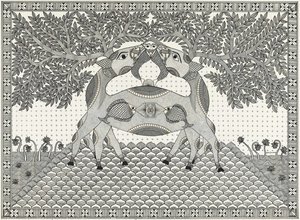
Srodna umetnička dela









Biografija umetnika
A Life Rooted in Two Worlds: The Art of Luigi Lucioni
Luigi Lucioni, born Giuseppe Luigi Carlo Benevenuto Lucioni on November 4, 1900, embodied the poignant experience of the Italian immigrant striving for artistic expression in a new land. His story isn’t simply one of personal ambition, but a testament to the enduring power of memory, the pull of heritage, and the search for an American identity forged from Old World roots. Lucioni's early life unfolded in Malnate, Italy, a small town nestled amongst the foothills of the Alps near Milan. The landscape—a tapestry of hills and mountainsides—would become a recurring motif throughout his career, not merely as a subject but as a symbol of belonging and a source of profound emotional resonance. His family’s modest circumstances – a two-room apartment lacking basic comforts – instilled in him a deep appreciation for simplicity and the beauty found within everyday life. The weight of tradition was palpable; his parents, seeking to appease his grandmother's religious sensibilities, bestowed upon him a lengthy name invoking three saints, a gesture that foreshadowed the artist’s lifelong negotiation between personal vision and societal expectations. His mother, whom he affectionately called “La Bella Beati,” exerted a strong influence, instilling discipline and a sensitivity that would later inform his meticulous approach to painting.From Italy to America: Early Training and Artistic Awakening
The Lucioni family's emigration to the United States in 1911 marked a pivotal shift in young Luigi’s life. Settling in Union City, New Jersey, he witnessed firsthand the challenges and opportunities of immigrant life while his father resumed his trade as a coppersmith. Despite these hardships, Lucioni’s artistic inclinations persisted. He began formal training at Cooper Union, followed by studies at the National Academy of Design, supplementing his education with work as an illustrator. A crucial period in his development came with his fellowship to the Tiffany Foundation in Oyster Bay, Long Island. There, under the guidance of established artists like John Sloan and Kenneth Hayes Miller, he encountered a diverse range of artistic approaches and began to explore landscape painting—a genre that would become central to his oeuvre. This exposure broadened his horizons, yet it was a return trip to Italy in 1925 that solidified his artistic direction. Immersing himself in the masterpieces of the Renaissance, Lucioni absorbed the technical mastery and compositional principles that would characterize his work.The Rise of an American Still Life Master
Lucioni quickly gained recognition for his exquisitely rendered still lifes—compositions characterized by a remarkable attention to detail, luminous color palettes, and a sense of quiet dignity. Paintings like *Dahlias and Apples* (1931), which was acquired by the Metropolitan Museum of Art in 1932 – making him the youngest contemporary artist represented in their collection – established his reputation as a leading American painter. His success during the Depression era, when many artists struggled to find patronage, underscored his unique ability to connect with audiences through timeless themes and masterful technique. He didn’t merely depict objects; he imbued them with a sense of presence and symbolic weight, reflecting both personal memories and broader cultural values. This period also saw him exhibiting regularly at prestigious venues like the Carnegie International and the Corcoran Biennial, cementing his position within the American art world.Vermont and the Search for an American Arcadia
In 1930, Lucioni received a commission from Electra Havemeyer Webb to paint a landscape of Vermont as a wedding gift. This marked the beginning of a lifelong connection with the state’s rural beauty—a landscape that resonated deeply with his memories of northern Italy and offered him a sense of peace and belonging. He eventually purchased a farmhouse and barn near Manchester Depot, transforming the latter into a studio where he would spend the next fifty years creating art inspired by the surrounding countryside. Vermont became more than just a subject for Lucioni; it represented an idealized vision of America—a place where traditional values were preserved and the natural world remained untamed. His paintings from this period often evoke a sense of nostalgia, capturing the serenity and simplicity of rural life while simultaneously reflecting his own personal journey of assimilation and artistic fulfillment.Legacy and Historical Significance
Luigi Lucioni’s work stands as a testament to the enduring power of observation, the importance of cultural heritage, and the search for meaning in a rapidly changing world. His paintings—still lifes, landscapes, and portraits alike—are characterized by a remarkable technical skill, a luminous color palette, and a profound sense of emotional depth. He successfully bridged the gap between European tradition and American modernism, creating a unique artistic voice that resonated with audiences throughout his career. Lucioni’s legacy extends beyond his individual works; he represents a generation of Italian-American artists who enriched the cultural landscape of the United States while grappling with questions of identity, belonging, and the pursuit of the American dream. His art continues to inspire and captivate viewers today, offering a glimpse into a world where beauty, resilience, and memory converge.- Influences: Italian Renaissance masters, John Sloan, Kenneth Hayes Miller.
- Major Themes: Still life, landscape painting, portraits, the immigrant experience, rural American life.
- Key Achievements: Acquisition of *Dahlias and Apples* by the Metropolitan Museum of Art (1932), recognition as a leading American still life painter, establishment of a studio in Vermont.
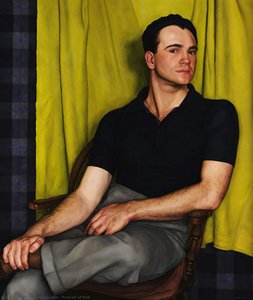
luigi lucioni
1900 - 1988
Osnovne informacije
- Artistic Movement Or Style: Still life, Landscape
- Date Of Birth: November 4, 1900
- Date Of Death: July 22, 1988
- Full Name: Luigi Lucioni
- Nationality: Italian-American
- Notable Artworks:
- Portrait of Bob
- Birches and Beyond
- Restful Ruins
- Place Of Birth: Malnate, Italy