

 Pregledaj u prostoru
 Pošalji
 Podeli
 Detalji o delu

 Преузми
 Slični predmeti
 Rendgenski snimak
 Slajdovi
 Statistika
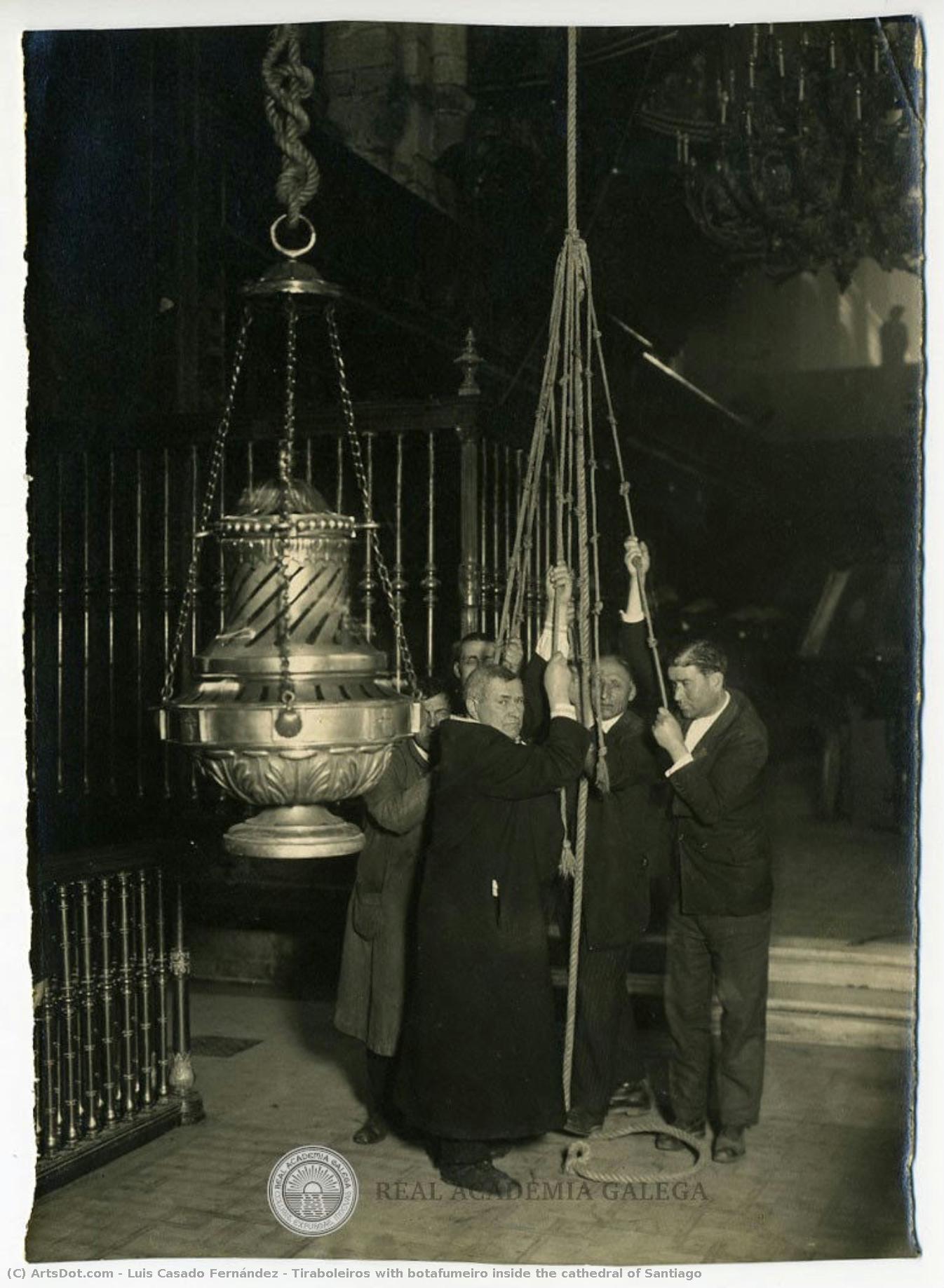
Tiraboleiros with botafumeiro inside the cathedral of Santiago

 Pročitaj više
Giclee štampa / Umetnički otisak
Giclée štampa ili print na platnu muzejskog kvaliteta uz brzu proizvodnju i fleksibilne opcije završne obrade. ( Kupi ručno naslikanu sliku Pređi na digitalnu sliku)




































Izaberite jednu od naših unapred definisanih veličina koje odgovaraju originalnim proporcijama umetničkog dela.

Možete uneti sopstvene dimenzije kako biste umetničko delo prilagodili specifičnom okviru ili prostoru. Ako odabrani format ne odgovara proporcijama originalne slike, mi ćemo ili iscrtati deo dela ili proširiti sliku pomoću ogledane ivice ili jednobojnog popunjavanja. Digitalni prikaz će vam biti poslat na odobrenje pre početka proizvodnje.
Imajte na umu da pregled na ekranu ne odražava stvarno iscrtavanje ili proširivanje. Samo će prikaz (mockup) precizno pokazati finalnu kompoziciju.
Iako su prilagođene dimenzije dostupne, preporučujemo da odaberete dimenziju sa unapred definisane liste kako biste očuvali originalne proporcije.
Dostava širom sveta () za 2 nedelje umesto uobičajenih 4/5 nedelja. (10 септембар)

Besplatna ekspresna dostava širom sveta

Visokokvalitetno laneno platno

Kompletno osiguranje transporta

Garancija povraćaja carine i uvoznih dažbina

Garancija vernosti boja

Politika povraćaja u roku od 100 dana (isključivo u slučaju nedostataka)

Garancija povrata novca od 100%

Popust pri grupnoj kupovini
 Opcija sa staklom dostupna je samo za dimenzije manje od 110 cm

Tiraboleiros with botafumeiro inside the cathedral of Santiago
Giclee štampa / Umetnički otisak
Dimenzije reprodukcije
-


Konačna cena
$ 62
Srodna umetnička dela








Biografija umetnika
A Life Captured in Light: The Story of Luis Casado Fernández
Luis Casado Fernández, known affectionately as ksado, was a Spanish photographer whose lens became a poignant mirror reflecting the soul of Galicia during much of the 20th century. Born in Ávila in 1888, his journey began not with grand artistic ambition, but with practical apprenticeship. He spent a formative decade honing his skills within the studio of José Pacheco, a well-respected photographer whose influence undoubtedly shaped Casado’s early technical prowess and understanding of composition. However, it was his relocation to Santiago de Compostela that truly ignited his unique vision and cemented his place as the city's official chronicler.
From Studio Practice to Cultural Documentation
The transition from studio work to documenting life in Santiago marked a pivotal shift for Casado. While proficient in formal portraiture, he found himself increasingly drawn to the vibrant tapestry of Galician culture – its people, traditions, and landscapes. He wasn’t merely taking pictures; he was preserving a way of life, capturing fleeting moments that spoke volumes about a region steeped in history and folklore. His photographs weren't staged or contrived; they possessed an authenticity born from genuine connection with his subjects. He documented the everyday rhythms of Galician existence – bustling markets, religious processions, rural scenes, and the faces of ordinary people. This dedication to portraying the unvarnished truth of his surroundings distinguished him from many contemporaries who favored more stylized approaches.
The Essence of Galicia: Themes and Style
Casado’s work is characterized by a remarkable sensitivity to light and shadow, creating images that are both visually striking and emotionally resonant. He possessed an innate ability to capture the atmosphere of a place – the damp chill of a Galician morning, the warmth of a festive gathering, or the solemnity of a religious ceremony. A recurring motif in his photography is the Botafumeiro, the giant incense burner swung ceremoniously within Santiago de Compostela Cathedral. His images of this iconic ritual are particularly powerful, conveying both the spectacle and spiritual significance of the event. Beyond the Botafumeiro, he documented traditional Galician crafts, agricultural practices, and the lives of fishermen and farmers. His style is often described as documentary realism, but it’s infused with a poetic sensibility that elevates his work beyond simple reportage.
Recognition and Legacy
Despite dedicating his life to documenting Galicia, Casado remained relatively unknown for much of his career. It wasn't until the later years of his life that his contributions began to receive widespread recognition. In 2000, he was posthumously awarded the prestigious Ortega y Gasset Prize, a testament to the enduring quality and cultural importance of his work. This award brought renewed attention to his photographs, sparking interest among art historians and collectors alike. Today, Casado’s images are celebrated for their historical value, artistic merit, and profound empathy for the people and traditions of Galicia. His legacy extends beyond the preservation of a specific time and place; he offered a glimpse into the heart and soul of a region, reminding us of the power of photography to connect us with the past and celebrate the richness of human experience.
A Lasting Impression
Luis Casado Fernández’s photographs are more than just historical documents; they are windows into another world. They invite us to step back in time and witness the lives of those who came before us, to appreciate their struggles, joys, and enduring spirit. His work serves as a powerful reminder of the importance of preserving cultural heritage and celebrating the unique beauty of local traditions. His dedication to his craft and unwavering commitment to portraying the truth have left an indelible mark on Spanish photography, ensuring that his images will continue to inspire and captivate audiences for generations to come.
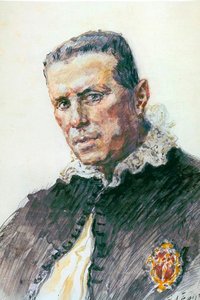
luis casado fernández
1888 - 1972 , Spain
Osnovne informacije
- Artistic Movement Or Style: Photography
- Date Of Birth: 1888
- Date Of Death: 1972
- Full Name: Luis Casado Fernández
- Nationality: Spanish
- Notable Artworks: ['Tiraboleiros with botafumeiro']
- Place Of Birth: Ávila, Spain