

 Pregledaj u prostoru
 Pošalji
 Podeli
 Detalji o delu

 Преузми
 Slični predmeti
 Rendgenski snimak
 Slajdovi
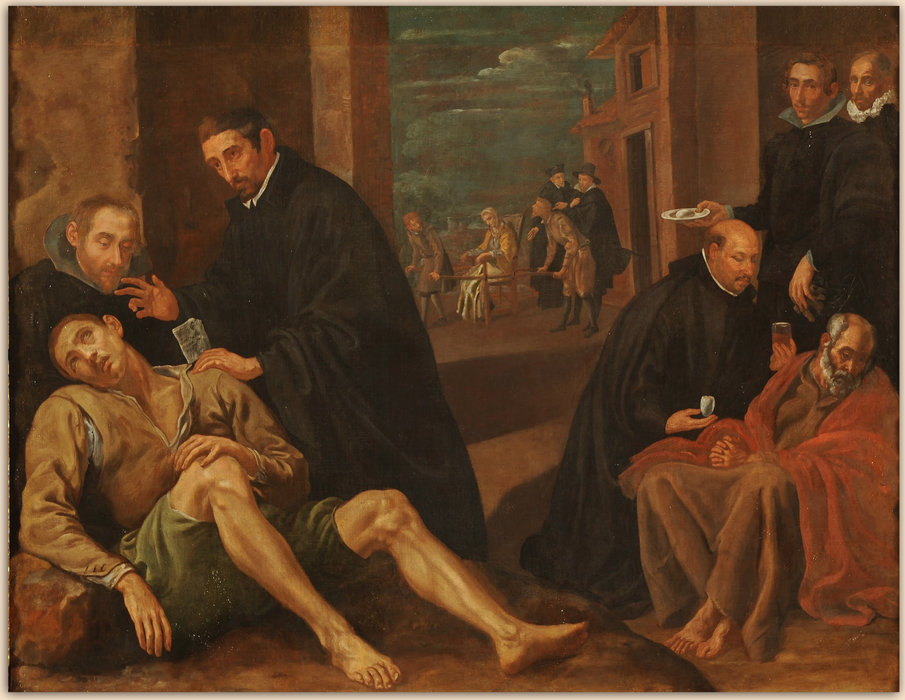
The Bread^Egg Watchм

 Pročitaj više
Ručno rađena uljana reprodukcija
Ručno oslikano uljanim bojama na platnu u dimenzijama i okviru po vašem izboru, izrađeno po porudžbini od strane naših umetnika. ( Kupi print Kupi digitalnu sliku)




































Izaberite jednu od naših unapred definisanih veličina koje odgovaraju originalnim proporcijama umetničkog dela.

Можете унети сопствене димензије како бисте прилагодили дело одређеном оквиру или простору. Ако одабрана величина не одговара пропорцијама оригинала, слика ће бити исечена или проширена додатним елементима који се ручно насликавају. Дигитални prikaz ће вам бити послат на одобрење пре почетка производње.
Имајте на уму да преглед на екрану не одражава стварно исецање или проширење. Само приказ (mockup) ће тачно приказати коначну композицију.
Иако су доступне прилагођене величине, препоручујемо да одаберете димензију из дефинисане листе како бисте сачували оригиналне пропорције.
Nakon narudžbine, tim ArtsDot.com će klijentu putem e-pošte poslati uputstva i dostaviti prikaz predloženog rešenja
Isporuka širom sveta () za 3/4 nedelje umesto uobičajenih 5 nedelja. (27 август). Bez kompromisa po pitanju kvaliteta.

Besplatna ekspresna dostava širom sveta

Visokokvalitetno laneno platno

Kompletno osiguranje transporta

Garancija povraćaja carine i uvoznih dažbina

Garancija vernosti boja

Politika povrata u roku od 60 dana (samo u slučaju nedostataka)

Garancija povrata novca od 100%

Popust pri grupnoj kupovini
 Opcija sa staklom dostupna je samo za dimenzije manje od 110 cm

The Bread^Egg Watchм
Tehnika reprodukcije
Dimenzije reprodukcije
-


Konačna cena
$ 263
Srodna umetnička dela
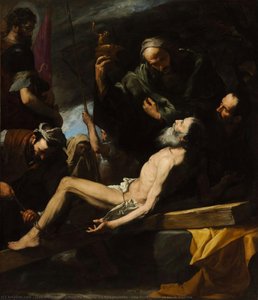
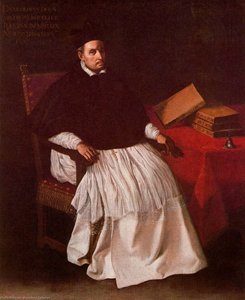
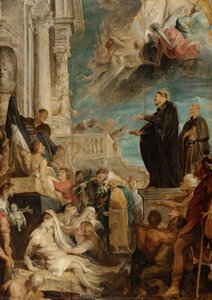
Biografija umetnika
The Shadow of El Greco: The Formative Years in Toledo
In the winding, sun-drenched streets of Toledo, a city where history breathes through every stone, the life of Luis Tristán de Escamilla began amidst a profound atmosphere of religious fervor and artistic tradition. Born into a family of merchants and artisans around 1585, Tristán was destined to become a pivotal figure in the Spanish Mannerist movement. His early years were defined by an intimate connection to the masters of his era, most notably through his apprenticeship in the workshop of El Greco between 1603 and 1607. This period of mentorship was transformative; Tristán did not merely learn technique, but absorbed a visual language of spiritual depth and dramatic tension. In those early canvases, one can see him meticulously replicating the elongated figures and expressive chiaroscuro that characterized his teacher’s hand, creating works so closely aligned with El Greco's style that many were historically attributed to the master himself.
As a primary follower of El Greco’s legacy, alongside Jorge Manuel Theotocópuli, Tristán acted as a bridge between the fading echoes of Mannerism and the rising tide of a new aesthetic. His early development was marked by this tension—a struggle to maintain the spiritual, almost otherworldly elegance of the late Renaissance while beginning to grasp the visceral realism that would soon define his mature period.
A Journey Through Light: The Italian Influence and Caravaggisti Innovation
The trajectory of Tristán’s artistic soul underwent a radical shift around 1603 when he embarked on a transformative voyage to Italy. This pilgrimage, which saw him traversing the great artistic hubs of Rome and Naples, irrevocably altered his brushwork. In the heart of Italy, Tristán encountered the burgeoning Caravaggisti movement, a revolution in painting that favored stark realism and theatrical lighting over the idealized forms of the past. The influence of Caravaggio’s dramatic interplay between light and shadow began to seep into his compositions, replacing the ethereal glow of Toledo with a more grounded, tactile intensity.
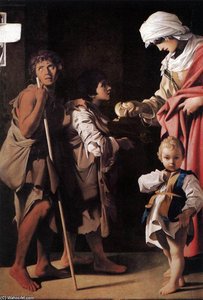
Upon his return to Spain around 1613, Tristán brought with him a sophisticated synthesis of styles. He had successfully merged the spiritual, elongated grace of the Spanish Mannerist tradition with the gritty, emotive realism of the Italian Baroque. This unique stylistic fusion allowed him to create works that were simultaneously contemplative and profoundly human. His mastery of texture and light is evident in pieces such as The Bread and Egg Watch, where rich textures and layered realism evoke a sense of seventeenth-century compassion, or his Adoration of the Magi, which showcases an exquisite Baroque detail and symbolic depth.
A Legacy Etched in Shadow and Devotion
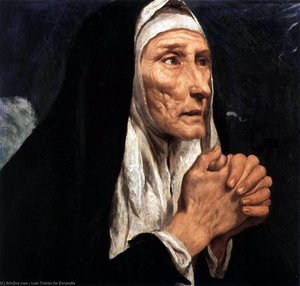
Though his life was tragically cut short at the age of thirty-nine in 1624, the impact of Luis Tristán de Escamilla remains etched in the annals of Spanish art. He stood as a vanguard artist, navigating the complex transition from the stylistic disquiet of Mannerism to the emotional grandeur of the Baroque. His ability to capture the somber dignity of his subjects—seen in the meticulous rendering of Portrait of Félix Lope de Vega or the serene, prayerful countenance of St. Monica—demonstrates a profound understanding of human emotion and spiritual devotion.
Tristán’s historical significance lies in his role as an artistic conduit. He did not simply follow a single school; rather, he synthesized disparate movements into a cohesive, uniquely Spanish vision. His works continue to reside in some of the world's most prestigious collections, from the Museo de Santa Cruz in Toledo to the Hermitage Museum in St. Petersburg, serving as enduring testaments to a life spent chasing the divine through the medium of light and shadow.
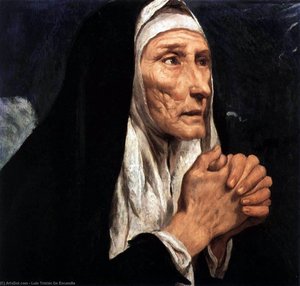
luis tristán de escamilla
1586 - 1624
Osnovne informacije
- Artistic Movement Or Style: Mannerism
- Artists Or Movements Influenced By This Artist: ['Caravaggisti']
- Artists Who Influenced This Artist: ['El Greco']
- Date Of Death: 1624
- Full Name: Luis Tristán de Escamilla
- Nationality: Spanish
- Notable Artworks:
- Saint Louis Distributing Alms.
- The Round of Bread and Eggs.
- Place Of Birth: Toledo, Spain
Povezani članci

Francisco Goya: 25 Remek-dela Španskog Majstora za Vaš Dom | ArtsDot
Istražite 25 remek-dela Francisca Goya, španskog slikara romantizma i impresionizma. Portreti, tamne slike & istorija umetnosti na ArtsDot.com! Kupite reprodukcije slika vrhunskog kvaliteta za dekoraciju enterijera. Otkrijte celu kolekciju online.
Decoding Baroque Grandeur: A Guide to the Drama and Emotion of 17th-Century Art
Explore the breathtaking drama of 17th-century Baroque art. Our expert guide decodes the use of chiaroscuro, emotional intensity, and historical grandeur to help you appreciate and curate timeless masterpieces for your collection.

About Us
Discover our story! We bring world-class art into your life through expert curation, personalized creations, and free previews. Trusted by individuals and businesses since 2000.
The Dramatic Dialogue: Baroque Mannerism & the Synthesis of Emotion, Form, and Artistic Rebellion
Explore the dramatic world of Baroque Mannerism! Discover its history, iconic artists like Rubens & El Greco, and lasting influence on art. Expert insights for collectors & enthusiasts at ArtsDot.

Barok Majstor dela: Top 10 Umjetničkih Remeka za Vaš Dom
Otkrijte 10 remek dela koja su definisala baroknu umetnost! Karavagio, Bernini i više – istražite priče iza ovih ikoničnih slika. Inspiracija za vaš dom? Pogledajte kolekciju na ArtsDot.com!

