

 Pregledaj u prostoru
 Pošalji
 Podeli
 Detalji o delu

 Преузми
 Slični predmeti
 Rendgenski snimak
 Slajdovi
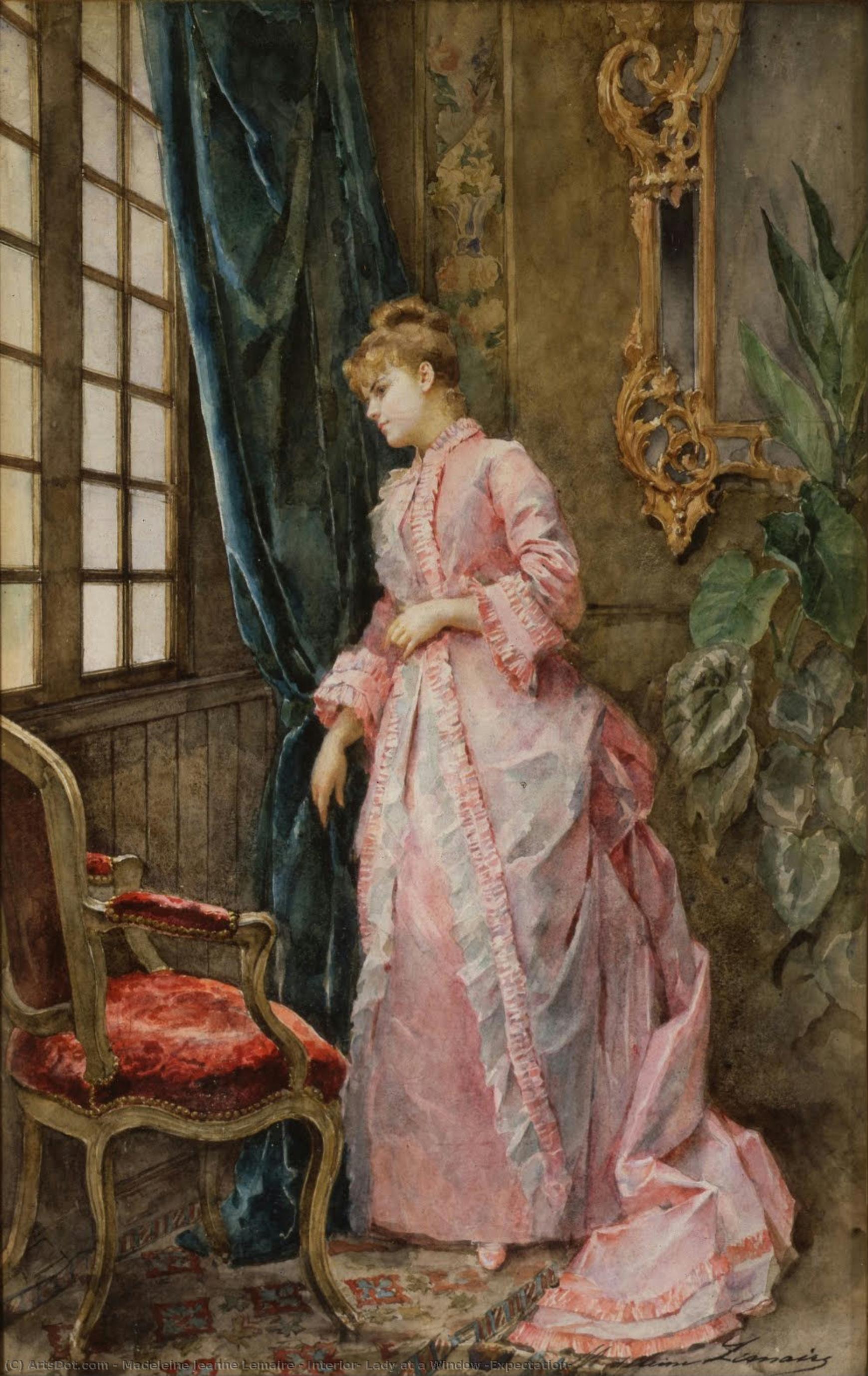
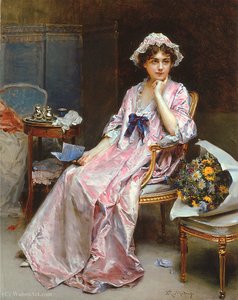
Interior: Lady at a Window (Expectation)


 Pročitaj više
Kupite digitalnu sliku visoke rezolucije i poboljšanog kvaliteta, koja je znatno superiornija od onoga što vidite u online prikazu.
Svaka datoteka je pedantno pripremljena od strane naših stručnjaka koristeći napredne alate i profesionalnu ručnu retušu. Osiguravamo da svaka slika ima izuzetnu oštrinu, preciznu reprodukciju boja i fine detalje.
Konačna datoteka se dostavlja putem e-pošte u roku od 72 sata, optimizovana za neposrednu upotrebu u profesionalnim, izdavačkim i štamparskim okruženjima. To je isti kvalitet kojem veruju vrhunski studiji dizajna, izdavači i galerije.
Digitalna slika
Preuzmite datoteku visoke rezolucije za ličnu upotrebu, štampanje i kreativne projekte. ( Kupi print Kupi ručno naslikanu sliku)
Uključeno uz svaku porudžbinu digitalne slike
Profesionalna digitalna isporuka, zagarantovana
Kada odaberete ArtsDot.com, ne dobijate samo sliku – vi primate profesionalno unapređeno digitalno umetničko delo, izrađeno sa najvećom preciznošću i uz garanciju zadovoljstva. Evo svega što automatski dolazi uz vašu porudžbinu:

Brza dostava putem e-pošte
Vaša digitalna slika visoke rezolucije biće vam poslata putem e-pošte u roku od 72 sata od poručivanja – spremna za trenutnu upotrebu.

Digitalna datoteka unapređena veštačkom inteligencijom
Vaše umetničko delo je profesionalno optimizovano korišćenjem naprednih AI alata i ručne obrade, čime se osiguravaju maksimalni detalji, oštrina i preciznost boja.

Besplatna ponovna isporuka doživotno
Slučajno ste obrisali ili izgubili svoju datoteku? Ne brinite – poslaćemo vam je ponovo u bilo kom trenutku, potpuno besplatno.

Bez troškova uvoza – zauvek
Uživajte u svojim umetničkim delima trenutno, bez carine, dažbina ili troškova dostave – digitalni download je uvek bez poreza.

Garancija vernosti boja
Uz pomoć profesionalnih alata i upravljanja bojama, osiguravamo da vaša digitalna slika što vernije odražava originalne boje.

Garancija zadovoljstva od 100 dana
Ako niste zadovoljni svojom digitalnom slikom, izvršićemo reviziju ili ćemo vam vratiti 100% novca u roku od 100 dana – bez ikakvih pitanja.

100% garancija povrata novca
Niste zadovoljni? Dobijte puni povraćaj novca u roku od 100 dana od prijema digitalne datoteke – bez suvišnih pitanja.

Popusti na velike porudžbine
Kupite 3 slike, uštedite 10% - Kupite 5 slika, uštedite 15% - Kupite 10+ slika, uštedite 20%. Odlično za kreativne projekte, galerije i agencije.
Madeleine Lemaire’s “Interior: Lady at a Window” – A Portrait of Anticipation and Parisian Elegance
Madeleine Jeanne Lemaire (1845-1928), a French watercolorist whose life intersected with the vibrant intellectual currents of Belle Époque Paris, remains an artist whose work speaks volumes about her era. Though biographical details surrounding her formative years are scarce – she appears to have honed her artistic skills largely independently – her contribution to Parisian art and society is undeniable, cemented by her role as a salonnière and her enduring legacy in the form of “Interior: Lady at a Window,” a piece that captures not just a visual likeness but also the spirit of refined contemplation.
A Delicate Watercolor Technique
Lemaire’s artistic style was characterized by meticulous watercolor painting, renowned for its subtle tonal gradations and luminous washes. Unlike bolder Impressionist approaches, her technique prioritized capturing fleeting moments of light and atmosphere with remarkable precision. She skillfully employed layering techniques—applying thin glazes over underlying washes—to achieve depth and luminosity, a hallmark of academic watercolorism prevalent during her time. The resulting images possess an ethereal quality, reflecting the artist’s sensitivity to nuance and detail.
The Salon Debut and Parisian Society
Her debut at the Salon in 1864 marked the beginning of Lemaire's artistic career and established her presence within the influential circles of Parisian art world. The Salon was the premier exhibition for artists seeking recognition, and Lemaire’s work garnered considerable acclaim. More importantly, she cultivated connections with prominent figures like Marcel Proust and Reynaldo Hahn, facilitating intellectual dialogues that shaped the cultural landscape of Belle Époque Paris.
A Window into Victorian Sentimentality
"Interior: Lady at a Window" exemplifies the prevailing aesthetic sensibilities of its time—Victorian sentimentality blended with an appreciation for beauty and elegance. The composition focuses on a young woman gazing out of a window, conveying a palpable sense of expectation or curiosity. The room itself is furnished in opulent style, featuring comfortable couches and a vase strategically placed to create visual harmony. These elements speak to the Victorian preoccupation with domestic tranquility and idealized femininity.
Symbolism Beyond Surface Beauty
Beyond its decorative appeal, “Interior: Lady at a Window” carries symbolic weight. The window serves as a conduit for contemplation, representing both observation of the external world and introspection within oneself. The woman’s posture—looking outward yet seemingly absorbed in thought—suggests a yearning for something beyond immediate surroundings. Color palettes are muted but harmonious, reflecting the restrained elegance favored by Lemaire and her contemporaries.
A Legacy Preserved
Currently housed in Henry Clay Frick’s bedroom, “Interior: Lady at a Window” stands as a testament to Lemaire's artistic vision and enduring influence. Its meticulous watercolor technique, coupled with its evocative depiction of Victorian ideals, continues to fascinate art historians and collectors alike. Reproductions offer an opportunity to appreciate the beauty and subtlety of this remarkable artwork—a window into a bygone era and a celebration of feminine contemplation.
Srodna umetnička dela

Biografija umetnika
Madeleine Jeanne Lemaire: Life & Legacy
Early Life and Background
- Born Madeleine Coll in Arcy-sur-Douanne, France in 1845.
- Little is known about her formal artistic training; she appears to have been largely self-taught or received private instruction.
- She married and became known as Madame Lemaire, establishing herself within Parisian society.
A Salonnière of Renown
- Central Figure in Parisian Society: Madeleine Lemaire was not only a painter but also a prominent salonnière. Her home on the Rue de Monceau became a gathering place for the aristocracy, artists, and writers.
- Introducing Proust & Hahn: She played a crucial role in introducing Marcel Proust and Reynaldo Hahn to influential circles within Parisian high society.
- Her salon fostered intellectual exchange and artistic collaboration, making her a significant cultural figure of the era.
Artistic Style & Themes
- Genre Scenes & Floral Paintings: Lemaire specialized in elegant genre works depicting scenes of fashionable life and exquisite floral still lifes, particularly roses.
- Impressionist Influences: While not strictly an Impressionist, her work displays subtle influences from the movement, characterized by delicate brushwork and a focus on light and atmosphere.
- Her paintings often portray women engaged in leisurely activities like embroidery or musical pursuits, reflecting the refined tastes of her social circle.
Major Works & Recognition
- Notable Paintings: Some of her most recognized works include “Roses,” “Un moment musical,” “Ophelia” (1880), “La volupté”, and "Phoebe" (1896).
- Her paintings were admired for their grace, elegance, and attention to detail.
- She gained a reputation as the “empress of the roses,” reflecting her mastery of floral painting.
Influence & Historical Significance
- Inspiration for Proust: George Painter, in his biography of Marcel Proust, identifies Lemaire as one of the models for the character of Madame Verdurin in *In Search of Lost Time*.
- A Window into Belle Époque Society: Her paintings and salon provide valuable insights into the social customs, artistic tastes, and intellectual climate of the Belle Époque.
- Lemaire’s legacy lies in her ability to capture the essence of a particular time and place, offering a glimpse into the lives of the French elite during a period of significant cultural change.
Later Life & Death
- Madeleine Lemaire continued to paint and host her salon throughout her life.
- She passed away in 1928, leaving behind a body of work that continues to be appreciated for its beauty and historical significance.
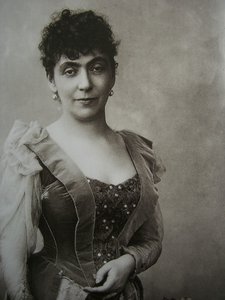
madeleine jeanne lemaire
1845 - 1928 , France
Kratke činjenice
- Birth Date: 1845
- Birth Place: Arcy-sur-Douanne, France
- Death Date: 1928
- Influenced: Marcel Proust
- Movement: Impressionism, Genre Painting
- Name: Madeleine Jeanne Lemaire
- Nationality: French
- Notable Works:
- Roses
- Un moment musical
- Ophelia
- La volupté
- Phoebe