


 Pregledaj u prostoru
 Pošalji
 Podeli
 Detalji o delu

 Преузми
 Slični predmeti
 Rendgenski snimak
 Slajdovi
Yamraj (the Lord of Death)
 Painting
- Patachitra
 2012
2012- Contemporary
 345.0 x 56.0 cm
 Queensland Art Gallery | Gallery of Modern Art
 Pročitaj više
Ručno rađena uljana reprodukcija
Ručno oslikano uljanim bojama na platnu u dimenzijama i okviru po vašem izboru, izrađeno po porudžbini od strane naših umetnika. ( Kupi print Kupi digitalnu sliku)




P118B $10

P118H $10

P118W $10

P438Z $10

P508JH $12

P508YH $12

P805H $10

P805Z $10

P919BZ $10

P919G $10

P919XJ $10

P959ZH $10

P968JZ $12

W106C $8

W218G $10

W218JH $8

W218Y $10

W307PJ $10

W316G $10

W316PJ $8

W316Y $10

W398PJ $8

W4111J $10

W500HY $15

W500JH $15

W692G $12

W849H $8

W940BG $15

W953PJ $8




Izaberite jednu od naših unapred definisanih veličina koje odgovaraju originalnim proporcijama umetničkog dela.

Можете унети сопствене димензије како бисте прилагодили дело одређеном оквиру или простору. Ако одабрана величина не одговара пропорцијама оригинала, слика ће бити исечена или проширена додатним елементима који се ручно насликавају. Дигитални prikaz ће вам бити послат на одобрење пре почетка производње.
Имајте на уму да преглед на екрану не одражава стварно исецање или проширење. Само приказ (mockup) ће тачно приказати коначну композицију.
Иако су доступне прилагођене величине, препоручујемо да одаберете димензију из дефинисане листе како бисте сачували оригиналне пропорције.
Nakon narudžbine, tim ArtsDot.com će klijentu putem e-pošte poslati uputstva i dostaviti prikaz predloženog rešenja
Isporuka širom sveta () za 3/4 nedelje umesto uobičajenih 5 nedelja. (27 август). Bez kompromisa po pitanju kvaliteta.

Besplatna ekspresna dostava širom sveta

Visokokvalitetno laneno platno

Kompletno osiguranje transporta

Garancija povraćaja carine i uvoznih dažbina

Garancija vernosti boja

Politika povrata u roku od 60 dana (samo u slučaju nedostataka)

Garancija povrata novca od 100%

Popust pri grupnoj kupovini
 Opcija sa staklom dostupna je samo za dimenzije manje od 110 cm

Yamraj (the Lord of Death)
Tehnika reprodukcije
Dimenzije reprodukcije
-


Konačna cena
$ 263
A Descent into the Divine Macabre
In the mesmerizing expanse of Madhu Chitrakar’s "Yamraj (the Lord of Death)," the viewer is not merely observing a painting, but unrolling a cinematic journey through the cosmic scales of justice. Created in 2012, this monumental scroll—measuring an extraordinary 345 x 56 cm—is a masterclass in the ancient Indian tradition of Patachitra. As one’s eyes traverse the elongated canvas, they encounter a vivid, panoramic landscape where the boundaries between the earthly and the underworld blur. The work serves as a Yama pat, a specialized scroll dedicated to Yamraj, the Hindu deity presiding over death and righteousness. Far from being a somber or silent tribute, this piece vibrates with the kinetic energy of itinerant storytelling, echoing the centuries-old tradition of the patua artists who would travel from village to village, singing these epic narratives to captivated crowds.
The composition is a dense, intricate tapestry of life and consequence. At its heart, the painting explores the visceral reality of moral reckoning. The style is unapologetically graphic, characteristic of the Yama pat genre, which utilizes striking imagery to illustrate the karmic consequences of one's actions. Within this sprawling narrative, we see a complex ecosystem of figures: prominent deities and mortals interact amidst a backdrop populated by animals and symbolic objects. A dog wanders near the center-left, while birds watch from the periphery, adding layers of naturalistic detail to the supernatural scene. Most strikingly, the inclusion of clocks scattered throughout the composition—at the top left, bottom left, and center—serves as a haunting memento mori, a rhythmic reminder that time is the ultimate precursor to the arrival of the Lord of Death.
The Artistry of the Scroll
Technically, Chitrakar’s work is a triumph of precision and endurance. The Patachitra technique requires an immense level of discipline, as each frame of the scroll must function both as an individual vignette and as part of a continuous, flowing sequence. The artist employs a vibrant palette that brings the terrifying and the divine into sharp relief, using bold outlines to define the movement of limbs, the ferocity of animals, and the intricate details of the underworld's inhabitants. This method of "visual animation" allows the painting to function much like a film strip, where the unrolling of the cloth creates a temporal experience for the observer, building tension and revelation as each new scene is revealed.
For the discerning collector or interior designer, "Yamraj" offers more than just visual splendor; it provides a profound emotional and intellectual anchor for a space. The sheer scale of the work makes it a commanding centerpiece, capable of transforming a room into a gallery of cultural significance. It is a piece that invites deep contemplation on the nature of mortality, justice, and the cyclicality of existence. Whether displayed in a contemporary setting to provide a striking contrast or within a curated collection of global folk art, this reproduction captures the raw, spiritual intensity of Madhu Chitrakar’s vision, making the ancient legends of West Bengal feel vibrantly, pulse-poundingly alive.
Srodna umetnička dela

![Life Of Saint Francis - [04] - Death And Ascension Of St Francis — Đijoto Di Bondone, Italian Renaissance](/media/artworks/images-thumb/08/8b/088b102b13c1a379233690905590f156.jpg)
Biografija umetnika
Edward Hopper: A Portrait of American Solitude
Edward Hopper, born in Nyack, New York, on July 22, 1882, remains one of America’s most enduring and enigmatic figures in the art world. His paintings, characterized by stark realism, evocative lighting, and a profound sense of loneliness, have captivated audiences for over eight decades. While often categorized as an American realist, Hopper's work transcends simple representation; he meticulously crafted scenes that explored the complexities of human experience within the rapidly changing landscape of early 20th-century America. His career, though initially marked by slow progress and relative obscurity, ultimately blossomed into widespread recognition, solidifying his place as a pivotal voice in American art.Early Life and Artistic Training
Hopper’s artistic journey began modestly, influenced significantly by his family's background and the encouragement of his parents. Born into a comfortable middle-class family with Dutch ancestry, he received an early education that fostered a love for visual arts. Initially, Hopper briefly studied illustration at the Correspondence School of Illustrating in New York City (1899–1900), seeking to establish a foundation in commercial art. However, his true passion lay in fine art, leading him to enroll in classes at the New York School of Art under the tutelage of William Merritt Chase and Robert Henri. These influential mentors instilled in him a commitment to capturing the essence of everyday life and exploring the emotional resonance of his subjects—a philosophy that would become central to his artistic vision. Hopper’s time with Henri, particularly, emphasized painting “from life,” encouraging students to observe and depict the realities of their own surroundings.Themes and Style: Isolation and Modernity
Hopper's art is deeply rooted in exploring themes of isolation, loneliness, and the alienation inherent in modern urban and rural settings. His paintings frequently feature solitary figures—often lost in thought or engaged in mundane activities—set against vast, impersonal spaces. These scenes, meticulously rendered with a precise attention to detail and dramatic use of light and shadow, evoke a sense of quiet melancholy and introspection. The influence of Edgar Degas and Édouard Manet is readily apparent in Hopper’s compositions – particularly their cropped perspectives and focus on capturing fleeting moments of urban life. However, Hopper's work transcends mere imitation; he imbued these familiar subjects with a uniquely American sensibility, reflecting the anxieties and uncertainties of a nation undergoing rapid industrialization and social change. His use of color was deliberate and restrained, often employing muted tones to heighten the sense of mood and atmosphere.Key Works and Recognition
Throughout his career, Hopper produced a remarkable body of work encompassing oil paintings, watercolors, and etchings. *Nighthawks* (1942), arguably his most famous painting, perfectly encapsulates his signature style—a stark depiction of three late-night figures in an all-night diner, bathed in the artificial glow of fluorescent lights. Other notable works include *Automat* (1927), a poignant portrayal of a solitary woman in a near-empty diner; *Chop Suey* (1929), a scene of urban anonymity and fleeting connection; and *Office in a Small City* (1953), which captures the quiet desperation of office life. Despite facing initial challenges, Hopper’s work gained increasing recognition throughout the 1920s, culminating in his first one-person exhibition at the Whitney Studio Club in 1920. The success of this exhibition paved the way for further acclaim and commercial success, establishing him as a significant figure in American art.Legacy and Influence
Edward Hopper’s impact on American art is undeniable. His ability to capture the emotional complexities of modern life—particularly the sense of isolation and alienation—continues to resonate with viewers today. His work has profoundly influenced generations of artists, filmmakers, and writers, shaping our understanding of the American experience. Hopper's meticulous attention to detail, evocative use of light and shadow, and exploration of universal themes have cemented his place as a master of American Realism and a truly iconic figure in the history of art. His paintings remain powerful testaments to the beauty and melancholy inherent in everyday life, inviting viewers to contemplate the quiet dramas unfolding within the seemingly ordinary moments of our existence.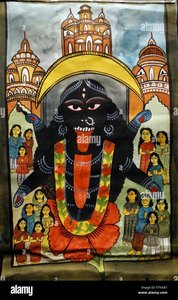
madhu chitrakar
1967 - , India
Osnovne informacije
- Artistic Movement Or Style: Realism, American Realism
- Artists Or Movements Influenced By This Artist:
- Edgar Degas
- Édouard Manet
- Artists Who Influenced This Artist:
- William Merritt Chase
- Robert Henri
- Date Of Birth: July 22, 1882
- Date Of Death: May 15, 1967
- Full Name: Edward Hopper
- Nationality: American
- Notable Artworks:
- Nighthawks
- Automat
- Chop Suey
- Place Of Birth: Nyack, New York, USA
Povezani članci
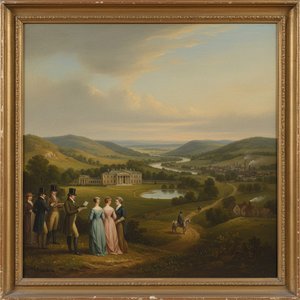
Thomas Barker of Bath: Landscape Painting & Societal Reflection in Early 19th-Century England
Explore the life & work of Thomas Barker of Bath, a key figure in 19th-century English Romanticism. Discover his Parisian success, iconic paintings like 'The Bride of Death', and lasting artistic legacy. Learn more at ArtsDot.

Echoes of Absence: Loss & Grief in Visual Art Through the Ages
Explore the profound history of grief in art, from Renaissance masterpieces to contemporary expressions. Discover how artists have captured loss, mourning, and mortality through powerful imagery & symbolism. ArtsDot offers expert insights.

