

 Pregledaj u prostoru
 Pošalji
 Podeli
 Detalji o delu

 Преузми
 Slični predmeti
 Rendgenski snimak
 Slajdovi
 Statistika
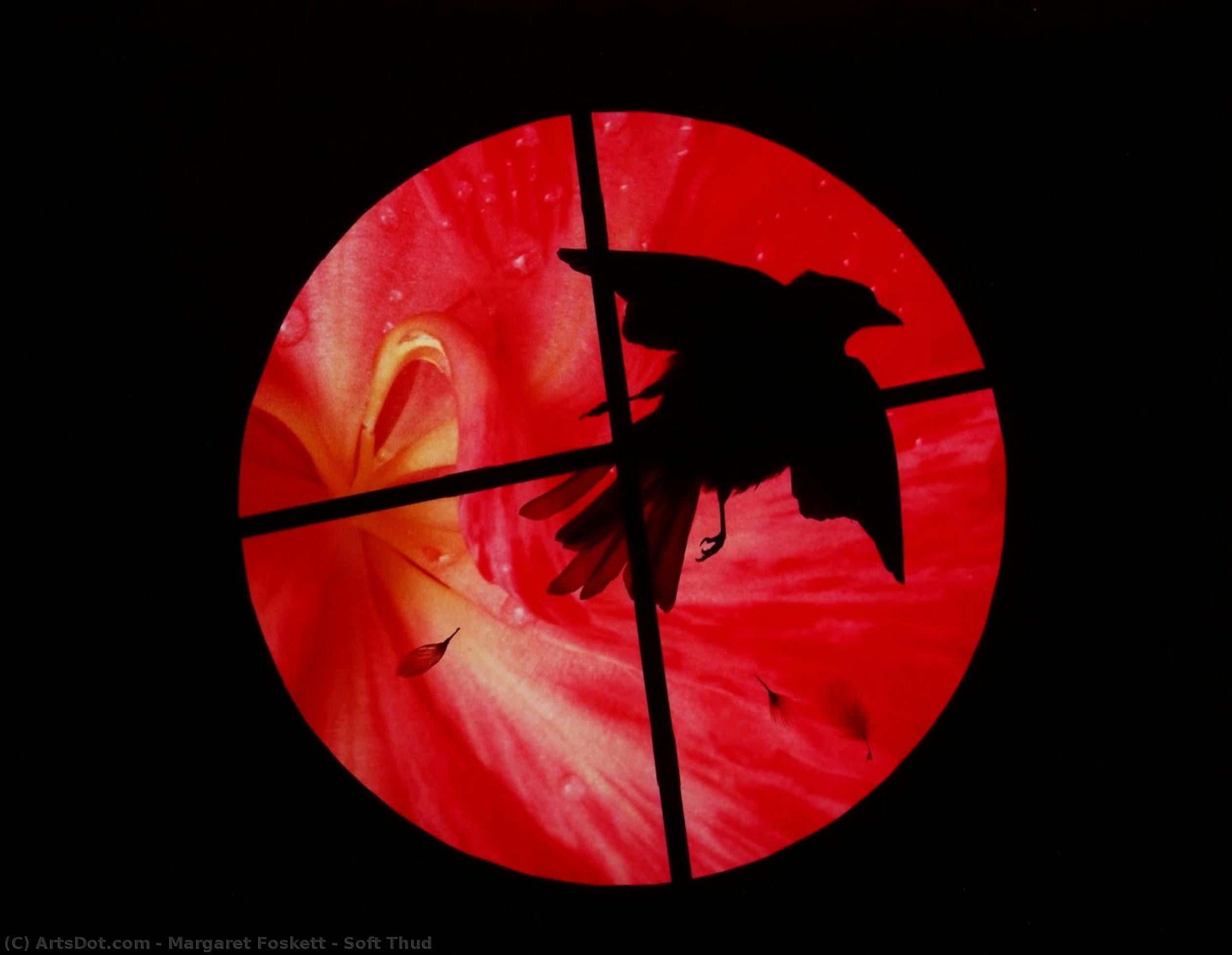
Soft Thud

 Pročitaj više
Kupite digitalnu sliku visoke rezolucije i poboljšanog kvaliteta, koja je znatno superiornija od onoga što vidite u online prikazu.
Svaka datoteka je pedantno pripremljena od strane naših stručnjaka koristeći napredne alate i profesionalnu ručnu retušu. Osiguravamo da svaka slika ima izuzetnu oštrinu, preciznu reprodukciju boja i fine detalje.
Konačna datoteka se dostavlja putem e-pošte u roku od 72 sata, optimizovana za neposrednu upotrebu u profesionalnim, izdavačkim i štamparskim okruženjima. To je isti kvalitet kojem veruju vrhunski studiji dizajna, izdavači i galerije.
Digitalna slika
Preuzmite datoteku visoke rezolucije za ličnu upotrebu, štampanje i kreativne projekte. ( Pređi na štampu Kupi ručno naslikanu sliku)
Uključeno uz svaku porudžbinu digitalne slike
Profesionalna digitalna isporuka, zagarantovana
Kada odaberete ArtsDot.com, ne dobijate samo sliku – vi primate profesionalno unapređeno digitalno umetničko delo, izrađeno sa najvećom preciznošću i uz garanciju zadovoljstva. Evo svega što automatski dolazi uz vašu porudžbinu:

Brza dostava putem e-pošte
Vaša digitalna slika visoke rezolucije biće vam poslata putem e-pošte u roku od 72 sata od poručivanja – spremna za trenutnu upotrebu.

Digitalna datoteka unapređena veštačkom inteligencijom
Vaše umetničko delo je profesionalno optimizovano korišćenjem naprednih AI alata i ručne obrade, čime se osiguravaju maksimalni detalji, oštrina i preciznost boja.

Besplatna ponovna isporuka doživotno
Slučajno ste obrisali ili izgubili svoju datoteku? Ne brinite – poslaćemo vam je ponovo u bilo kom trenutku, potpuno besplatno.

Bez troškova uvoza – zauvek
Uživajte u svojim umetničkim delima trenutno, bez carine, dažbina ili troškova dostave – digitalni download je uvek bez poreza.

Garancija vernosti boja
Uz pomoć profesionalnih alata i upravljanja bojama, osiguravamo da vaša digitalna slika što vernije odražava originalne boje.

Garancija zadovoljstva od 100 dana
Ako niste zadovoljni svojom digitalnom slikom, izvršićemo reviziju ili ćemo vam vratiti 100% novca u roku od 100 dana – bez ikakvih pitanja.

100% garancija povrata novca
Niste zadovoljni? Dobijte puni povraćaj novca u roku od 100 dana od prijema digitalne datoteke – bez suvišnih pitanja.

Popusti na velike porudžbine
Kupite 3 slike, uštedite 10% - Kupite 5 slika, uštedite 15% - Kupite 10+ slika, uštedite 20%. Odlično za kreativne projekte, galerije i agencije.
Srodna umetnička dela








Biografija umetnika
Arthur Hughes (1832–1915): A Pre-Raphaelite Visionary
Arthur Hughes, born in London in 1832 and passing away in Kew in 1915, stands as a quietly significant figure within the landscape of Victorian art. While he never achieved the widespread fame of his Pre-Raphaelite contemporaries like Rossetti or Millais, Hughes cultivated a deeply personal and evocative style that deserves greater recognition for its unique blend of Romanticism, Symbolism, and a profound engagement with literature and mythology. His life was one of constant evolution, marked by periods of intense artistic exploration and a dedication to illustration that ultimately defined much of his output. Hughes’s early education at Archbishop Tenison's Grammar School provided a solid foundation, but it was his time at the School of Design, Somerset House, studying under Alfred Stevens, that truly ignited his artistic passion. It was here he began to develop his skills in watercolour and drawing, absorbing the academic traditions while simultaneously seeking inspiration beyond them. A pivotal moment arrived in 1847 when he won an art studentship at the Royal Academy Schools, a gateway to the vibrant artistic circles of London. His debut exhibition in 1848 with *Musidora*, a melancholic portrait, signaled his arrival on the scene and hinted at the emotional depth that would characterize much of his work. Hughes’s connection to the Pre-Raphaelite Brotherhood began not through formal membership but through a shared aesthetic sensibility. He encountered the group's ideals – a reverence for nature, a rejection of academic artifice, and an interest in medieval and Renaissance sources – through reading *The Germ*, the Pre-Raphaelite magazine. This encounter profoundly shaped his artistic trajectory, leading him to embrace a more lyrical and symbolic approach to painting. He met key figures like William Holman Hunt, Dante Gabriel Rossetti, and Ford Madox Brown, absorbing their ideas and techniques while forging his own distinctive voice. His 1852 exhibition of *Ophelia*, inspired by Tennyson’s poem, marked a significant step towards fully realizing this Pre-Raphaelite influence, showcasing his ability to capture both the beauty and tragedy inherent in literary themes. The subsequent works like *April Love* (1855-6) and *The Long Engagement* (c. 1854-9), often depicting scenes from Arthurian legend or Shakespearean plays, further solidified his reputation within the movement.Illustrator and the Shaping of Style
While Hughes is primarily remembered for his paintings, a significant portion of his artistic career was dedicated to illustration. Beginning in 1855, he secured commissions from prominent publishers like Thomas Hughes, George Macdonald, and Christina Rossetti, illustrating their works – including *The Parent’s Magazine* and *The Queen*. This work demanded a meticulous attention to detail and a mastery of watercolour techniques, skills that undoubtedly informed his painting style. His illustrations were characterized by a delicate beauty, often infused with a dreamlike quality and a subtle use of symbolism. The influence of Japanese woodblock prints was also evident in his illustrative work, particularly in the way he employed flattened perspectives and vibrant colours.A Shift Towards Symbolism and Personal Vision
As the 1860s progressed, Hughes’s artistic style underwent a subtle but significant transformation. He began to move away from the overtly romanticized depictions of the Pre-Raphaelite Brotherhood, embracing a more introspective and symbolic approach. His paintings became less focused on narrative scenes and more concerned with exploring inner states of emotion and memory. This shift is particularly evident in works like *The Garden of Love* (1867), which utilizes a muted palette and ambiguous imagery to evoke a sense of melancholy and longing. His move to the countryside, culminating in his relocation to Kew in 1858, provided him with a new source of inspiration, drawing upon the natural beauty of Surrey for his subject matter.Later Years and Legacy
Hughes continued to paint and illustrate throughout his life, exhibiting at the Royal Academy in 1908 – his final public exhibition – and producing a substantial body of work that reveals a remarkable consistency of vision. His later paintings often featured portraits of family members and landscapes imbued with a quiet dignity and a sense of timelessness. Following his death in 1915, his estate was sold at auction, highlighting the significance of his artistic output. Retrospective exhibitions were held in 1900, 1904, 1916, and 1971, ensuring that his work would be recognized by a wider audience. Today, Arthur Hughes’s paintings are housed in major museums across Britain, including the Tate Gallery (London), Birmingham Museum & Art Gallery, and Manchester City Art Gallery, testament to the enduring power of his Pre-Raphaelite vision. His legacy lies not only in his beautiful artwork but also in his dedication to exploring the depths of human emotion through a uniquely personal and evocative style.Further Resources
- Tate Gallery: Arthur Hughes 1832–1915: https://www.tate.org.uk/art/artists/arthur-hughes-283
- Artfacts: Top Artists and Art Events in 1915: https://artfacts.net/year/1915

margaret foskett
1915 - 2016 , United Kingdom
Kratke činjenice
- Artistic Movement Or Style: Cubism, Fauvism, Surrealism
- Artists Or Movements Influenced By This Artist:
- Russian Avant-Garde
- Cubism
- Surrealism
- Artists Who Influenced This Artist:
- John Ruskin
- Walter Crane
- William James Linton
- Date Of Birth: July 7, 1887
- Date Of Death: March 14, 1915
- Full Name: Marc Chagall
- Nationality: Russian/French
- Notable Artworks:
- I and the Village
- The Fiddler
- Maternity
- Circus Polka
- Place Of Birth: Vitebsk (Belarus)