

 Pregledaj u prostoru
 Pošalji
 Podeli
 Detalji o delu

 Преузми
 Slični predmeti
 Rendgenski snimak
 Slajdovi
 Statistika
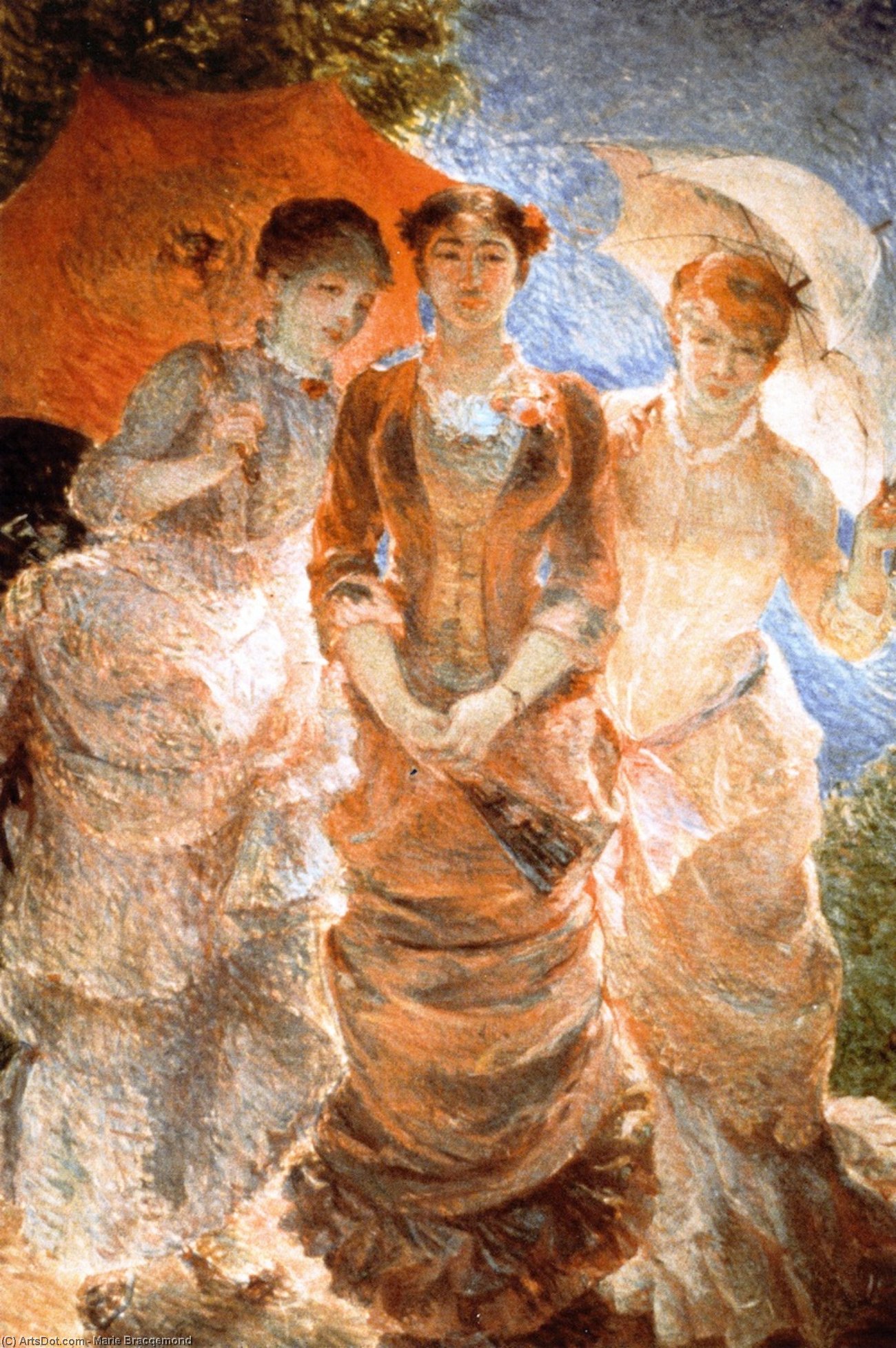
Three Ladies with Umbrellas
 Oil On Canvas
- WallArt
- Impressionism
 1880
1880- 19th Century
 139.0 x 89.0 cm
 Muzej d'Orsej
 Pročitaj više
Kupite digitalnu sliku visoke rezolucije i poboljšanog kvaliteta, koja je znatno superiornija od onoga što vidite u online prikazu.
Svaka datoteka je pedantno pripremljena od strane naših stručnjaka koristeći napredne alate i profesionalnu ručnu retušu. Osiguravamo da svaka slika ima izuzetnu oštrinu, preciznu reprodukciju boja i fine detalje.
Konačna datoteka se dostavlja putem e-pošte u roku od 72 sata, optimizovana za neposrednu upotrebu u profesionalnim, izdavačkim i štamparskim okruženjima. To je isti kvalitet kojem veruju vrhunski studiji dizajna, izdavači i galerije.
Digitalna slika
Preuzmite datoteku visoke rezolucije za ličnu upotrebu, štampanje i kreativne projekte. ( Pređi na štampu Kupi ručno naslikanu sliku)
Uključeno uz svaku porudžbinu digitalne slike
Profesionalna digitalna isporuka, zagarantovana
Kada odaberete ArtsDot.com, ne dobijate samo sliku – vi primate profesionalno unapređeno digitalno umetničko delo, izrađeno sa najvećom preciznošću i uz garanciju zadovoljstva. Evo svega što automatski dolazi uz vašu porudžbinu:

Brza dostava putem e-pošte
Vaša digitalna slika visoke rezolucije biće vam poslata putem e-pošte u roku od 72 sata od poručivanja – spremna za trenutnu upotrebu.

Digitalna datoteka unapređena veštačkom inteligencijom
Vaše umetničko delo je profesionalno optimizovano korišćenjem naprednih AI alata i ručne obrade, čime se osiguravaju maksimalni detalji, oštrina i preciznost boja.

Besplatna ponovna isporuka doživotno
Slučajno ste obrisali ili izgubili svoju datoteku? Ne brinite – poslaćemo vam je ponovo u bilo kom trenutku, potpuno besplatno.

Bez troškova uvoza – zauvek
Uživajte u svojim umetničkim delima trenutno, bez carine, dažbina ili troškova dostave – digitalni download je uvek bez poreza.

Garancija vernosti boja
Uz pomoć profesionalnih alata i upravljanja bojama, osiguravamo da vaša digitalna slika što vernije odražava originalne boje.

Garancija zadovoljstva od 100 dana
Ako niste zadovoljni svojom digitalnom slikom, izvršićemo reviziju ili ćemo vam vratiti 100% novca u roku od 100 dana – bez ikakvih pitanja.

100% garancija povrata novca
Niste zadovoljni? Dobijte puni povraćaj novca u roku od 100 dana od prijema digitalne datoteke – bez suvišnih pitanja.

Popusti na velike porudžbine
Kupite 3 slike, uštedite 10% - Kupite 5 slika, uštedite 15% - Kupite 10+ slika, uštedite 20%. Odlično za kreativne projekte, galerije i agencije.
A Moment Captured in Light: Exploring Three Ladies with Umbrellas
To gaze upon Marie Bracquemond's "Three Ladies with Umbrellas" is to step directly into the luminous, fleeting moments of late nineteenth-century Parisian life. This oil on canvas, dating from 1880, transcends a mere portrait; it is an exquisite meditation on companionship, light, and the ephemeral beauty of leisure. The composition immediately draws the eye to the trio of women, their forms softened by the masterful handling of paint that defines the Impressionist movement. They stand together, sheltered beneath a canopy of fabric—umbrellas and parasols—creating a delicate interplay between shadow and brilliant illumination.
The Artistry of Impressionism in Bracquemond's Hand
Bracquemond, a pivotal figure among her contemporaries like Renoir and Manet, captured the very essence of light as an active participant in the scene. Her technique is characterized by visible brushstrokes and a vibrant palette that refuses to settle into solid blocks of color. Instead, the colors vibrate against one another, mimicking the way sunlight fractures through humid air or reflects off wet pavement. Notice the contrast between the bold splash of red from the leftmost umbrella and the ethereal white of the others; these chromatic anchors guide the viewer's eye across the grouping. The inclusion of an open parasol adds a layer of textural complexity, suggesting the careful accoutrements of fashionable society.
Symbolism of Shelter and Connection
The umbrellas themselves carry a subtle symbolism. They are not merely functional objects against sun or rain; they act as visual cocoons, defining the intimate space shared by the three figures. This sense of mutual shelter speaks volumes about human connection—the comfort found in shared experience amidst the bustle of urban life. The women, draped in long dresses, appear absorbed in each other's company, suggesting a narrative of quiet camaraderie. It is a celebration not just of fashion or leisure, but of the enduring bond between friends.
Bringing Parisian Light Home
For the collector or designer seeking to infuse a space with historical grace and artistic vitality, this piece offers unparalleled depth. Owning a reproduction of "Three Ladies with Umbrellas" is acquiring more than just decoration; it is curating an atmosphere steeped in the romance of Impressionism. The soft glow emanating from the canvas can transform any room, lending it an air of sophisticated nostalgia. Bracquemond’s ability to imbue everyday subjects with such profound luminosity ensures that this artwork remains eternally captivating, inviting contemplation upon every passing moment.
Srodna umetnička dela
Biografija umetnika
A Life Subtly Painted: The Rediscovery of Marie Bracquemond
Marie Anne Caroline Quivoron, known to the world as Marie Bracquemond, was a French Impressionist painter whose talent blossomed amidst a period of artistic revolution yet faced decades of obscurity. Born in 1840 in Argenton-en-Landunvez, Brittany, her early life was marked by movement and a lack of formal training—a circumstance that would ironically shape the independent spirit evident in her work. Unlike many artists of her time who benefited from established academies, Bracquemond’s artistic journey began with private lessons and an innate sensitivity to color and light. Her initial success came quickly; a portrait of her mother and sister was accepted by the prestigious Paris Salon in 1857, a remarkable feat for a young, self-taught artist. This early recognition led to mentorship under Jean Auguste Dominique Ingres, though their relationship proved complex—Ingres encouraged technical skill but cautioned against the ambitions of a woman pursuing painting beyond traditional subjects like flowers and portraits.Impressionism & Domestic Constraints
Bracquemond’s life took a pivotal turn with her marriage to Félix Bracquemond in 1869, an engraver and friend of many burgeoning Impressionists—Monet, Degas, and Gauguin among them. This connection opened doors to the heart of the avant-garde movement. She actively participated in the first seven Impressionist exhibitions (1879–1886), showcasing her evolving style alongside some of the most innovative artists of the era. However, this period of artistic freedom was shadowed by a growing domestic struggle. Félix, despite his initial encouragement, became increasingly critical and dismissive of Marie’s work, actively hindering her career. Accounts from their son, Pierre, reveal a pattern of emotional manipulation and suppression—paintings hidden from view, public exhibitions discouraged, and constant undermining of her confidence. This environment gradually led Bracquemond to withdraw from the art world, effectively abandoning painting by 1890, though she continued to create watercolors privately.A Style Defined by Intimacy & Observation
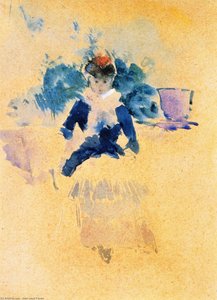
Bracquemond’s paintings are characterized by a delicate intimacy and keen observation of everyday life. She eschewed grand historical narratives or dramatic compositions in favor of scenes depicting women engaged in quiet moments—reading, sewing, or simply lost in thought. Her palette is often soft and muted, employing subtle gradations of color to capture the play of light and shadow. “Woman with Umbrella” (1880), for example, exemplifies her mastery of watercolor, portraying a solitary figure enveloped in an ethereal atmosphere. Similarly, “Self Portrait” (1870), rendered in oil, reveals a melancholic gaze and intricate detail—a poignant self-reflection that hints at the artist’s inner complexities. Her landscapes, though less numerous, demonstrate a similar sensitivity to mood and place, often featuring the serene countryside around her home in Aix-en-Provence. Unlike some of her Impressionist contemporaries who focused on capturing fleeting moments, Bracquemond's work possesses a quiet stillness—a contemplative quality that sets it apart.Rediscovery & Lasting Legacy
For decades, Marie Bracquemond remained largely forgotten, overshadowed by the more celebrated male figures of Impressionism. Her story is a stark reminder of the challenges faced by women artists in the 19th century—the societal pressures, lack of institutional support, and often-destructive influence of patriarchal structures. However, recent years have witnessed a remarkable resurgence of interest in her work. Scholarly research has brought to light the extent of Félix Bracquemond’s suppression, revealing the deliberate attempts to erase Marie's artistic contributions from history. This rediscovery is not merely about correcting historical omissions; it’s about recognizing the profound beauty and originality of an artist whose voice was silenced for too long. Exhibitions, publications, and increasing market value are testament to her growing recognition. The acquisition of her paintings by major institutions like the Walker Art Gallery in Liverpool signifies a commitment to showcasing diverse artistic perspectives and challenging traditional art historical narratives. Marie Bracquemond’s legacy is one of resilience, quiet strength, and an enduring passion for capturing the subtle poetry of everyday life—a testament to the power of art to transcend personal hardship and illuminate the human spirit.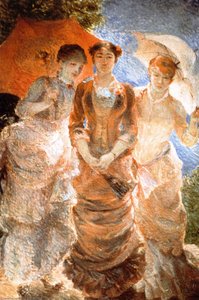
marie bracqemond
1840 - 1916
Kratke činjenice
- Artistic Movement Or Style: Impressionism
- Artists Who Influenced This Artist: ['Jean Auguste Ingres']
- Date Of Birth: December 1, 1840
- Date Of Death: January 17, 1916
- Full Name: Marie Anne Caroline Bracquemond
- Nationality: French
- Notable Artworks:
- Woman with Umbrella
- Self Portrait
- Portrait of Louise
- Place Of Birth: Argenton-en-Landunvez, France