

 Pregledaj u prostoru
 Pošalji
 Podeli
 Detalji o delu

 Преузми
 Slični predmeti
 Rendgenski snimak
 Slajdovi
 Statistika
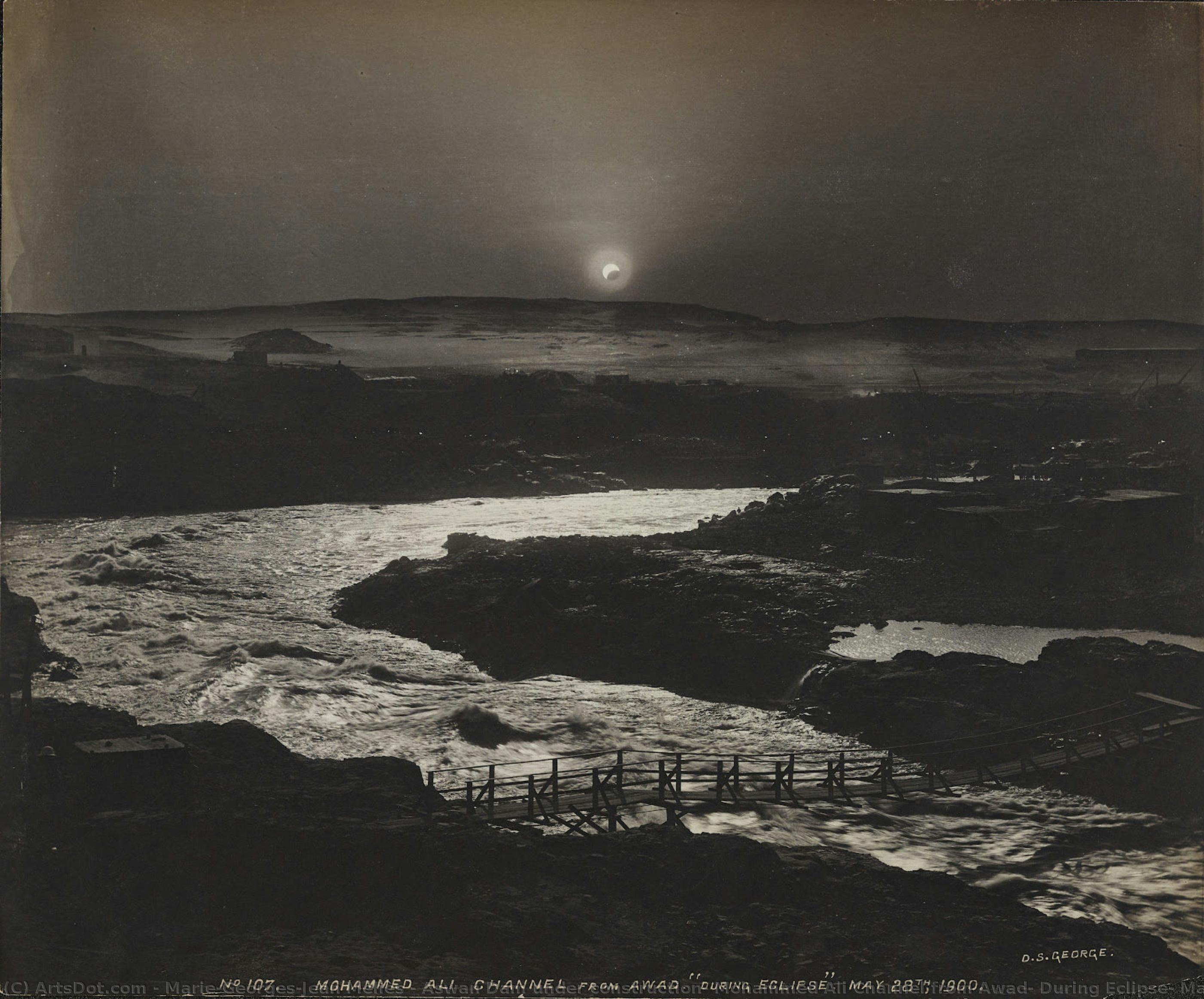
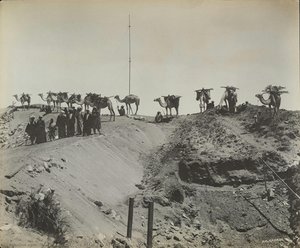
Aswan Dam under construction: Mohammed Ali Channel from Awad, During Eclipse, May 28th 1900
 Oil On Canvas
- WallArt
- Late 19th Century Realism
 1900
1900- 19th Century
 24.0 x 29.0 cm
 Science Museum
 Pročitaj više
Kupite digitalnu sliku visoke rezolucije i poboljšanog kvaliteta, koja je znatno superiornija od onoga što vidite u online prikazu.
Svaka datoteka je pedantno pripremljena od strane naših stručnjaka koristeći napredne alate i profesionalnu ručnu retušu. Osiguravamo da svaka slika ima izuzetnu oštrinu, preciznu reprodukciju boja i fine detalje.
Konačna datoteka se dostavlja putem e-pošte u roku od 72 sata, optimizovana za neposrednu upotrebu u profesionalnim, izdavačkim i štamparskim okruženjima. To je isti kvalitet kojem veruju vrhunski studiji dizajna, izdavači i galerije.
Digitalna slika
Preuzmite datoteku visoke rezolucije za ličnu upotrebu, štampanje i kreativne projekte. ( Pređi na štampu Kupi ručno naslikanu sliku)
Uključeno uz svaku porudžbinu digitalne slike
Profesionalna digitalna isporuka, zagarantovana
Kada odaberete ArtsDot.com, ne dobijate samo sliku – vi primate profesionalno unapređeno digitalno umetničko delo, izrađeno sa najvećom preciznošću i uz garanciju zadovoljstva. Evo svega što automatski dolazi uz vašu porudžbinu:

Brza dostava putem e-pošte
Vaša digitalna slika visoke rezolucije biće vam poslata putem e-pošte u roku od 72 sata od poručivanja – spremna za trenutnu upotrebu.

Digitalna datoteka unapređena veštačkom inteligencijom
Vaše umetničko delo je profesionalno optimizovano korišćenjem naprednih AI alata i ručne obrade, čime se osiguravaju maksimalni detalji, oštrina i preciznost boja.

Besplatna ponovna isporuka doživotno
Slučajno ste obrisali ili izgubili svoju datoteku? Ne brinite – poslaćemo vam je ponovo u bilo kom trenutku, potpuno besplatno.

Bez troškova uvoza – zauvek
Uživajte u svojim umetničkim delima trenutno, bez carine, dažbina ili troškova dostave – digitalni download je uvek bez poreza.

Garancija vernosti boja
Uz pomoć profesionalnih alata i upravljanja bojama, osiguravamo da vaša digitalna slika što vernije odražava originalne boje.

Garancija zadovoljstva od 100 dana
Ako niste zadovoljni svojom digitalnom slikom, izvršićemo reviziju ili ćemo vam vratiti 100% novca u roku od 100 dana – bez ikakvih pitanja.

100% garancija povrata novca
Niste zadovoljni? Dobijte puni povraćaj novca u roku od 100 dana od prijema digitalne datoteke – bez suvišnih pitanja.

Popusti na velike porudžbine
Kupite 3 slike, uštedite 10% - Kupite 5 slika, uštedite 15% - Kupite 10+ slika, uštedite 20%. Odlično za kreativne projekte, galerije i agencije.
A Moment Frozen in Eclipse: Aswan Dam – 1900 by Marie-Georges-Jean Méliès
This extraordinary black and white photograph captures a pivotal moment in history, a meticulously rendered depiction of the construction of the Aswan Dam under the dramatic spectacle of an eclipse. Created in 1900 by the renowned illusionist and early filmmaker, Marie-Georges-Jean Méliès – best known for his pioneering work in cinema – this artwork transcends mere documentation; it’s a powerful meditation on humanity's relationship with nature and the relentless march of progress. The scene unfolds across a vast landscape, dominated by the shimmering waters of the Nile reflecting an ethereal, almost otherworldly light cast by the partially obscured sun. Méliès masterfully employs atmospheric perspective, drawing the viewer deep into the composition, where the structures of the dam construction – bridges, supports, and nascent buildings – stand as bold interventions against the natural world.
Technical Mastery and a Late 19th-Century Vision
- Medium: Oil on Canvas (reproduced in black and white photograph)
- Size: 24 x 29 cm – A perfectly scaled piece for impactful display.
- Style: The artwork embodies the spirit of late 19th-century landscape painting, characterized by a realistic approach yet infused with a dramatic sensibility. Méliès’s use of tonal contrasts and careful composition evokes the style of artists like Turner, known for their evocative depictions of light and atmosphere.
- Technique: The original artwork likely utilized traditional oil paint techniques, layering colors to build depth and texture. The photograph meticulously captures these nuances, preserving the rich details and subtle gradations that define Méliès’s skill.
Symbolism of Eclipse and Human Intervention
The eclipse itself is not merely a natural phenomenon; it's a potent symbol within this artwork. Representing disruption, transition, or even the unveiling of hidden truths, it elevates the scene beyond a simple record of construction. The Aswan Dam, a monumental engineering feat, stands as a testament to human ambition and our desire to control and reshape the environment. This juxtaposition – the sublime power of nature (the eclipse) confronting the deliberate intervention of humankind – creates a compelling narrative about humanity’s place within the natural world. The reflected sunlight on the water adds an element of divine illumination, suggesting a connection between the earthly and celestial realms.
A Window into a Changing World
Created in 1900, this artwork offers a fascinating glimpse into a pivotal era – the dawn of modern engineering and industrialization. The construction of the Aswan Dam was a transformative project, impacting Egypt’s geography, economy, and ultimately, its future. Méliès's choice to depict this event during an eclipse adds another layer of significance, hinting at the anxieties and uncertainties surrounding rapid technological advancement. This piece is more than just a beautiful image; it’s a historical artifact, a testament to human ingenuity, and a poignant reminder of our enduring relationship with both nature and progress. Its evocative power continues to resonate today.
Srodna umetnička dela




Biografija umetnika
Frederic Remington: A Chronicler of the American West
Frederic Sackrider Remington, born in Canton, New York, in 1861, wasn’t merely an artist; he was a vital interpreter of a rapidly vanishing world. His life and work are inextricably linked to the dramatic transformation of the American West during the late 19th century – a period of expansion, conflict, and myth-making. Remington's legacy rests not just on his stunning paintings and illustrations but also on his ability to capture the spirit, both romanticized and brutally honest, of this frontier era. His family’s history—rooted in European immigrant heritage and intertwined with the burgeoning newspaper industry—provided a unique foundation for his artistic pursuits.
Remington's early life was shaped by his father, Seth Remington, a prominent New York journalist and postmaster. This exposure to print media instilled in young Frederic a keen eye for storytelling and visual communication. He received minimal formal art training, relying instead on self-directed study at the Art Students League in New York City and brief stints with instructors like John Henry Niemeyer at Yale University. Despite this lack of traditional schooling, Remington’s artistic talent blossomed through observation and experience—a crucial element in his distinctive style.
Remington's journey to the West began in 1881 when he traveled to Montana Territory, a pivotal moment that ignited his lifelong fascination with the region. He quickly immersed himself in the lives of cowboys, Native Americans, and cavalrymen, documenting their experiences through sketches and drawings. This firsthand exposure proved invaluable, informing his artistic vision and distinguishing him from artists who relied solely on secondhand accounts or romanticized depictions. His early work for *Harper’s Weekly*—illustrations depicting scenes of cattle drives, Indian raids, and frontier life—immediately garnered attention and established his reputation as a skilled storyteller.
The Rise of a Western Icon
Remington's illustrations for *Harper’s Weekly* were not simply decorative; they were meticulously researched narratives. He spent considerable time observing the subjects he depicted, often traveling extensively throughout the Southwest – Arizona, Texas, and New Mexico – to capture authentic details. His depictions of Native Americans, particularly the Cheyenne and Comanche tribes, were groundbreaking for their time, offering a more nuanced portrayal than was typically presented in popular media. However, it’s important to acknowledge that Remington's work, like much art of the era, was inevitably shaped by prevailing stereotypes and romanticized notions of the West.
Remington’s artistic style evolved significantly throughout his career. His early works were characterized by tight compositions, dramatic lighting, and a somewhat academic influence—a debt owed to French realist painters such as Ernest Meissonier and Édouard Detaille. As he matured, his brushwork became looser and more expressive, reflecting the ruggedness of the landscape and the dynamism of his subjects. He also embraced watercolor painting, experimenting with tonalism – a technique emphasizing subtle gradations of tone rather than bright colors—to create atmospheric effects.
Sculpting the Frontier
While primarily known for his paintings and illustrations, Remington was also a talented sculptor. He began sculpting in earnest during the late 1890s, initially experimenting with sand casting techniques before mastering the lost-wax method. His sculptures—often depicting cowboys, Native Americans, and horses—exhibited the same meticulous detail and dramatic flair as his paintings. Sculptures like “The Bronco Buster” exemplify his ability to capture movement and personality, solidifying his reputation as a versatile artist.
Legacy and Historical Significance
Frederic Remington died unexpectedly in 1909 at the age of forty-eight, leaving behind a vast body of work that continues to captivate audiences today. His illustrations played a crucial role in shaping public perceptions of the American West, contributing to both its romanticization and its complex realities. His depictions influenced generations of artists and writers, solidifying his place as one of the most important figures in Western art history. Remington’s legacy extends beyond the canvas and sculpture; he served as a war correspondent during the Spanish-American War, documenting the conflict with unflinching honesty—a stark contrast to the heroic narratives often presented at the time. His work remains a powerful testament to a pivotal era in American history, offering both beauty and insight into a world forever changed.
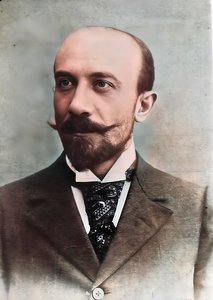
marie-georges-jean méliès
1861 - 1938 , France
Kratke činjenice
- Artistic Movement Or Style: Western American Art
- Artists Or Movements Influenced By This Artist:
- Ernest Meissonier
- Édouard Detaille
- Artists Who Influenced This Artist:
- George Catlin
- Earl W. Bascom
- Date Of Birth: October 4, 1861
- Date Of Death: December 26, 1909
- Full Name: Frederic Sackrider Remington
- Nationality: American
- Notable Artworks:
- A Dash for the Timber
- The Bronco Buster
- Place Of Birth: Canton, New York, USA