

 Pregledaj u prostoru
 Pošalji
 Podeli
 Detalji o delu

 Преузми
 Slični predmeti
 Rendgenski snimak
 Slajdovi
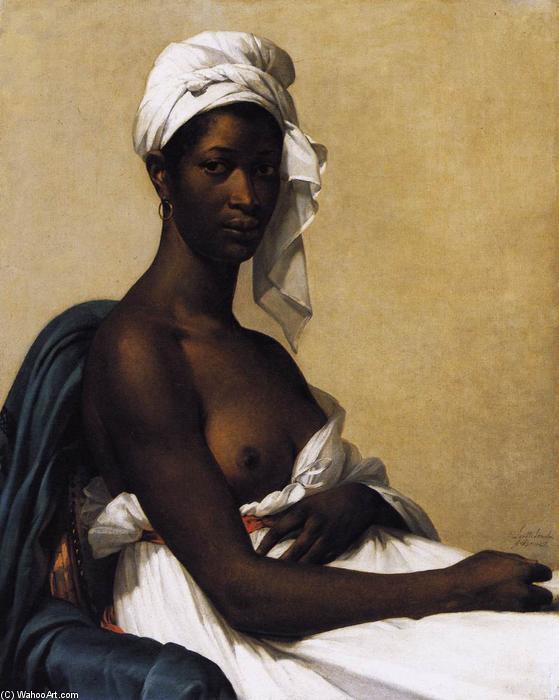
Portrait of a Negress
 Acrylic On Canvas
- WallArt
- Neoclassicist Art
 1800
1800 81.0 x 65.0 cm
 Louvre
 Pročitaj više
Giclee štampa / Umetnički otisak
Giclée štampa ili print na platnu muzejskog kvaliteta uz brzu proizvodnju i fleksibilne opcije završne obrade. ( Kupi ručno naslikanu sliku Kupi digitalnu sliku)




P118B $10

P118H $10

P118W $10

P438Z $10

P508JH $12

P508YH $12

P805H $10

P805Z $10

P919BZ $10

P919G $10

P919XJ $10

P959ZH $10

P968JZ $12

W106C $8

W218G $10

W218JH $8

W218Y $10

W307PJ $10

W316G $10

W316PJ $8

W316Y $10

W398PJ $8

W4111J $10

W500HY $15

W500JH $15

W692G $12

W849H $8

W940BG $15

W953PJ $8




Izaberite jednu od naših unapred definisanih veličina koje odgovaraju originalnim proporcijama umetničkog dela.

Možete uneti sopstvene dimenzije kako biste umetničko delo prilagodili specifičnom okviru ili prostoru. Ako odabrani format ne odgovara proporcijama originalne slike, mi ćemo ili iscrtati deo dela ili proširiti sliku pomoću ogledane ivice ili jednobojnog popunjavanja. Digitalni prikaz će vam biti poslat na odobrenje pre početka proizvodnje.
Imajte na umu da pregled na ekranu ne odražava stvarno iscrtavanje ili proširivanje. Samo će prikaz (mockup) precizno pokazati finalnu kompoziciju.
Iako su prilagođene dimenzije dostupne, preporučujemo da odaberete dimenziju sa unapred definisane liste kako biste očuvali originalne proporcije.
Dostava širom sveta () za 2 nedelje umesto uobičajenih 4/5 nedelja. (4 септембар)

Besplatna ekspresna dostava širom sveta

Visokokvalitetno laneno platno

Kompletno osiguranje transporta

Garancija povraćaja carine i uvoznih dažbina

Garancija vernosti boja

Politika povrata u roku od 60 dana (samo u slučaju nedostataka)

Garancija povrata novca od 100%

Popust pri grupnoj kupovini
 Opcija sa staklom dostupna je samo za dimenzije manje od 110 cm

Portrait of a Negress
Giclee štampa / Umetnički otisak
Dimenzije reprodukcije
-


Konačna cena
$ 62
Portrait of a Negress: A Study in Neoclassical Elegance and Feminist Symbolism
The Portrait of a Negress by Marie Guillemine Benoist stands as an arresting testament to the artistic sensibilities of its era—the early 1800s—and simultaneously embodies a profound dialogue concerning gender roles, racial representation, and the burgeoning movement for women’s emancipation. Painted in Paris during a period marked by significant social upheaval following the Napoleonic Wars, this oil-on-canvas masterpiece transcends mere visual beauty to deliver a complex message about societal expectations and artistic ambition.The Artist's Context: Marie Guillemine Benoist – A Pioneer Among Women Painters
Marie Guillemine Benoist (1768-1826) was an exceptional figure in the art world of her time, navigating the constraints imposed upon women artists with remarkable determination and creativity. Born into a noble family steeped in administrative tradition, Benoist defied societal norms by pursuing a professional artistic career—a daring undertaking for women during the Enlightenment and Romantic periods. Her training under Elisabeth Vigée Le Brun instilled in her a meticulous attention to detail and an understanding of portraiture as a vehicle for conveying both likeness and character. This dedication to craft is evident throughout her oeuvre, including “Portrait of a Negress,” where she skillfully captures the sitter’s gaze and posture with remarkable precision.A Detailed Examination of Technique and Style
The painting's stylistic characteristics firmly situate it within the Neoclassical movement—a reaction against the excesses of Rococo art that championed reason, order, and idealized beauty. Benoist employed loose brushstrokes to create a sense of movement and life, subtly animating the figure’s drapery and conveying an impression of serene composure. The artist skillfully utilized chiaroscuro—the dramatic interplay of light and shadow—to sculpt the woman's face and torso, emphasizing her features with subtle gradations of tone. Furthermore, Benoist’s choice of palette—dominated by muted earth tones—contributes to the painting’s contemplative mood and reinforces its connection to classical ideals of harmony and balance. The canvas itself measures 81 x 65 cm, reflecting a deliberate consideration for scale and proportion that aligns with Neoclassical principles.Symbolism Beyond Appearance: Gender Roles and Racial Representation
Beyond its technical prowess, “Portrait of a Negress” carries significant symbolic weight. The woman’s pose—seated gracefully in a chair, her body turned slightly to the side—reflects the prevailing ideal of feminine dignity and composure during the period. Her white robe symbolizes purity and virtue, while the draped fabric subtly suggests vulnerability and grace. Crucially, Benoist's decision to depict a black woman—a subject considered taboo by many artists of the time—represents a bold assertion of feminist ideals. The painting implicitly challenges societal prejudices against women of color and elevates the sitter’s presence as an emblem of resilience and beauty. The inclusion of the chair symbolizes domesticity and reinforces the notion that the woman embodies the virtues expected of women in the home.Historical Significance and Legacy
“Portrait of a Negress” debuted at the Paris Salon of 1800, garnering considerable acclaim from critics and collectors alike. Its subsequent acquisition by Louis XVIII for the French state solidified its place as a cornerstone of Neoclassicist art and underscored its importance in shaping perceptions of gender and race during the Restoration era. Today, the painting resides in the Musée du Louvre, where it continues to inspire awe and provoke contemplation—a testament to Benoist’s artistic vision and her courageous stance against societal conventions. Its enduring appeal speaks to the timeless fascination with beauty, dignity, and the pursuit of intellectual freedom—themes that resonate powerfully across generations.Srodna umetnička dela
Povezani članci
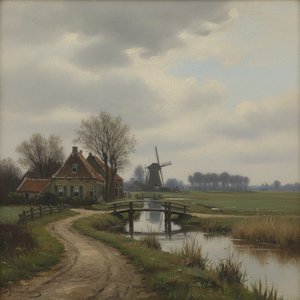
Jacob Henricus Maris: A Master of Dutch Atmospheric Realism & the Intimate Landscape
Explore the captivating world of Jacob Henricus Maris, a leading figure of the Dutch Hague School. Discover his atmospheric landscapes, signature brushstrokes & lasting influence on 19th-century art. Learn more at ArtsDot.

Mary Vaux Walcott: Botanical Precision & Artistic Vision in American Conservation
Discover the exquisite botanical watercolors of Mary Vaux Walcott, celebrated as the 'Audubon of Botany.' Explore her life, art, and lasting impact on American conservation through detailed illustrations & Smithsonian contributions.

Mary Agnes Yerkes: A Study in American Impressionism & Atmospheric Light
Explore the captivating world of Mary Agnes Yerkes, a resilient American Impressionist painter renowned for her vibrant landscapes of the West & National Parks. Discover her unique style and enduring legacy.
Mary Cassatt: Modernity, Motherhood & the Impressionist Gaze – A Timeless Legacy
Explore the life & art of Mary Cassatt, a pivotal American Impressionist renowned for intimate portrayals of women & children. Discover her unique style, legacy, and groundbreaking techniques at ArtsDot.
Marie Laurencin: Poetics of Intimacy & Modernity in Early 20th-Century Painting
Explore the captivating world of Marie Laurencin, a key figure in Parisian Cubism & Modern art. Discover her unique feminine aesthetic, intimate portraits, and lasting influence on early 20th-century painting.

