

 Pregledaj u prostoru
 Pošalji
 Podeli
 Detalji o delu

 Преузми
 Slični predmeti
 Rendgenski snimak
 Slajdovi
 Statistika
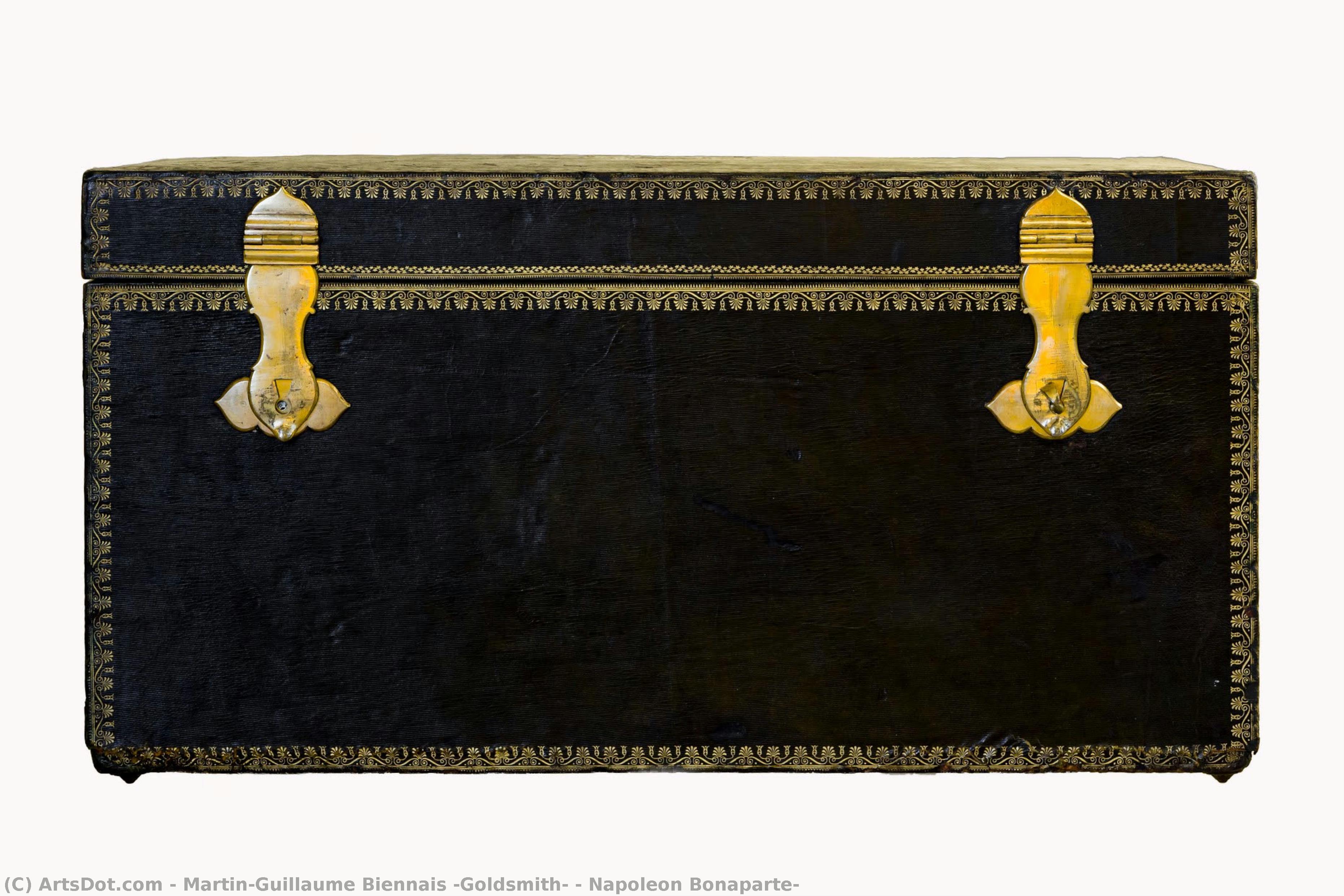
Napoleon Bonaparte


 Pročitaj više
Giclee štampa / Umetnički otisak
Giclée štampa ili print na platnu muzejskog kvaliteta uz brzu proizvodnju i fleksibilne opcije završne obrade. ( Kupi ručno naslikanu sliku Pređi na digitalnu sliku)




































Izaberite jednu od naših unapred definisanih veličina koje odgovaraju originalnim proporcijama umetničkog dela.

Možete uneti sopstvene dimenzije kako biste umetničko delo prilagodili specifičnom okviru ili prostoru. Ako odabrani format ne odgovara proporcijama originalne slike, mi ćemo ili iscrtati deo dela ili proširiti sliku pomoću ogledane ivice ili jednobojnog popunjavanja. Digitalni prikaz će vam biti poslat na odobrenje pre početka proizvodnje.
Imajte na umu da pregled na ekranu ne odražava stvarno iscrtavanje ili proširivanje. Samo će prikaz (mockup) precizno pokazati finalnu kompoziciju.
Iako su prilagođene dimenzije dostupne, preporučujemo da odaberete dimenziju sa unapred definisane liste kako biste očuvali originalne proporcije.
Dostava širom sveta () za 2 nedelje umesto uobičajenih 4/5 nedelja. (9 септембар)

Besplatna ekspresna dostava širom sveta

Visokokvalitetno laneno platno

Kompletno osiguranje transporta

Garancija povraćaja carine i uvoznih dažbina

Garancija vernosti boja

Politika povraćaja u roku od 100 dana (isključivo u slučaju nedostataka)

Garancija povrata novca od 100%

Popust pri grupnoj kupovini
 Opcija sa staklom dostupna je samo za dimenzije manje od 110 cm

Napoleon Bonaparte
Giclee štampa / Umetnički otisak
Dimenzije reprodukcije
-


Konačna cena
$ 62
Srodna umetnička dela




Biografija umetnika
The Genesis of a Master Craftsman
In the twilight of the eighteenth century, a period defined by both profound political upheaval and an unparalleled artistic rebirth, the name Martin-Guillaume Biennais began to resonate through the prestigious workshops of Paris. Born in La Cochère in 1764, Biennais’s journey from the quietude of his youth to the glittering heart of French artistry was marked by a relentless pursuit of technical excellence. After relocating to Paris in 1788, he transitioned from the world of commerce into the disciplined and demanding realm of the master tabletier. His formative years were shaped by a rigorous apprenticeship under the legendary Jean-Baptiste Claude Odiot, a mentorship that instilled in him the very essence of neoclassical design. Through this training, Biennais mastered the delicate balance of symmetry, clarity, and refined ornamentation, laying the foundational principles for a career that would eventually define the aesthetic grandeur of an entire empire.
The Golden Age of the Imperial Goldsmith
The ascent of Napoleon Bonaparte provided the ultimate, magnificent canvas for Biennais’s unparalleled skill. As the official orfèvre to the Emperor, Biennais was tasked with translating the martial idealism and imperial splendor of the Napoleonic vision into tangible, precious forms. His appointment in 1798 signaled a golden age of production, most notably through his monumental contribution to the Imperial Table—a project of such immense scale that it demanded not only artistic genius but extraordinary logistical mastery. Biennais was the primary architect of the regalia used during the historic coronation of 1804, breathing life into objects that would become symbols of French power, including:
- The ceremonial sword and the majestic laurel wreath;
- The intricate great necklace of the Legion of Honor;
- The symbolic Grand Sceptre, the ball of the world, and the hand of justice.
His ability to capture the imperial spirit through gold and silver made him a central figure in the visual language of the era.
A Legacy of Versatility and Refinement
Beyond the heavy, symbolic weight of imperial regalia, Biennais’s artistry was characterized by an extraordinary versatility that spanned various media and decorative arts. While his mastery of goldsmithing and silversmithing remains his most celebrated achievement, his creative reach extended into ébénisterie, where he crafted exquisite mahogany furniture, including chests of drawers, consoles, and beds. His repertoire was vast, encompassing jewelry, porcelain, religious objects, and even the embellishment of white weapons with military decorations. Though contemporaries like Odiot were equally skilled, Biennais was often regarded as the more prolific and widely appreciated interpreter of the Napoleonic model. His work, such as the famous silver cradle created for the King of Rome, stands as a testament to a craftsman who could navigate the transition from the delicate elegance of the late eighteenth century to the robust, classical grandeur of the nineteenth-century Empire, leaving an indelible mark on the history of French decorative arts.
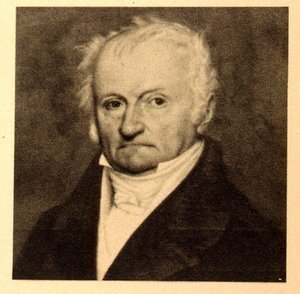
martin-guillaume biennais (goldsmith)
1764 - 1843 , France
Osnovne informacije
- Artistic Movement Or Style: Empire Style
- Artists Or Movements Influenced By This Artist: ['Napoleon Bonaparte']
- Artists Who Influenced This Artist:
- Jean-Baptiste Claude Odiot
- Robert Joseph Auguste
- Date Of Birth: April 29, 1764
- Date Of Death: March 27, 1843
- Full Name: Martin-Guillaume Biennais
- Nationality: French
- Notable Artworks:
- Snuff Boxes
- Jewelry
- Imperial Tableware
- Place Of Birth: Lacolle, France