

 Pregledaj u prostoru
 Pošalji
 Podeli
 Detalji o delu

 Преузми
 Slični predmeti
 Rendgenski snimak
 Slajdovi
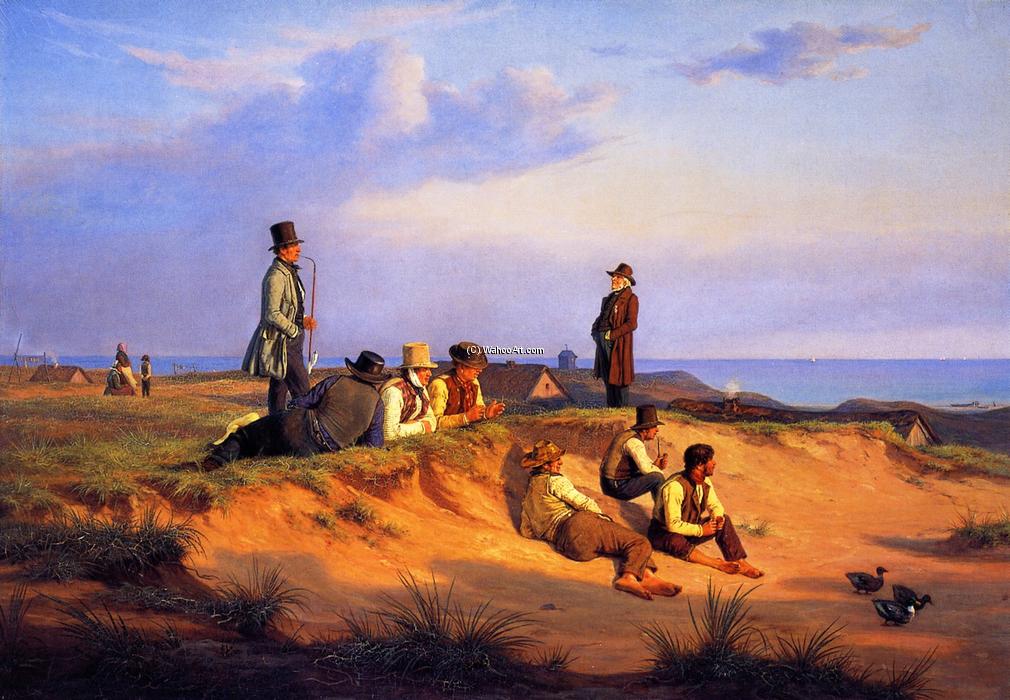
Men of Skagen on a Summer Evening in Good Weather
 Oil On Canvas
- WallArt
- Danish Golden Age
 1848
1848- 19th Century
 87.0 x 124.0 cm
 Statens Museum For Kunst
 Pročitaj više
Giclee štampa / Umetnički otisak
Giclée štampa ili print na platnu muzejskog kvaliteta uz brzu proizvodnju i fleksibilne opcije završne obrade. ( Kupi ručno naslikanu sliku Kupi digitalnu sliku)




P118B $10

P118H $10

P118W $10

P438Z $10

P508JH $12

P508YH $12

P805H $10

P805Z $10

P919BZ $10

P919G $10

P919XJ $10

P959ZH $10

P968JZ $12

W106C $8

W218G $10

W218JH $8

W218Y $10

W307PJ $10

W316G $10

W316PJ $8

W316Y $10

W398PJ $8

W4111J $10

W500HY $15

W500JH $15

W692G $12

W849H $8

W940BG $15

W953PJ $8




Izaberite jednu od naših unapred definisanih veličina koje odgovaraju originalnim proporcijama umetničkog dela.

Možete uneti sopstvene dimenzije kako biste umetničko delo prilagodili specifičnom okviru ili prostoru. Ako odabrani format ne odgovara proporcijama originalne slike, mi ćemo ili iscrtati deo dela ili proširiti sliku pomoću ogledane ivice ili jednobojnog popunjavanja. Digitalni prikaz će vam biti poslat na odobrenje pre početka proizvodnje.
Imajte na umu da pregled na ekranu ne odražava stvarno iscrtavanje ili proširivanje. Samo će prikaz (mockup) precizno pokazati finalnu kompoziciju.
Iako su prilagođene dimenzije dostupne, preporučujemo da odaberete dimenziju sa unapred definisane liste kako biste očuvali originalne proporcije.
Dostava širom sveta () za 2 nedelje umesto uobičajenih 4/5 nedelja. (2 септембар)

Besplatna ekspresna dostava širom sveta

Visokokvalitetno laneno platno

Kompletno osiguranje transporta

Garancija povraćaja carine i uvoznih dažbina

Garancija vernosti boja

Politika povrata u roku od 60 dana (samo u slučaju nedostataka)

Garancija povrata novca od 100%

Popust pri grupnoj kupovini
 Opcija sa staklom dostupna je samo za dimenzije manje od 110 cm

Men of Skagen on a Summer Evening in Good Weather
Giclee štampa / Umetnički otisak
Dimenzije reprodukcije
-


Konačna cena
$ 62
A Moment Frozen in Time: Exploring Martinus Rørbye’s “Men of Skagen”
The painting "Men of Skagen on a Summer Evening in Good Weather" by Martinus Christian Wesseltoft Rørbye isn't merely a depiction of a seaside scene; it’s an embodiment of the Danish Golden Age’s fascination with capturing fleeting beauty and distilling emotion onto canvas. Completed in 1848, this oil-on-canvas masterpiece transcends its visual elements to resonate with a profound sense of tranquility and observation—qualities that define Rørbye's artistic legacy and solidify his place as one of Denmark’s most celebrated landscape painters.The Scene: A Snapshot of Bohemian Skagen
Rørbye’s vision centers on Skagen, a Danish fishing village renowned for its vibrant bohemian spirit during the mid-19th century. The painting portrays several figures engaged in leisurely pursuits—conversation, contemplation, perhaps even simply absorbing the warmth of the evening sun filtering through the hills overlooking the Baltic Sea. Two birds perched prominently on branches contribute to the idyllic atmosphere, symbolizing freedom and connection with nature – motifs prevalent throughout Rørbye’s oeuvre. A sailboat gliding across the water reinforces this impression of serenity and invites viewers into a shared experience of beauty.Technique and Style: Impressionistic Sensitivity
Rørbye's masterful technique exemplifies the burgeoning influence of Impressionism on Danish art. Unlike the meticulous detail favored by earlier generations, he employs loose brushstrokes and subtle color harmonies to convey light and atmosphere with remarkable accuracy. The artist skillfully captures the ephemeral qualities of twilight—the hazy blues and golds that bathe the landscape—creating an illusion of movement and immediacy. This approach distinguishes “Men of Skagen” from more formal academic styles, prioritizing sensory experience over precise representation.Historical Context: Embracing Romantic Idealism
“Men of Skagen” emerged during a period marked by significant intellectual and artistic upheaval. The Danish Golden Age witnessed a surge in interest in landscape painting, fueled by Romantic ideals that championed emotion and individualism. Artists like Rørbye sought to depict the natural world not as an object of scientific inquiry but as a source of spiritual inspiration—a reflection of the broader cultural movement’s yearning for sublime beauty and connection with the divine. The painting stands as testament to this artistic ethos, capturing a moment of harmonious coexistence between humanity and nature.Symbolism Beyond Surface Beauty
Beyond its picturesque depiction of Skagen, “Men of Skagen” carries deeper symbolic significance. The birds represent aspiration and liberation—a desire for transcendence beyond earthly concerns. The sailboat symbolizes navigation through life’s journey, guided by intuition and embracing the unpredictable currents of experience. Rørbye's careful composition invites contemplation on themes of peace, contentment, and the enduring power of observation – ideas that continue to resonate with audiences today.Emotional Impact: A Balm for the Soul
Ultimately, “Men of Skagen” succeeds in evoking a profound emotional response—a feeling of calm repose and appreciation for simple pleasures. The painting’s luminous palette and fluid brushstrokes transport viewers back to a moment of idyllic summer evening, fostering a sense of nostalgia and reminding us of the beauty inherent in everyday life. It's a piece that speaks to our innate desire for connection with nature and encourages us to savor the fleeting moments of joy and tranquility that enrich our existence.Srodna umetnička dela


Biografija umetnika
A Pioneer of Danish Golden Age Painting: Martinus Rørbye
Martinus Christian Wesseltoft Rørbye, born in Drammen, Norway in 1803, stands as a pivotal figure within the radiant constellation of the Danish Golden Age. Though often overshadowed by contemporaries like Eckersberg and Marstrand, Rørbye’s contribution was uniquely defined by his restless spirit and pioneering travels – a characteristic that set him apart and profoundly shaped his artistic vision. He wasn't merely a painter of scenes; he was a chronicler of encounters, a sensitive observer who translated the nuances of diverse cultures and landscapes onto canvas with remarkable skill. His life story is one of dedication to craft interwoven with an insatiable curiosity about the world beyond Denmark’s borders.Early Training and Artistic Foundations
Rørbye's early inclinations didn’t lean towards academic pursuits, yet his artistic talent was evident enough to warrant enrollment at the Royal Danish Academy of Fine Arts in Copenhagen at the age of seventeen, in 1820. There, he fell under the tutelage of two influential masters: Christian August Lorentzen and, more significantly, Christoffer Wilhelm Eckersberg. Eckersberg’s emphasis on meticulous observation of nature and a commitment to realistic detail deeply resonated with Rørbye, forming the bedrock of his artistic methodology. Simultaneously, Lorentzen's masterful use of color broadened Rørbye’s palette and instilled in him an appreciation for atmospheric effects. He quickly distinguished himself at the Academy, earning the small silver medal in 1824 and the large silver medal four years later. While he repeatedly sought the coveted large gold medal, it remained elusive, a testament to his willingness to experiment and deviate from strictly prescribed academic norms. Even during these formative years, hints of his future wanderlust were present; “View from the Artist’s Window,” painted around 1825, subtly foreshadowed his yearning for exploration through its depiction of a caged bird poised between domestic security and the beckoning expanse of the open sea.Journeys and Expanding Horizons
Rørbye was, without question, the most peripatetic of the Danish Golden Age painters. His travels weren’t mere leisurely excursions; they were integral to his artistic development, providing him with a wealth of inspiration and subject matter. He first ventured into Norway in 1830 and again in 1832, journeys that exposed him to landscapes reminiscent of those favored by Johan Christian Dahl and Caspar David Friedrich – artists whose Romantic sensibilities subtly influenced his work. A particularly memorable encounter during these travels was with the celebrated author Hans Christian Andersen; they journeyed together through Jutland, forging a brief but significant artistic companionship. However, it was Rørbye’s 1834 travel scholarship that truly unlocked his potential for international exploration. This allowed him to traverse the Netherlands and France before arriving in Rome, then the vibrant hub of Danish artists centered around the sculptor Bertel Thorvaldsen. From Italy, he ventured further afield, accompanied by architect Michael Gottlieb Bindesbøll, to Greece and even Constantinople – a daring expedition that placed him among the first Scandinavian artists to document the Ottoman Empire. These travels weren’t simply about recording visual impressions; Rørbye meticulously sketched and noted everything from local customs and costumes to architectural details and sweeping vistas, transforming his experiences into a rich tapestry of artistic inspiration.Legacy and Artistic Significance
Upon returning to Copenhagen in 1837, Rørbye brought with him not only a portfolio brimming with exotic studies but also a heightened sense of artistic confidence. His orientalist paintings, imbued with the vibrant colors and captivating scenes he’d witnessed firsthand, captivated the Danish public. He was unanimously elected to the Academy in 1838 based on his Turkish folk scene derived from sketches made near Smyrna. Rørbye's influence extended beyond his immediate circle of contemporaries. He anticipated the Skagen painters – Michael Ancher, Anna Ancher, and P.S. Krøyer – by almost half a century when he first began painting in Skagen, at the northernmost tip of Jutland. His dedication to capturing realistic details, combined with his sensitivity to light and atmosphere, established him as a master of both genre painting and landscape art. Though he died prematurely in 1848, leaving behind an unfinished body of work, Martinus Rørbye’s legacy endures as a testament to the power of travel, observation, and artistic innovation during Denmark's Golden Age. He remains a vital link between the classical traditions of Danish painting and the burgeoning Romanticism that would define much of 19th-century art.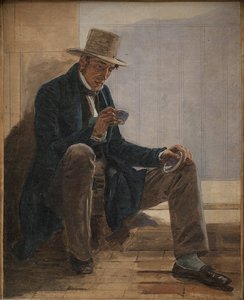
Martinus Christian Wesseltoft Rørbye
1802 - 1848 , Norway
Osnovne informacije
- Artistic Movement Or Style: Golden Age painting
- Artists Or Movements Influenced By This Artist: ['Skagen Painters']
- Artists Who Influenced This Artist:
- C.A. Lorentzen
- C.W. Eckersberg
- Date Of Birth: May 17, 1803
- Date Of Death: 1848
- Full Name: Martinus Christian Rørbye
- Nationality: Danish
- Notable Artworks:
- Christ Healing the Blind
- View from Artist's Window
- Place Of Birth: Drammen, Norway
Povezani članci

Zlatno doba Holandske umetnosti: Top 10 remek dela za vaš dom
Otkrijte remek dela Holandskog zlatnog doba! Uronite u svet Rembrandta, Vermeera i drugih majstora. 10 ikoničnih slika koje su definisale umetnost. Inspiracija za vaš dom i kolekciju - ekskluzivne reprodukcije na ArtsDot.com!

Giclée Prints: Archival Quality & Aesthetic Nuances for the Discerning Collector
Explore the world of giclée prints with ArtsDot. Learn about archival quality, aesthetic nuances & investment potential. Expert guidance for discerning art collectors seeking museum-quality reproductions and lasting value.
The Allure of the Horizon: A Comprehensive Exploration of Seascape Art Through History & Emotion
Explore the captivating world of seascape art! Discover its history, key artists & movements – from Dutch Masters to Impressionism. Expert insights for collectors and enthusiasts at ArtsDot.

Echoes of Time: Exploring the Enduring Appeal & Historical Context of Vintage Art Prints
Explore the captivating world of vintage art prints! Discover their history, collecting tips & enduring appeal. Expert insights on chromolithography and building a legacy collection with ArtsDot.

The Enduring Legacy of Fine Art Prints: Technique, History & Aesthetic Impact
Explore the rich history & techniques of fine art prints. Discover investment potential, assess authenticity, and learn how to preserve your collection with expert guidance. Trusted insights for discerning collectors.

