

 Pregledaj u prostoru
 Pošalji
 Podeli
 Detalji o delu

 Преузми
 Slični predmeti
 Rendgenski snimak
 Slajdovi
 Statistika
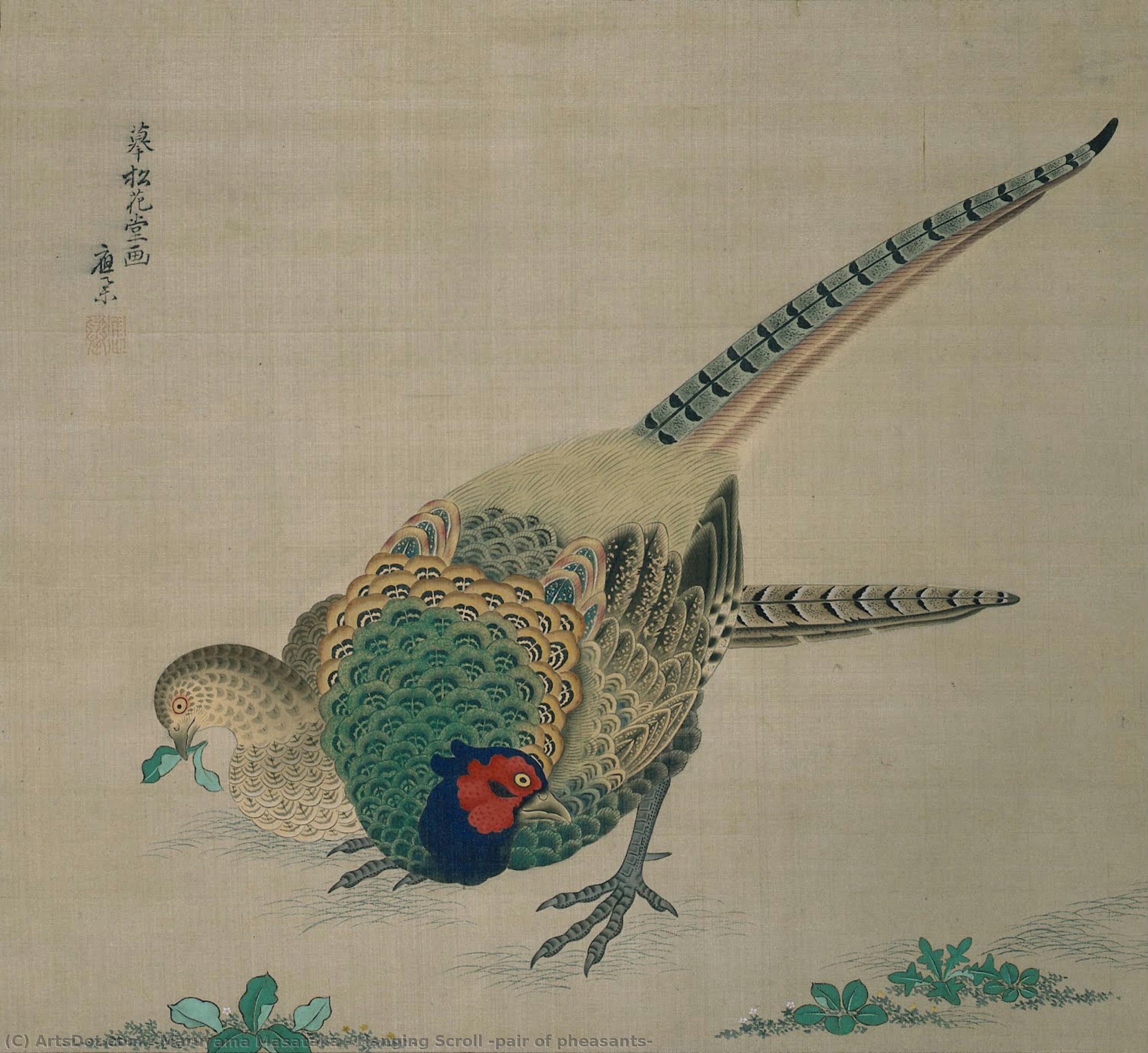
Hanging Scroll (pair of pheasants)


 Pročitaj više
Kupite digitalnu sliku visoke rezolucije i poboljšanog kvaliteta, koja je znatno superiornija od onoga što vidite u online prikazu.
Svaka datoteka je pedantno pripremljena od strane naših stručnjaka koristeći napredne alate i profesionalnu ručnu retušu. Osiguravamo da svaka slika ima izuzetnu oštrinu, preciznu reprodukciju boja i fine detalje.
Konačna datoteka se dostavlja putem e-pošte u roku od 72 sata, optimizovana za neposrednu upotrebu u profesionalnim, izdavačkim i štamparskim okruženjima. To je isti kvalitet kojem veruju vrhunski studiji dizajna, izdavači i galerije.
Digitalna slika
Preuzmite datoteku visoke rezolucije za ličnu upotrebu, štampanje i kreativne projekte. ( Pređi na štampu Kupi ručno naslikanu sliku)
Uključeno uz svaku porudžbinu digitalne slike
Profesionalna digitalna isporuka, zagarantovana
Kada odaberete ArtsDot.com, ne dobijate samo sliku – vi primate profesionalno unapređeno digitalno umetničko delo, izrađeno sa najvećom preciznošću i uz garanciju zadovoljstva. Evo svega što automatski dolazi uz vašu porudžbinu:

Brza dostava putem e-pošte
Vaša digitalna slika visoke rezolucije biće vam poslata putem e-pošte u roku od 72 sata od poručivanja – spremna za trenutnu upotrebu.

Digitalna datoteka unapređena veštačkom inteligencijom
Vaše umetničko delo je profesionalno optimizovano korišćenjem naprednih AI alata i ručne obrade, čime se osiguravaju maksimalni detalji, oštrina i preciznost boja.

Besplatna ponovna isporuka doživotno
Slučajno ste obrisali ili izgubili svoju datoteku? Ne brinite – poslaćemo vam je ponovo u bilo kom trenutku, potpuno besplatno.

Bez troškova uvoza – zauvek
Uživajte u svojim umetničkim delima trenutno, bez carine, dažbina ili troškova dostave – digitalni download je uvek bez poreza.

Garancija vernosti boja
Uz pomoć profesionalnih alata i upravljanja bojama, osiguravamo da vaša digitalna slika što vernije odražava originalne boje.

Garancija zadovoljstva od 100 dana
Ako niste zadovoljni svojom digitalnom slikom, izvršićemo reviziju ili ćemo vam vratiti 100% novca u roku od 100 dana – bez ikakvih pitanja.

100% garancija povrata novca
Niste zadovoljni? Dobijte puni povraćaj novca u roku od 100 dana od prijema digitalne datoteke – bez suvišnih pitanja.

Popusti na velike porudžbine
Kupite 3 slike, uštedite 10% - Kupite 5 slika, uštedite 15% - Kupite 10+ slika, uštedite 20%. Odlično za kreativne projekte, galerije i agencije.
A Symphony of Plumage and Grace
In the quiet stillness of the Edo period, a moment of natural splendor was captured forever through the brush of Maruyama Masataka. His masterpiece, Hanging Scroll (pair of pheasants), dated 1795, invites the viewer into a serene sanctuary where the boundaries between the wild and the refined dissolve. The painting presents two magnificent birds, likely pheasants or peacocks, positioned with an exquisite sense of balance across the frame. Their long, elegant necks and cascading tails create a rhythmic flow that guides the eye through a landscape of soft textures and delicate colors. This is not merely a depiction of fauna; it is a poetic meditation on the elegance inherent in the natural world, designed to bring a sense of tranquil majesty to any sophisticated interior.
The technique employed by Masataka represents a revolutionary moment in Japanese art history. As the founder of the Maruyama school, he achieved a breathtaking synthesis of traditional Chinese ink wash methods and a burgeoning interest in Western realism. Through meticulous observation, he applied watercolor and ink with such precision that one can almost feel the weight of the feathers and the softness of the birds' plumage. This approach—often referred to as shasei or "sketching from nature"—moved away from the purely stylized forms of previous eras toward a more lifelike, tactile reality. For the collector or interior designer, this mastery of light and texture offers a profound depth that breathes life into a room, providing a focal point that is both intellectually stimulating and visually soothing.
Historical Resonance and Timeless Elegance
To possess or display a reproduction of this hanging scroll is to connect with the golden age of Kyoto’s artistic evolution. During the late 18th century, Masataka was transforming the Japanese aesthetic by integrating the anatomical accuracy inspired by European naturalists with the spiritual depth of Eastern ink painting. The pair of pheasants serves as a powerful symbol of beauty, prosperity, and harmony. In many East Asian traditions, such birds are seen as emblems of grace and auspicious beginnings, making this piece an ideal selection for spaces intended to inspire peace and well-being.
For those seeking to curate a space with historical weight and artistic integrity, this work offers unparalleled versatility. Whether placed in a minimalist modern gallery or a richly textured classical study, the Hanging Scroll (pair of pheasants) commands attention through its subtle sophistication rather than through loud or jarring colors. It is an investment in atmosphere—a way to introduce the quiet, enduring spirit of the Edo period into the contemporary home. The delicate interplay of the birds' silhouettes against the soft background creates a sense of infinite space, allowing the viewer to escape the chaos of modern life and find solace in the timeless beauty of nature’s most graceful inhabitants.
Srodna umetnička dela
Biografija umetnika
Maruyama Masataka: A Master of Nature’s Grace
Maruyama Masataka (1733-1795) stands as a pivotal figure in the history of Japanese ink painting, particularly renowned for his breathtaking depictions of birds and animals. Born in Anoin, Japan, during a period of significant artistic evolution, Masataka’s work embodies a delicate balance between meticulous observation, profound understanding of nature, and a subtle infusion of Western aesthetic principles. His legacy rests not just on the beauty of his individual paintings but also on his role as a founder of the Maruyama school, profoundly influencing generations of Japanese artists. Initially trained in the traditional techniques of Chinese landscape painting, Masataka’s artistic journey took an unexpected turn when he moved to Kyoto and encountered the works of European naturalists like Jan van Hoorn. This exposure sparked a fascination with Western realism, which he skillfully integrated into his own distinctive style—a harmonious blend of Eastern sensibility and Western precision.Early Life and Artistic Training
Masataka’s early life remains somewhat shrouded in mystery, though it is known that he received his initial artistic training in the classical Chinese tradition. The specifics of this formative period are not fully documented, but it's believed he studied under a master who emphasized meticulous brushwork and the representation of mountainous landscapes. However, around 1760, Masataka’s life took an important turn when he traveled to Osaka and encountered the works of Jan van Hoorn, a Dutch painter specializing in animal studies. Van Hoorn’s detailed renderings of birds and animals captivated Masataka, prompting him to shift his focus towards capturing the essence of these creatures with unparalleled accuracy and sensitivity. This pivotal encounter marked a decisive break from purely landscape-oriented painting and laid the foundation for his future mastery of animal art.The Maruyama School: A Synthesis of Styles
Masataka’s influence extended far beyond his individual creations; he established the Maruyama school, a movement characterized by its refined naturalism and subtle Western influences. Unlike earlier schools that prioritized stylized representations or idealized forms, Masataka sought to depict animals as they truly appeared—with their unique markings, textures, and behaviors. His paintings are distinguished by their remarkable attention to detail, achieved through painstaking observation and an intuitive understanding of anatomy. The school’s aesthetic was further refined by his students, most notably Maruyama Ōkyo, who continued to develop and propagate the school's distinctive style. This synthesis of Eastern and Western artistic approaches created a uniquely Japanese visual language that resonated deeply with audiences during the Edo period.Key Works and Artistic Techniques
Masataka’s oeuvre is characterized by a remarkable range of subjects, primarily focusing on birds—pheasants, crows, magpies, and ducks—along with other animals such as hares and monkeys. His paintings are renowned for their serene atmosphere, achieved through the skillful use of ink wash techniques (sumi-e). He masterfully employed varying brushstrokes to convey texture, movement, and mood. The delicate gradations of tone, created by layering thin washes of ink, lend a remarkable sense of depth and luminosity to his works. Consider, for example, his “Hanging Scroll (pair of pheasants),” where the iridescent plumage of the birds is rendered with breathtaking realism, while the surrounding foliage is depicted with understated elegance. Similarly, "Hare’s with Scouring Rushes" showcases his ability to capture the subtle details of animal behavior and habitat. His compositions often feature animals in natural settings—amongst branches, rocks, or reeds—creating a harmonious dialogue between the subject and its environment.Legacy and Historical Significance
Maruyama Masataka’s contribution to Japanese art is profound and enduring. He not only elevated the status of animal painting but also demonstrated the potential for integrating Western artistic principles into a distinctly Japanese aesthetic. His work profoundly influenced subsequent generations of artists, shaping the development of Ukiyo-e (woodblock prints) and other forms of Japanese art. His emphasis on naturalism and his innovative use of ink wash techniques continue to inspire artists today. Furthermore, Masataka’s legacy extends beyond the realm of painting; he represents a bridge between cultures—a testament to the power of artistic exchange and mutual influence. His paintings are now treasured for their beauty, technical mastery, and profound connection to the natural world, solidifying his place as one of Japan's most celebrated artists.
maruyama masataka
1733 - 1795 , Japan
Kratke činjenice
- Artistic Movement Or Style: Ink wash painting
- Artists Who Influenced This Artist: ['None],\n "Artists or movements influenced by this artist": ["Maruyama Ōkyo"]\n}']
- Date Of Birth: Anoin, Japan 1733
- Date Of Death: 1795
- Full Name: Maruyama Masataka
- Nationality: Japanese
- Notable Artworks:
- Crows
- Pheasants
- Hare scours
- Place Of Birth: Anoin, Japan