

 Pregledaj u prostoru
 Pošalji
 Podeli
 Detalji o delu

 Преузми
 Slični predmeti
 Rendgenski snimak
 Slajdovi
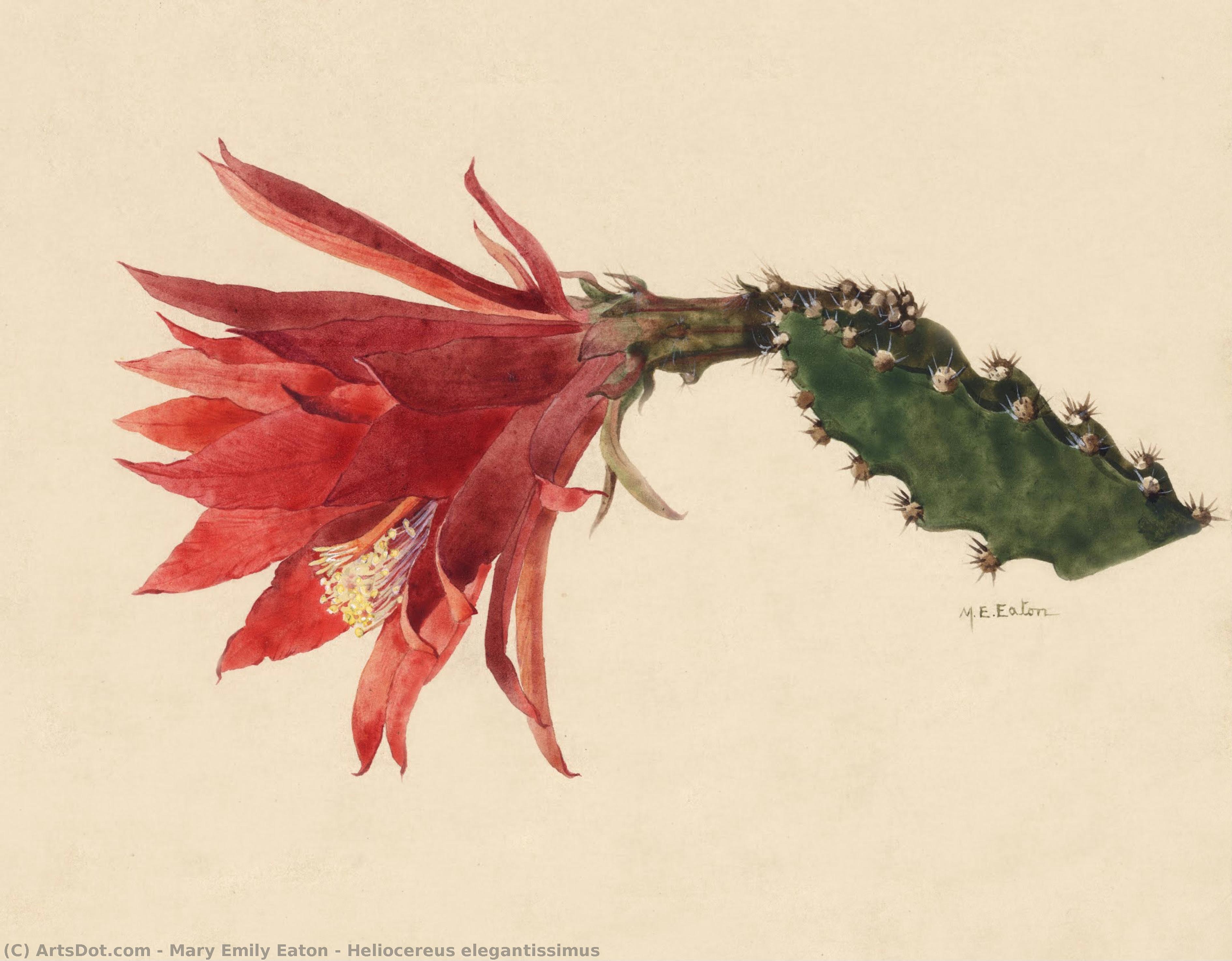
Heliocereus elegantissimus


 Pročitaj više
Ručno rađena uljana reprodukcija
Ručno oslikano uljanim bojama na platnu u dimenzijama i okviru po vašem izboru, izrađeno po porudžbini od strane naših umetnika. ( Kupi print Kupi digitalnu sliku)




P118B $10

P118H $10

P118W $10

P438Z $10

P508JH $12

P508YH $12

P805H $10

P805Z $10

P919BZ $10

P919G $10

P919XJ $10

P959ZH $10

P968JZ $12

W106C $8

W218G $10

W218JH $8

W218Y $10

W307PJ $10

W316G $10

W316PJ $8

W316Y $10

W398PJ $8

W4111J $10

W500HY $15

W500JH $15

W692G $12

W849H $8

W940BG $15

W953PJ $8




Izaberite jednu od naših unapred definisanih veličina koje odgovaraju originalnim proporcijama umetničkog dela.

Можете унети сопствене димензије како бисте прилагодили дело одређеном оквиру или простору. Ако одабрана величина не одговара пропорцијама оригинала, слика ће бити исечена или проширена додатним елементима који се ручно насликавају. Дигитални prikaz ће вам бити послат на одобрење пре почетка производње.
Имајте на уму да преглед на екрану не одражава стварно исецање или проширење. Само приказ (mockup) ће тачно приказати коначну композицију.
Иако су доступне прилагођене величине, препоручујемо да одаберете димензију из дефинисане листе како бисте сачували оригиналне пропорције.
Nakon narudžbine, tim ArtsDot.com će klijentu putem e-pošte poslati uputstva i dostaviti prikaz predloženog rešenja
Isporuka širom sveta () za 3/4 nedelje umesto uobičajenih 5 nedelja. (6 септембар). Bez kompromisa po pitanju kvaliteta.

Besplatna ekspresna dostava širom sveta

Visokokvalitetno laneno platno

Kompletno osiguranje transporta

Garancija povraćaja carine i uvoznih dažbina

Garancija vernosti boja

Politika povrata u roku od 100 dana (samo u slučaju nedostataka)

Garancija povrata novca od 100%

Popust pri grupnoj kupovini
 Opcija sa staklom dostupna je samo za dimenzije manje od 110 cm

Heliocereus elegantissimus
Tehnika reprodukcije
Dimenzije reprodukcije
-


Konačna cena
$ 263
A Botanical Masterpiece: The Ethereal Bloom of Heliocereus elegantissimus
In the delicate intersection of scientific precision and poetic grace lies Mary Emily Eaton’s 1912 watercolor, Heliocereus elegantissimus. This exquisite botanical illustration serves as a window into a world where the rugged resilience of the Mexican desert meets the refined elegance of Edwardian artistry. The painting captures a singular moment in the life of a cactus flower, presenting a vibrant display of red petals that seem to pulse with a hidden vitality against the soft, translucent washes of watercolor. Through Eaton’s masterful hand, the subject transcends mere biological documentation, becoming an evocative study of color, light, and the fleeting nature of beauty.
The technique employed by Eaton is nothing short of extraordinary, showcasing the meticulous skill she honed during her years as a porcelain painter. Using the watercolor medium, she achieves a breathtaking depth of field; the petals possess a luminous, almost silken quality, while the fine, sharp details of the cactus spines provide a necessary structural contrast. Each stroke is deliberate, contributing to a sense of organic movement that guides the viewer’s eye from the central stem outward toward the delicate, radiating edges of the bloom. This balance of soft, bleeding pigments and crisp, anatomical accuracy creates a visual rhythm that is both soothing and intellectually stimulating.
Historical Significance and Artistic Legacy
To understand this piece is to understand the golden age of botanical illustration. Created for the seminal publication The Cactaceae by Britton & Rose, this plate represents a pinnacle of scientific record-keeping. At a time when the exploration of new species was driving much of the era's scientific discourse, Eaton’s work provided the visual language necessary to communicate the wonders of the natural world to both scholars and enthusiasts. Her role as the principal illustrator for The New York Botanical Garden allowed her to bridge the gap between the laboratory and the art gallery, ensuring that every specimen was rendered with an uncompromising eye for truth.
The historical weight of this artwork is profound, as it carries the legacy of a woman who navigated the rigorous demands of scientific taxonomy while maintaining a distinct artistic voice. Her ability to capture the Heliocereus elegantissimus—a species known for its striking, ephemeral flowering—mirrors her own ability to immortalize the transient beauty of nature. For collectors and historians alike, this work is not merely an illustration but a vital artifact of early 20th-century natural history, embodying the era's profound curiosity about the diverse flora of the Americas.
An Inspiration for Modern Interiors
For the discerning interior designer or art enthusiast, a high-quality reproduction of this watercolor offers a sophisticated touch of organic elegance. The vibrant reds and subtle earthy tones of the cactus anatomy provide a stunning focal point that can breathe life into a variety of decor styles, from the minimalist modern gallery look to the lush, storied atmosphere of a classical study. Because the piece balances scientific detail with an aesthetic softness, it possesses a unique versatility; it can act as a quiet, contemplative element in a serene bedroom or a bold, conversational statement in a grand dining room.
Integrating such a piece into a curated space allows for a connection to the natural world that is both timeless and intellectually enriching. It invites guests to linger, to observe the fine details of the spines, and to marvel at the delicate translucency of the petals. Owning a reproduction of Eaton’s work is more than an act of decoration; it is an invitation to celebrate the enduring marriage of science and art, bringing a fragment of botanical history and the sun-drenched spirit of Mexico into the heart of the home.
Srodna umetnička dela
Biografija umetnika
A Silent Witness to Desert Blooms
Mary Emily Eaton (1873–1961) stands as a remarkable figure in the golden age of Victorian botanical illustration, her meticulous watercolors capturing the ethereal beauty of cacti and succulents with a precision that bridged the gap between scientific observation and profound artistic sensitivity. Born in the quiet town of Coleford, Gloucestershire, Eaton’s formative years instilled within her a deep-seated passion for the natural world—a passion that would eventually propel her toward distinguished achievements in the field of botanical art. Her journey was one of disciplined refinement, beginning with her initial artistic education at the Taunton School of Art and continuing through the prestigious halls of the Royal College of Art in South Kensington and the Chelsea Polytechnic. These institutions provided the rigorous foundation necessary for her later mastery of form and texture.
Before she became a celebrated chronicler of desert flora, Eaton demonstrated an extraordinary aptitude for detail through her early career as a painter of Worcester porcelain. This period of her life was crucial, as it demanded an almost superhuman level of precision and a delicate touch, qualities that would later define her botanical masterpieces. The transition from the fine, glazed surfaces of porcelain to the organic, often rugged textures of the Cactaceae family allowed her to apply her trained eye for minute detail to a much broader, more complex biological canvas.
The Cactaceae Project: A Collaborative Triumph
Eaton’s most enduring legacy resides in her monumental collaboration with Henry Herschel Hay Cameron on the publication of ‘The Cactaceae’, released between 1919 and 1923. This ambitious project, undertaken by Britton & Rose, sought to comprehensively document the diverse and often mysterious flora of the cactus family. Within this scientific endeavor, Eaton’s contribution was nothing short of extraordinary. She painstakingly rendered over twenty-eight watercolor illustrations of individual cactus species, each piece serving as a testament to her patience and devotion.
Her work went far beyond mere botanical reproduction; she possessed a unique ability to capture the subtle textures, the defensive spines, and the vibrant, fleeting hues of desert blooms with unparalleled accuracy. These depictions were expressions of deep admiration for the resilience and elegance of plants that thrive in the harshest environments. By blending Cameron’s photographic vision with her own painterly intuition, Eaton helped create a visual record that remains a cornerstone of botanical literature, ensuring that the delicate beauty of these desert survivors would be preserved for generations of scientists and art lovers alike.
Legacy and Recognition
The dedication displayed by Mary Emily Eaton to the accuracy of her craft garnered considerable acclaim during her lifetime. Her ability to marry scientific rigor with aesthetic grace earned her prestigious recognition, including two medals from the Royal Horticultural Society. These honors served as a validation of her skill and her commitment to the preservation of botanical knowledge through art.
Today, Eaton is remembered not just as an illustrator, but as a vital link in the history of scientific art. Her work represents a period when the boundaries between the laboratory and the studio were beautifully blurred. The historical significance of her contributions can be seen in:
- Scientific Accuracy: Her ability to provide detailed morphological data through watercolor.
- Artistic Innovation: The application of porcelain-painting precision to large-scale botanical documentation.
- Botanical Preservation: The creation of a permanent visual archive for species that are often difficult to study in situ.
As we look back upon her life, we see an artist who found profound beauty in the unexpected, turning the rugged, prickly landscapes of the desert into a soft, luminous symphony of color and light.
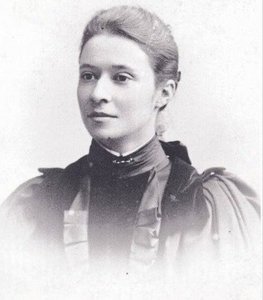
Mary Emily Eaton
1873 - 1961 , United Kingdom
Osnovne informacije
- Artistic Movement Or Style: Botanical Art
- Date Of Birth: November 27, 1873
- Date Of Death: August 4, 1961
- Full Name: Mary Emily Eaton
- Nationality: British
- Notable Artworks:
- Moon Cactus
- Heliocereus elegantissimus
- Illustrations of multiple cactus species
- Place Of Birth: Coleford, United Kingdom
Povezani članci
Watercolor Wonders: 10 Masterpieces That Redefined Art History | ArtsDot
Journey through 10 legendary watercolor masterpieces by Sargent, Turner & Homer! Explore iconic landscapes, portraits & floral art that redefined history. Find museum-quality reproductions and curated decor ideas at ArtsDot.com.
Ephemeral Visions: Exploring the Artistic Legacy & Contemporary Practice of Watercolor Painting
Explore the captivating world of watercolor painting! Discover its rich history, essential techniques, influential artists & collecting tips. A comprehensive guide for art enthusiasts from ArtsDot.
Ephemeral Visions: Exploring the History & Emotional Resonance of Watercolor Painting
Explore the captivating history of watercolor painting, from ancient techniques to modern masters like Kandinsky & Blake. Discover essential artists, collecting tips & the emotional power of this luminous medium. Expert insights for art enthusiasts.
Ephemeral Visions: Exploring the Artistic Legacy & Nuances of Watercolor Painting
Explore the captivating world of watercolor painting! Discover its rich history, essential techniques, influential artists & collecting tips from art experts. A comprehensive guide for enthusiasts.
Акварел кроз векове: Историјски развој, технике и савремена пракса
Истражите историју акварела, технике и савремене трендове уз стручне увиде ArtsDot-а. Сазнајте више о познатим уметницима и материјалима за сликање акварелом. Купите квалитетне репродукције или наручите персонализовани портрет!