

 Pošalji
 Podeli
 Detalji o delu

 Преузми
 Slični predmeti
 Slajdovi
 Statistika
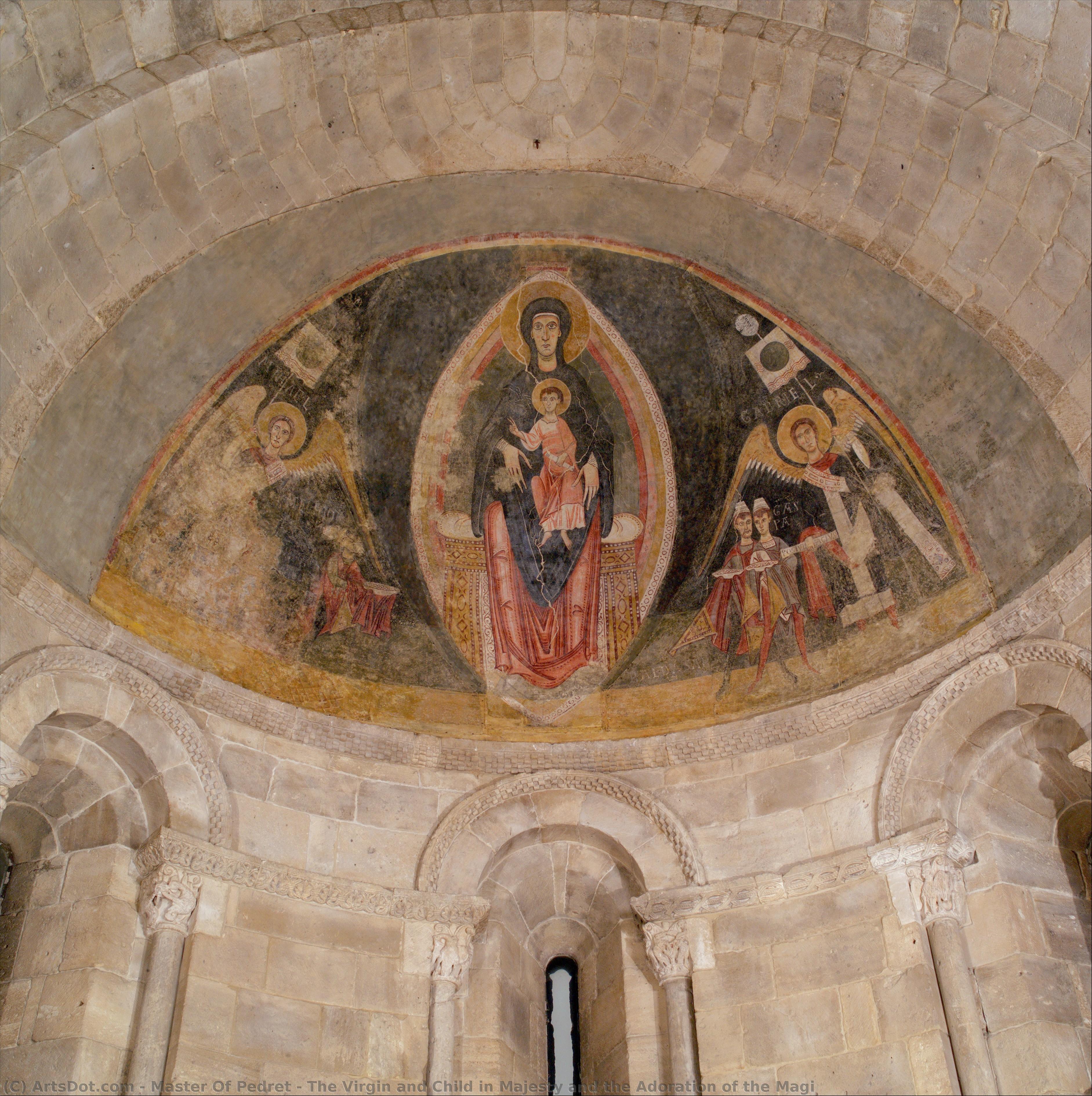
The Virgin and Child in Majesty and the Adoration of the Magi
 Fresco
- Decor
- Romanesque Style
 1100
1100- High Medieval
 323.0 x 593.0 cm
 The Met Cloisters
 Pročitaj više
Ručno rađena uljana reprodukcija
Ručno oslikano uljanim bojama na platnu u dimenzijama i okviru po vašem izboru, izrađeno po porudžbini od strane naših umetnika. ( Pređi na štampu Pređi na digitalnu sliku)




































Izaberite jednu od naših unapred definisanih veličina koje odgovaraju originalnim proporcijama umetničkog dela.

Можете унети сопствене димензије како бисте прилагодили дело одређеном оквиру или простору. Ако одабрана величина не одговара пропорцијама оригинала, слика ће бити исечена или проширена додатним елементима који се ручно насликавају. Дигитални prikaz ће вам бити послат на одобрење пре почетка производње.
Имајте на уму да преглед на екрану не одражава стварно исецање или проширење. Само приказ (mockup) ће тачно приказати коначну композицију.
Иако су доступне прилагођене величине, препоручујемо да одаберете димензију из дефинисане листе како бисте сачували оригиналне пропорције.
Nakon narudžbine, tim ArtsDot.com će klijentu putem e-pošte poslati uputstva i dostaviti prikaz predloženog rešenja
Isporuka širom sveta () za 3/4 nedelje umesto uobičajenih 5 nedelja. (13 септембар). Bez kompromisa po pitanju kvaliteta.

Besplatna ekspresna dostava širom sveta

Visokokvalitetno laneno platno

Kompletno osiguranje transporta

Garancija povraćaja carine i uvoznih dažbina

Garancija vernosti boja

Politika povraćaja u roku od 100 dana (isključivo u slučaju nedostataka)

Garancija povrata novca od 100%

Popust pri grupnoj kupovini
 Opcija sa staklom dostupna je samo za dimenzije manje od 110 cm

The Virgin and Child in Majesty and the Adoration of the Magi
Tehnika reprodukcije
Dimenzije reprodukcije
-


Konačna cena
$ 263
A Celestial Vision in Stone and Pigment
In the quiet, hallowed corridors of The Met Cloisters, there exists a window into a lost world of medieval devotion. The Virgin and Child in Majesty and the Adoration of the Magi is not merely a painting; it is a monumental fragment of a sacred atmosphere, a fresco that once breathed life into the stone apse of the church of San Quirze Pedret. Created around 1100 CE by the enigmatic Master of Pedret, this masterpiece serves as a profound bridge between the earthly and the divine. To behold it is to witness the moment where the rugged landscape of the Pyrenees Mountains meets the ethereal light of Byzantine influence, creating a visual hymn that has resonated through nearly a millennium of human history.
The composition unfolds with a breathtaking sense of hierarchical grandeur. At its heart sits the Virgin Mary, enthroned in majesty, her presence commanding both reverence and tenderness. She holds the infant Jesus, a figure of divine promise, while around them, the celestial court assembles. The scene is far more than a simple Nativity; it is an epic narrative where archangels and the Magi converge. The way the figures are arranged creates a rhythmic movement that draws the eye toward the central mystery of the Incarnation, inviting the viewer to participate in a timeless act of worship.
The Mastery of Romanesque Line and Byzantine Grace
What distinguishes this work from the typical flatness of the Romanesque period is the subtle, sophisticated hand of its creator. The Master of Pedret was an artist of extraordinary nuance, capable of blending the bold, graphic strength of Catalan tradition with the delicate, emotive elegance of Byzantine iconography. One can observe this in the meticulous treatment of drapery folds, which possess a weight and structure that suggest volume without sacrificing the spiritual abstraction essential to the era. The artist employs a deliberate use of line to define form, yet there is an unmistakable softness in the facial expressions—a flicker of humanity within the divine.
Technically, the fresco represents a triumph of medium and endurance. Originally painted directly onto the damp plaster of a church wall, these pigments have survived centuries of shifting political tides and environmental changes. The colors, though aged, retain a soulful depth that provides an incomparable texture for any space. For the discerning collector or interior designer, this piece offers more than just aesthetic beauty; it offers a sense of historical weight and architectural permanence. A high-quality reproduction of such a work brings with it a palpable connection to the craftsmanship of the twelfth century, making it a cornerstone for any collection focused on classical elegance and spiritual depth.
Symbolism and the Emotional Resonance of the Sacred
Every element within this fresco is steeped in profound theological meaning. The throne of Mary represents the stability of the Church, while the presence of the Magi symbolizes the recognition of Christ by the wider world—the meeting of the pagan and the divine. The surrounding angels act as intermediaries, their gazes guiding our own toward the holy figures. This layering of symbolism ensures that the artwork remains intellectually stimulating long after its initial visual impact has been felt.
Beyond the historical and technical merits, there is an undeniable emotional pull to this work. It evokes a sense of peace, a sanctuary of stillness in a chaotic world. The interplay of light—suggested by the way the figures emerge from the darker recesses of the apse—creates a meditative atmosphere that can transform the character of a room. Whether placed in a grand library, a contemplative study, or a curated gallery space, this reproduction serves as an anchor of serenity, inviting all who view it to pause, reflect, and marvel at the enduring power of sacred art.
Srodna umetnička dela

Biografija umetnika
early twelfth century, catalonia, spain
in the realm of art history, there exist a few masters whose works have been shrouded in mystery, yet continue to captivate art enthusiasts and scholars alike. one such enigmatic figure is the master of pedret, a romanesque fresco painter active in catalonia during the early twelfth century.the artistic legacy
the master of pedret's most representative work, the right side of the apse of the church of san quirze pedret, now resides at the museu nacional d’art de catalunya in barcelona, spain. this masterpiece is a testament to the artist's skill in capturing the essence of romanesque art.key works and influences
- the right side of the apse of san quirze pedret, now at the museu nacional d’art de catalunya, barcelona, spain.
- other notable works include frescoes in various catalan churches, showcasing the artist's versatility and contribution to romanesque art.
artistic style and techniques
characteristics of master of pedret's art:- employment of vibrant colors and detailed compositions.
- incorporation of christian motifs and biblical themes.
- use of fresco techniques, highlighting the artist's skill in this medium.
legacy and impact
the master of pedret's influence on romanesque art is undeniable. this anonymous artist has left an indelible mark on the art world, with works that continue to inspire artists and fascinate scholars. further reading:- master of pedret | ArtsDot.com
- romanesque art - wikipedia
- hastings museum and art gallery | ArtsDot.com
conclusion
the master of pedret, though shrouded in mystery, remains a pivotal figure in romanesque art. this enigmatic artist's works continue to captivate audiences, offering a glimpse into the artistic nuances of early twelfth-century catalonia.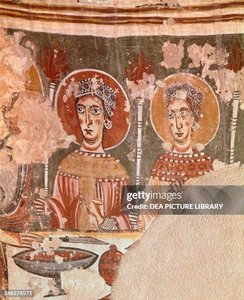
Master of Pedret
Spain
Osnovne informacije
- Artistic Movement Or Style: Romanesque
- Artists Or Movements Influenced By This Artist: ['Romanesque Art']
- Artists Who Influenced This Artist: ['Byzantine Art']
- Date Of Birth: Early twelfth century
- Date Of Death: Living
- Full Name: Master of Pedret
- Nationality: Spanish
- Notable Artworks: ['The Virgin and Child in Majesty and the Adoration of the Magi']
- Place Of Birth: Catalonia, Spain
Povezani članci

The Enduring Legacy of Fresco Painting: Techniques, History & Contemporary Relevance
Explore the rich history & enduring artistry of fresco painting – from Giotto to Michelangelo! Discover techniques, conservation efforts, & modern applications. Learn how ArtsDot brings this timeless art form to your home.

Porodična freska nasleđe: Očuvanje kulture i identiteta kroz zidno slikarstvo – Istorijski uvid za kolekcionare
Istražite bogatu istoriju zidnog slikarstva i njegov značaj za očuvanje kulture i porodičnog nasleđa. Ekskluzivni uvid za kolekcionare, restauratore i ljubitelje umetnosti. Saznajte više o tehnikama, vrednosti i budućnosti ove drevne veštine.

Umetnička dela koja oživljavaju prostor: Emocionalna snaga personalizovane freske u enterijeru
Otkrijte emocionalnu snagu personalizovane freske! Ekskluzivni vodič o istoriji, tehnikama i primeni freski u luksuznom dizajnu enterijera. Kreirajte jedinstveno umetničko delo za vaš dom.

The Enduring Legacy of Fresco: Technique, History & Artistic Expression Across Cultures
Explore the rich history & enduring legacy of fresco painting! Discover ancient techniques, Giotto's masterpieces, and modern applications. Expert insights for art lovers & professionals.

Giotto di Bondone: 25 Remek-dela koji definišu renesansu | ArtsDot
Istražite 25 remek-dela Giotta di Bondonea i otkrijte renesansnu umetnost u punom sjaju. Freske, oltarske slike & istorija italijanske umetnosti na ArtsDot.com! Reprodukcije vrhunskog kvaliteta za vaš dom.