

 Pregledaj u prostoru
 Pošalji
 Podeli
 Detalji o delu

 Преузми
 Slični predmeti
 Rendgenski snimak
 Slajdovi
 Statistika
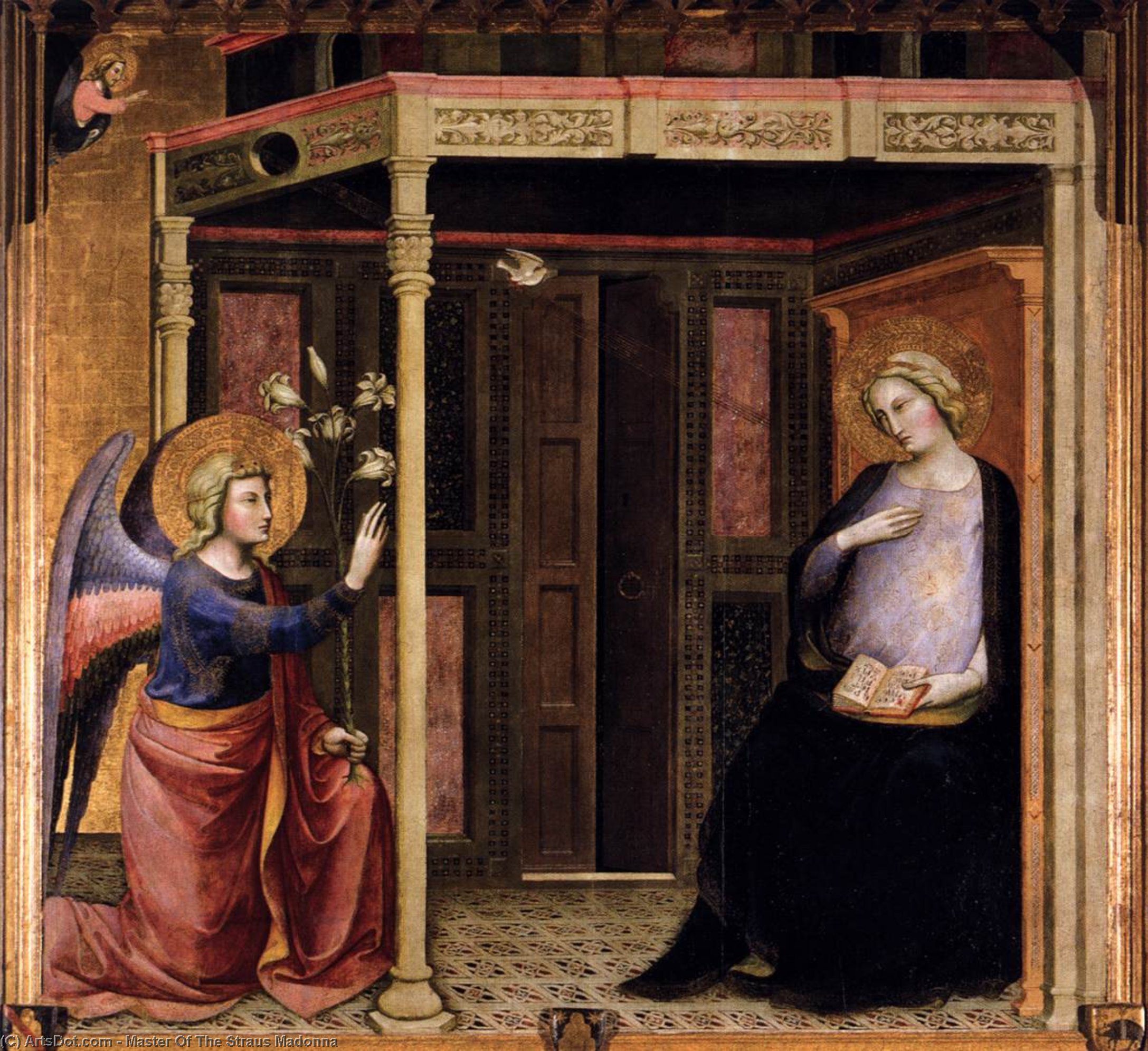
Annunciation


 Pročitaj više
Kupite digitalnu sliku visoke rezolucije i poboljšanog kvaliteta, koja je znatno superiornija od onoga što vidite u online prikazu.
Svaka datoteka je pedantno pripremljena od strane naših stručnjaka koristeći napredne alate i profesionalnu ručnu retušu. Osiguravamo da svaka slika ima izuzetnu oštrinu, preciznu reprodukciju boja i fine detalje.
Konačna datoteka se dostavlja putem e-pošte u roku od 72 sata, optimizovana za neposrednu upotrebu u profesionalnim, izdavačkim i štamparskim okruženjima. To je isti kvalitet kojem veruju vrhunski studiji dizajna, izdavači i galerije.
Digitalna slika
Preuzmite datoteku visoke rezolucije za ličnu upotrebu, štampanje i kreativne projekte. ( Pređi na štampu Kupi ručno naslikanu sliku)
Uključeno uz svaku porudžbinu digitalne slike
Profesionalna digitalna isporuka, zagarantovana
Kada odaberete ArtsDot.com, ne dobijate samo sliku – vi primate profesionalno unapređeno digitalno umetničko delo, izrađeno sa najvećom preciznošću i uz garanciju zadovoljstva. Evo svega što automatski dolazi uz vašu porudžbinu:

Brza dostava putem e-pošte
Vaša digitalna slika visoke rezolucije biće vam poslata putem e-pošte u roku od 72 sata od poručivanja – spremna za trenutnu upotrebu.

Digitalna datoteka unapređena veštačkom inteligencijom
Vaše umetničko delo je profesionalno optimizovano korišćenjem naprednih AI alata i ručne obrade, čime se osiguravaju maksimalni detalji, oštrina i preciznost boja.

Besplatna ponovna isporuka doživotno
Slučajno ste obrisali ili izgubili svoju datoteku? Ne brinite – poslaćemo vam je ponovo u bilo kom trenutku, potpuno besplatno.

Bez troškova uvoza – zauvek
Uživajte u svojim umetničkim delima trenutno, bez carine, dažbina ili troškova dostave – digitalni download je uvek bez poreza.

Garancija vernosti boja
Uz pomoć profesionalnih alata i upravljanja bojama, osiguravamo da vaša digitalna slika što vernije odražava originalne boje.

Garancija zadovoljstva od 100 dana
Ako niste zadovoljni svojom digitalnom slikom, izvršićemo reviziju ili ćemo vam vratiti 100% novca u roku od 100 dana – bez ikakvih pitanja.

100% garancija povrata novca
Niste zadovoljni? Dobijte puni povraćaj novca u roku od 100 dana od prijema digitalne datoteke – bez suvišnih pitanja.

Popusti na velike porudžbine
Kupite 3 slike, uštedite 10% - Kupite 5 slika, uštedite 15% - Kupite 10+ slika, uštedite 20%. Odlično za kreativne projekte, galerije i agencije.
A Celestial Encounter in Late Gothic Splendor
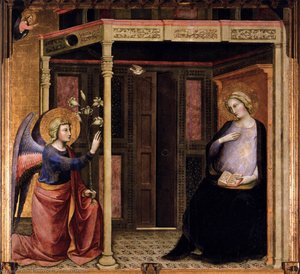
In the quiet, hallowed atmosphere of the early fifteenth century, a profound moment of divine intervention was captured on wood by an artist whose name remains whispered in the corridors of history: the Master of the Straus Madonna. His work, Annunciation, dated to approximately 1400, serves as a breathtaking window into the Late Gothic period, where the earthly and the divine intersect through delicate brushwork and profound spiritual gravity. The painting presents a sacred dialogue between two celestial beings, frozen in a moment of eternal significance. On one side, an angel stands with a haloed grace, clutching a book that signifies the fulfillment of prophecy, while his counterpart gestures with a hand extended in a gesture of holy tidings. This composition does more than merely depict a scene; it invites the viewer into a sanctuary of light and devotion.
The technique employed by this Florentine master reflects the transition from the heavy, solemn Giottesque tradition toward a more lyrical, luminous style that would eventually pave the way for the Renaissance. The panel painting, a medium prized for its intimacy and portability, allows for an extraordinary level of detail that rewards the close observer. One can trace the intricate architectural flourishes—the columns and arches that frame the figures—suggesting a sacred interior, perhaps a cathedral or a private chapel. The artist utilizes a palette dominated by rich earth tones, yet this sobriety is brilliantly interrupted by the vibrant, saturated hues of the angels' robes. These splashes of color act as visual anchors, drawing the eye through the complex geometry of the Gothic setting and highlighting the celestial nature of the protagonists.
Symbolism and the Spirit of the Florentine Renaissance
Every element within this masterpiece is imbued with symbolic weight, designed to guide the faithful toward contemplation. The presence of the book held by the angel is not merely a decorative detail but a profound symbol of the Word made flesh, representing the scriptural promises being realized in that very moment. The architectural elements—the arches and pillars—serve as more than just a backdrop; they represent the stability of the Church and the structured order of the cosmos. As a piece of art, it embodies the tension of its era: the lingering shadows of medieval mysticism clashing beautifully with the emerging humanist interest in classical form and spatial clarity.
For the discerning collector or interior designer, an Annunciation reproduction offers much more than mere decoration; it provides a focal point of historical depth and emotional resonance. The painting’s ability to evoke a sense of peace, reverence, and timelessness makes it an ideal centerpiece for spaces designed for reflection, such as a library, a study, or a formal sitting room. To possess a high-quality reproduction of this work is to bring a fragment of Florentine history into the modern home, surrounding oneself with the enduring beauty of the Gothic spirit and the masterful hand of an anonymous genius who helped shape the course of Western art.
Srodna umetnička dela
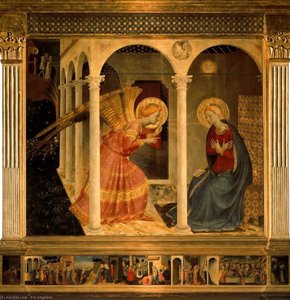
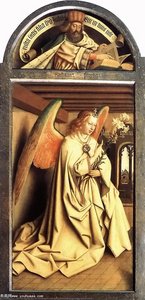
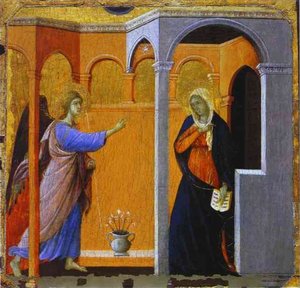
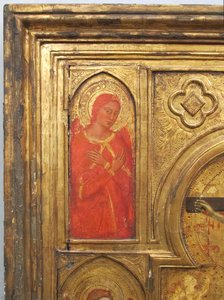
Biografija umetnika
The Enigmatic Visionary of Florence
In the hallowed, sun-drenched corridors of Florentine art history, certain names resonate with clarity, while others linger like a beautiful, half-remembered dream. The Master of the Straus Madonna belongs to this latter, more mysterious category. An artist whose true identity remains veiled behind the shroud of anonymity, he stands as a pivotal figure in Late Gothic painting, acting as a vital conduit between the heavy, solemn traditions of the Giottesque era and the burgeoning, luminous humanist spirit that would soon define the early fifteenth century. Though his personal biography is fragmented, scholars suggest a life rooted in the vibrant artistic pulse of Florence, with documentary traces pointing toward a birth around 1385.
His identity is often whispered to be one and the same as Cenni di Francesco di Ser Cenni, a connection that adds a layer of human depth to his otherwise elusive persona. To study his work is to witness a master navigating a period of profound artistic dynamism—a time when the monumental solidity of Giotto’s legacy met the delicate, ethereal revival of classical ideals championed by thinkers like Brunelleschi and Donatello. He did not merely follow these trends; he synthesized them into a singular, lyrical language that captured both the weight of the earthly and the grace of the divine.
A Symphony of Light and Devotion
The oeuvre of this Florentine master is characterized by an extraordinary devotion to sacred themes, particularly the Madonna and Child. His surviving panels, numbering approximately thirty, reveal a painter deeply preoccupied with the spiritual intimacy of the Virgin Mary and her infant son. He achieved lasting renown through works such as the celebrated panel donated by the Straun family to the Museum of Fine Arts, Houston, from which he derives his moniker. In these compositions, one finds a breathtaking mastery of luminous coloration and delicate drapery, elements that imbue his figures with a sense of celestial lightness.
His technical prowess is perhaps most evident in the way he balances form and emotion:
- The Man of Sorrows with Instruments of the Passion: Housed in Warsaw’s National Museum, this work showcases his ability to portray human suffering through subtle modeling of flesh and an expressive, haunting gaze.
- The Annunciation: Located at the Accademia Gallery in Florence, this piece serves as a cornerstone of his legacy, utilizing vibrant, saturated hues to create an atmosphere of serene, spiritual contemplation.
- Virgin and Child with Two Angels: A testament to his skill in capturing spiritual evanescence, where slender, pale figures seem to float within a sacred, architectural space.
Legacy of the Late Gothic Transition
The historical significance of the Master of the Straus Madonna lies in his role as a bridge. He occupied the delicate space between the works of Agnolo Gaddi and the more advanced style of Lorenzo Monaco. His paintings are not merely religious icons but are windows into a transitional epoch where the heavy, grounded forms of the past were beginning to dissolve into the graceful, flowing lines of the early Renaissance. By blending Giottesque solidity with a new, lyrical tenderness, he helped prepare the Florentine palate for the profound humanism that was to follow.
Even without a confirmed name, his presence is felt in every delicate fold of pigment and every soulful glance captured on wood. He remains an essential voice in the narrative of Italian art—a master who, through the sheer beauty of his anonymous hand, continues to invite the modern viewer into a sanctuary of eternal grace and profound devotion.
Kratke činjenice
- Artistic Movement Or Style: Late Gothic
- Artists Or Movements Influenced By This Artist: ['Masolino']
- Artists Who Influenced This Artist:
- Agnolo Gaddi
- Lorenzo Monaco
- Full Name: Cenni di Francesco di Ser Cenni
- Nationality: Italian
- Notable Artworks:
- Annunciation
- Man of Sorrows
- Place Of Birth: Florence