

 Pregledaj u prostoru
 Pošalji
 Podeli
 Detalji o delu

 Преузми
 Slični predmeti
 Rendgenski snimak
 Slajdovi
 Statistika
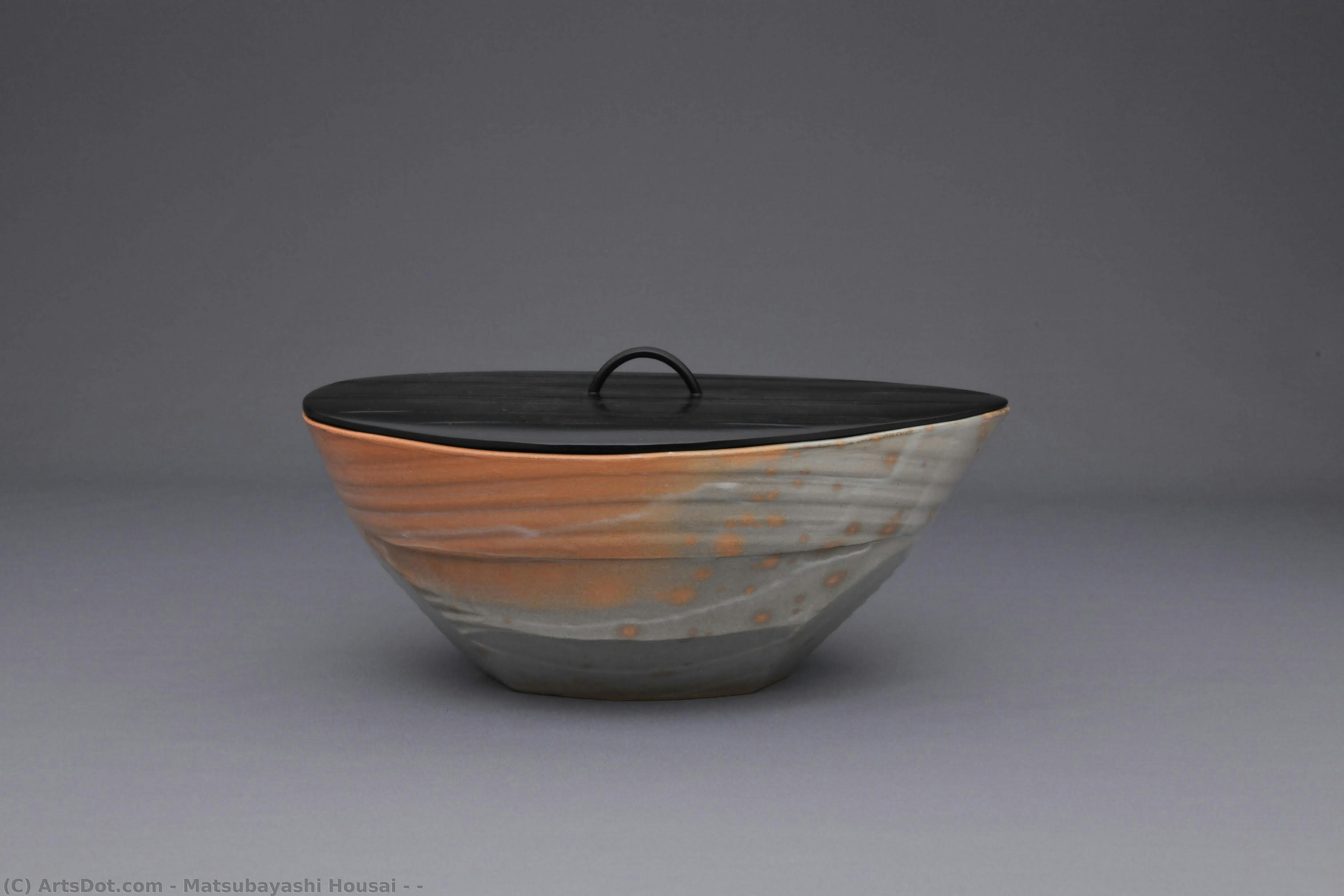
Untitled (D698XQ)

 Pročitaj više
Ručno rađena uljana reprodukcija
Ručno oslikano uljanim bojama na platnu u dimenzijama i okviru po vašem izboru, izrađeno po porudžbini od strane naših umetnika. ( Pređi na štampu Pređi na digitalnu sliku)




































Izaberite jednu od naših unapred definisanih veličina koje odgovaraju originalnim proporcijama umetničkog dela.

Можете унети сопствене димензије како бисте прилагодили дело одређеном оквиру или простору. Ако одабрана величина не одговара пропорцијама оригинала, слика ће бити исечена или проширена додатним елементима који се ручно насликавају. Дигитални prikaz ће вам бити послат на одобрење пре почетка производње.
Имајте на уму да преглед на екрану не одражава стварно исецање или проширење. Само приказ (mockup) ће тачно приказати коначну композицију.
Иако су доступне прилагођене величине, препоручујемо да одаберете димензију из дефинисане листе како бисте сачували оригиналне пропорције.
Nakon narudžbine, tim ArtsDot.com će klijentu putem e-pošte poslati uputstva i dostaviti prikaz predloženog rešenja
Isporuka širom sveta () za 3/4 nedelje umesto uobičajenih 5 nedelja. (9 септембар). Bez kompromisa po pitanju kvaliteta.

Besplatna ekspresna dostava širom sveta

Visokokvalitetno laneno platno

Kompletno osiguranje transporta

Garancija povraćaja carine i uvoznih dažbina

Garancija vernosti boja

Politika povraćaja u roku od 100 dana (isključivo u slučaju nedostataka)

Garancija povrata novca od 100%

Popust pri grupnoj kupovini
 Opcija sa staklom dostupna je samo za dimenzije manje od 110 cm

Untitled (D698XQ)
Tehnika reprodukcije
Dimenzije reprodukcije
-


Konačna cena
$ 263
Srodna umetnička dela






Biografija umetnika
A Legacy Forged in Clay: The World of Matsubayashi Housai
Matsubayashi Housai (1950-2015) was more than a potter; he was the embodiment of a 400-year-old tradition, a custodian of Japanese ceramic artistry deeply intertwined with the spiritual heart of tea culture. Born in Uji, Kyoto – a region synonymous with the finest green teas and steeped in centuries of ritualistic practice – Housai inherited not merely a craft, but a lineage. He was the 16th generation master of the Asahi kiln, a workshop founded during the Momoyama-Edo period under the patronage of Kobori Enshu, a renowned figure whose aesthetic principles would profoundly shape the kiln’s identity.
Housai's journey began with rigorous training in Kyoto, mastering the fundamental skills of the rokuro (potter’s wheel). However, his education extended beyond technical proficiency. He apprenticed under his father, absorbing the subtle nuances of clay preparation, glaze formulation, and the demanding art of kiln firing – knowledge passed down through countless generations. This foundational period instilled in him a deep respect for the materials themselves, understanding that each piece held within it the echoes of the earth from which it came.
The Asahi Kiln: A Tradition of “Kirei-Sabi”
The Asahi kiln’s history is inextricably linked to the philosophy of Kobori Enshu. Enshu, a prominent tea master and garden designer, championed kirei-sabi – an aesthetic that finds beauty in simplicity, imperfection, and the natural patina of age. This ethos permeated every aspect of Asahiyaki production, influencing not only the forms created but also the very spirit of the workshop. The kiln initially flourished by producing tea utensils favored by daimyo lords, official residences, and discerning tea masters. Over time, it evolved to specialize in sencha ware – pottery specifically designed for enjoying sencha tea, a type of green tea that gained prominence during the Edo period.
Housai’s work was deeply rooted in this tradition. He continued to utilize clay sourced from Mount Asahi, a practice dating back to the kiln's earliest days. However, he wasn’t simply replicating past forms; he sought to harmonize ancient aesthetic sensibilities with modern perceptions. His pieces often feature gentle colors and contemporary details, demonstrating a remarkable ability to bridge the gap between historical reverence and innovative expression.
Beyond Technique: Symbolism and Artistic Vision
While Housai was a master of traditional techniques, his artistry extended beyond mere craftsmanship. His work is imbued with symbolism deeply connected to Japanese culture and spirituality. Perhaps most recognizable are his deer-shaped vases – a motif that speaks to themes of longevity, peace, and connection to nature. The dappled patterns reminiscent of deer spots aren’t merely decorative; they evoke the serene beauty of the forest and the gentle spirit of these animals.
Housai's dedication to preserving traditional forms was coupled with a willingness to experiment. He actively sought new materials and techniques, always evaluating their compatibility with the Asahiyaki style. This commitment to innovation wasn’t about abandoning tradition but rather enriching it, ensuring its continued relevance in a changing world.
A Legacy of Renewal
Matsubayashi Housai's influence extends beyond his own creations. He actively participated in projects aimed at promoting the revitalization of Japanese traditional crafts on a global scale. His collaborations with designers like Mae Engelgeer exemplify this commitment, demonstrating a desire to introduce Asahiyaki pottery to new audiences and foster cross-cultural dialogue.
In 2016, Princess Takamado bestowed upon Housai XVI her own calligraphy for the Asahi seal – a testament to his dedication and artistry. His passing in 2015 marked the end of an era, but his legacy continues through the work of the Asahi kiln and the countless artisans he inspired. He left behind not just beautiful objects, but a profound understanding of how tradition can be both preserved and renewed, ensuring that the spirit of kirei-sabi will continue to resonate for generations to come.

matsubayashi housai
1950 - 2015 , Japan
Osnovne informacije
- Artistic Movement Or Style: Traditional ceramics
- Artists Who Influenced This Artist: ['Kobori Enshu']
- Date Of Birth: 1950
- Date Of Death: 2015
- Full Name: Matsubayashi Housai
- Nationality: Japanese
- Notable Artworks: ['Deer-shaped vases']
- Place Of Birth: Uji, Japan