

 Pregledaj u prostoru
 Pošalji
 Podeli
 Detalji o delu

 Преузми
 Slični predmeti
 Rendgenski snimak
 Slajdovi
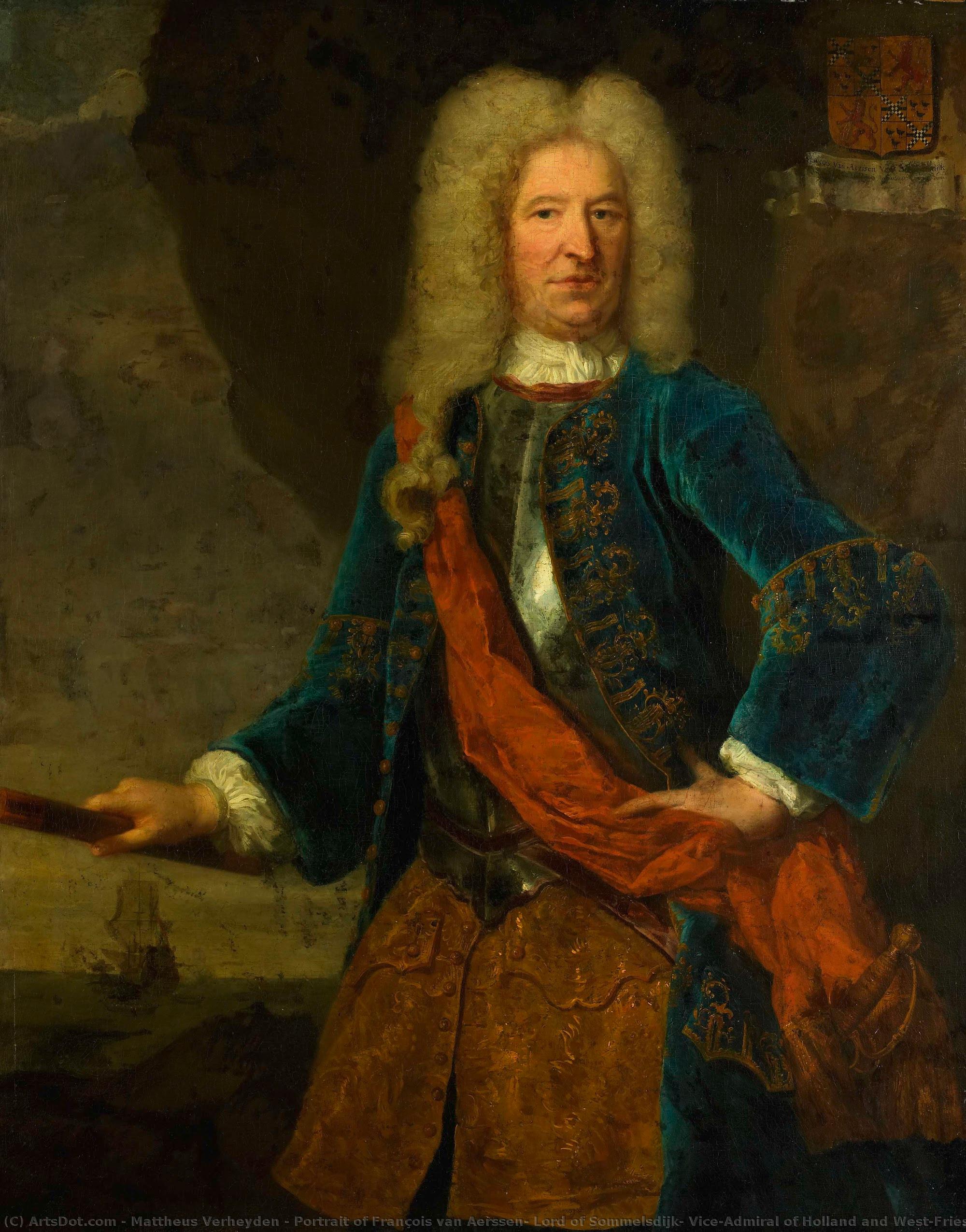
Portrait of François van Aerssen, Lord of Sommelsdijk, Vice-Admiral of Holland and West-Friesland, Mattheus Verheyden, 1728


 Pročitaj više
Giclee štampa / Umetnički otisak
Giclée štampa ili print na platnu muzejskog kvaliteta uz brzu proizvodnju i fleksibilne opcije završne obrade. ( Kupi ručno naslikanu sliku Kupi digitalnu sliku)




P118B $10

P118H $10

P118W $10

P438Z $10

P508JH $12

P508YH $12

P805H $10

P805Z $10

P919BZ $10

P919G $10

P919XJ $10

P959ZH $10

P968JZ $12

W106C $8

W218G $10

W218JH $8

W218Y $10

W307PJ $10

W316G $10

W316PJ $8

W316Y $10

W398PJ $8

W4111J $10

W500HY $15

W500JH $15

W692G $12

W849H $8

W940BG $15

W953PJ $8




Izaberite jednu od naših unapred definisanih veličina koje odgovaraju originalnim proporcijama umetničkog dela.

Možete uneti sopstvene dimenzije kako biste umetničko delo prilagodili specifičnom okviru ili prostoru. Ako odabrani format ne odgovara proporcijama originalne slike, mi ćemo ili iscrtati deo dela ili proširiti sliku pomoću ogledane ivice ili jednobojnog popunjavanja. Digitalni prikaz će vam biti poslat na odobrenje pre početka proizvodnje.
Imajte na umu da pregled na ekranu ne odražava stvarno iscrtavanje ili proširivanje. Samo će prikaz (mockup) precizno pokazati finalnu kompoziciju.
Iako su prilagođene dimenzije dostupne, preporučujemo da odaberete dimenziju sa unapred definisane liste kako biste očuvali originalne proporcije.
Dostava širom sveta () za 2 nedelje umesto uobičajenih 4/5 nedelja. (6 септембар)

Besplatna ekspresna dostava širom sveta

Visokokvalitetno laneno platno

Kompletno osiguranje transporta

Garancija povraćaja carine i uvoznih dažbina

Garancija vernosti boja

Politika povrata u roku od 100 dana (samo u slučaju nedostataka)

Garancija povrata novca od 100%

Popust pri grupnoj kupovini
 Opcija sa staklom dostupna je samo za dimenzije manje od 110 cm

Portrait of François van Aerssen, Lord of Sommelsdijk, Vice-Admiral of Holland and West-Friesland, Mattheus Verheyden, 1728
Giclee štampa / Umetnički otisak
Dimenzije reprodukcije
-


Konačna cena
$ 62
Srodna umetnička dela
Biografija umetnika
A Life Etched in Likeness: The World of Mattheus Verheyden
Mattheus Verheyden, born in the Dutch city of Breda in 1700, emerged as a significant, though often understated, voice within the tradition of 18th-century portraiture. His life story is one marked by early hardship and nurtured talent, ultimately blossoming into a career dedicated to capturing the essence of his era’s elite. Orphaned at a young age – losing his mother in infancy and his father, also a painter named Franck Pietersz Verheyden, before receiving formal instruction from him – Mattheus' artistic path was initially uncertain. Remarkably, he began painting at the tender age of seventeen, demonstrating an innate aptitude that would soon be recognized and fostered by the civic authorities of Breda. Becoming a ward of the city following his father’s death in 1711, Verheyden was granted the opportunity to study with leading artists of the time, setting the stage for a career defined by refined skill and perceptive observation.Formative Years and Artistic Influences
Verheyden's artistic education was carefully orchestrated, reflecting a commitment to providing him with a well-rounded foundation in the prevailing styles. His initial training took place under Hendrik Carré II in The Hague, where he honed his compositional abilities and developed an eye for detail. This period was followed by diligent study of the works of Constantijn Netscher, whose refined brushwork and elegant aesthetic left a lasting impression on Verheyden’s own style. He also immersed himself in the paintings of Carel de Moor and Augustinus Terwesten II, absorbing their mastery of classical portraiture techniques. These influences weren't merely imitative; rather, Verheyden synthesized them into a unique artistic voice, blending Baroque sensibilities with an emerging Rococo grace. The impact of these masters is visible in his meticulous attention to texture, the subtle play of light and shadow, and the ability to convey both physical likeness and psychological depth within his portraits.A Portraitist of Breda and Beyond
By 1722, Verheyden contemplated a journey to England, but paused in Amsterdam to accept portrait commissions – a testament to his growing reputation even at this early stage. He ultimately returned to Breda, fulfilling obligations to the regents who had supported his education and settling his inheritance. However, it was in Breda that he found both artistic fulfillment and personal happiness, falling in love with Margareta Kraeimes and choosing marriage over a transatlantic voyage. This decision cemented his commitment to serving as the primary portraitist for the leading citizens of Breda and, increasingly, The Hague. He meticulously documented his subjects – a practice partially preserved through records compiled by Johan van Gool – painting prominent figures such as François van Aerssen, Lord of Sommelsdijk (1728), Coenraad van Heemskerck, Count of the Holy Roman Empire (1750), and Gerard Cornelis van Riebeeck (1755). These works weren’t simply exercises in representation; they were statements of social standing, carefully constructed images designed to project power, wealth, and refinement.Style, Legacy, and Historical Context
Verheyden's style is characterized by a refined elegance and an unwavering commitment to realism. He possessed a remarkable ability to capture not only the physical features of his sitters but also their individual personalities and social status. His portraits are often distinguished by rich fabrics, sophisticated poses, and a masterful use of light and shadow to create depth and dimension. While primarily focused on portraiture – reflecting the strong demand for such paintings among the Dutch elite – Verheyden rarely ventured into other genres. He was a member of the Confrerie Pictura until 1762, an organization that fostered artistic collaboration and recognition within The Hague’s vibrant art scene. Though perhaps not as widely celebrated as some of his contemporaries, Mattheus Verheyden played a crucial role in preserving the visual memory of influential figures during a pivotal period in Dutch history. His portraits offer invaluable insights into the social and political landscape of the 18th century, representing a continuation of the esteemed Dutch portrait tradition with skill, artistry, and an enduring sense of grace.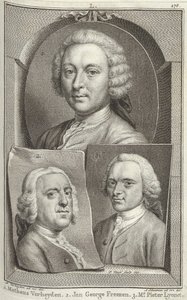
Mattheus Verheyden
1700 - 1776 , Netherlands
Osnovne informacije
- Artistic Movement Or Style: Baroque, Portraiture
- Artists Who Influenced This Artist:
- Hendrik Carré II
- Constantijn Netscher
- Carel de Moor
- Date Of Birth: 1700
- Date Of Death: 1776
- Full Name: Mattheus Verheyden
- Nationality: Dutch
- Notable Artworks:
- Portrait of François van Aerssen
- Portrait of Coenraad van Heemskerck
- Portrait of Gerard Riebeeck
- Place Of Birth: Breda, Netherlands
Povezani članci

Dutch Baroque Masters: 10 Paintings That Shaped an Era | ArtsDot
Journey through the Golden Age with our guide to the Top 10 Dutch Baroque masterpieces! Explore iconic paintings by Rembrandt, Vermeer & Frans Hals. Find museum-quality art reproductions and elevate your home decor at ArtsDot.com.

Rembrandt van Rijn: 25 Majstorstava Svetla i Senke za Vaš Dom | ArtsDot
Uronite u svet Rembrandta van Rijna! Otkrijte 25 najlepših dela holandskog majstora – portrete, istorijske scene i biblijska platna. Kvalitetne reprodukcije slika za dekoraciju enterijera dostupne na ArtsDot.com.
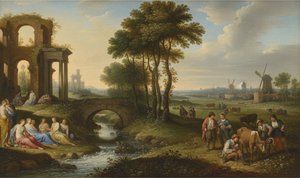
Cornelis van Poelenburch: Bridging Mannerism & the Dutch Baroque Landscape
Discover Cornelis van Poelenburch, a pivotal Dutch Baroque landscape painter bridging Mannerism & Italianate styles. Explore his life, key works, and lasting influence on 17th-century art with ArtsDot.

Golden Age Reflections: Dutch Baroque Painting & Cultural Innovation
Explore the Dutch Golden Age of painting! Discover key artists like Vermeer & ter Borch, their innovative techniques, and the rich cultural context behind these Baroque masterpieces. Learn about collecting & appreciating this iconic art period.
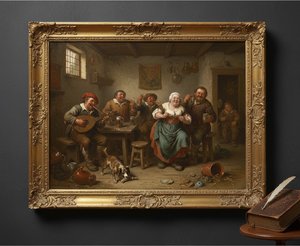
Adriaen van Ostade: A Master of Dutch Genre Painting & Social Commentary
Explore the life & work of Adriaen van Ostade, a leading Dutch Golden Age painter. Discover his realistic genre scenes, social commentary, and lasting influence on art history. Learn more at ArtsDot.